
The built scenes
Tunnels, rooms and doors inside the story.
Vysotsky — CC BY-SA 3.0 · Unknown authorUnknown author (Franz Konrad confessed to taking some of the photographs, the rest was probably taken by photographers from Propaganda Kompanie nr 689.[1][2]) — Public domain · Vysotsky — CC BY-SA 4.0 · John Phelan — CC BY-SA 4.0
The Children's Book Museum is inside the Dutch national library building beside the central station, and it is not a display of books behind glass but a world to walk through. The idea is that the child goes inside the story. The halls are built as full-size scenes from Dutch and international children's books: you crawl through a tunnel, climb into a room, open doors and drawers, meet three-dimensional characters and take part in games built on plots. The child is not asked to read but to move. The museum also has a section on how a book is made: from idea to illustration to printing, with a workshop where children try it. The obvious limitation for a foreign visitor is that most of the content is in Dutch, because it is built on locally known books — but the larger part is physical and interactive and needs no language. It suits roughly ages four to ten.
Tunnels, rooms and doors inside the story.
From idea to illustration to printing.
Prins Willem-Alexanderhof 5, 2595 The Hague
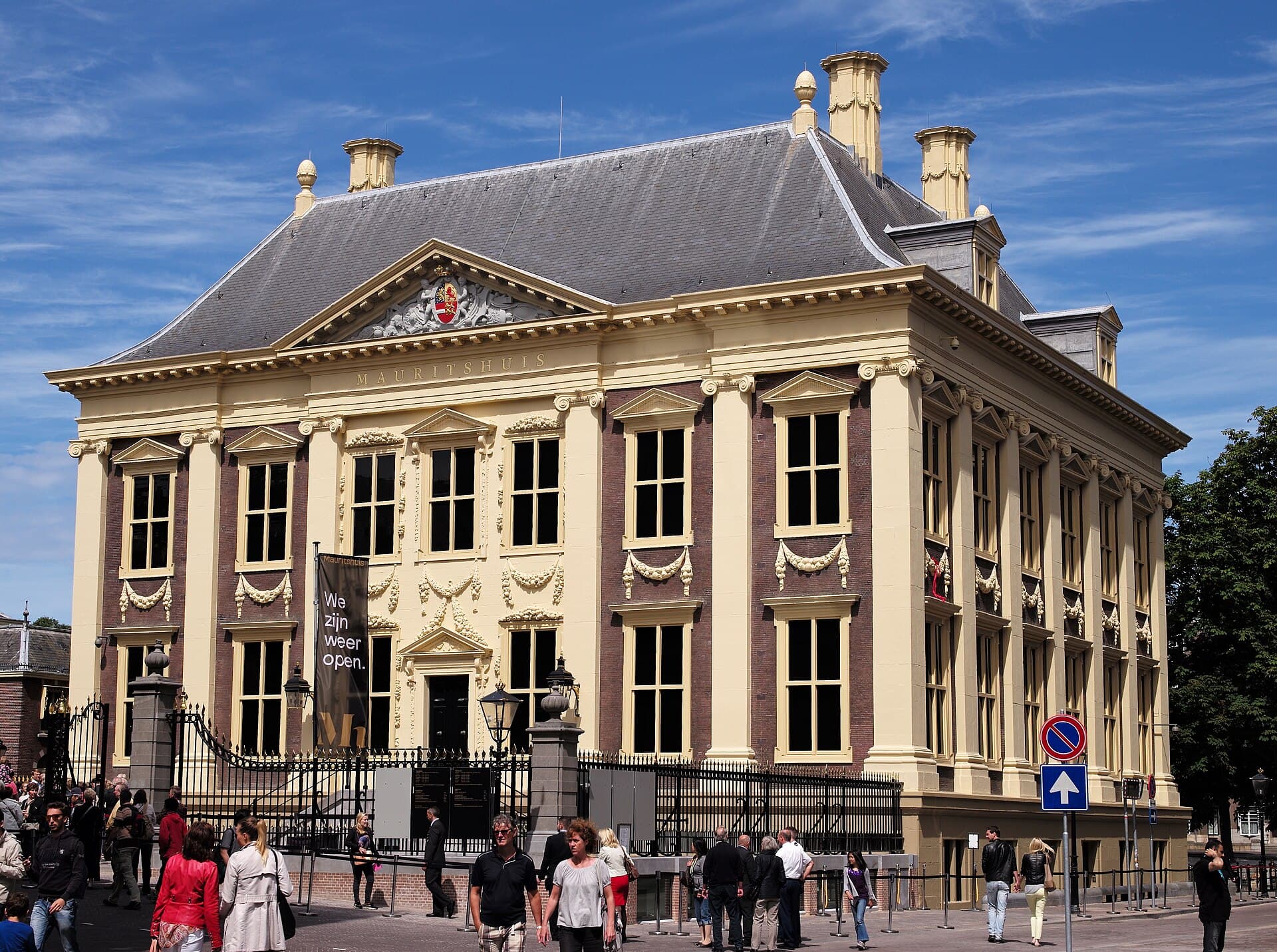 MauritshuisA small seventeenth-century palace in central The Hague, holding one of the fine11 minutes walk4.8
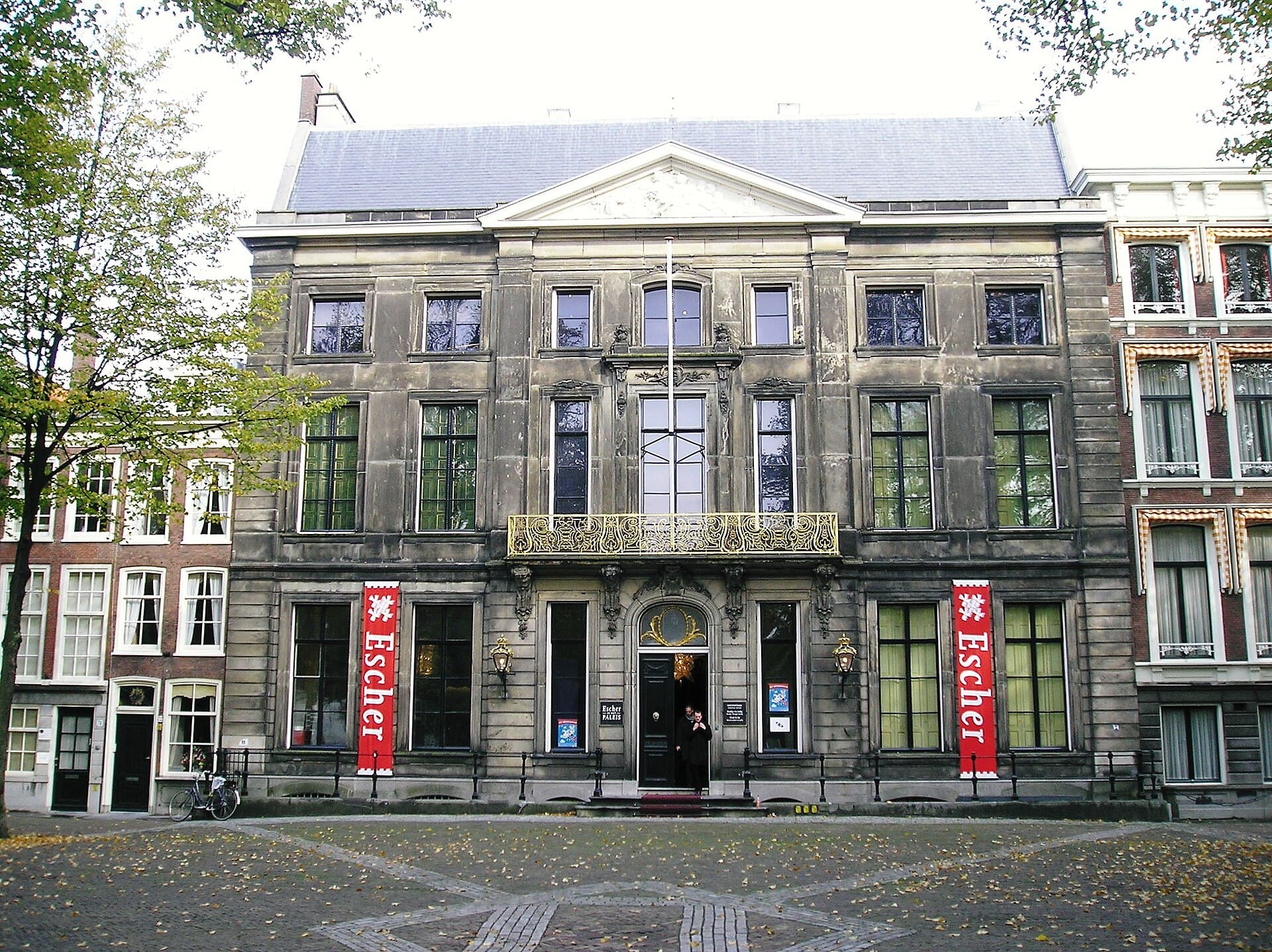 Escher in Het PaleisThe impossible's magician in a queen's palace: the Maurits Escher museum fills t11 minutes walk4.5
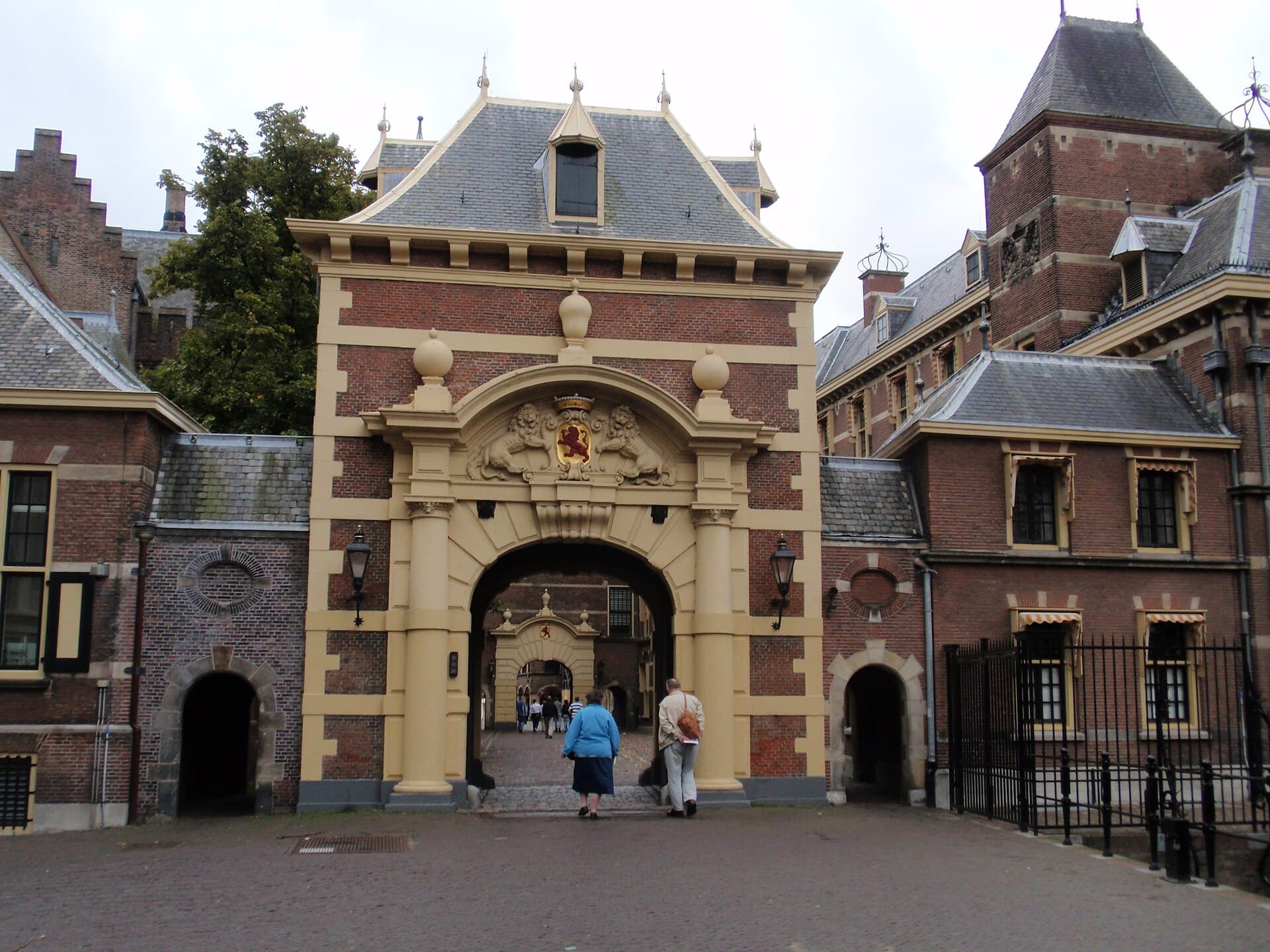 Grenadierspoort (Mauritspoort)A historic gate at the Binnenhof in The Hague, known by two names both in use: t11 minutes walk4.3
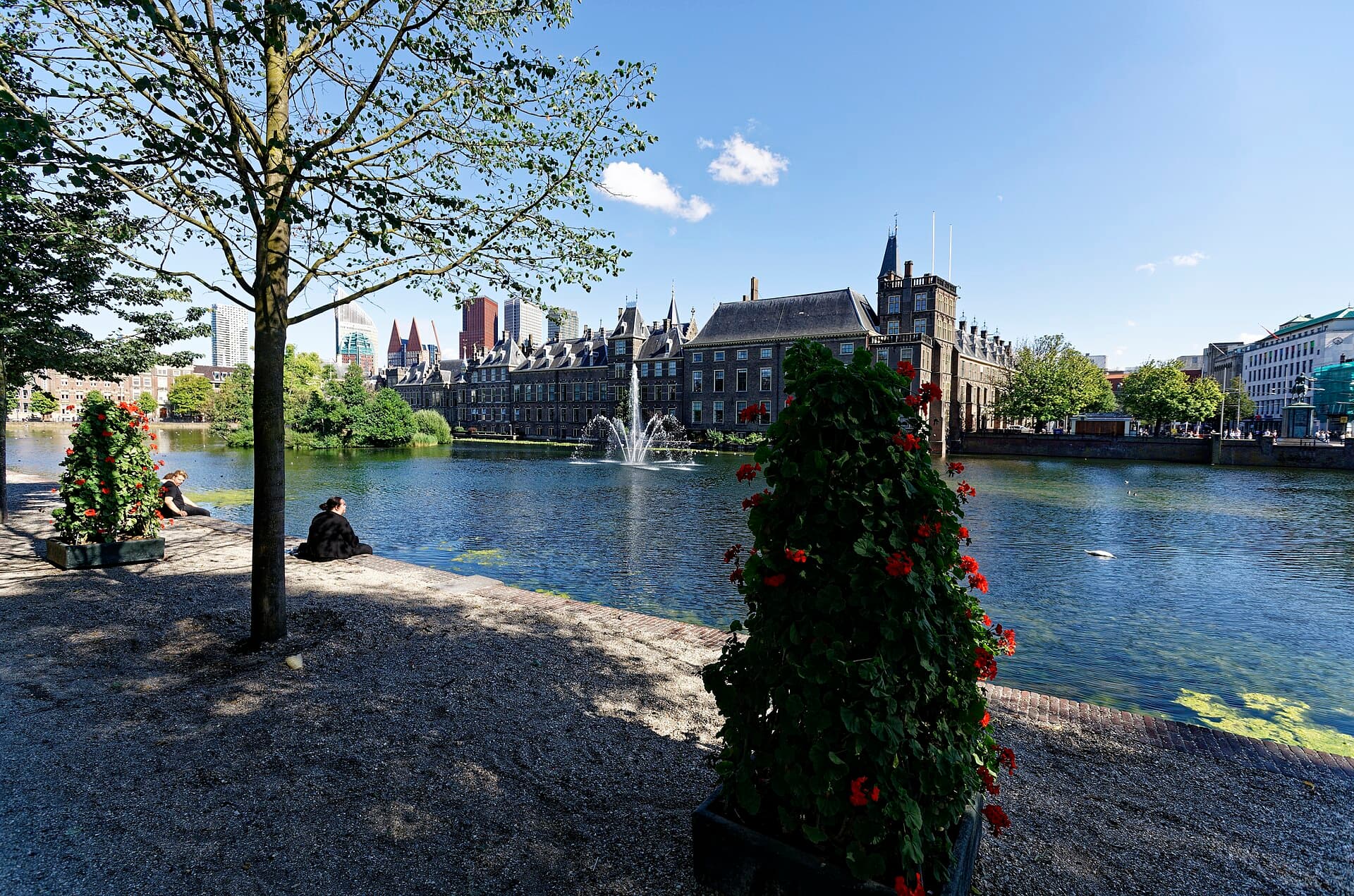 The BinnenhofThe world's oldest working parliament as building: the Binnenhof — 'inner court'12 minutes walk4.6
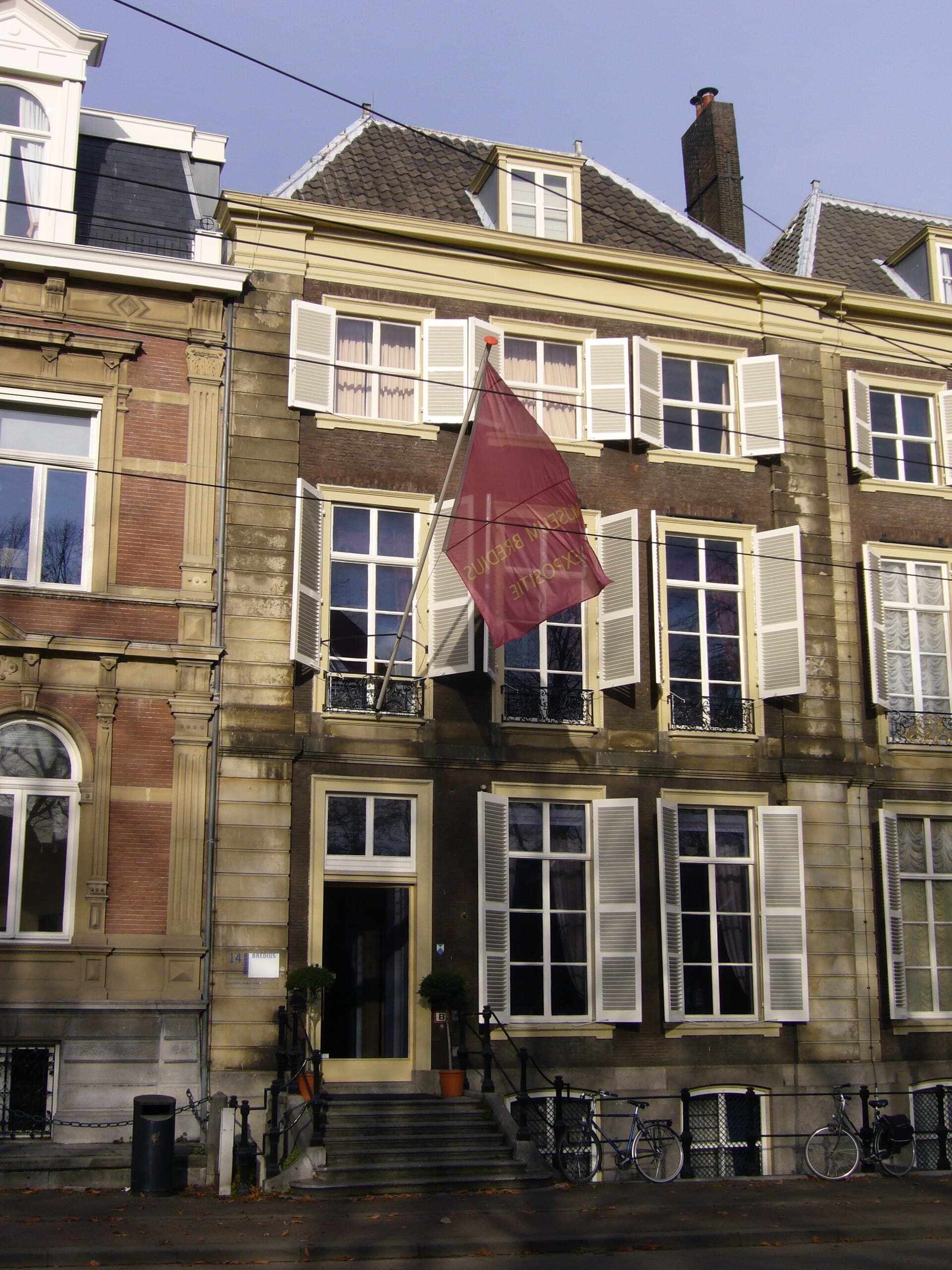 Museum BrediusMuseum Bredius is an eighteenth-century house on a canal near the Binnenhof, hol12 minutes walk4.6
Yes for a younger child, four to seven, because the experience is entirely physical — crawling, climbing and playing need no language. An older child who wants to read the text and know the characters will miss half of it, since the characters are Dutch and locally known. In that case the Museon is the better choice, being scientific rather than literary, with bilingual captions.