
The Rasmus Meyer collection
Munch through his collector friend's eye.
Unknown authorUnknown author — Public domain · Unknown authorUnknown author — Public domain · Jens Klostermann — CC BY-SA 2.0 · Ryan Hodnett — CC BY-SA 4.0
KODE is Scandinavia's largest visual-art collection outside the three capitals: four neighbouring buildings on tiny Lille Lungegårdsvann lake forming one art complex — the former private Rasmus Meyer collection holds the largest gathering of Munch paintings outside Oslo itself (Meyer was a personal collector and friend of the artist), the Stenersen building focuses modern France (Picasso, Matisse, Miró), and the Lysverket building gathers old Norwegian art, craft and ornament. Most relevant to the Gulf visitor: a wide Scandinavian design collection (twentieth-century furniture, ceramics and glass) explains the roots of the Nordic design that later conquered the world — IKEA-precursor pieces and authentic Norwegian craft side by side. One ticket enters all four buildings across two days — so a half-day visit suffices one or two by interest, and the small garden between buildings is a free waterside rest.
Munch through his collector friend's eye.
The Nordic twentieth century's roots.
Rasmus Meyers allé 3-13, 5015 Bergen
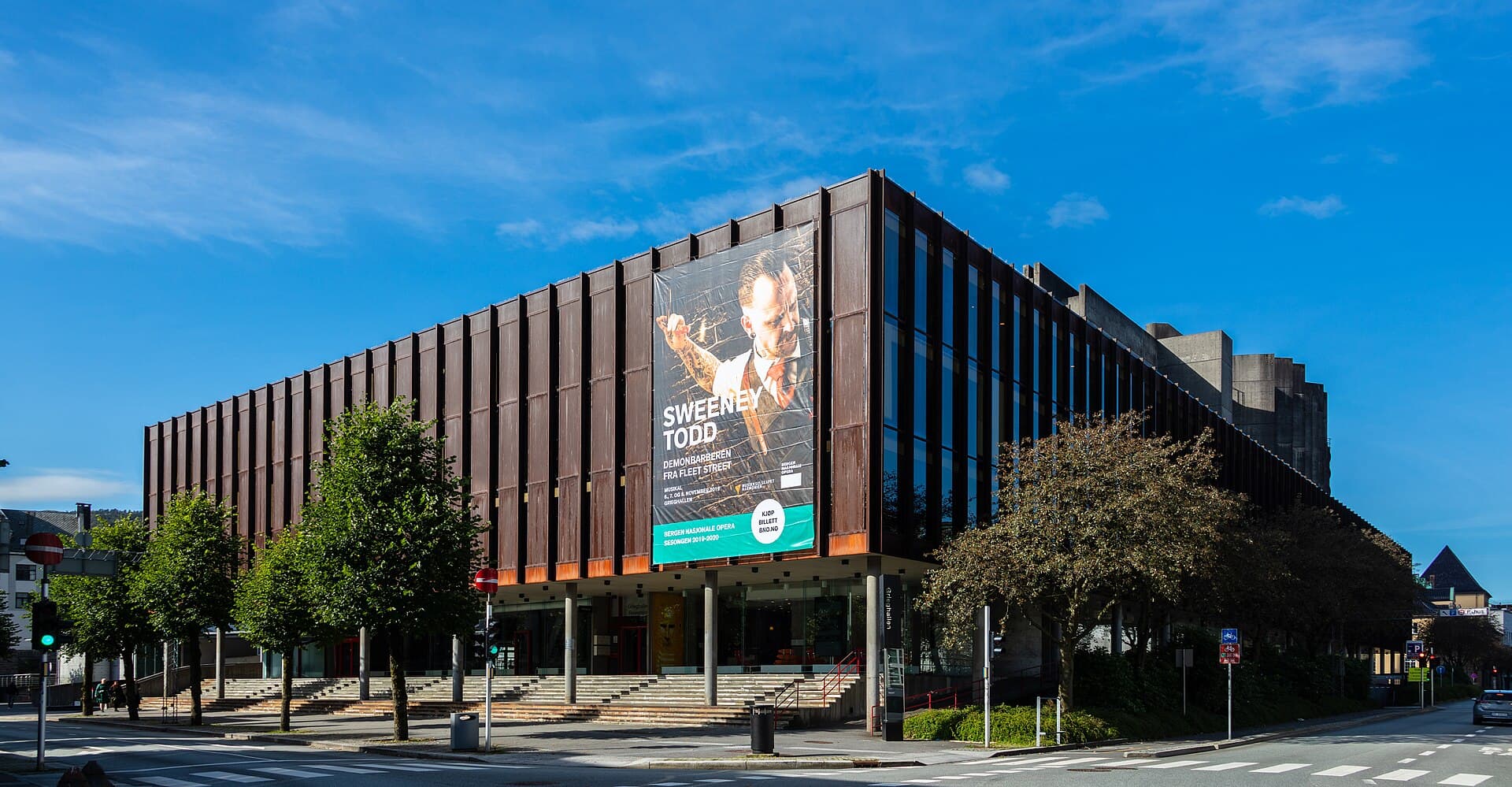 GrieghallenGrieghallen is Bergen's principal concert hall, opened in 1978 and named after E1 minute walk4.7
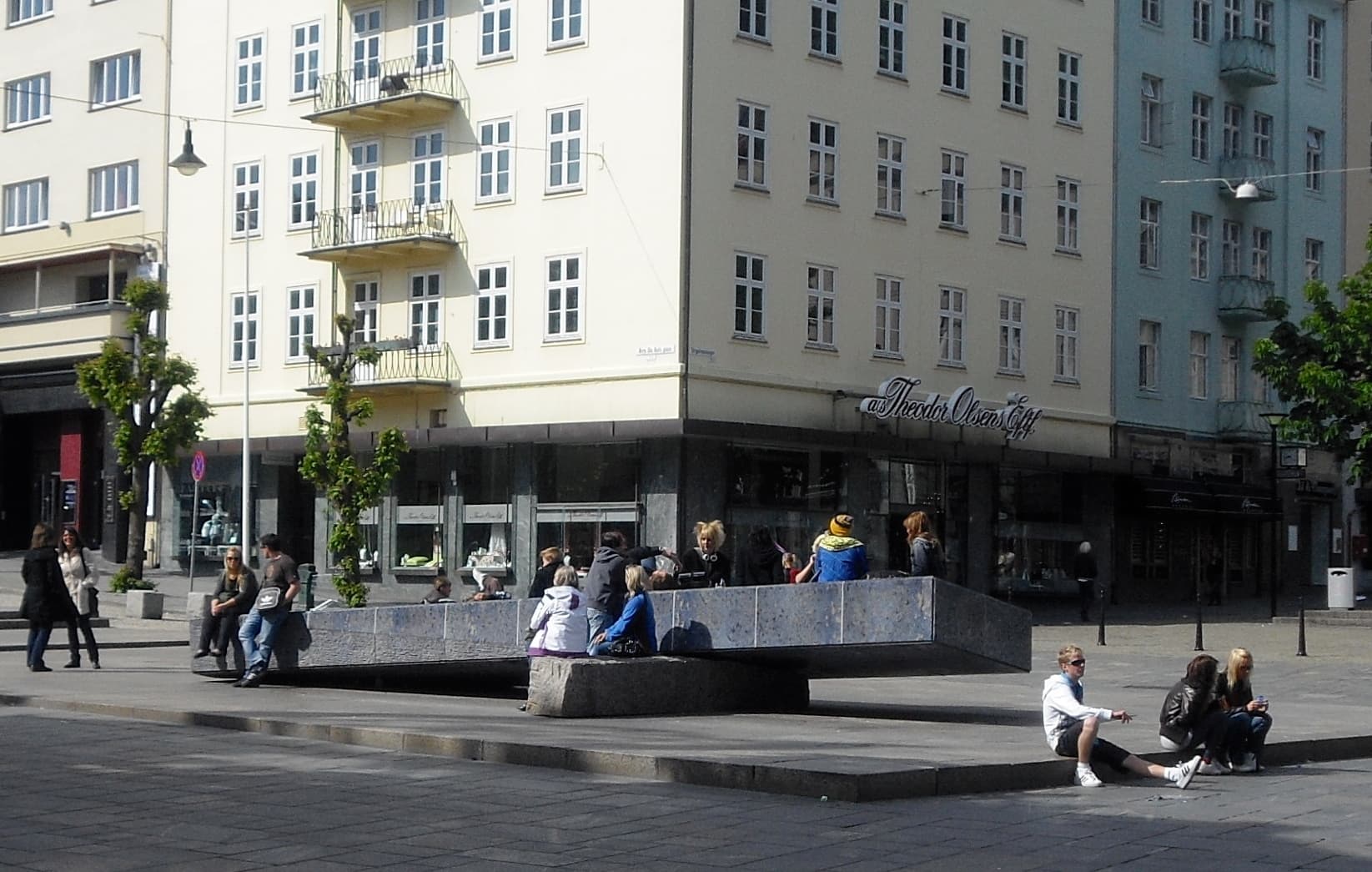 The Blue StoneThe Blue Stone is a long tilted slab lying across Ole Bulls plass, sculpted by A5 minutes walk4.5
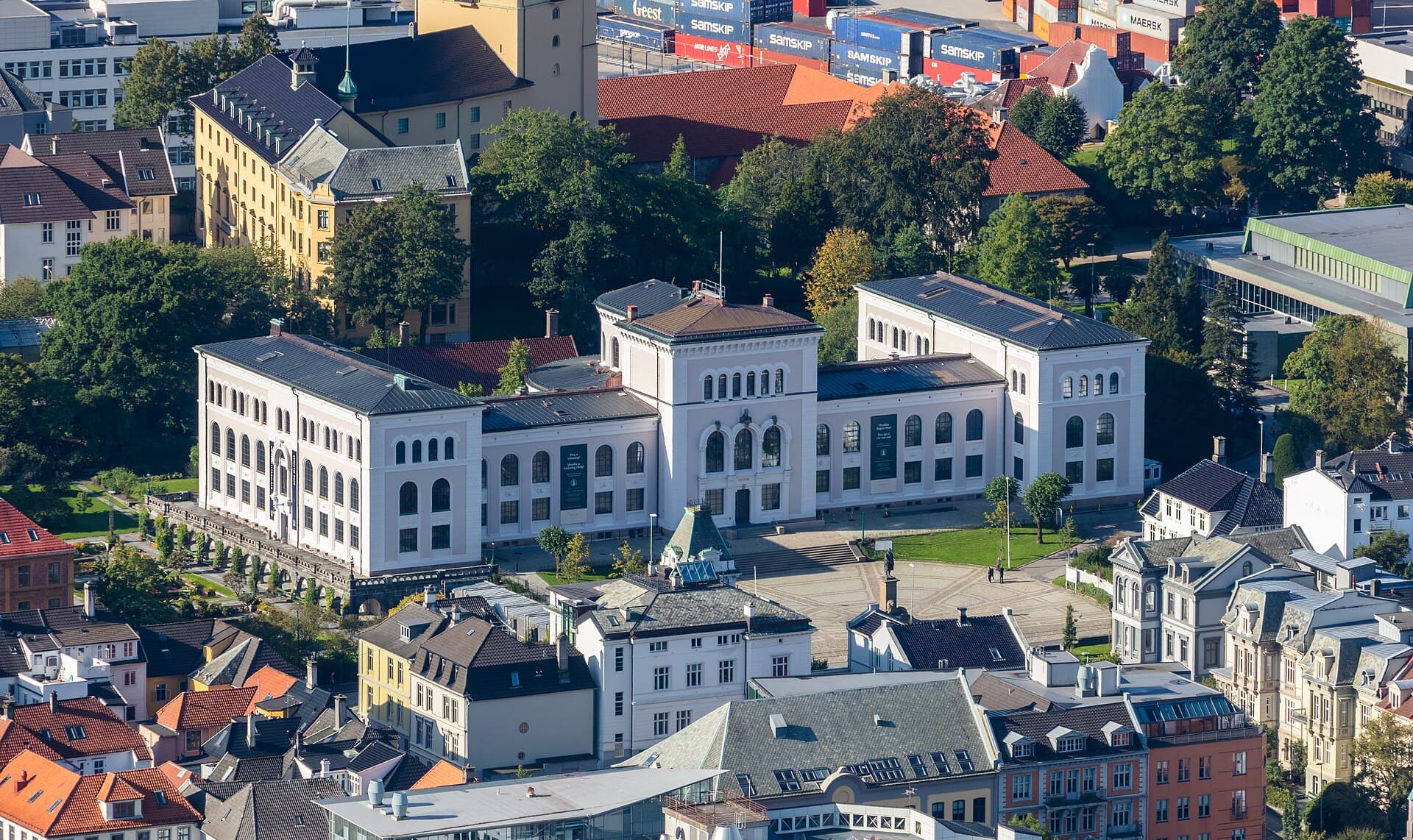 The University Museum of BergenThe University Museum of Bergen is an institution of 1825 — older than the unive5 minutes walk4.6
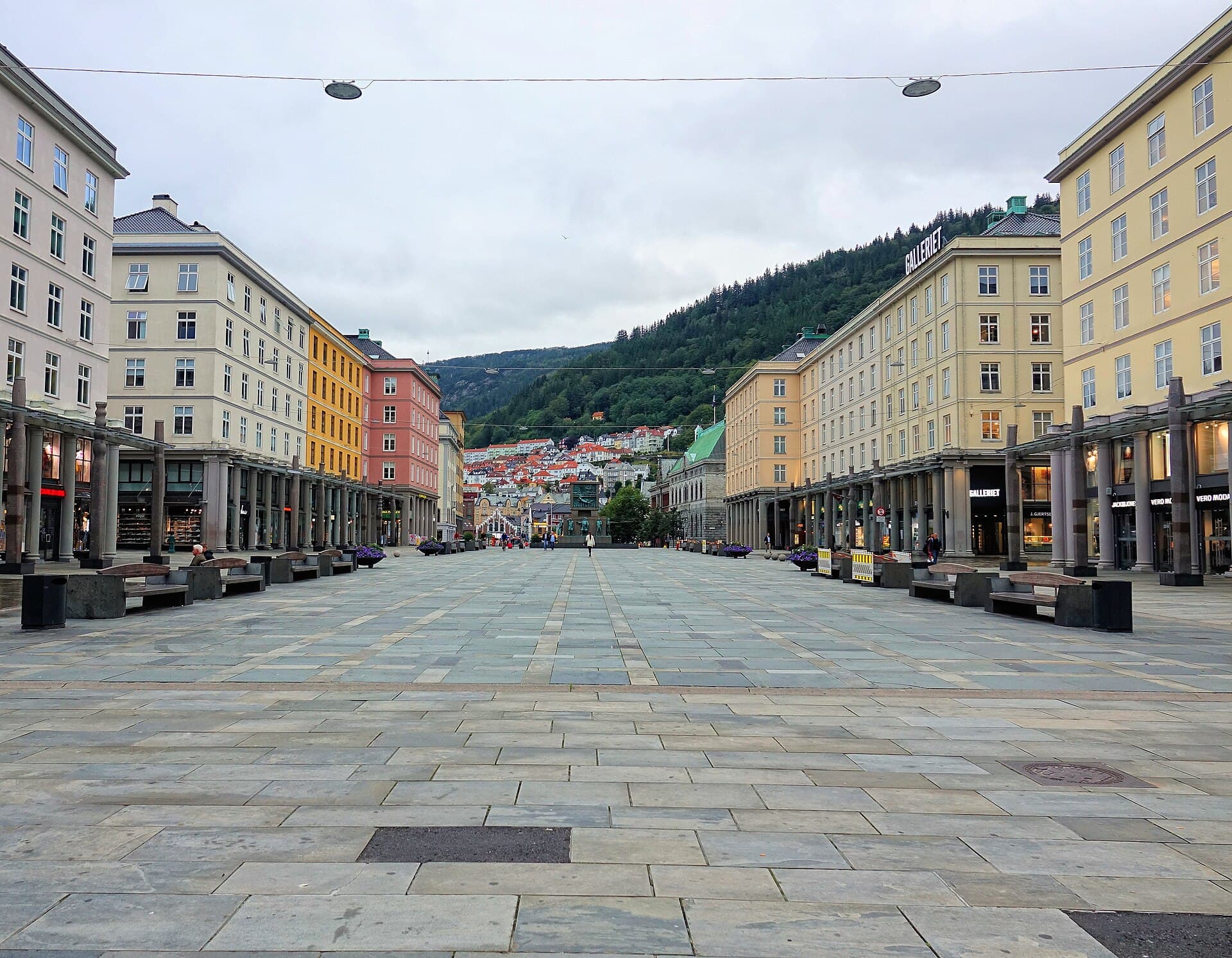 TorgallmenningenTorgallmenningen is Bergen's largest square and its commercial heart: a broad ca5 minutes walk4.1
 Seamen's MonumentA bronze monument on Torgallmenningen square in central Bergen, raised in 1950 i6 minutes walk4.6
Rasmus Meyer, a wealthy Bergen merchant, knew Munch personally and bought directly across decades of friendship and mutual trust — not as a professional art dealer but a friend believing in his talent before world fame. He willed his complete collection to his city Bergen (not Oslo) as local gratitude — making it the world's second city for understanding Munch after his capital.