
The old presentation
Wooden cases and a 19th-century arrangement kept deliberately.
Diego Delso — CC BY-SA 4.0 · Odd Roar Aalborg — CC BY-SA 4.0 · Odd Roar Aalborg — CC BY-SA 4.0 · trolvag — CC BY-SA 3.0
The University Museum of Bergen is an institution of 1825 — older than the university itself, which in fact grew out of it. It occupies a large neoclassical building on a hill overlooking the city, reopened after a full restoration lasting years. The natural history side is the stronger: zoological, geological and fossil collections in halls whose old-fashioned presentation was deliberately preserved — wooden cases, glass and a nineteenth-century arrangement. Its best-known feature is the whale hall with complete suspended skeletons, among the finest marine skeleton collections in northern Europe. Beside it is a cultural history department with material from the Viking age, medieval churches and the life of western Norway, along with collections brought back from Norwegian expeditions to the poles, Africa and Asia. Outside the building is a free university botanical garden with mature trees and a view over Bergen.
Wooden cases and a 19th-century arrangement kept deliberately.
Free, outside the building, overlooking the city.
Muséplassen 3, 5007 Bergen
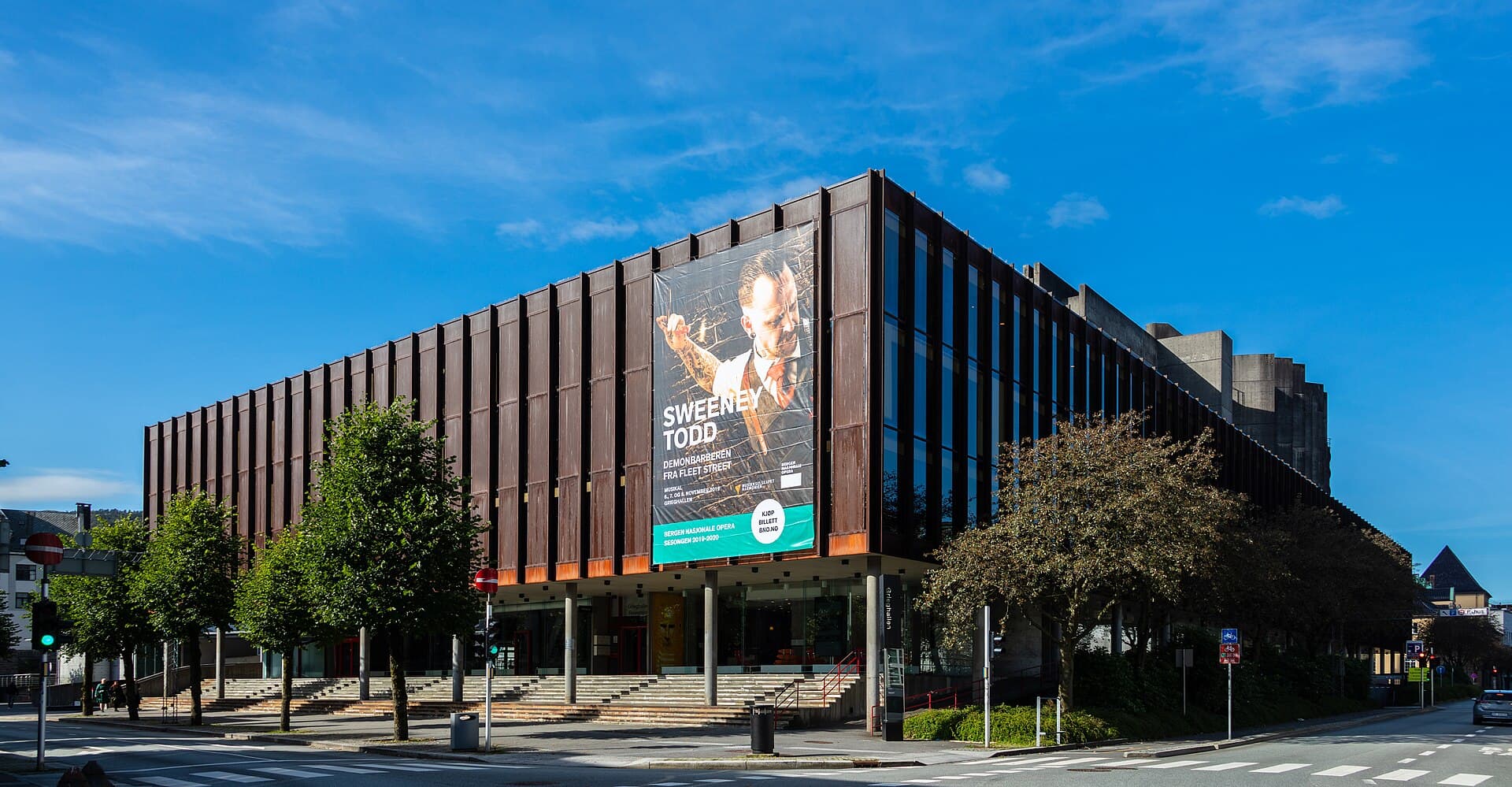 GrieghallenGrieghallen is Bergen's principal concert hall, opened in 1978 and named after E5 minutes walk4.7
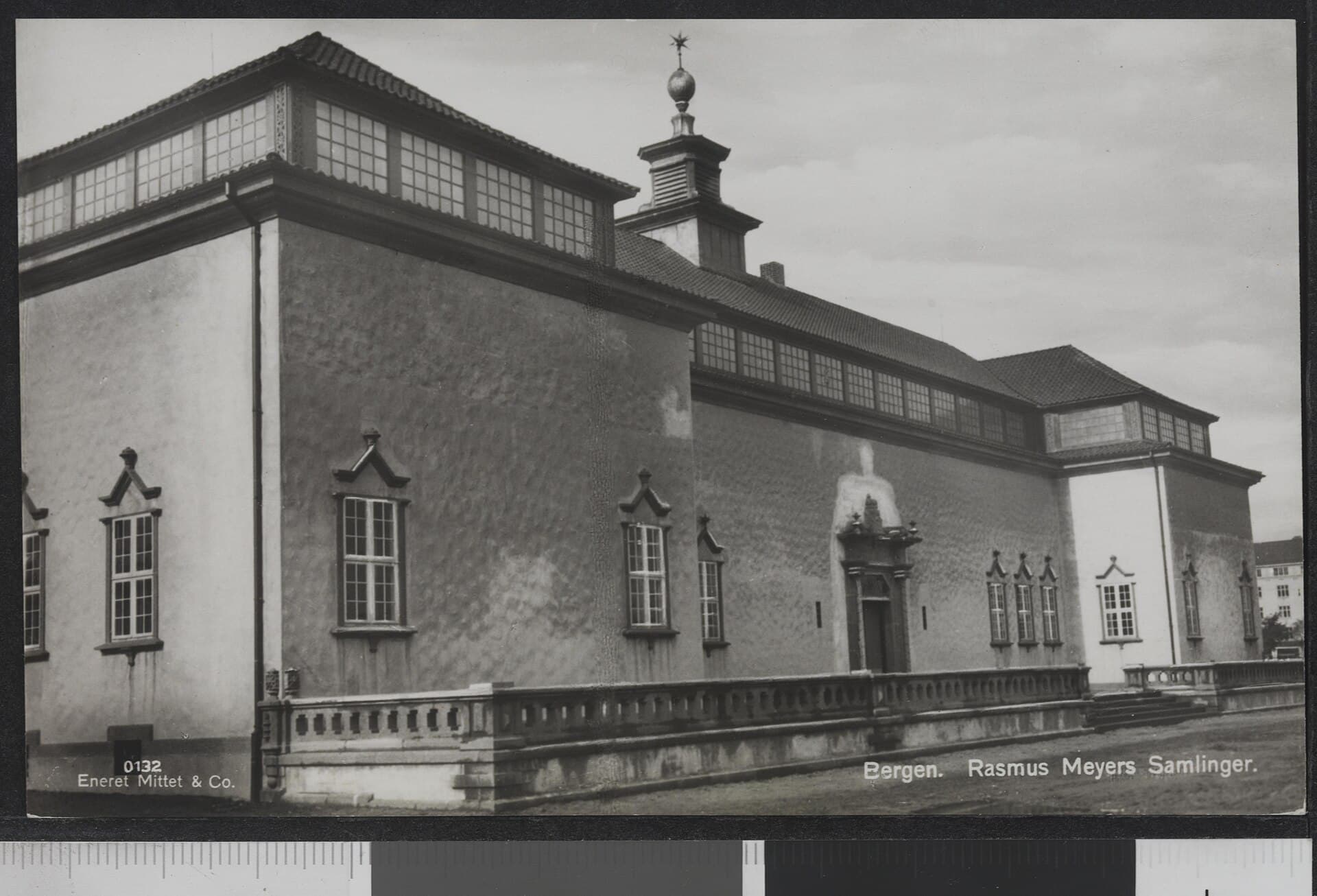 KODE — the Four Art MuseumsKODE is Scandinavia's largest visual-art collection outside the three capitals: 5 minutes walk4.3
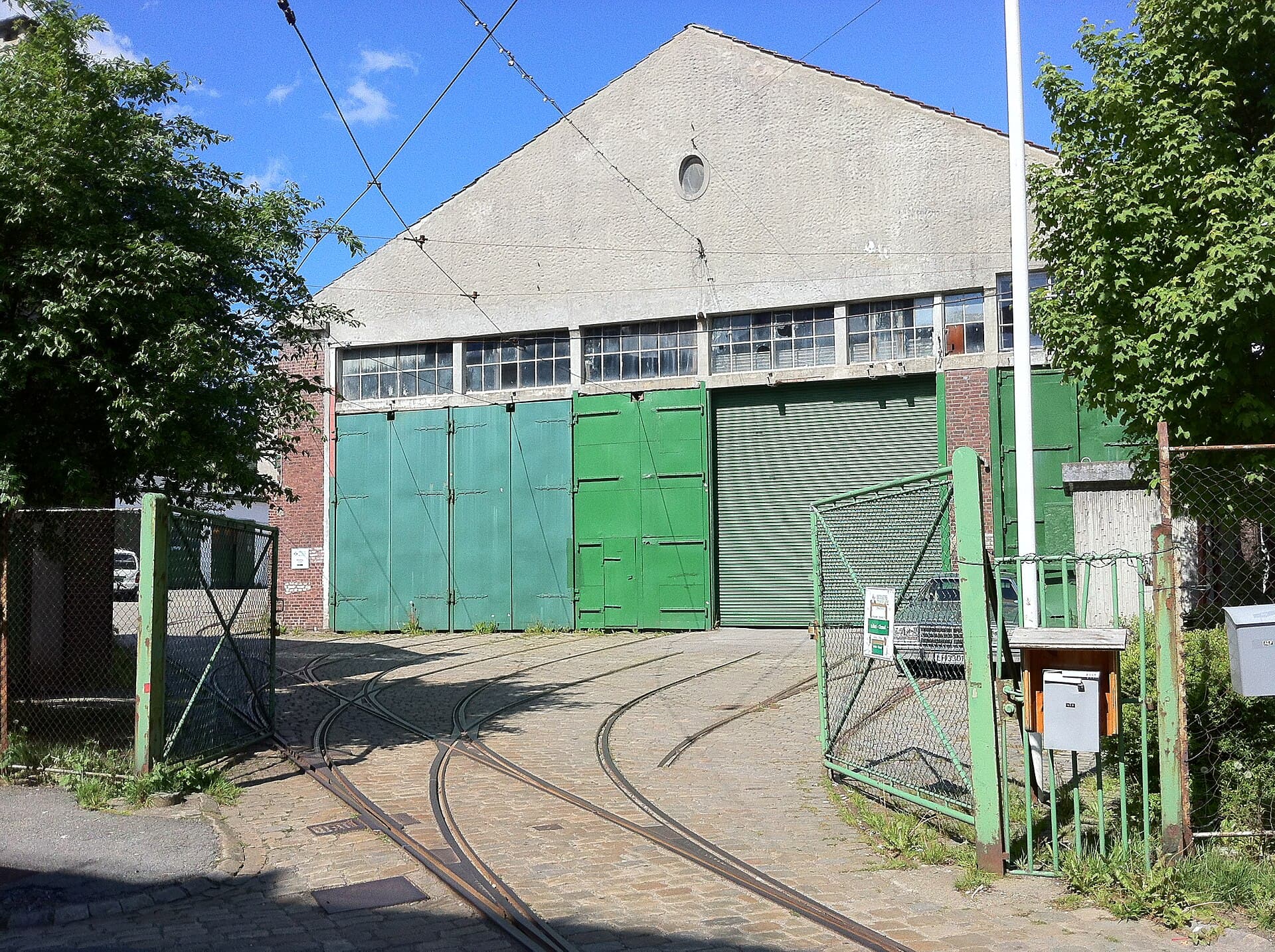 The Bergen Technical MuseumThe Bergen Technical Museum occupies a former tram depot south of the city centr5 minutes walk4.5
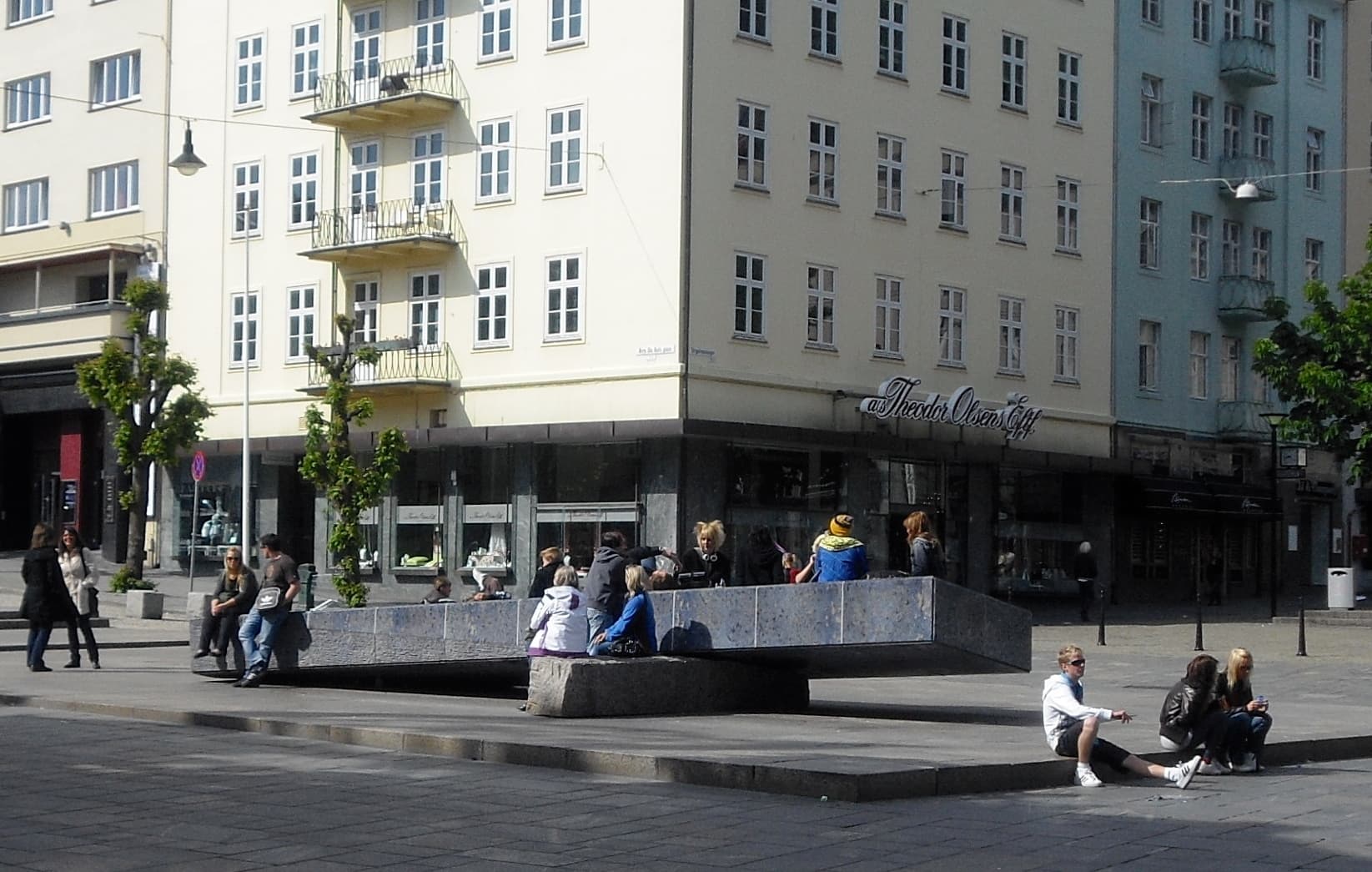 The Blue StoneThe Blue Stone is a long tilted slab lying across Ole Bulls plass, sculpted by A6 minutes walk4.5
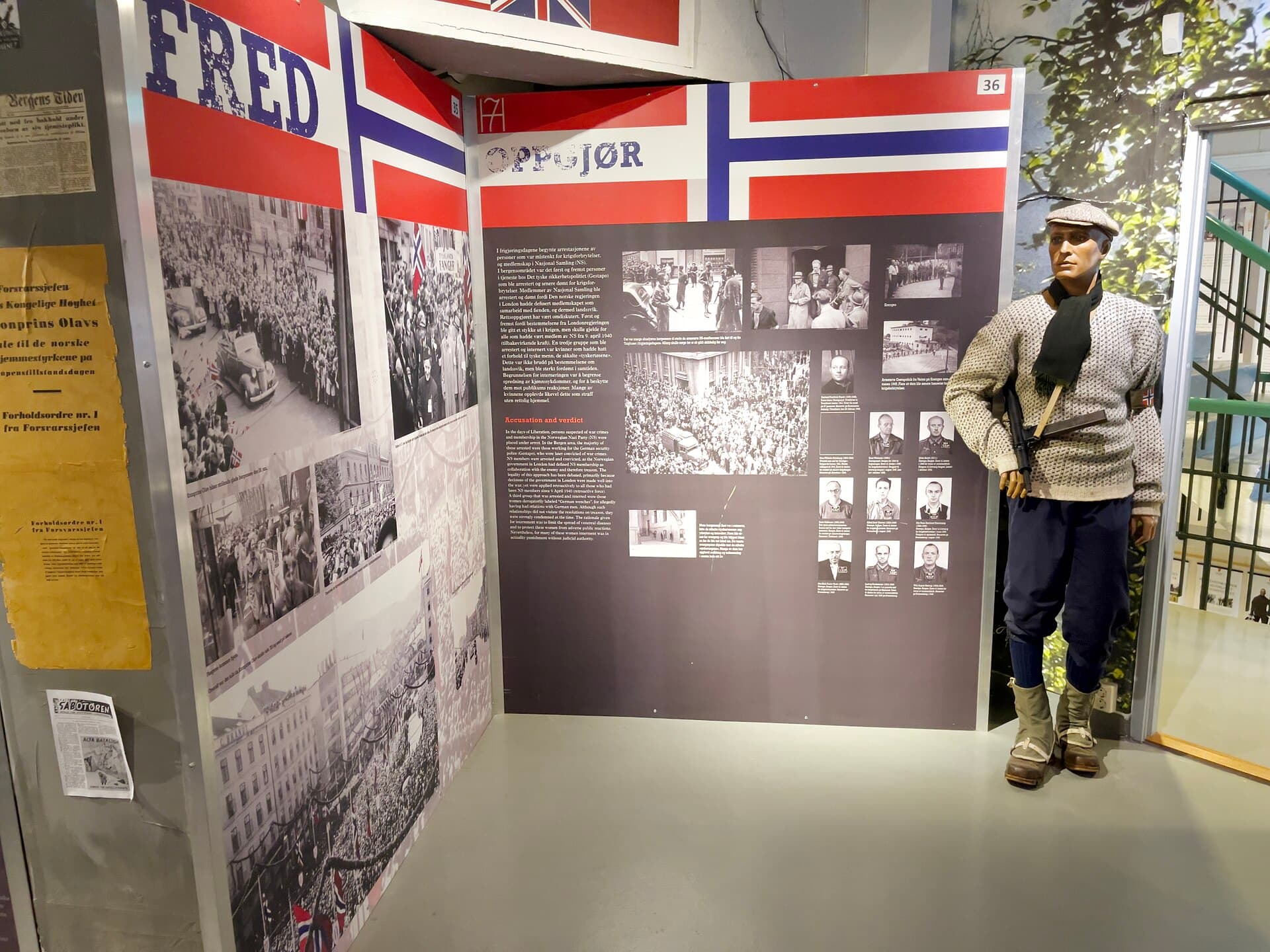 The Gestapo Museum, BergenIn the basement of an ordinary building on Veiten, two minutes from Torgallmenni7 minutes walk4.4
KODE first — four adjacent buildings holding the largest Edvard Munch collection outside Oslo along with Norwegian and European art, needing half a day. Then the University Museum for natural and cultural history. Then Bryggen and its archaeological museum to understand the Hanseatic quarter. Old Bergen is an open-air museum of relocated wooden houses if the weather is good. Three of those fill a two-day visit.