
The diamond roof
Glinting green and gold — Alsace's second roof after the collegiate's.
stefano Merli from legnano, italy — CC BY-SA 2.0 · BelPatty86 — CC BY-SA 4.0 · BelPatty86 — CC BY-SA 4.0 · BelPatty86 — CC BY-SA 4.0
The Koïfhus is Colmar's oldest public building (1480) and its old economic heart: in the ground hall the trading town's goods were weighed, sealed and taxed, and upstairs met the deputies of the Décapole — the league of ten free Alsatian cities, a miniature parliament of a vanished imperial world. Its diamond-tiled roof of green and gold is Alsace's roofing masterpiece beside the collegiate church's, and its façade with double stair and city crests tells the merchants' pride — the building alive today as an events and exhibitions hall flying flags at its door. It stands where the town's two great streets meet, on the Old Customs square with the Schwendi fountain — a lovely ten-minute crossing point between town heart and Little Venice, completed by a sit at the square's cafés.
Glinting green and gold — Alsace's second roof after the collegiate's.
Meeting hall of the free cities' league — merchant sovereignty of a lost world.
Bartholdi's bronze of the Tokay vine's bringer — on its square.
29 Grand'Rue, 68000 Colmar
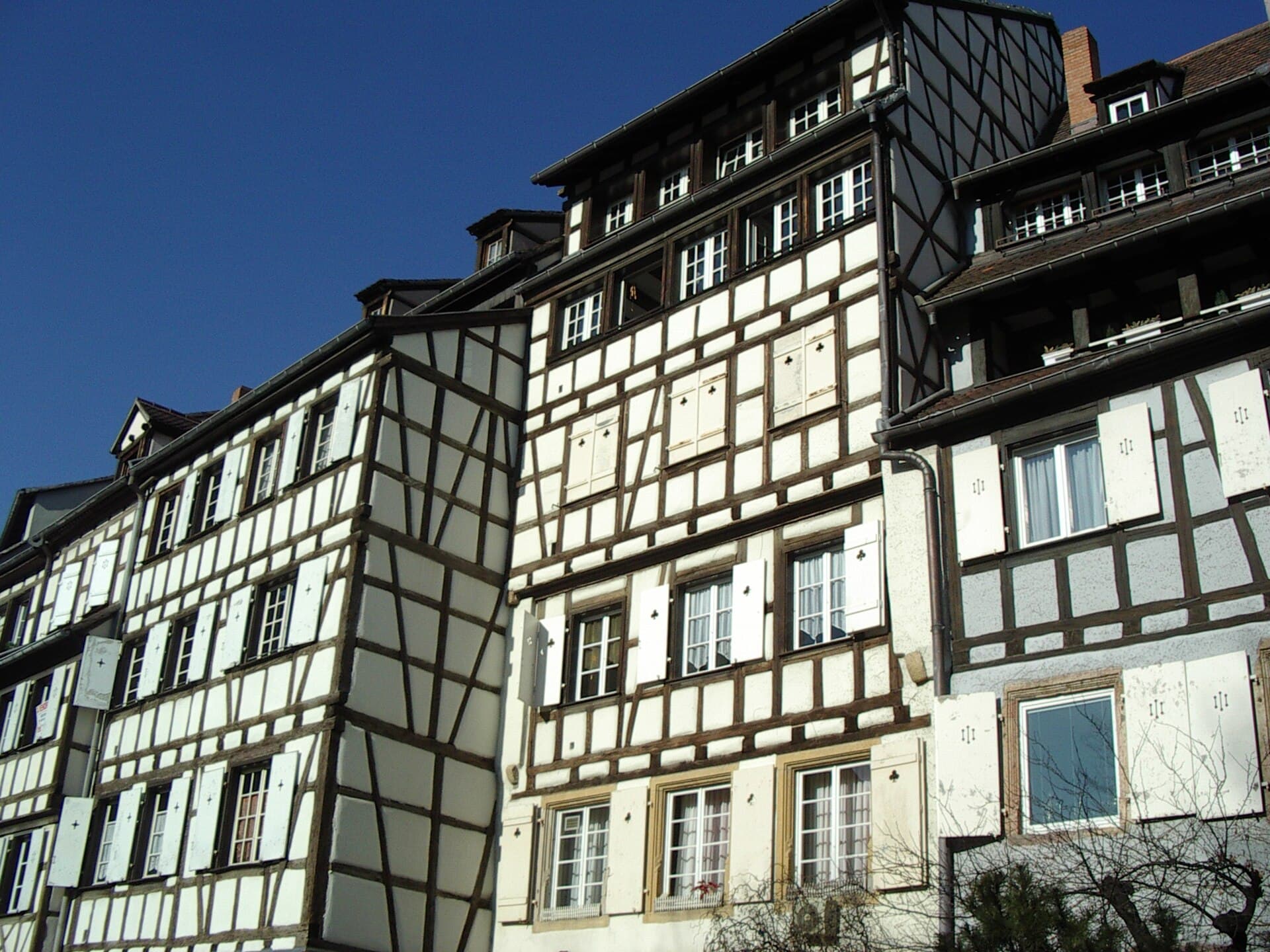 The Tanners' QuarterA street of timber houses that are **strikingly tall, narrow and long** in the m1 minute walk4.9
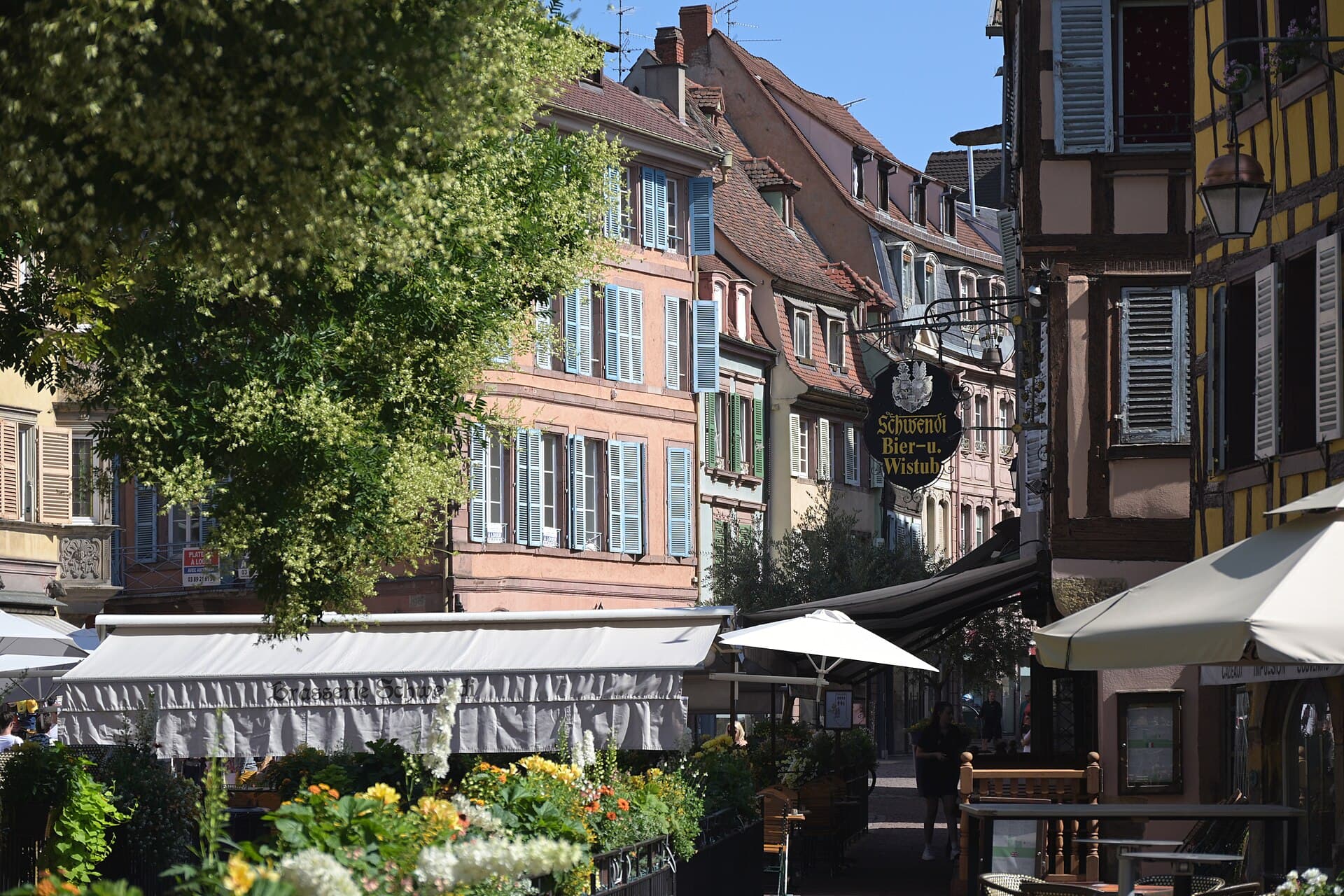 Place de l'Ancienne DouaneThe central square of old Colmar, turning on the **Koïfhus** — the old customs h1 minute walk4.9
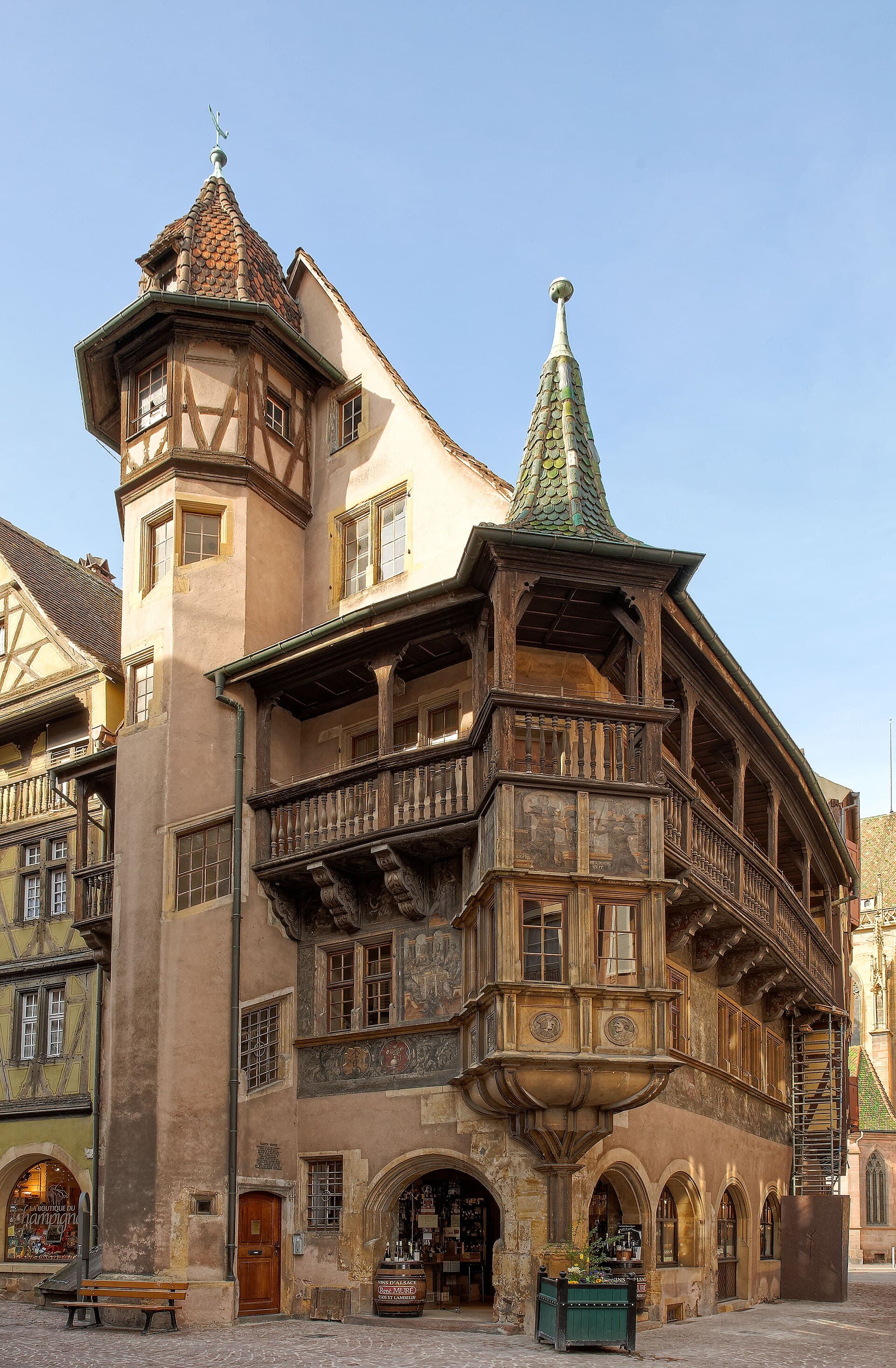 Maison PfisterThe Pfister house is Alsace's most famous house outright: built by a rich hatter1 minute walk4.8
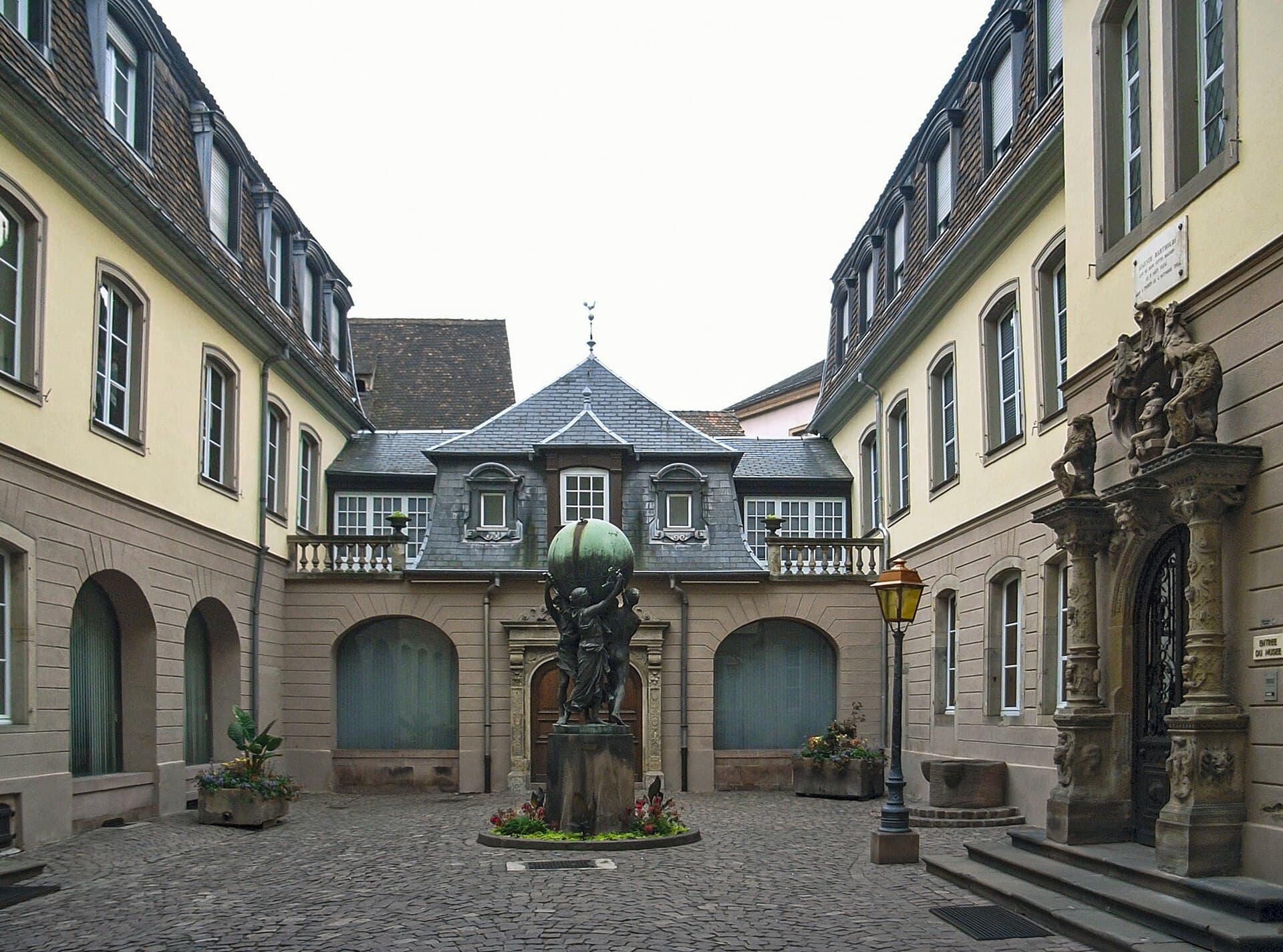 Bartholdi MuseumIn an old family house on the merchants' street, Frédéric Auguste Bartholdi was 2 minutes walk4.5
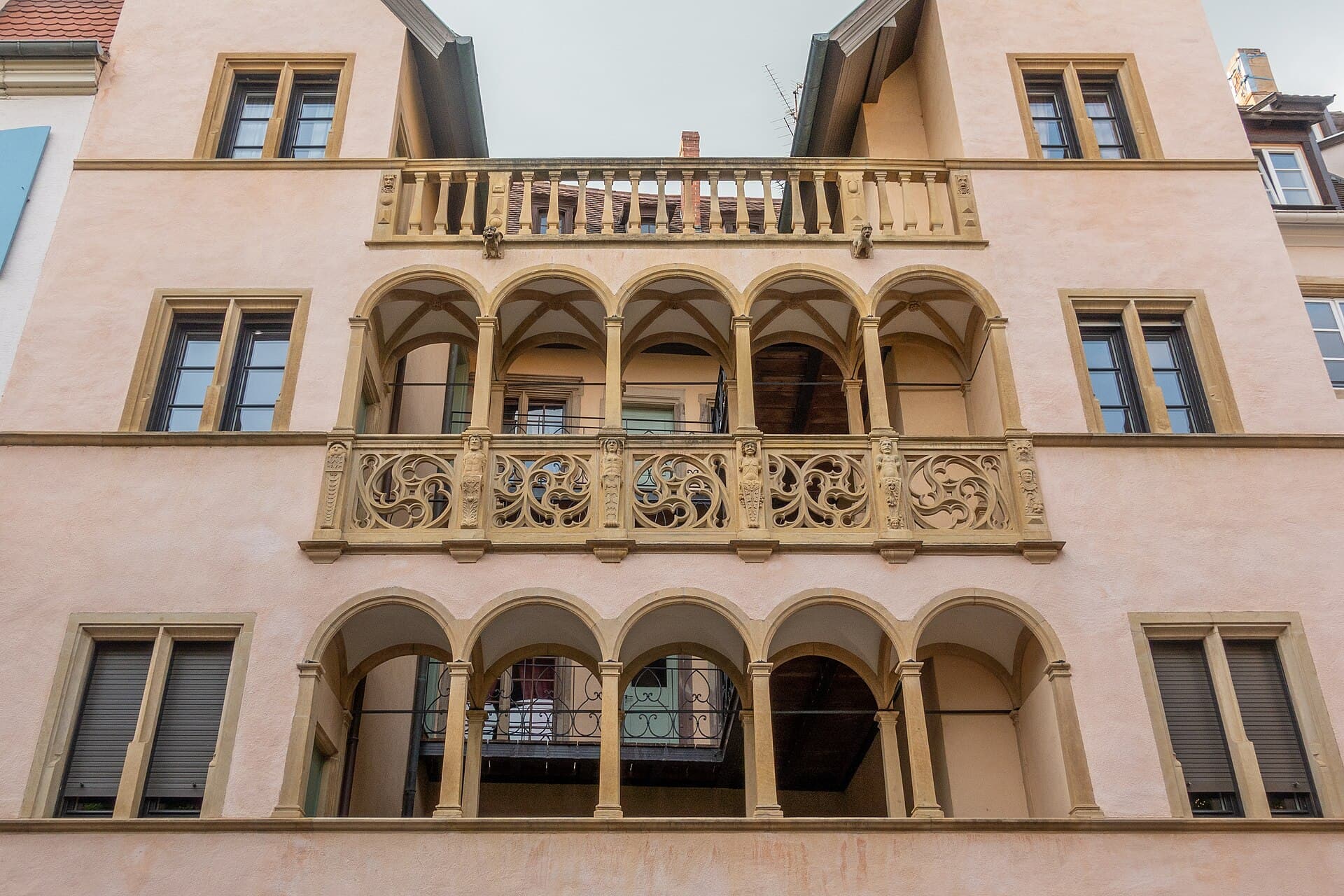 House of the Knights of Saint JohnA Renaissance house built in **1608** in old Colmar, with one of the strangest f2 minutes walk4.2
A 1354 alliance of ten free imperial Alsatian towns — Colmar included — for mutual defence and coordination directly under the Empire, no princes between. It lasted three centuries until Louis XIV absorbed Alsace — the Koïfhus serving as its rotating parliament hall.
Do not plan on it — the interiors are bare fine-ceilinged halls that gain meaning with occasions (craft fairs, wine markets, concerts). Door open in passing, take five minutes; otherwise exterior and square were the jewel anyway.
Lazarus von Schwendi: a sixteenth-century imperial commander legend credits with bringing the Tokay vine from Hungarian campaigns to Alsace — immortalised by Bartholdi (Colmar's son again) raising the cutting. Historically shaky, and Alsatian 'Tokay Pinot Gris' bore the name centuries until Hungary sued it away — a whole saga in one fountain.