
The half-timbered houses
Leaning painted frames that survived because the city was poor.
RhinoMind — CC BY-SA 3.0 · Villy Fink Isaksen — CC BY-SA 3.0 · Villy Fink Isaksen — CC BY-SA 3.0 · Alf van Beem — CC0
The oldest part of Aarhus, and too small to be called a quarter: a web of narrow cobbled lanes north of the cathedral, all of it walkable in twenty minutes. The name has nothing to do with Latin or Latin America — it was borrowed from the Latin Quarter of Paris in the 1970s to market the area, and it stuck. The houses are eighteenth and nineteenth century, many of them slightly leaning **half-timbered** buildings painted yellow, red and blue. They were never demolished because Aarhus was poor in the twentieth century and had no money to modernise them — the reason many historic centres survive. The shops today are small and almost all independent: second-hand books, crafts, local clothing, a coffee roastery, and small cafés that put their chairs out on the pavement in summer. The best thing to do here is to have nothing to do: walk without a plan and turn into the side lanes. Note: **it is also residential** — evenings are quiet and the shops close early.
Leaning painted frames that survived because the city was poor.
Second-hand books, crafts and a coffee roastery, almost no chains.
The narrowest and most photographed passages, behind the main street.
Around Volden and Graven streets, Aarhus
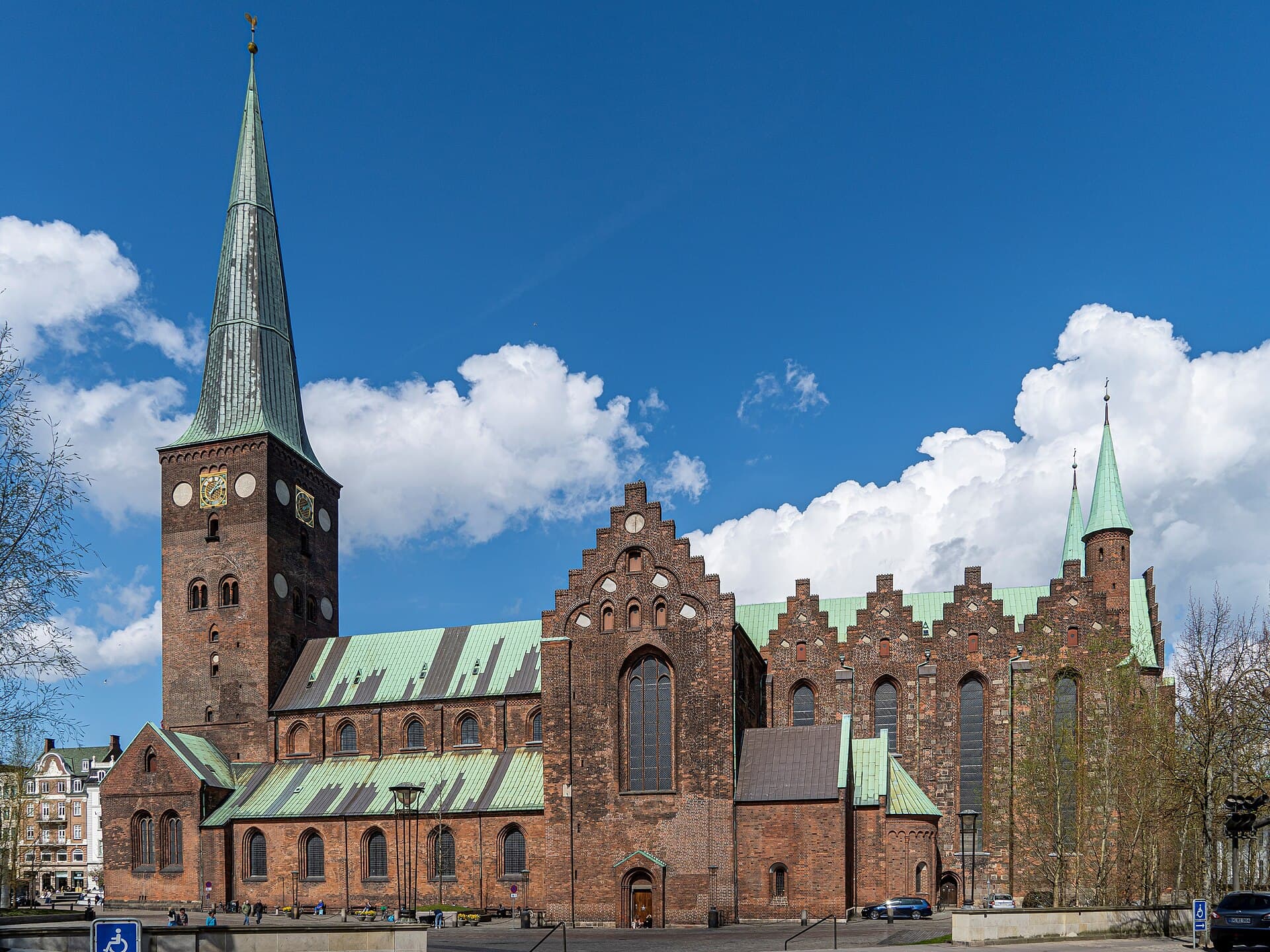 Aarhus CathedralAarhus Cathedral is Denmark's longest church (93 metres) and its tallest tower (2 minutes walk4.4
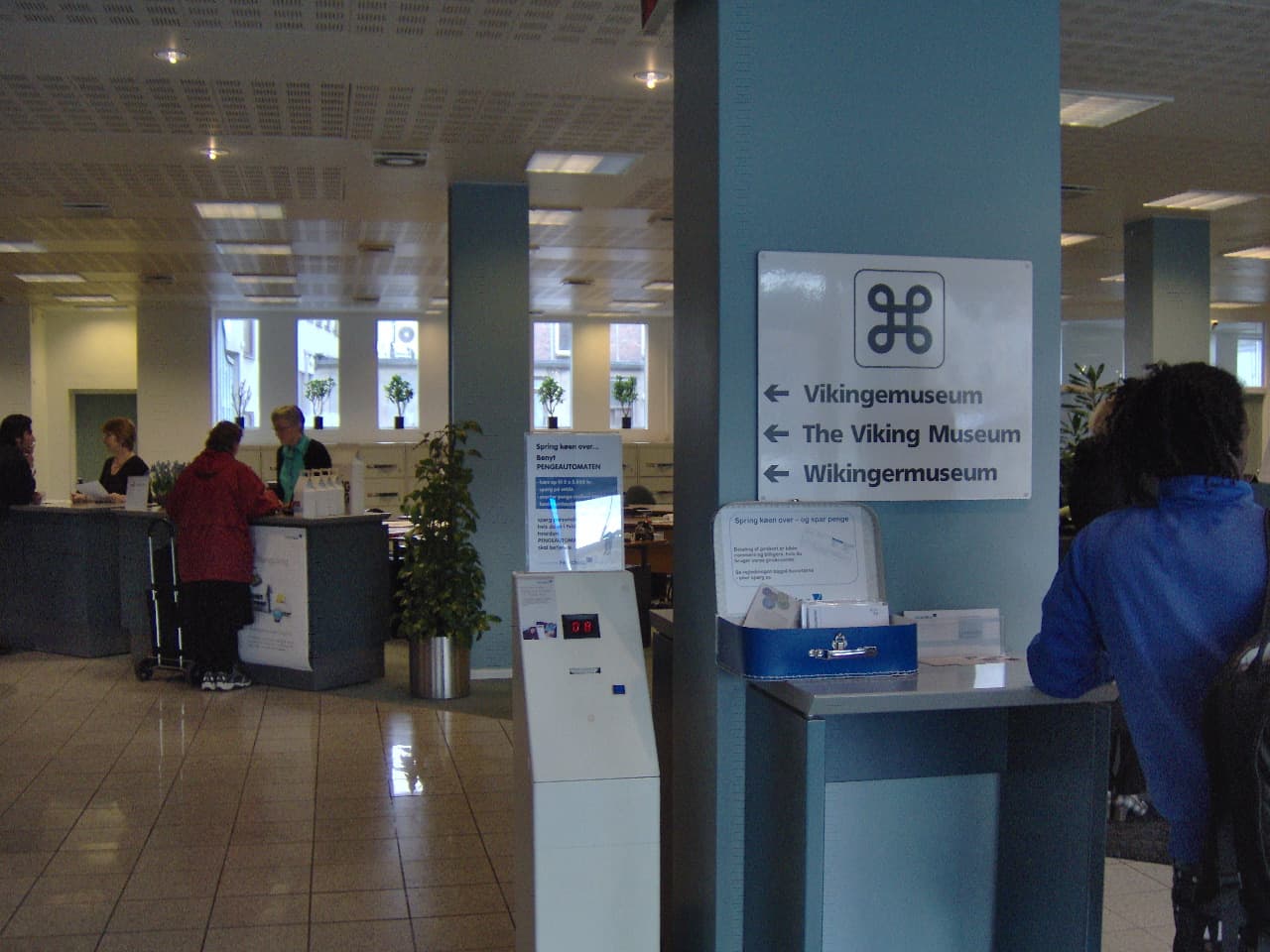 The Viking MuseumThe strangest-sited museum in Denmark: it is in the **basement of a working bank3 minutes walk3.7
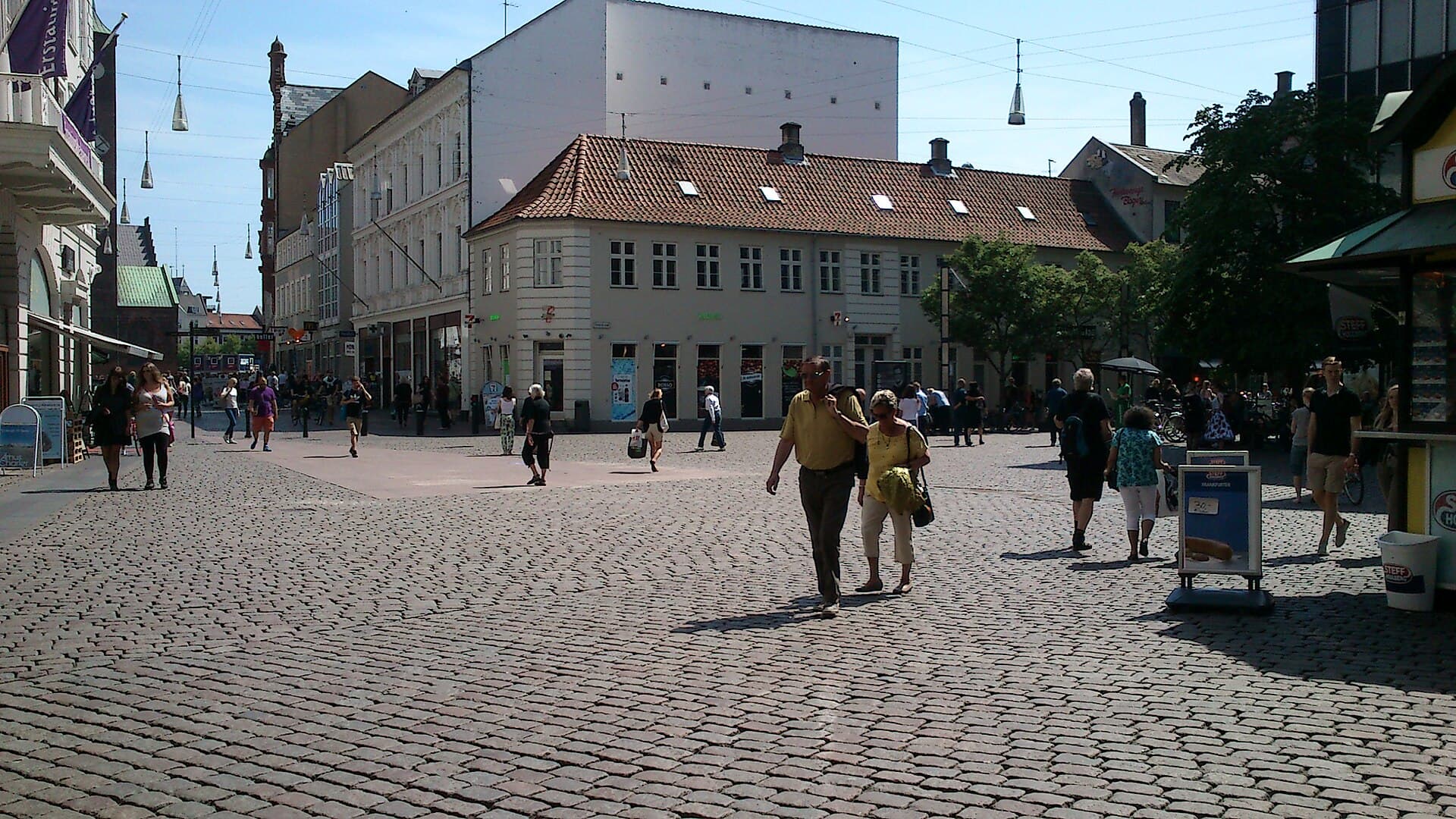 Lille TorvA small square in the heart of old Aarhus, its name meaning the little square, d4 minutes walk4.4
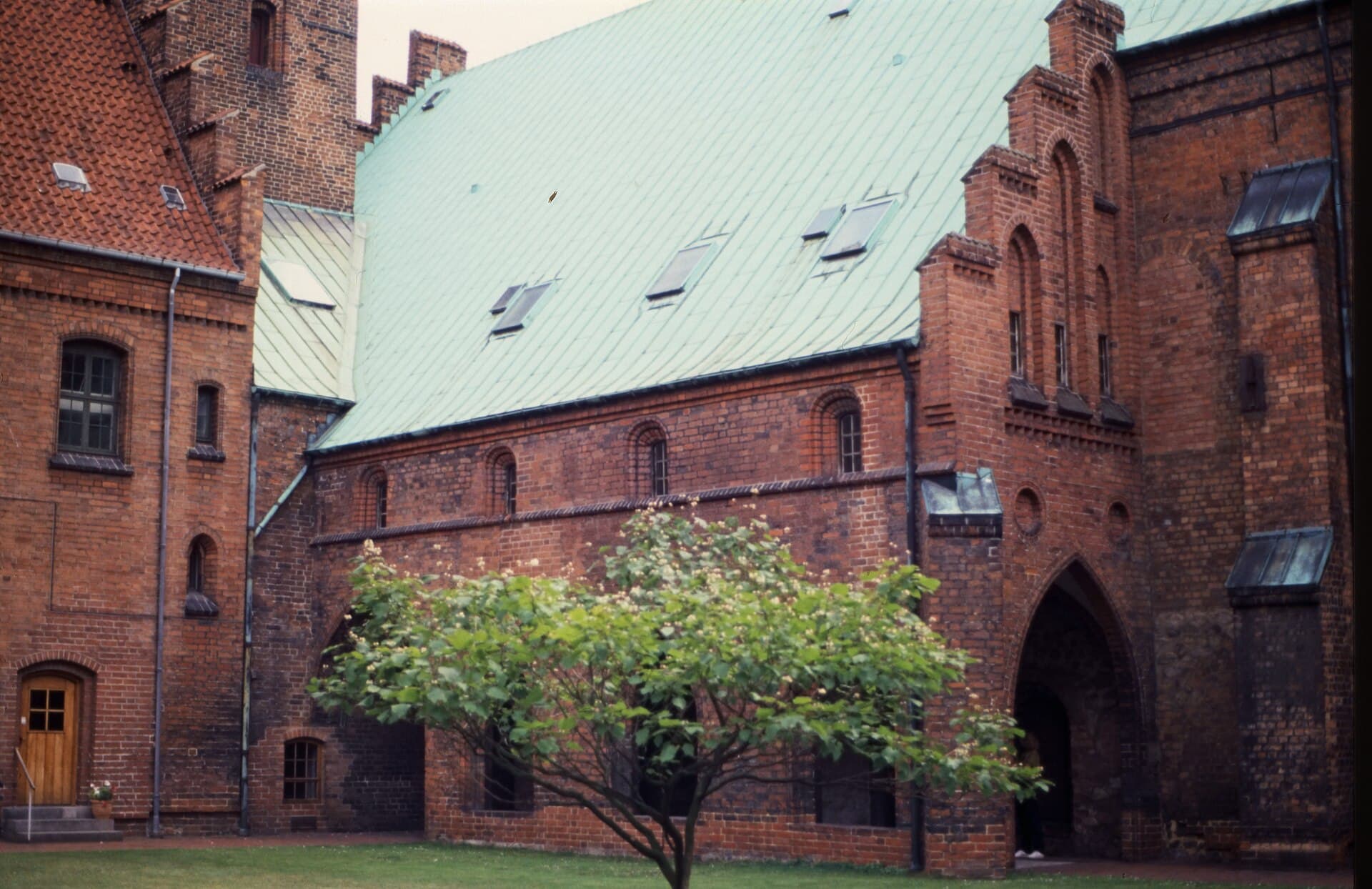 Church of Our Lady, AarhusAn ordinary-looking church from outside, hiding beneath it the oldest standing s6 minutes walk4.6
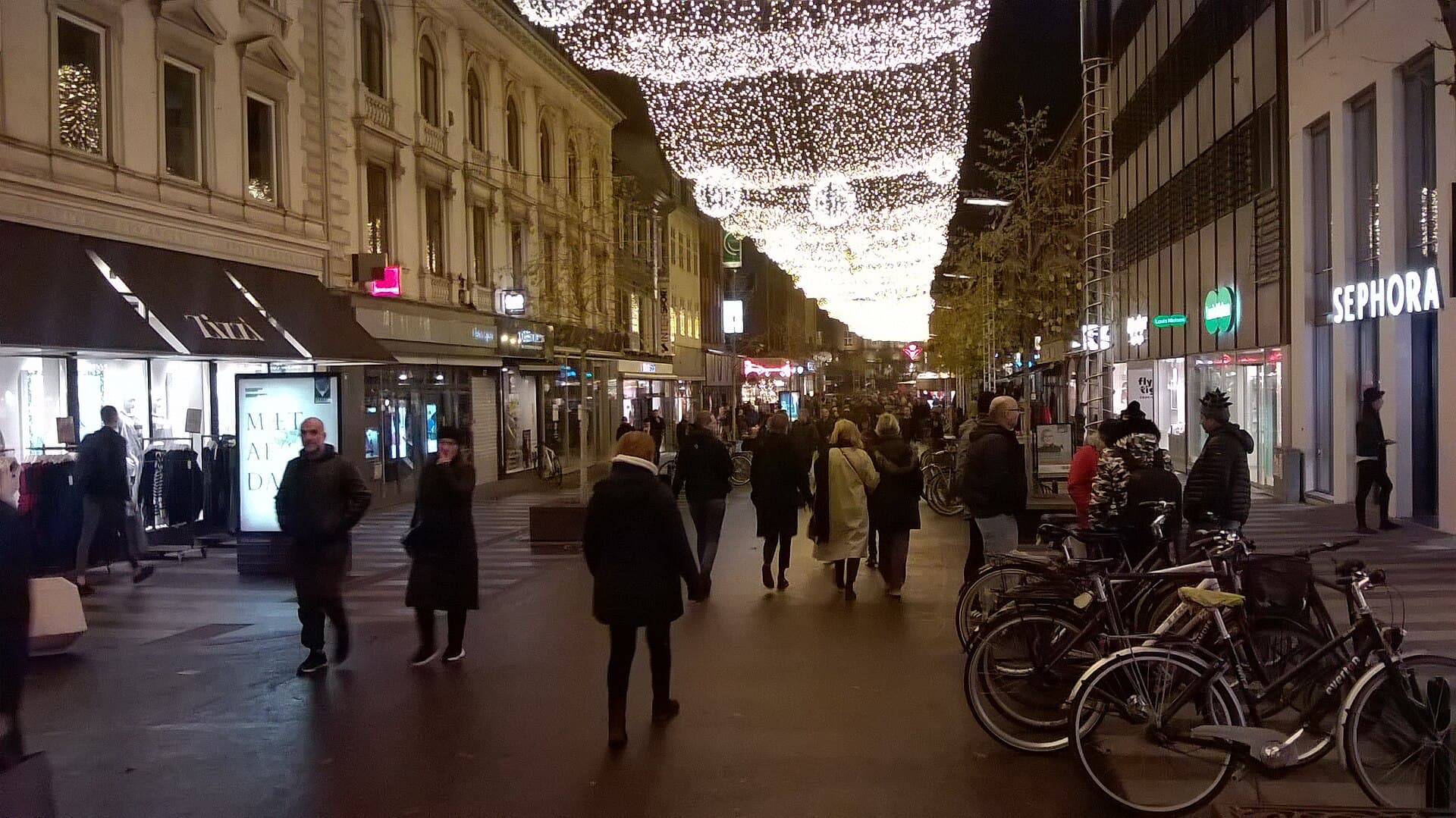 StrøgetThe main pedestrian street in Aarhus, running through the city centre north from7 minutes walk4.3
**Two days** cover the city itself without rushing: the first for the centre — the Latin Quarter, the cathedral, Church of Our Lady and its crypt, the city hall, then **ARoS** and its coloured rooftop walkway. The second for **Den Gamle By** (the open-air old town) in the morning and **Moesgaard** in the afternoon. A **third day** opens the trips out: Jelling, Randers Regnskov or Mols Bjerge. Aarhus is a small city with a compact centre and most sites are within half an hour on foot, so you need no car inside it.