
The city's original core
Aarhus arose here in the Viking age at the river mouth.
A small square in the heart of old Aarhus, its name meaning the little square, distinguishing it from the larger one beside it. This is the city's original core: Aarhus arose in the Viking age at the river mouth, and this area was its trading centre for centuries. Excavations here have uncovered layers going back to the tenth century. What surrounds it today is buildings from different eras, houses with coloured fronts and cafés, with the square itself small, paved and ringed by pedestrian streets. Its practical value is as a branching point: old Aarhus's streets start here, and minutes away are Aarhus Cathedral and the Latin Quarter — the city's oldest district, with its narrow lanes and independent shops. This is not a monument but a place you pass through and stand in for a few minutes. Free and always open. Aarhus is a small city and its whole centre is walkable, so the square is on your route with no detour.
Aarhus arose here in the Viking age at the river mouth.
Excavations in the area have uncovered material from that period.
Aarhus's oldest district with its lanes and independent shops, minutes away.
The old town, Aarhus
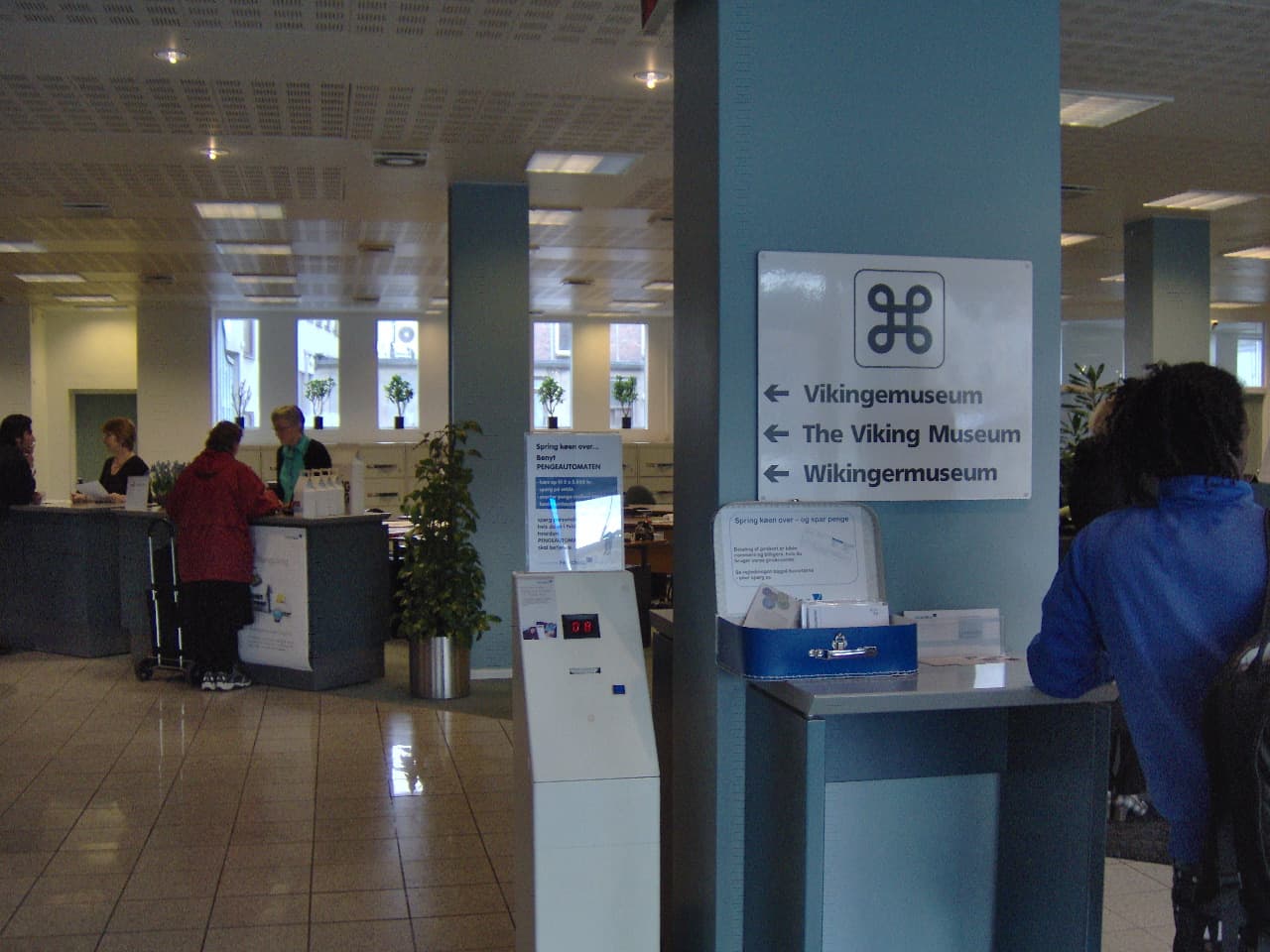 The Viking MuseumThe strangest-sited museum in Denmark: it is in the **basement of a working bank2 minutes walk3.7
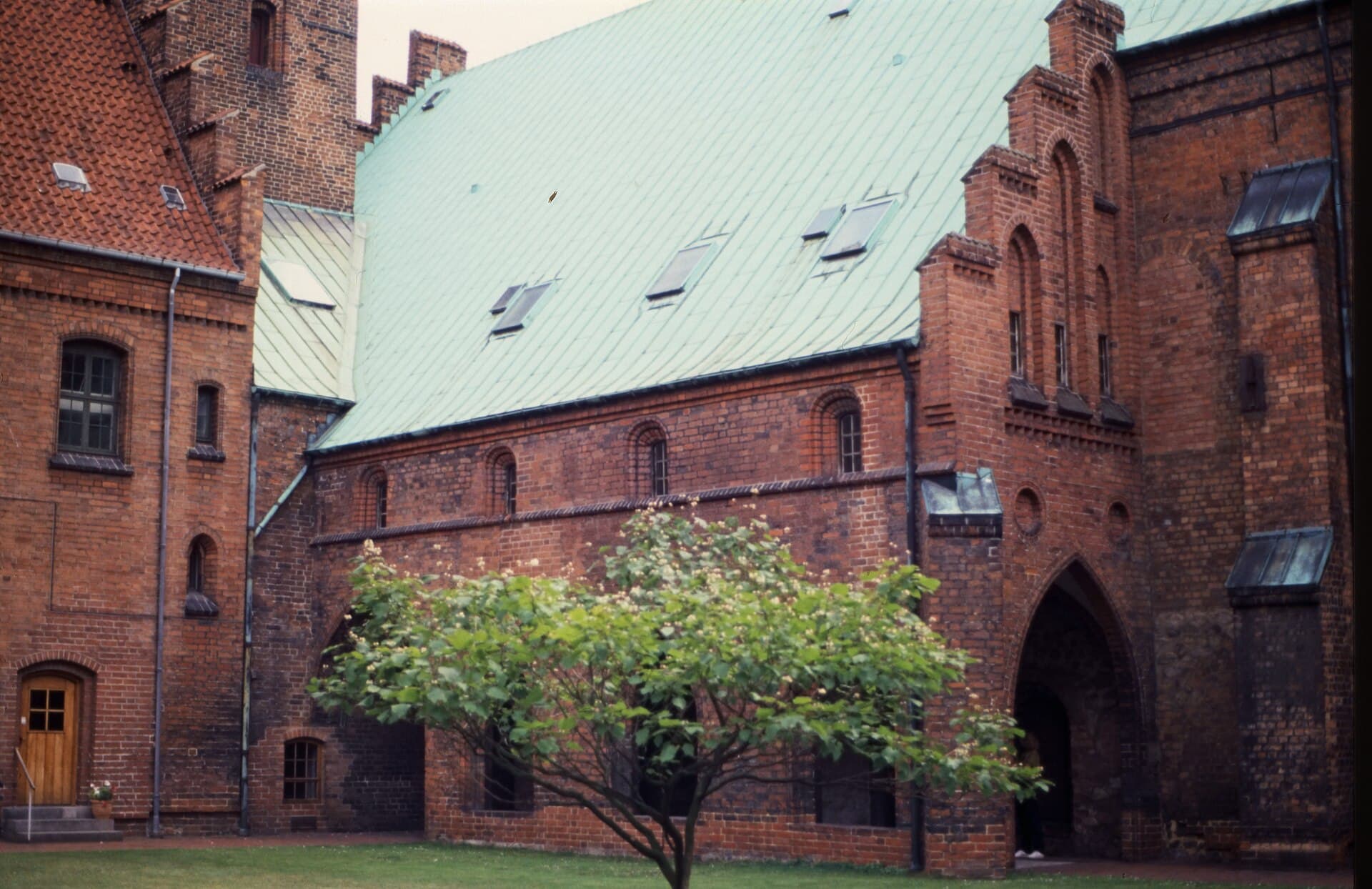 Church of Our Lady, AarhusAn ordinary-looking church from outside, hiding beneath it the oldest standing s2 minutes walk4.6
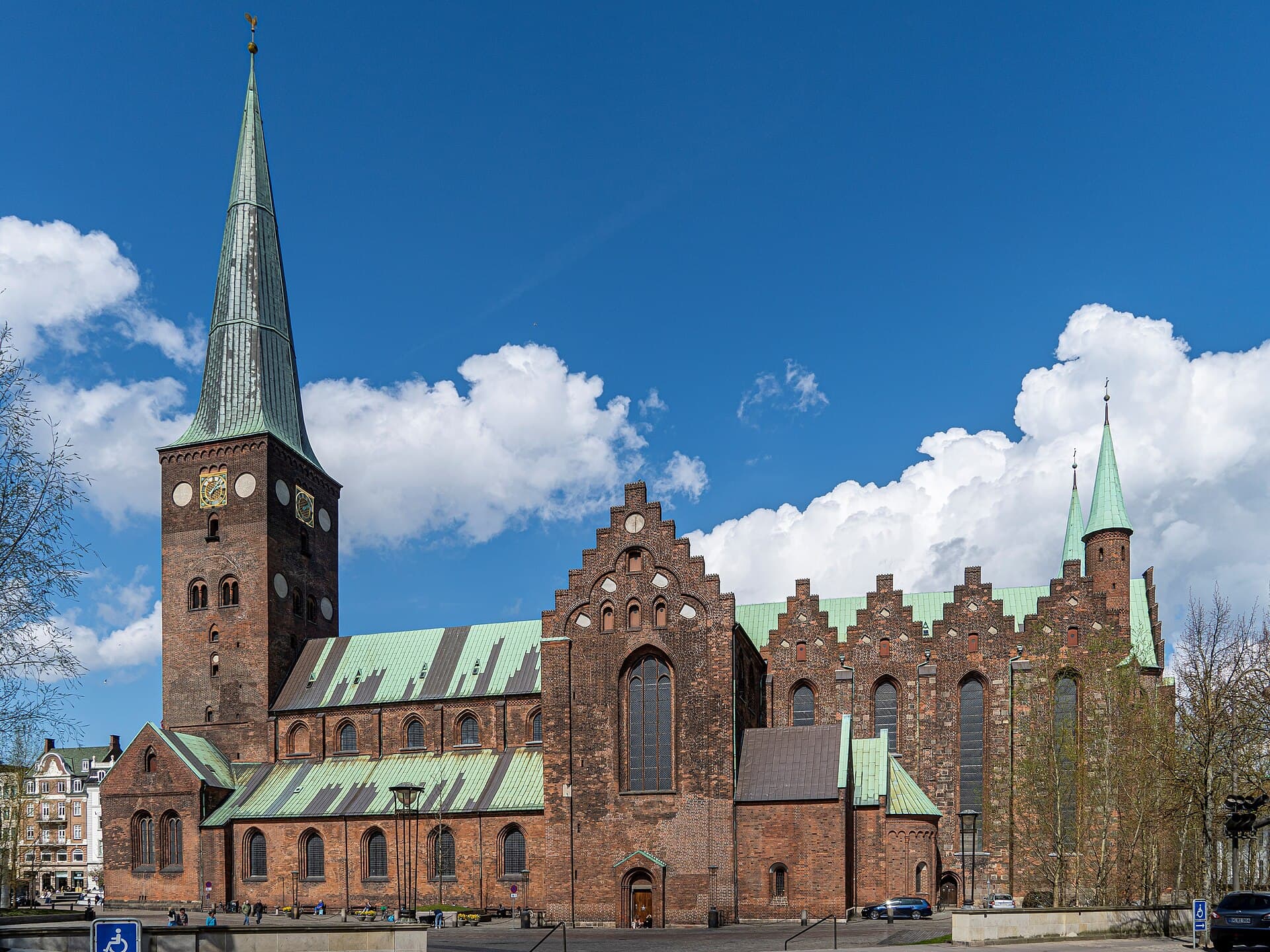 Aarhus CathedralAarhus Cathedral is Denmark's longest church (93 metres) and its tallest tower (3 minutes walk4.4
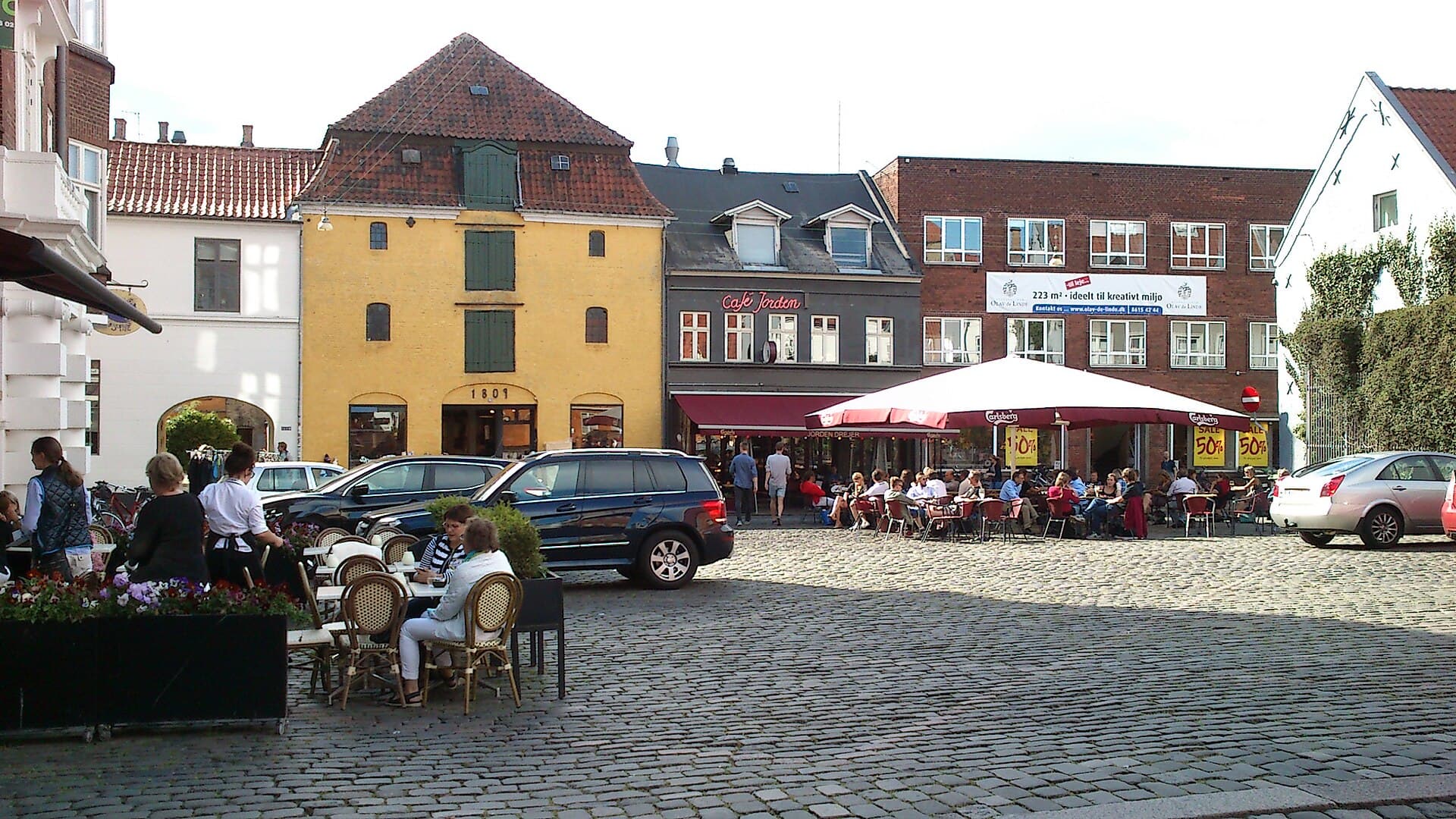 The Latin QuarterThe oldest part of Aarhus, and too small to be called a quarter: a web of narrow4 minutes walk4.6
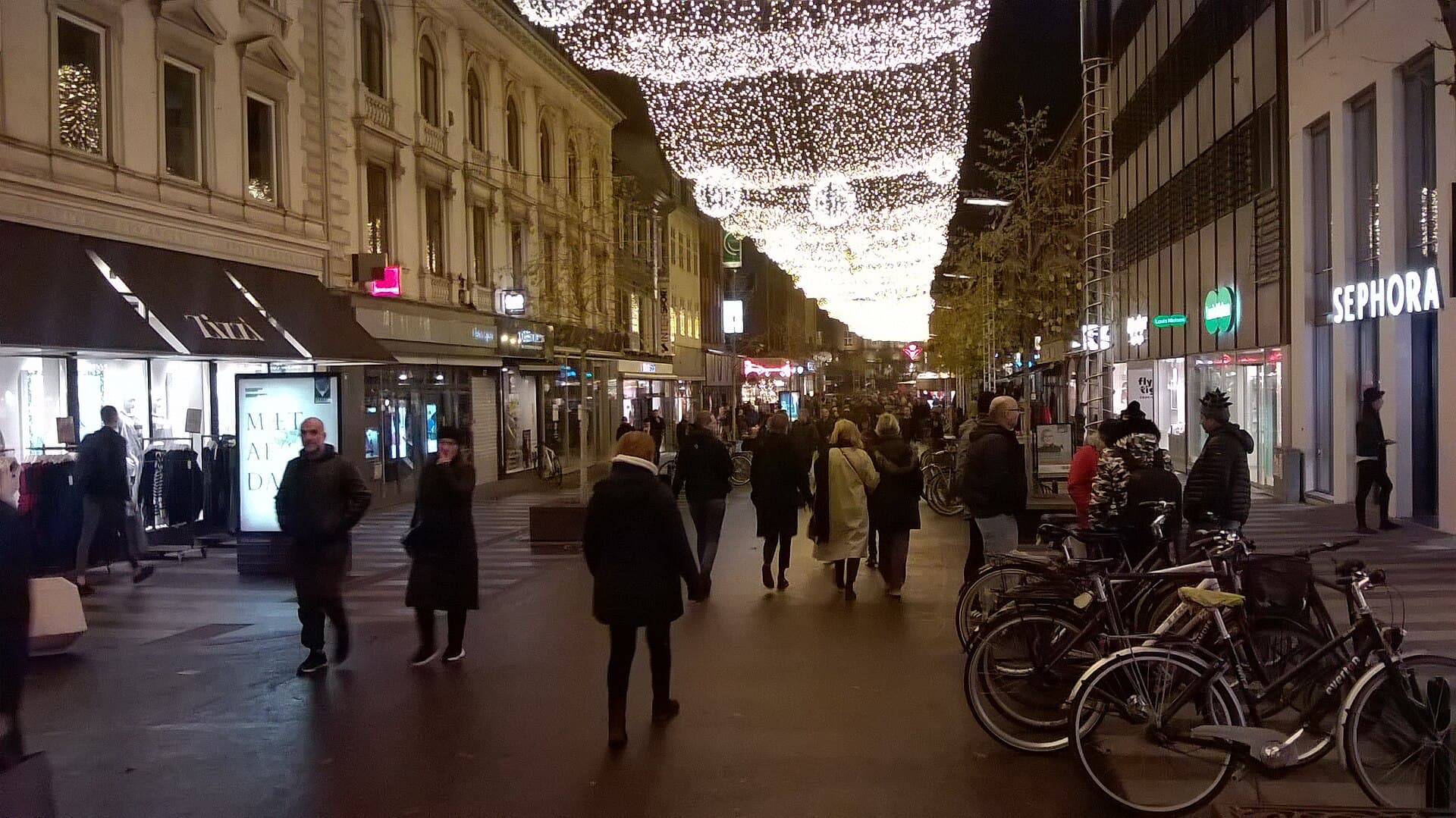 StrøgetThe main pedestrian street in Aarhus, running through the city centre north from5 minutes walk4.3
The ARoS art museum with its coloured circular rooftop walkway — Your Rainbow Panorama — the city's emblem. Then Den Gamle By, the open-air museum rebuilding Danish streets from different eras. Plus the Latin Quarter for walking, and the Moesgaard museum with the bog-preserved Grauballe Man.
Yes, as Denmark's second city after Copenhagen. It is far smaller, easier to walk and cheaper, with first-rate museums you would not expect in a city its size. Two days cover the centre and the main museums, and the train from Copenhagen takes about three hours.