
The rampart section
Tenth-century earthwork shown exactly where it was found.
Charlotte S H Jensen from København, Danmark — CC BY-SA 2.0 · Charlotte S H Jensen from København, Danmark — CC BY-SA 2.0 · Leif Jørgensen — CC BY-SA 4.0 · Gardar Rurak — CC BY-SA 4.0
The strangest-sited museum in Denmark: it is in the **basement of a working bank branch** in central Aarhus, and you go down the same stair the customers use. The reason is that the excavation was found in place. In 1964 foundations were dug for a new bank, and there appeared underground a section of the **Aarhus defensive rampart** of about 934, along with the remains of dwellings and workshops from the Viking town of **Aros** — the origin of the present city. Rather than move the finds it was decided to leave them where they lay and build the bank above them, displaying them behind glass in the basement. So you see a **section of the original earth rampart** as it was found, house foundations, and tools, brooches and pottery. The museum is very small — twenty minutes covers it — but the idea stays with you: this is the **first layer** of Aarhus, and a modern bank sits directly on top of it. Note: **closed at weekends**, because its hours are the bank's hours.
Tenth-century earthwork shown exactly where it was found.
Remains of a dwelling in Aros, the town that became Aarhus.
Small everyday objects from the city's first layer.
Sankt Clemens Torv 6, Aarhus (bank basement)
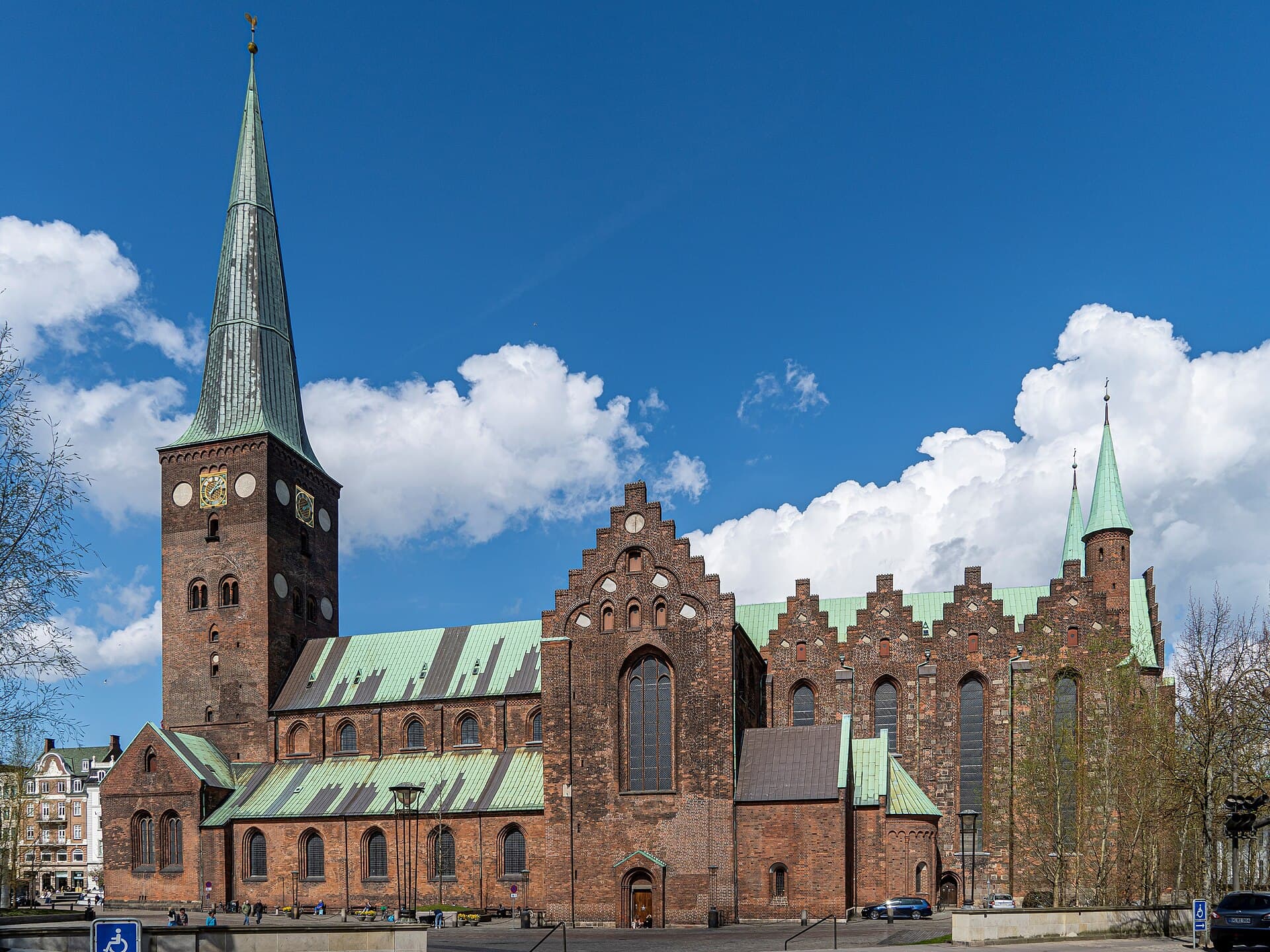 Aarhus CathedralAarhus Cathedral is Denmark's longest church (93 metres) and its tallest tower (1 minute walk4.4
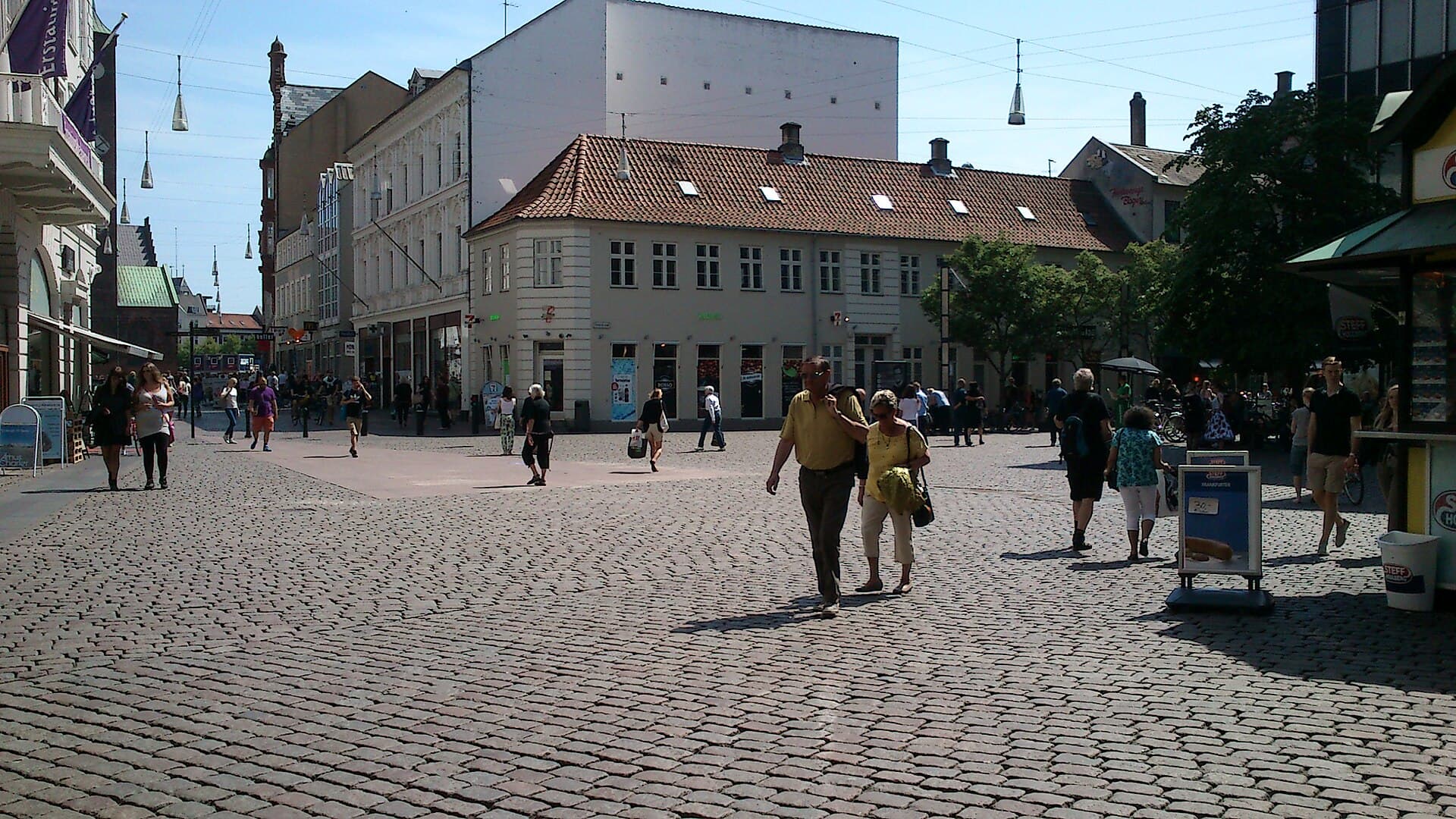 Lille TorvA small square in the heart of old Aarhus, its name meaning the little square, d2 minutes walk4.4
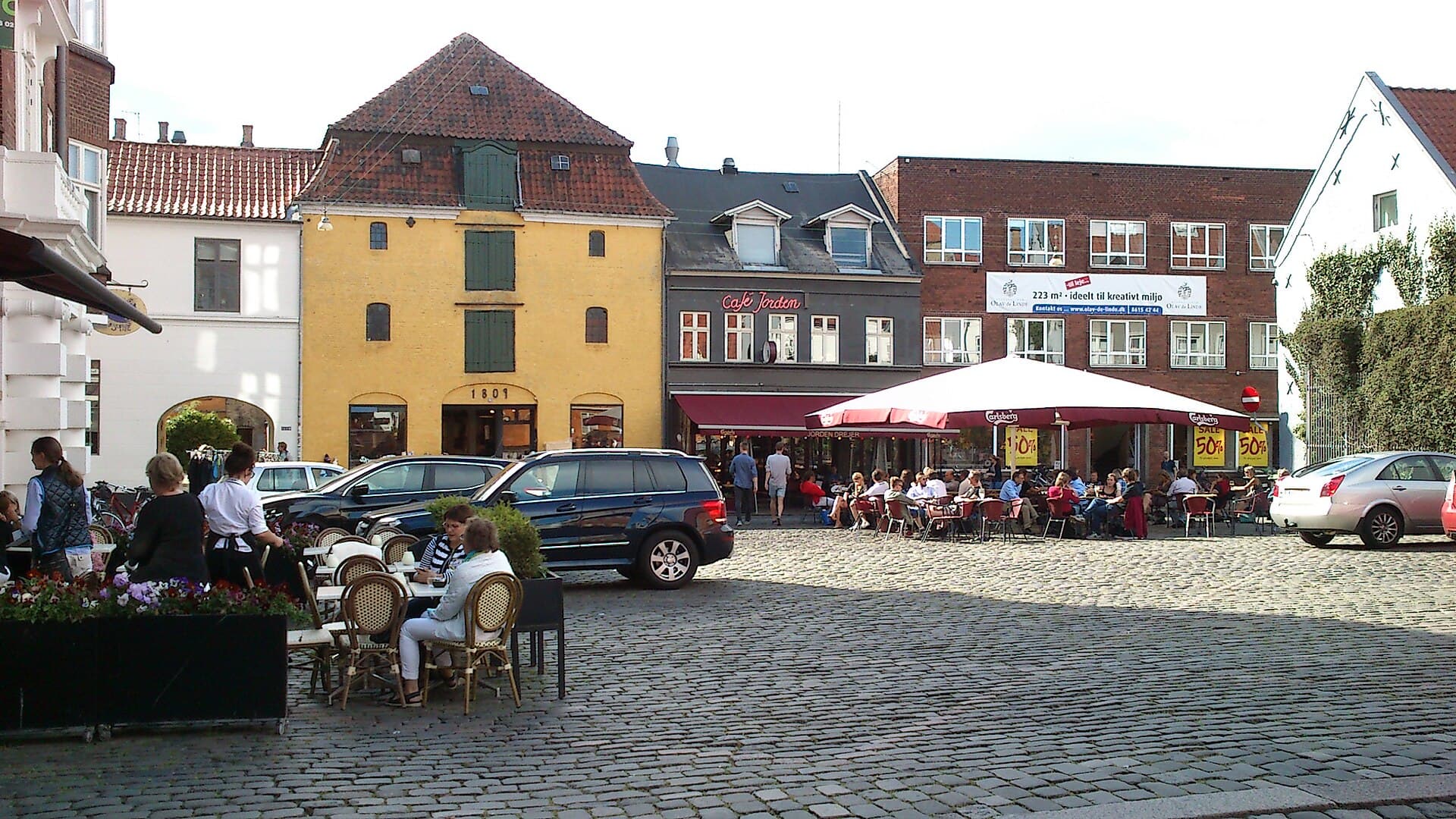 The Latin QuarterThe oldest part of Aarhus, and too small to be called a quarter: a web of narrow3 minutes walk4.6
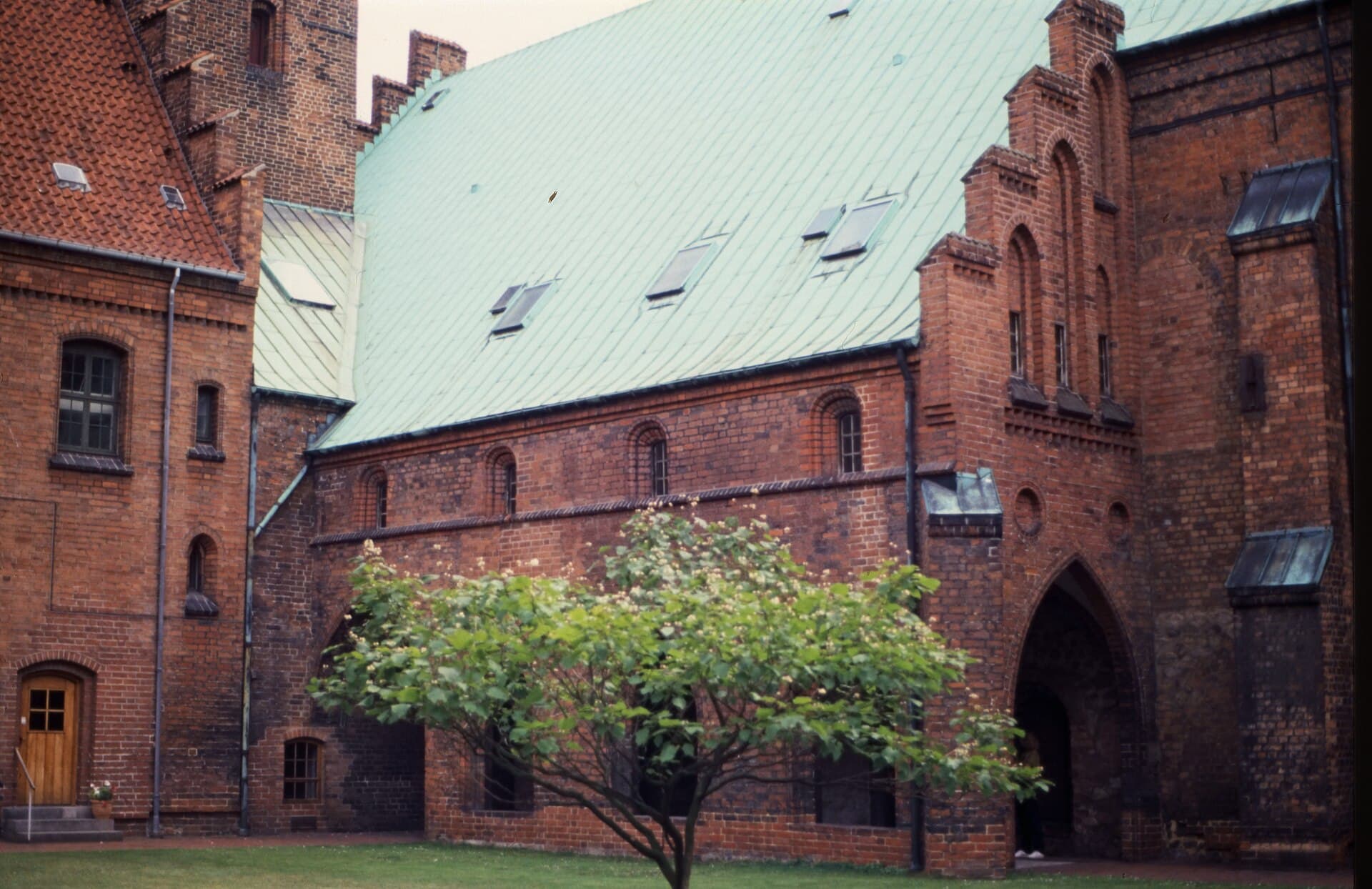 Church of Our Lady, AarhusAn ordinary-looking church from outside, hiding beneath it the oldest standing s4 minutes walk4.6
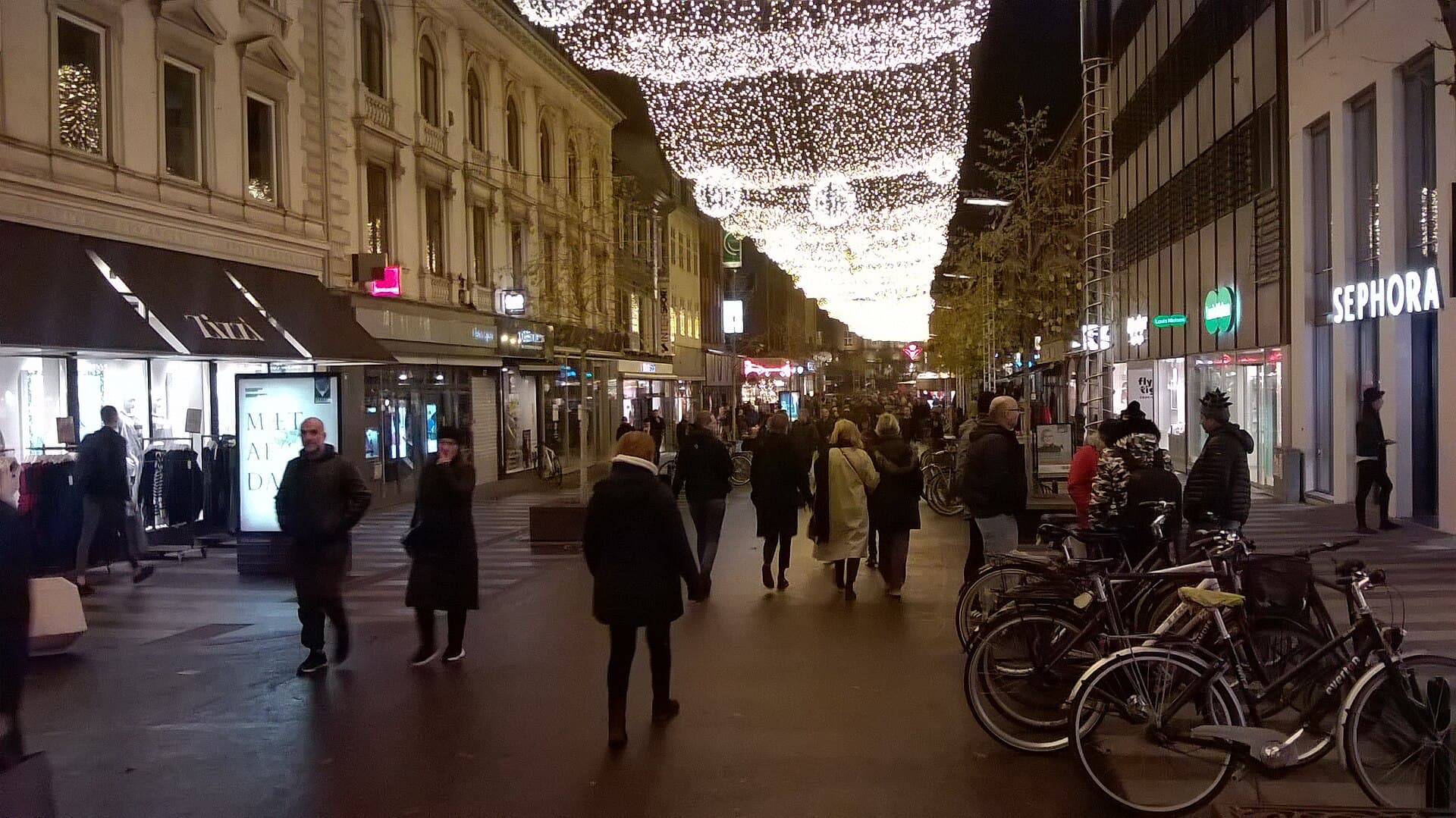 StrøgetThe main pedestrian street in Aarhus, running through the city centre north from4 minutes walk4.3
Three, at different distances. **Moesgaard Museum** south of the city (about 10 km) is by far the most important: a building with a sloping grass roof you walk on, holding the **Grauballe Man** — a bog body 2,300 years old with skin, hair and features intact. **Kongernes Jelling** to the west (about 66 km) has the two runestones called «Denmark's birth certificate», and is UNESCO-listed. And this **Viking Museum** in the centre, the smallest of the three, but on the excavation itself and free.