
The steam locomotives
Russian giants on their original rails.
Ken Eckert — CC BY-SA 4.0 · Olgerts V — CC BY-SA 4.0 · simka — CC BY-SA 3.0 · Jindřich Běťák — CC BY-SA 3.0
Locomotives on real rails on the riverbank: the museum occupies a historic engine shed in the Pārdaugava district opposite the old town, displaying some forty locomotives and carriages in the open — from giant Russian steam engines to Soviet diesels to passenger and freight stock, most of which can be climbed into. Its most famous exhibit is not a locomotive but a wagon: the deportation wagon in which Latvians were carried to Siberia in 1941 and 1949 — a wooden freight car with almost no windows, entered by visitors to read accounts of journeys that lasted weeks. Inside is an exhibition on Latvia's railways since 1861, with signalling equipment, a driving simulator and a narrow-gauge line for children running in season. Most of the museum is outdoors, so weather matters, and it lies ten minutes' walk from the Stone Bridge.
Russian giants on their original rails.
And the children's narrow-gauge line in season.
Uzvaras bulvāris 2/4, Riga
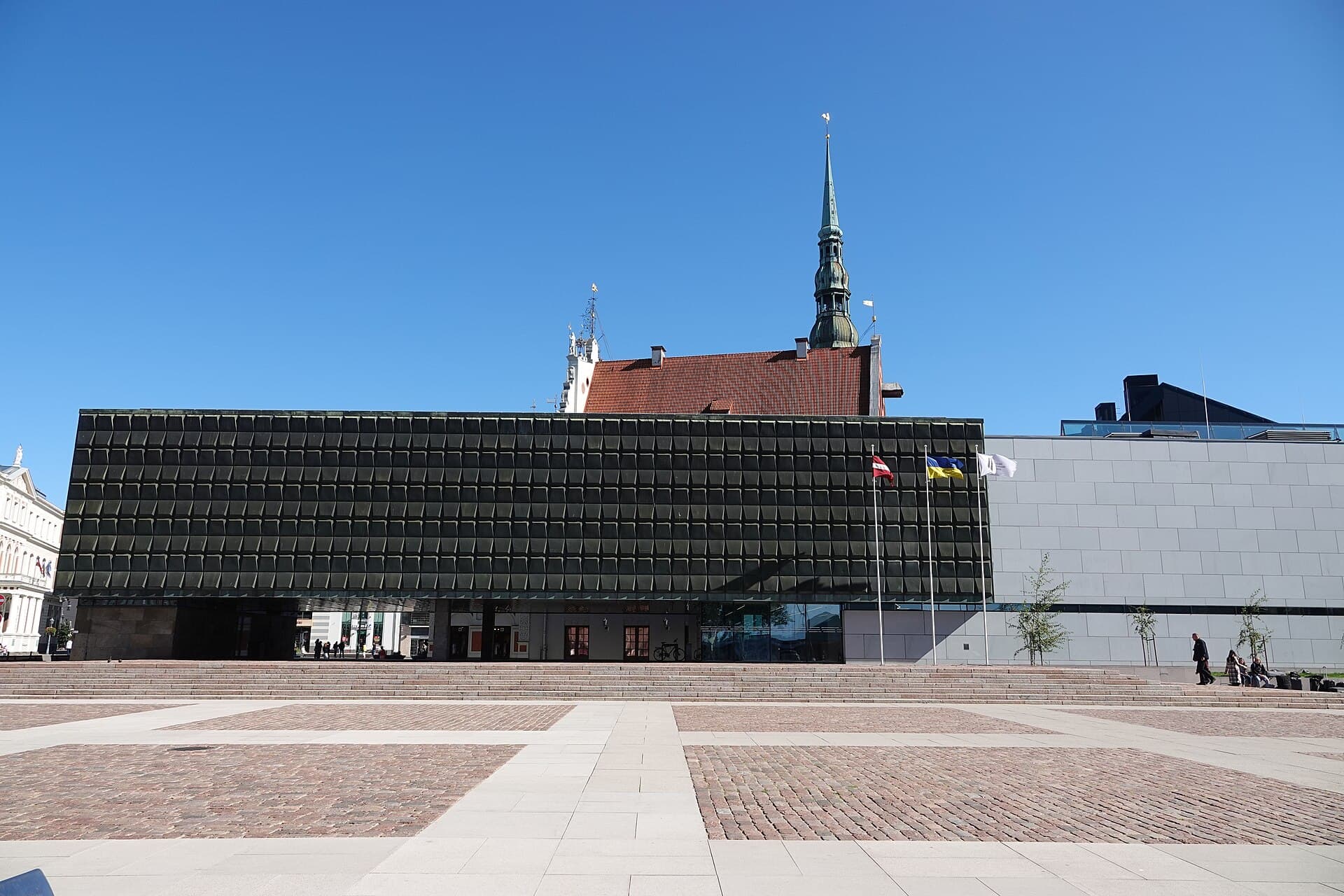 Museum of the Occupation of LatviaA black box on a square in the heart of Riga: the museum occupies a building rai13 minutes walk4.5
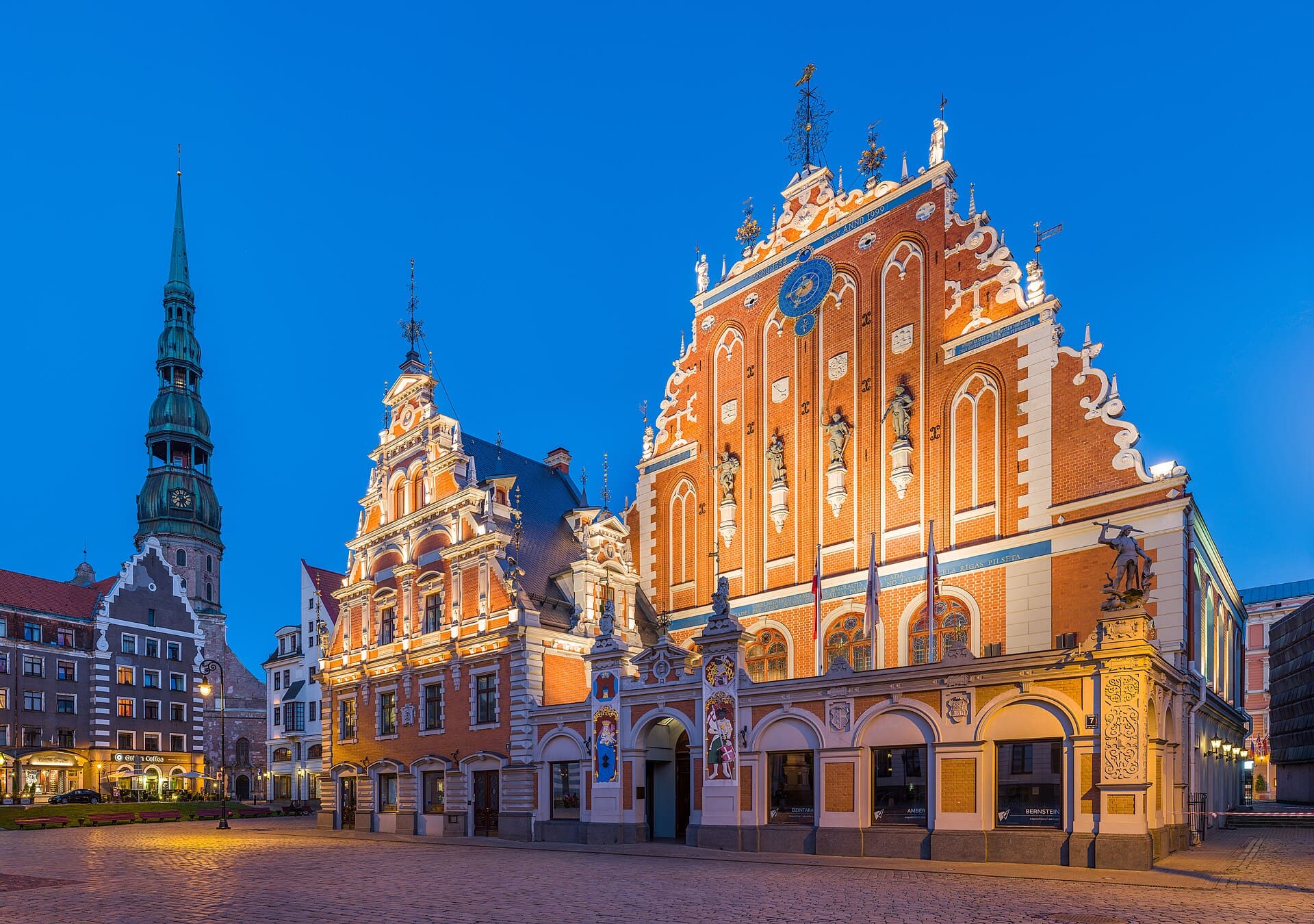 House of the BlackheadsLatvia's most famous facade — and only thirty years old: the House of the Blackh13 minutes walk4.7
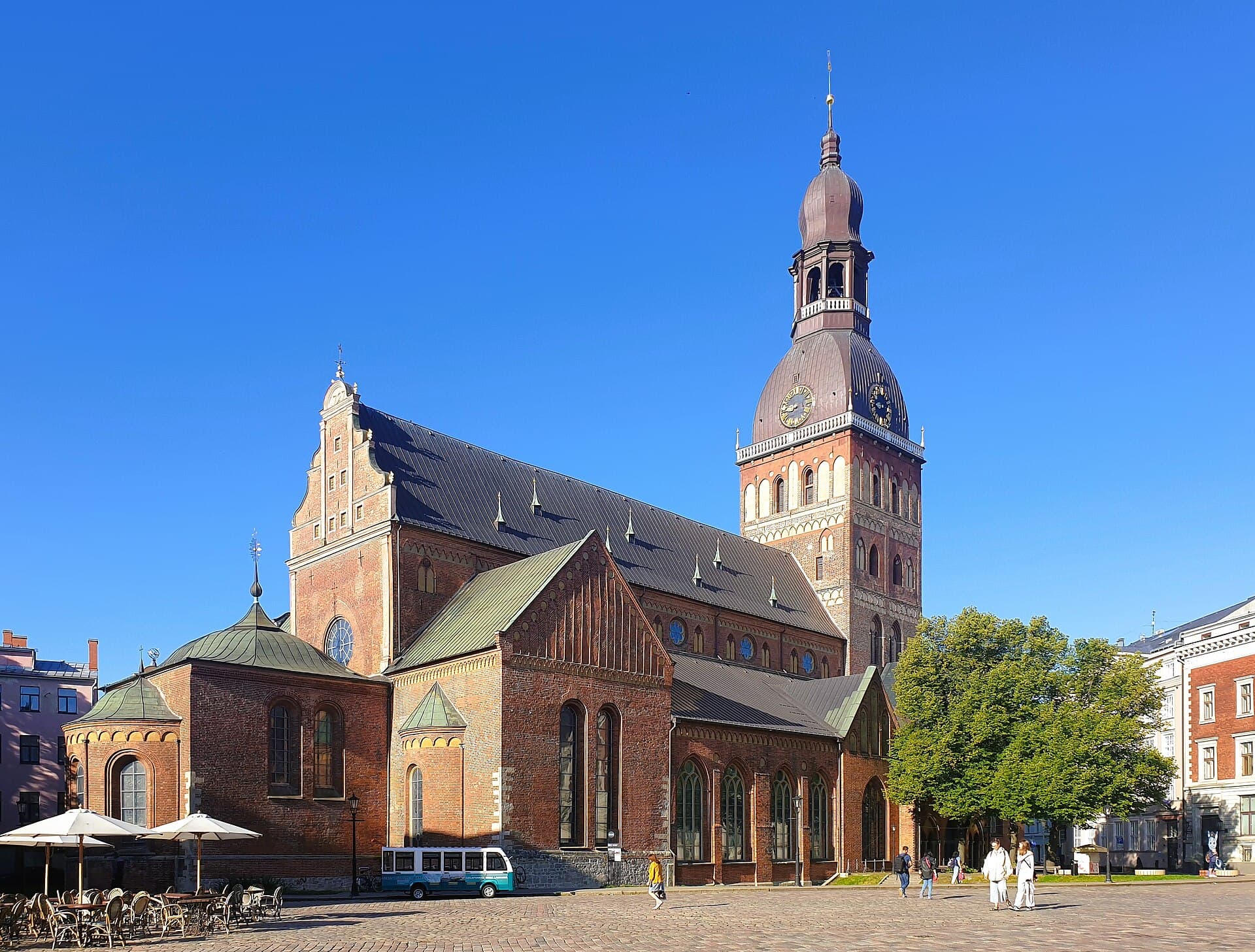 Riga Cathedral and Dome SquareThe largest medieval church in the Baltic states, with an organ that was once th14 minutes walk4.8
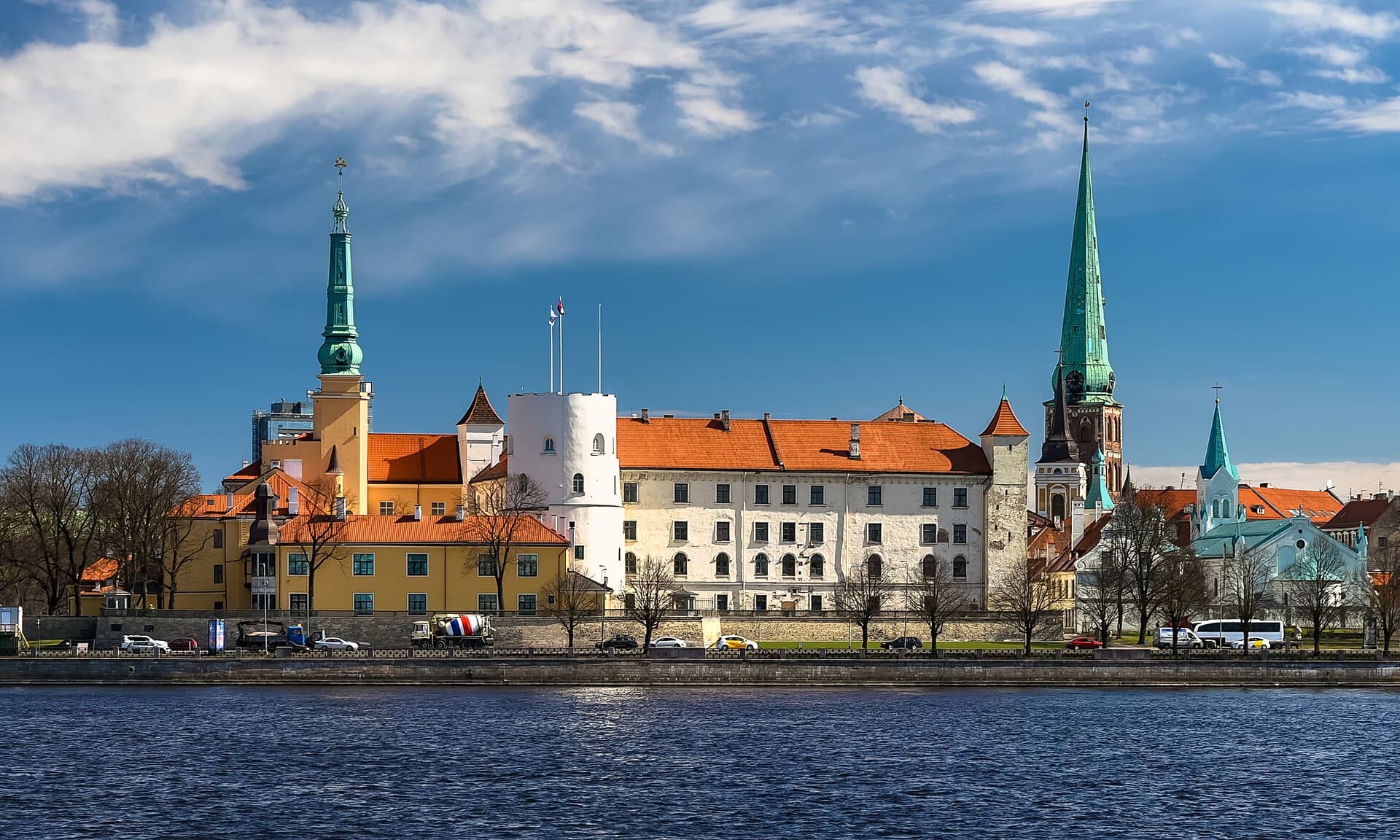 Riga CastleThe knights' castle that became the President's palace: the Livonian Order built15 minutes walk4.3
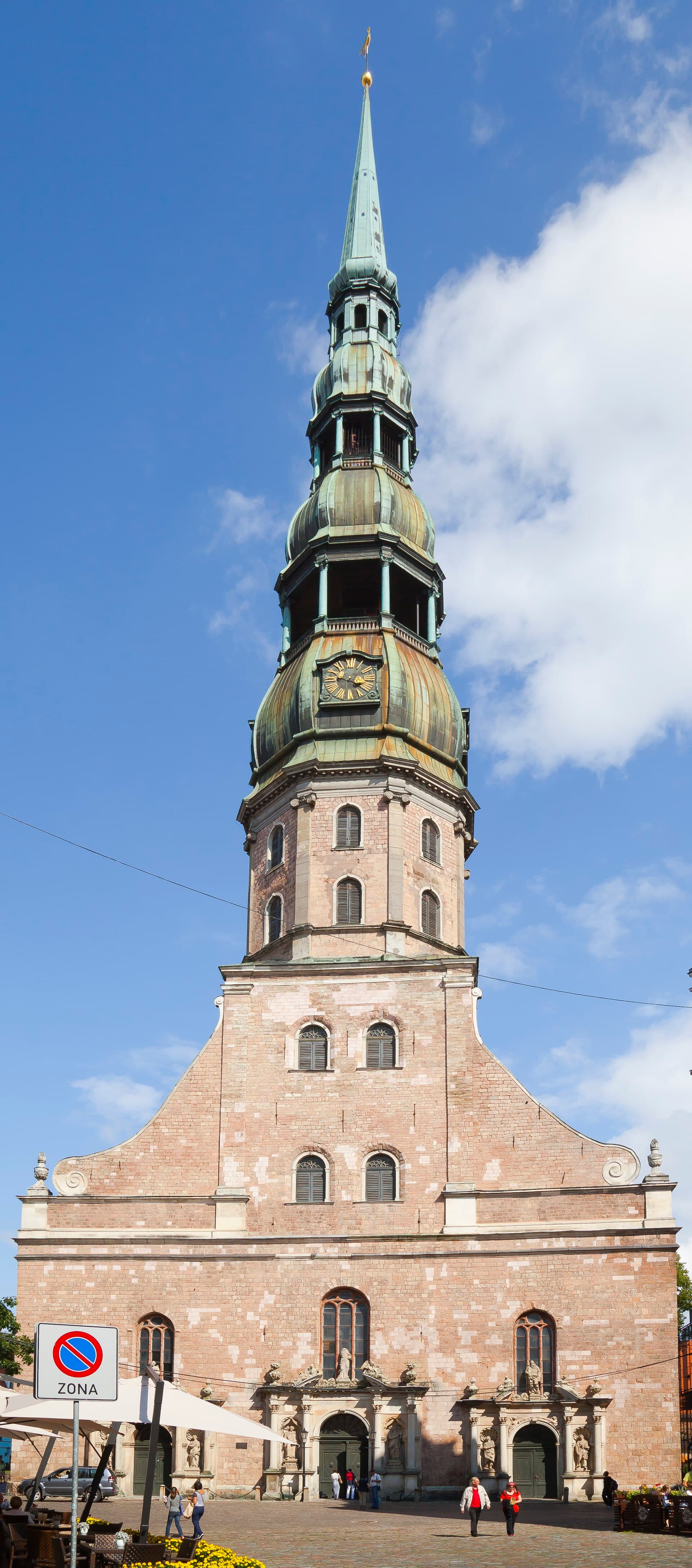 St Peter's ChurchOld Riga's tallest spire and its best view: the Gothic brick church of St Peter 15 minutes walk4.7
Entirely: climbing the locomotives, the simulator and the little railway hold them — though the deportation wagon needs an adult's explanation, or skipping with young children.