
The Gulag barracks
A full-size reconstruction you enter.
Nenea hartia — CC BY-SA 4.0 · Pudelek (Marcin Szala) — CC BY-SA 3.0 · Pudelek (Marcin Szala) — CC BY-SA 3.0 · Saeima — CC BY-SA 2.0
A black box on a square in the heart of Riga: the museum occupies a building raised in 1971 as a museum to the Soviet Latvian Red Riflemen — and after independence became a museum documenting what its builders did, an irony known to everyone who passes it. The display covers three successive occupations: Soviet 1940-1941, Nazi 1941-1944, Soviet 1944-1991 — through documents, photographs, objects and testimony, with a large section on the deportations to Siberia (some sixty thousand Latvians in the waves of 1941 and 1949). At its centre stands a full-size reconstruction of a Gulag barracks in Siberia, which you enter and stand inside. The building was renewed and reopened in 2022 with a new annexe by the Latvian-American architect Gunārs Birkerts, and it also runs the Corner House, the KGB headquarters, as a branch. The museum is fully translated and free to under-eighteens.
A full-size reconstruction you enter.
1941 and 1949 — some sixty thousand Latvians.
Latviešu strēlnieku laukums 1, Riga
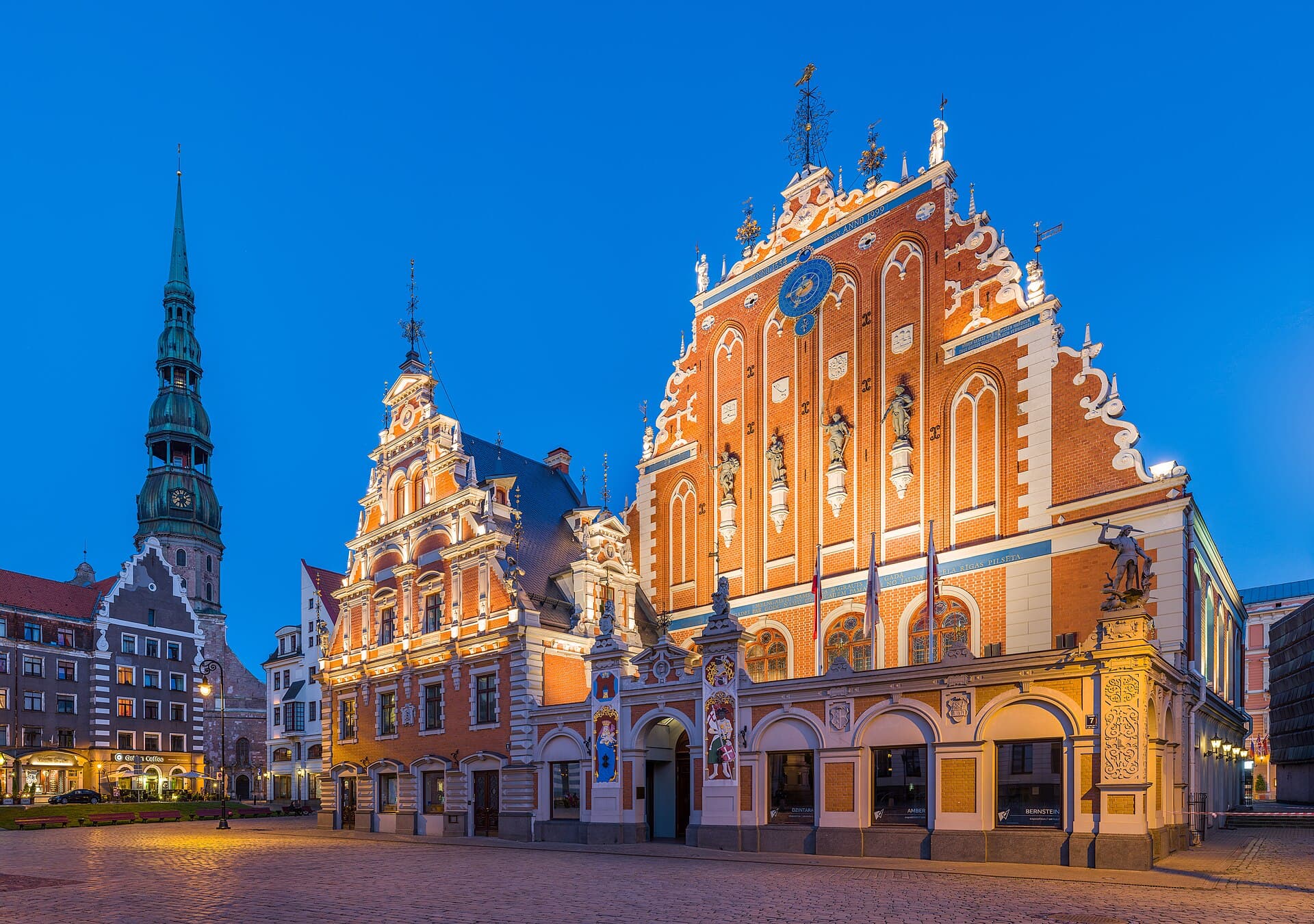 House of the BlackheadsLatvia's most famous facade — and only thirty years old: the House of the Blackh1 minute walk4.7
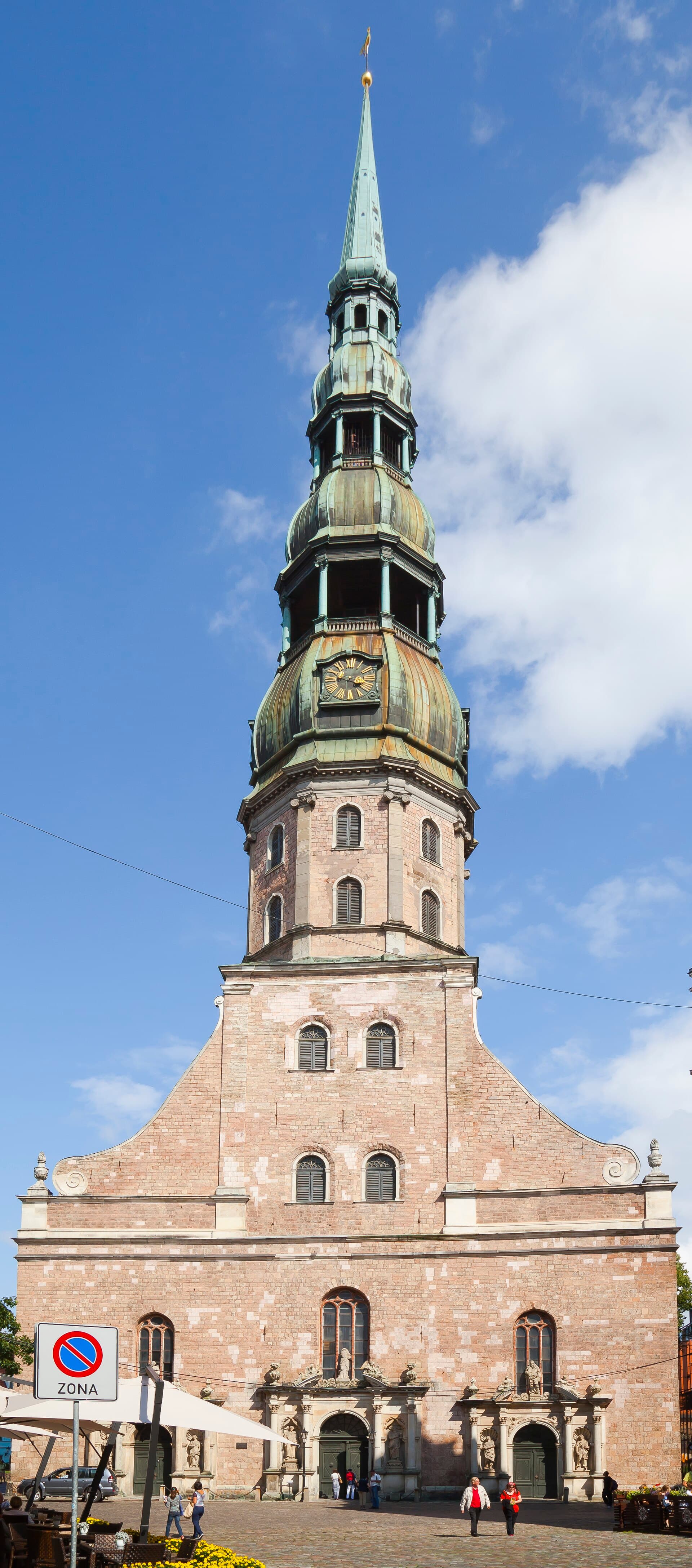 St Peter's ChurchOld Riga's tallest spire and its best view: the Gothic brick church of St Peter 2 minutes walk4.7
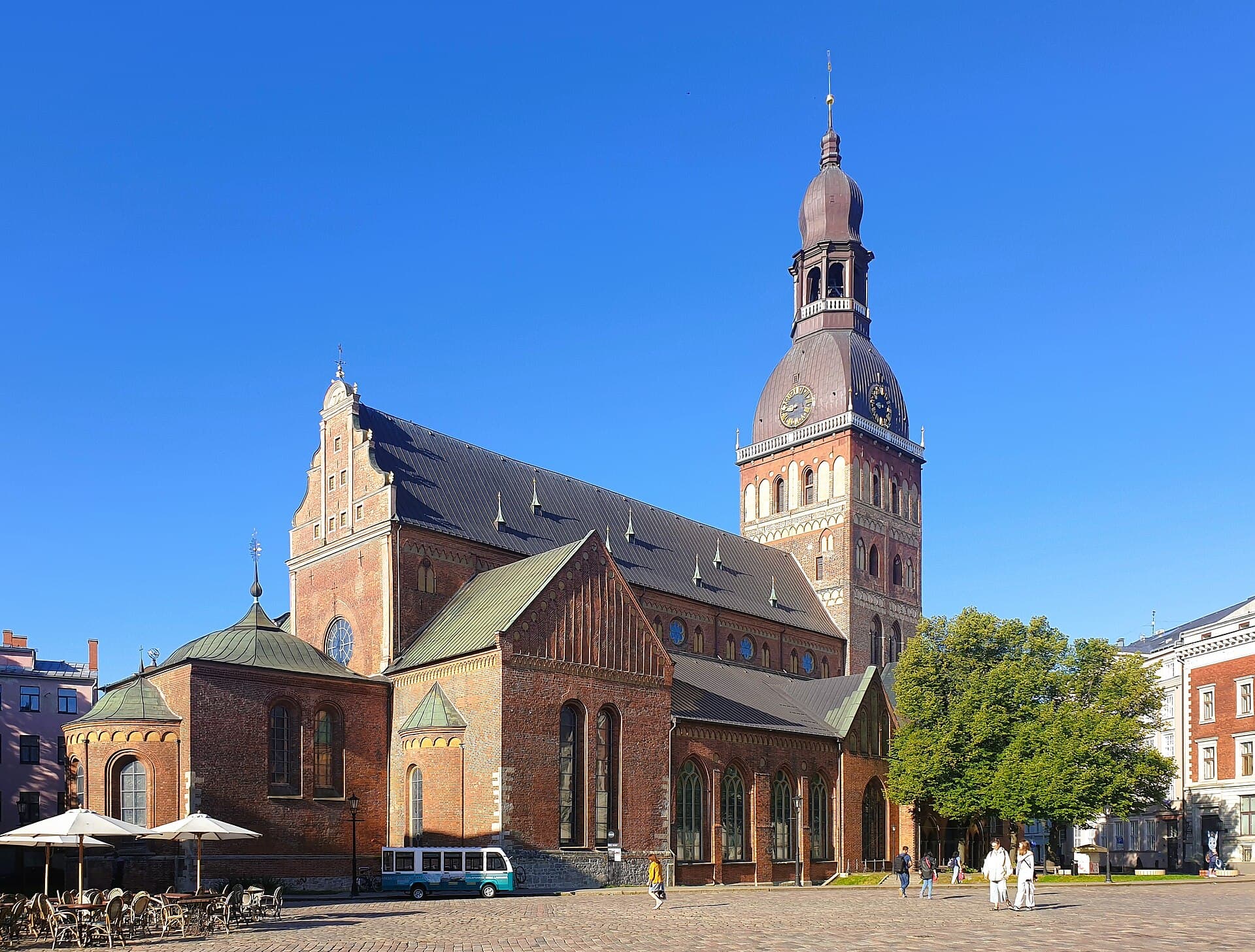 Riga Cathedral and Dome SquareThe largest medieval church in the Baltic states, with an organ that was once th3 minutes walk4.8
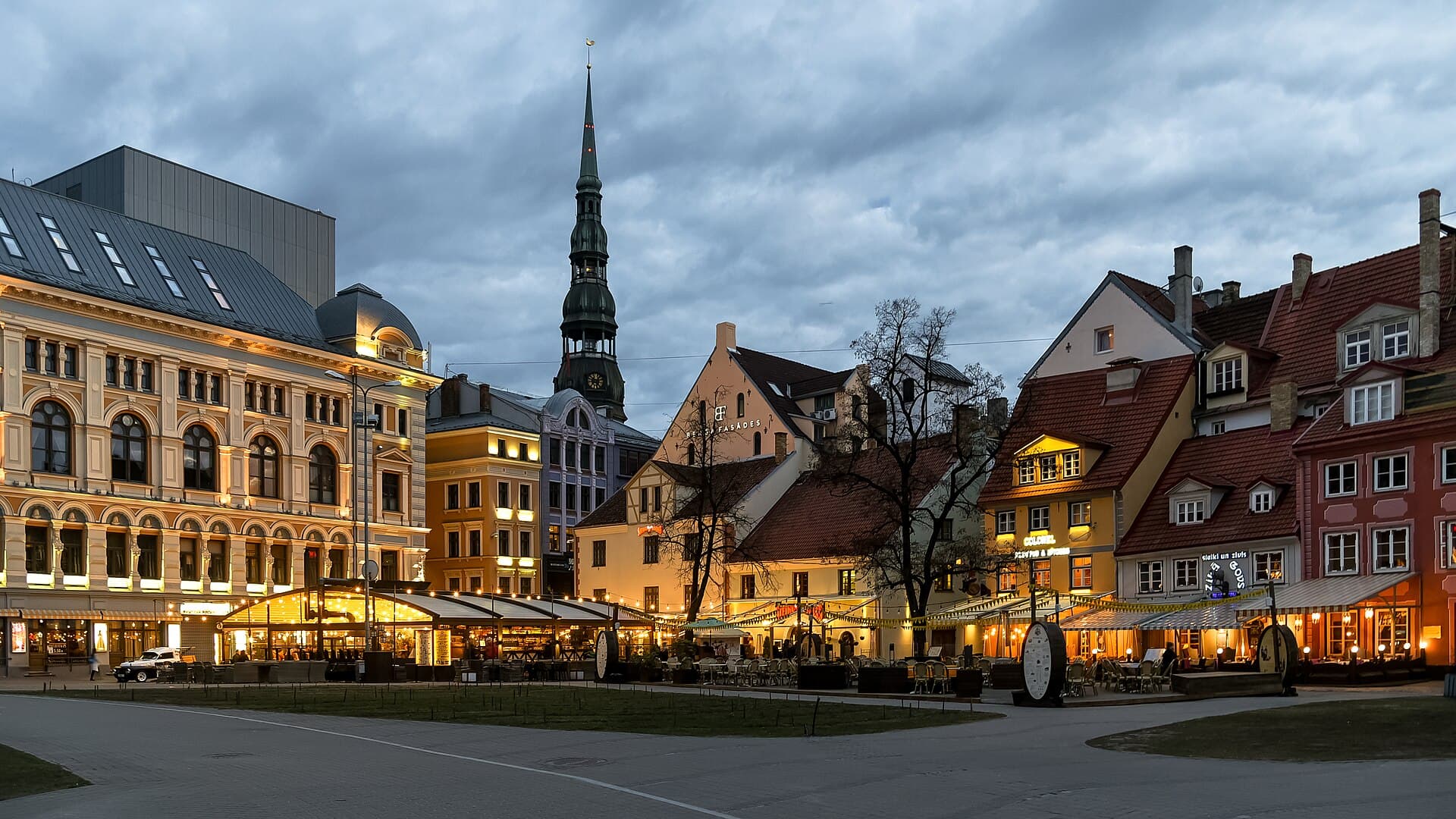 Līvu SquareAn open square in the heart of Riga's old town, ringed by cafés and restaurants 4 minutes walk4.5
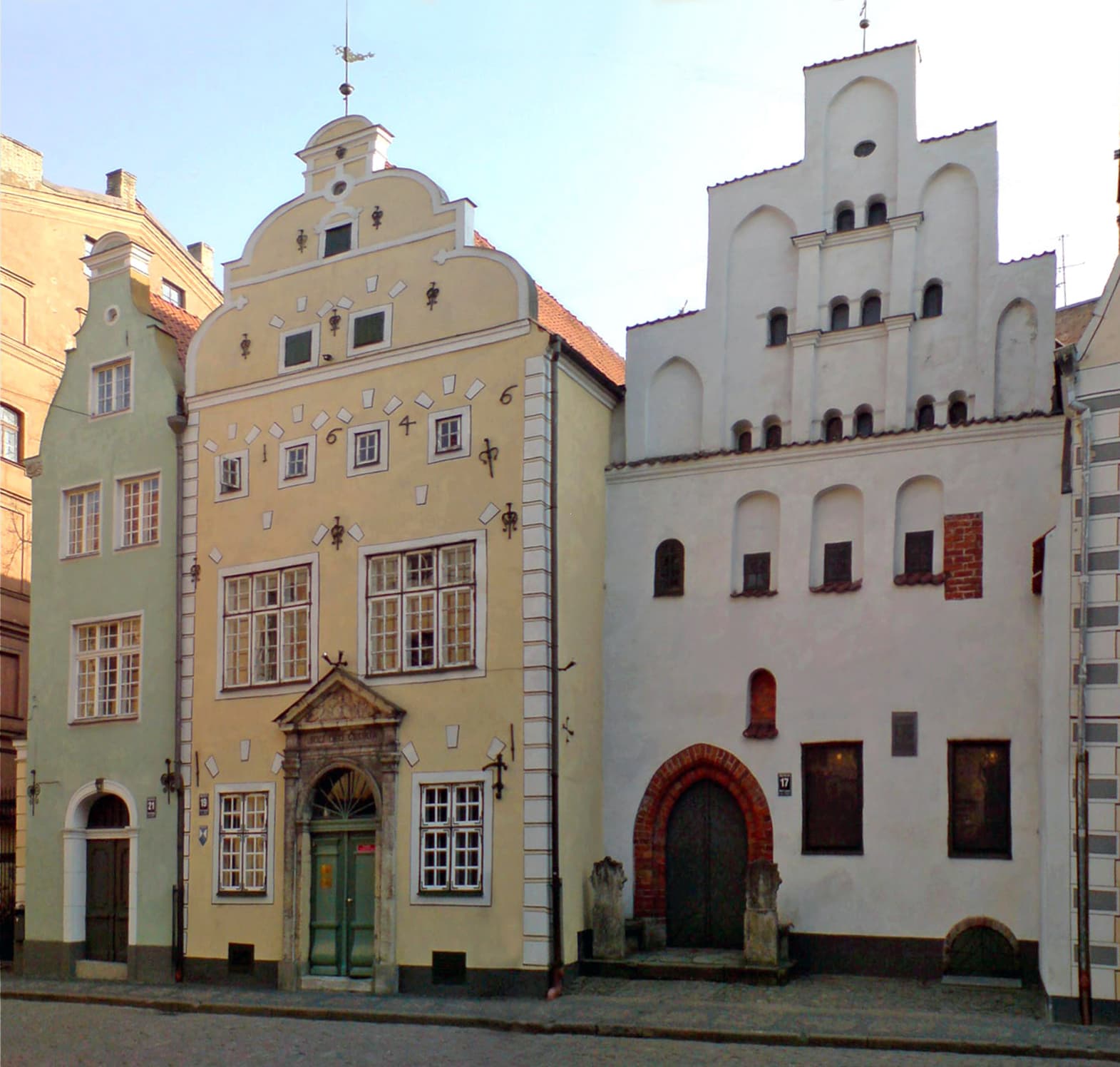 The Three BrothersThree joined houses that condense five centuries of domestic architecture: the T5 minutes walk4.5
The museum gives the whole story in order and is the right first visit; the Corner House is an experience of place (the KGB's own cells) and completes the picture afterwards — the same institution runs both.