
The round towers
Directly on the Daugava bank.
Jorge Franganillo — CC BY 2.0 · Diego Delso — CC BY-SA 3.0 · Diego Delso — CC BY-SA 3.0 · Diego Delso — CC BY-SA 3.0
The knights' castle that became the President's palace: the Livonian Order built it in 1330 after the people of Riga destroyed their first castle in a revolt, and rebuilt it again after a second revolt in 1515 — the castle itself a record of the city's quarrel with its knights. It passed to Poles, Swedes and Russians, became the seat of Latvia's Russian governor, then the President's residence after independence in 1918 — and it is officially the President of Latvia's seat today, after a long restoration following a major fire in 2013 that destroyed its historic wings. From outside it is plain and white with round towers on the Daugava bank and a square before it; the interior is not open (a working presidential residence), but walking around it and along the river is a natural part of the old town circuit, with guards at its gate and the flag raised on national occasions.
Directly on the Daugava bank.
Guards and the flag on national days.
Pils laukums 3, Riga
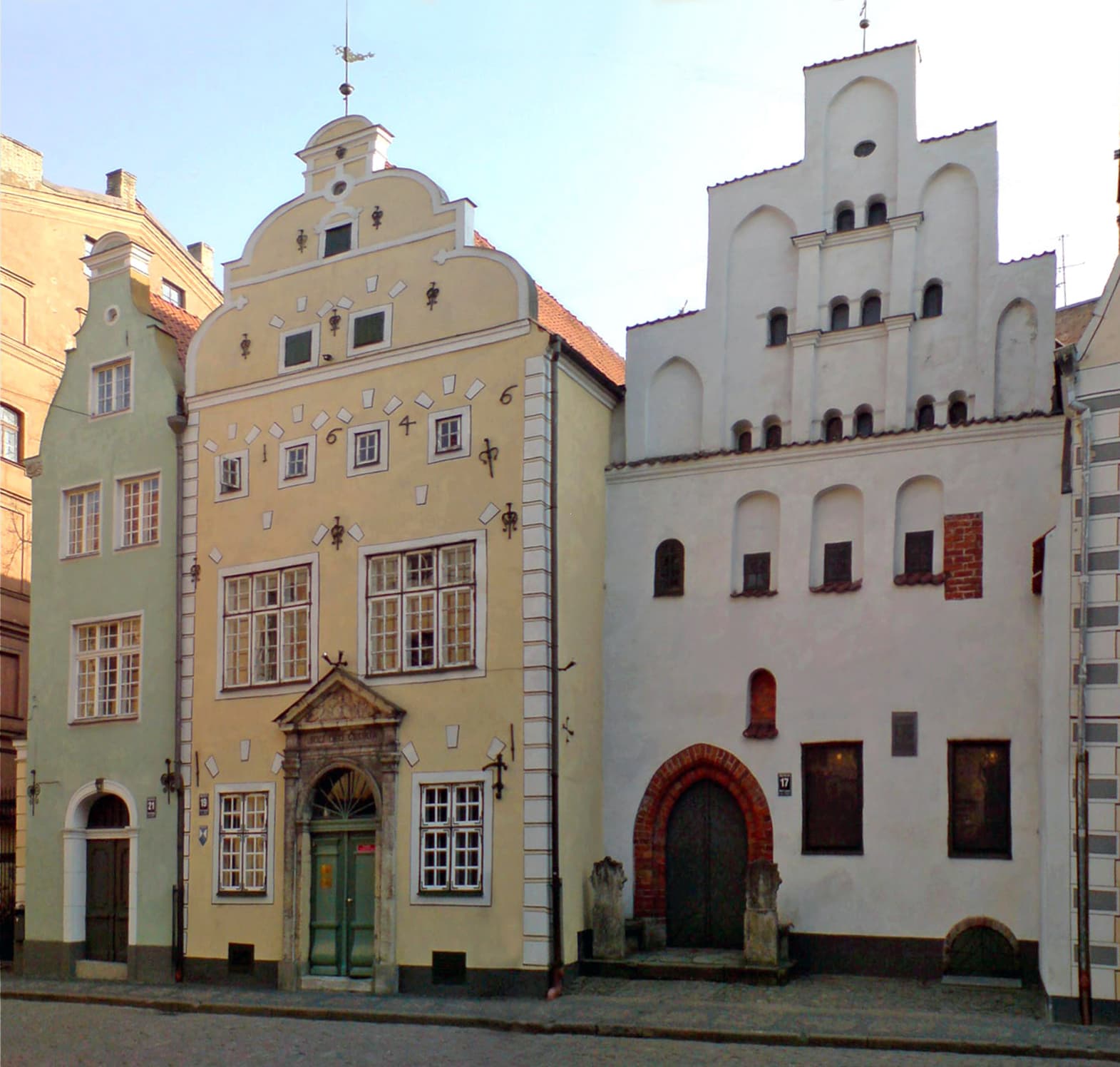 The Three BrothersThree joined houses that condense five centuries of domestic architecture: the T3 minutes walk4.5
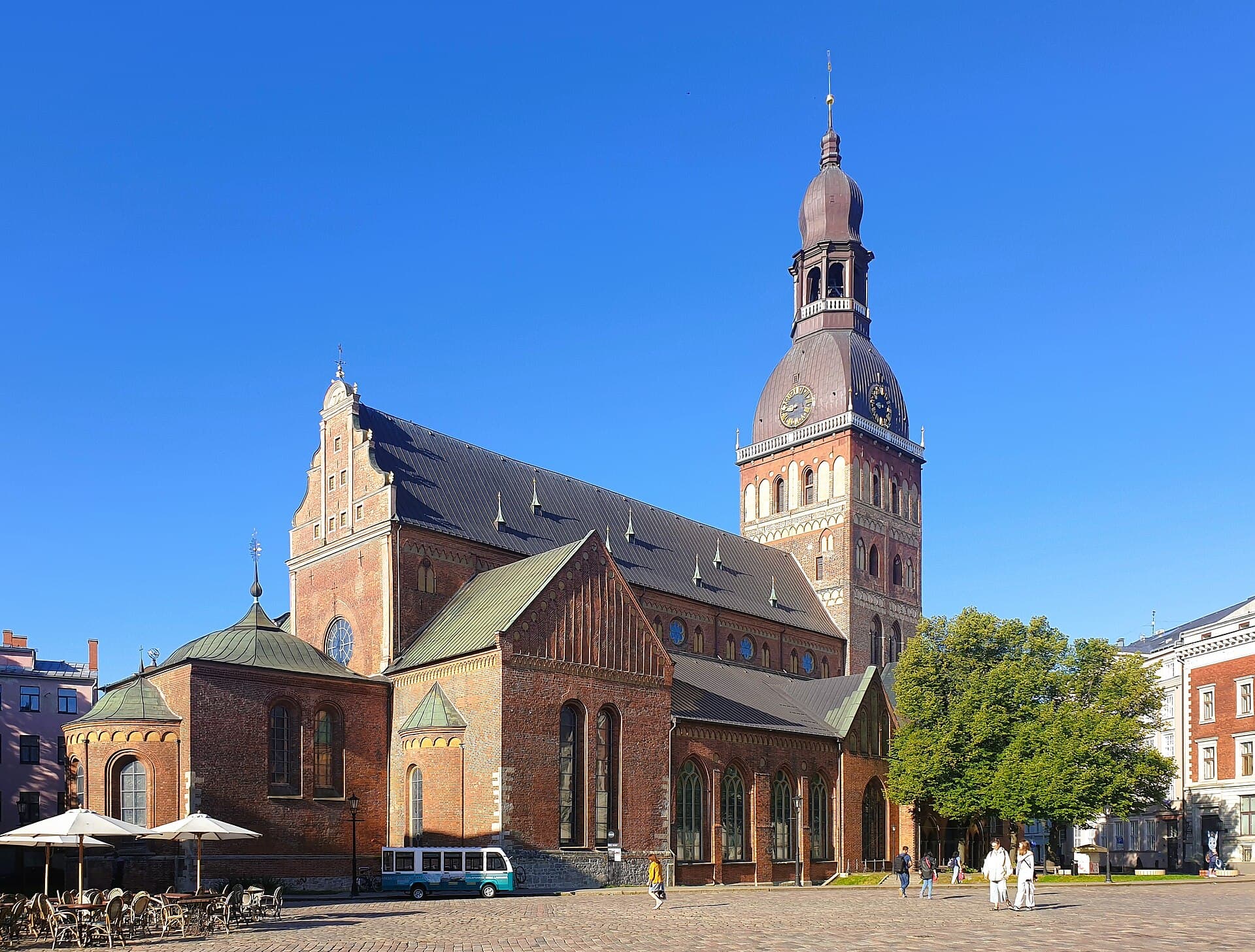 Riga Cathedral and Dome SquareThe largest medieval church in the Baltic states, with an organ that was once th4 minutes walk4.8
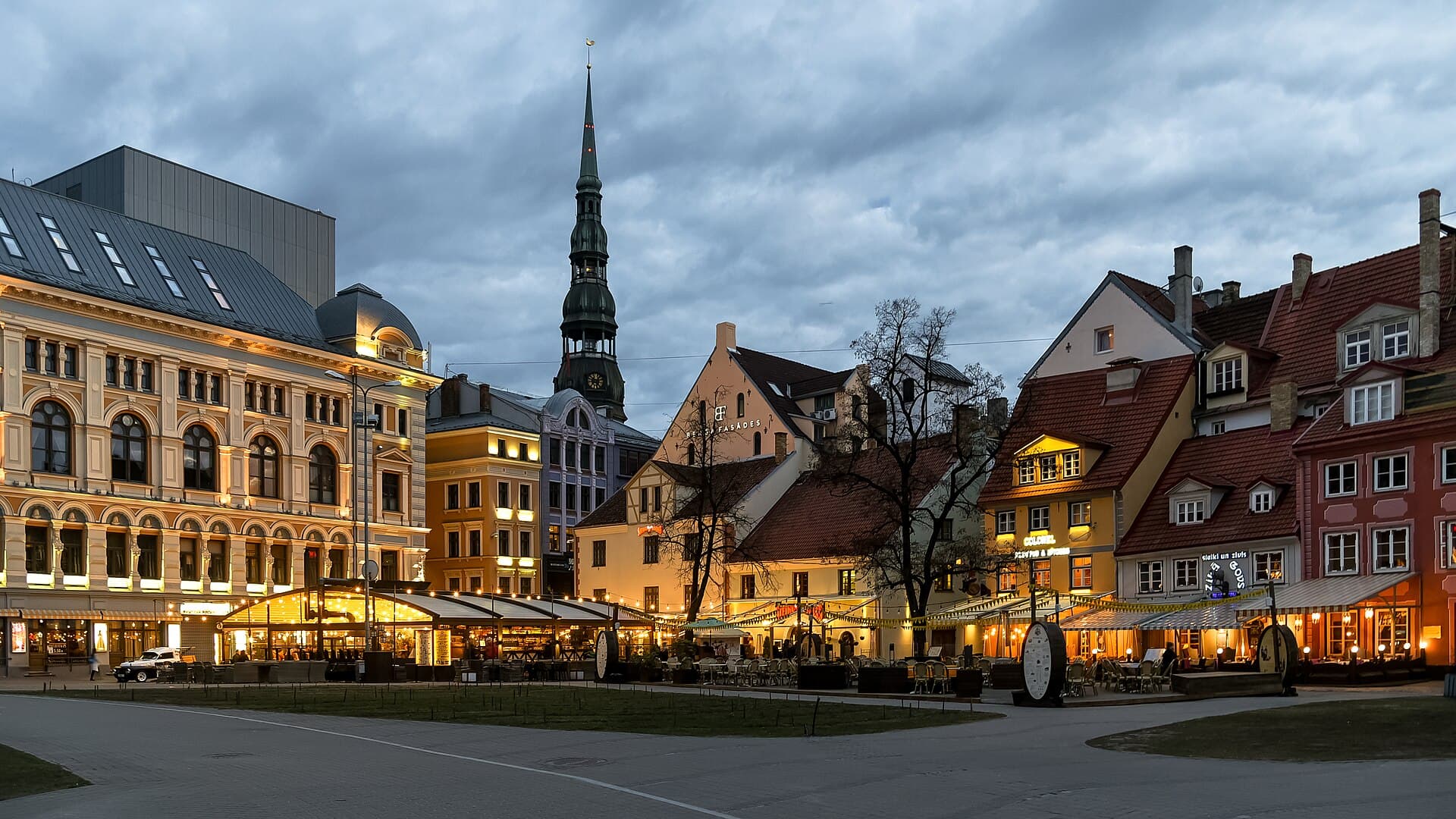 Līvu SquareAn open square in the heart of Riga's old town, ringed by cafés and restaurants 6 minutes walk4.5
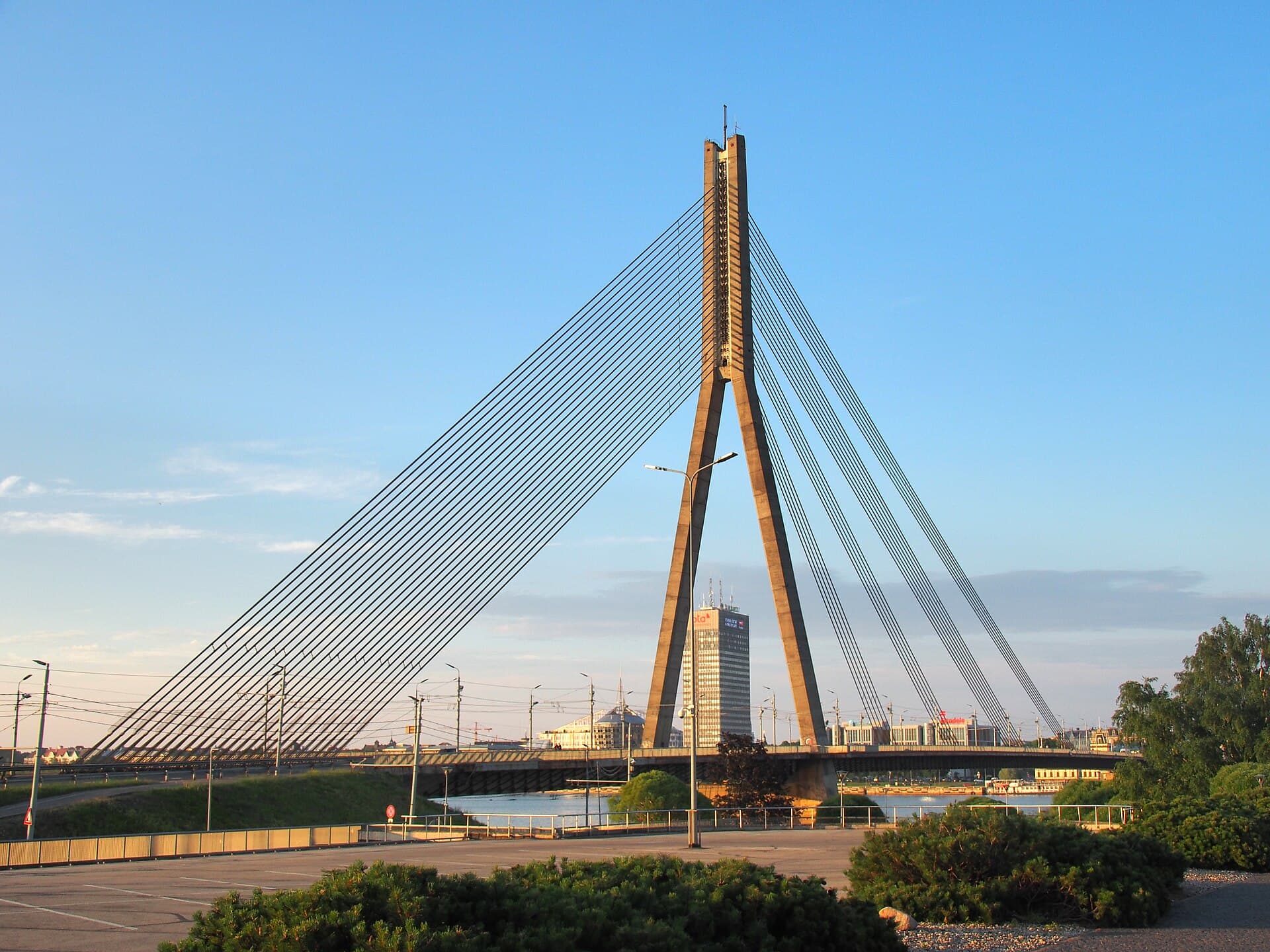 Vanšu BridgeA cable-stayed bridge over the Daugava in Riga, opened in 1981, whose central py6 minutes walk4.2
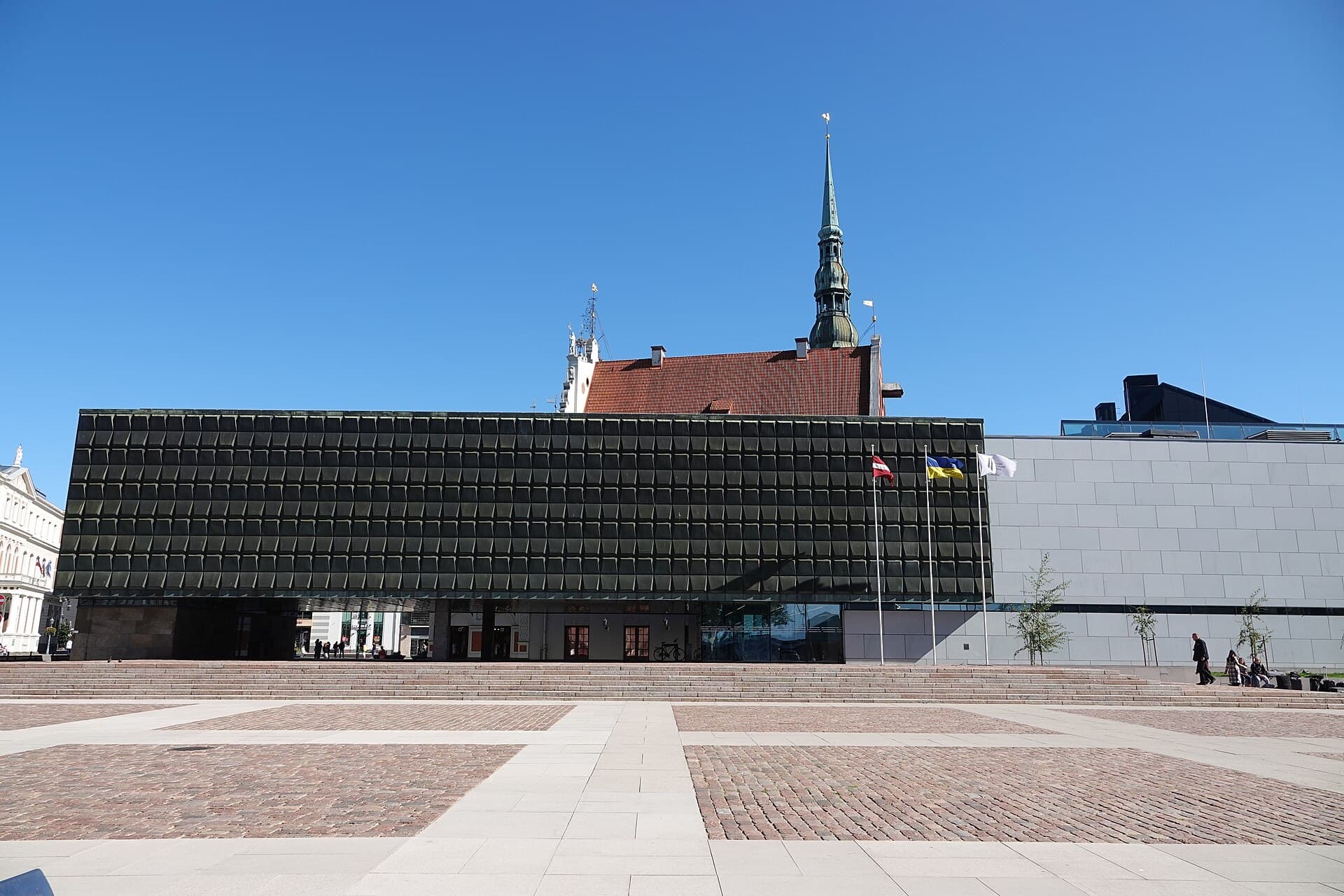 Museum of the Occupation of LatviaA black box on a square in the heart of Riga: the museum occupies a building rai7 minutes walk4.5
It sits on the riverside route between the old town and the bridge, so passing it costs no detour; do not budget separate time — make it a stop on the river walk.