
The Solnhofen slabs
Jurassic fossils in exceptional detail.
Fentriss — CC BY-SA 4.0 · Schlaier — CC BY 3.0 · JensKunstfreund — CC BY-SA 4.0 · ArticCynda — CC0
Munich's palaeontological museum belongs to the Ludwig Maximilian University and occupies a neoclassical building with an inner courtyard under a glass roof — the space itself is unexpectedly handsome for a university museum, having been designed originally as an art school. Bavaria is among the richest fossil regions in the world, which is what makes the collection strong: fossils from Solnhofen — the famous limestone beds that preserved Jurassic creatures in exceptional detail, including soft tissue. It was from these beds that the world's most famous Archaeopteryx fossils came. The displays include mammoth and ancient elephant skeletons, giant turtles and dinosaurs, alongside the fine Solnhofen slabs. Entry is entirely free — rare for a museum of this quality — but the hours are academic: it opens during working hours, closes early, and may shut during university holidays, so check before going.
Jurassic fossils in exceptional detail.
A neoclassical space under a glass roof.
Richard-Wagner-Strasse 10, 80333 Munich
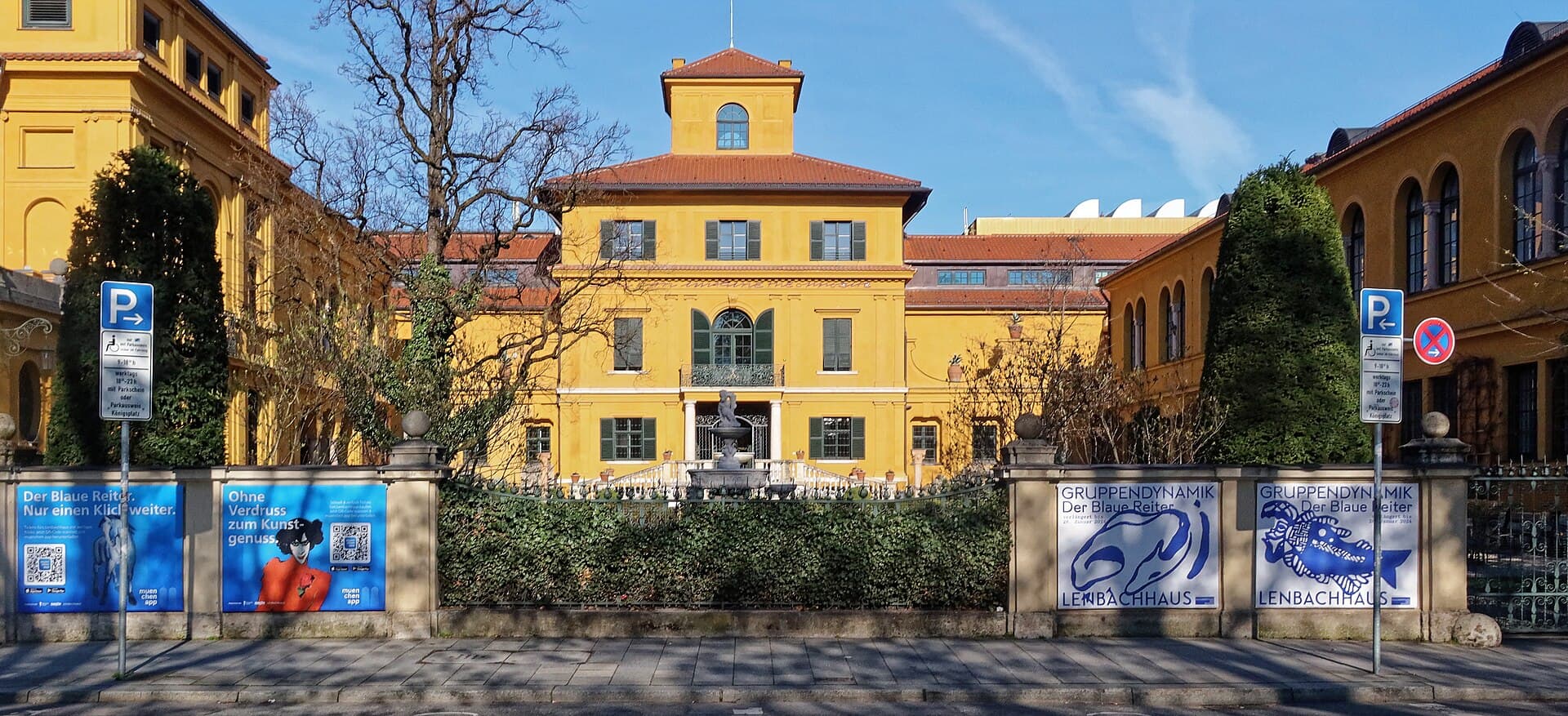 LenbachhausThe Lenbachhaus is a nineteenth-century artist's villa with an Italian garden, e1 minute walk4.6
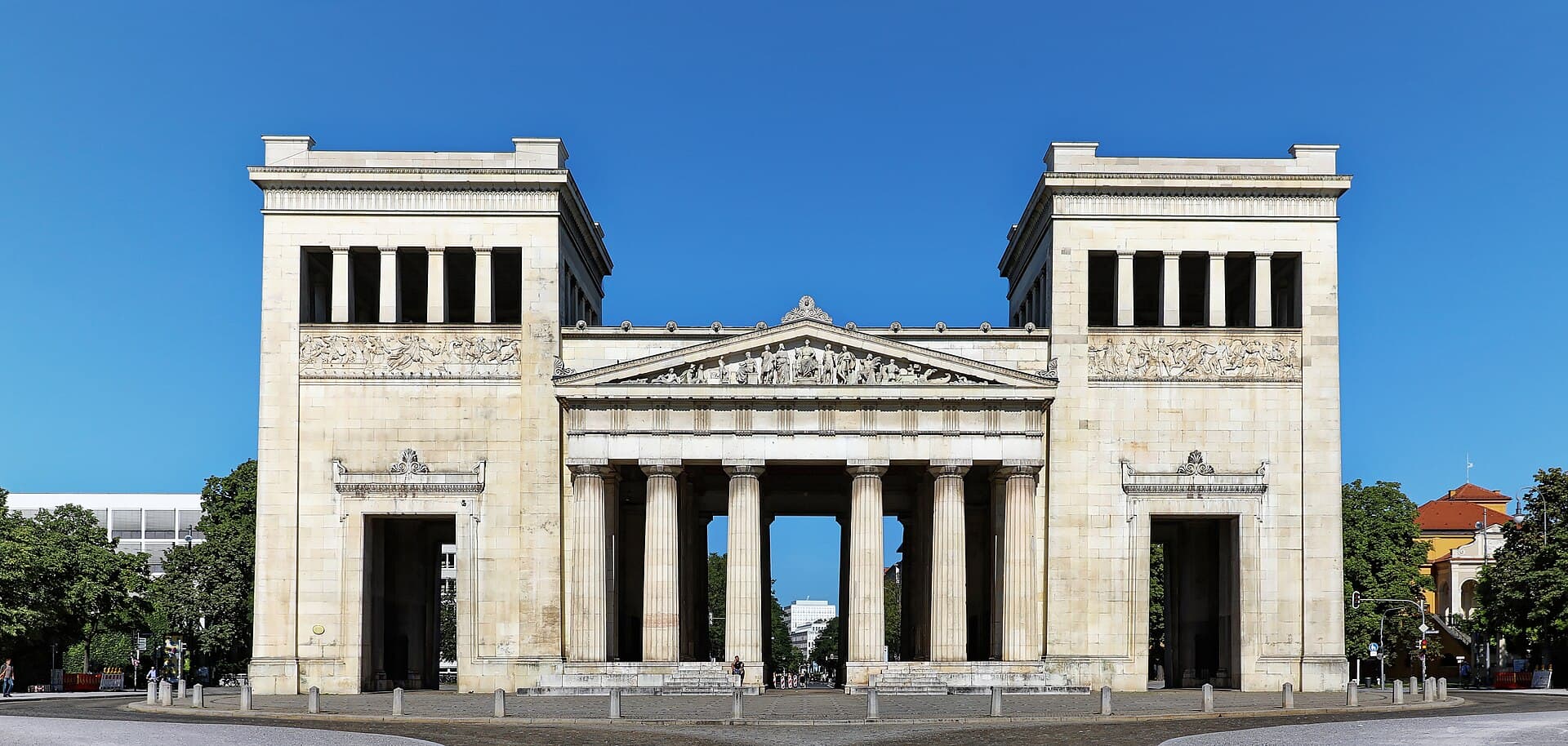 PropylaeaThe Propylaea is a massive Doric gateway closing the western end of Koenigsplatz2 minutes walk4.8
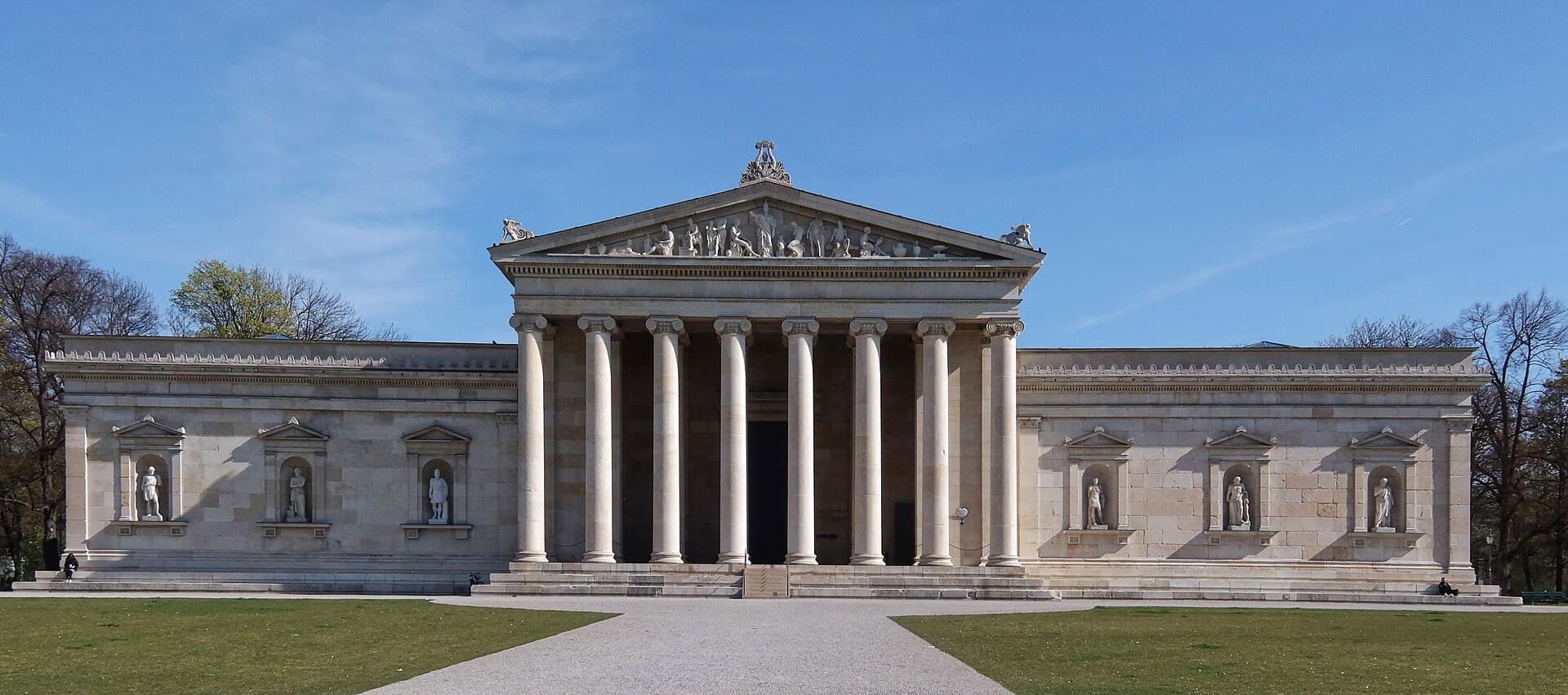 GlyptothekThe Glyptothek is Munich's oldest public museum, built by King Ludwig I and open2 minutes walk4.8
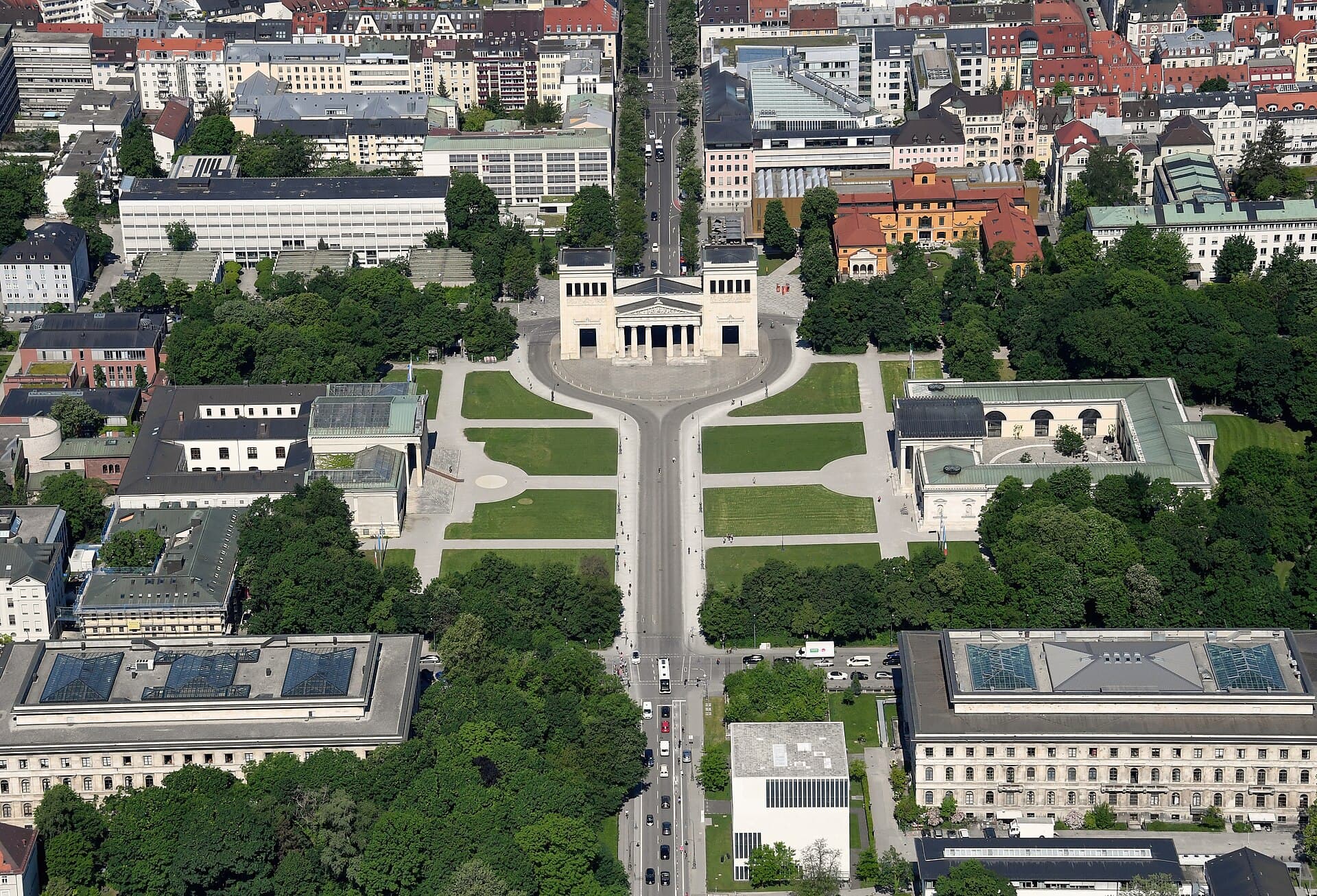 KönigsplatzKönigsplatz is a large open square in Munich, built in the nineteenth century in3 minutes walk4.5
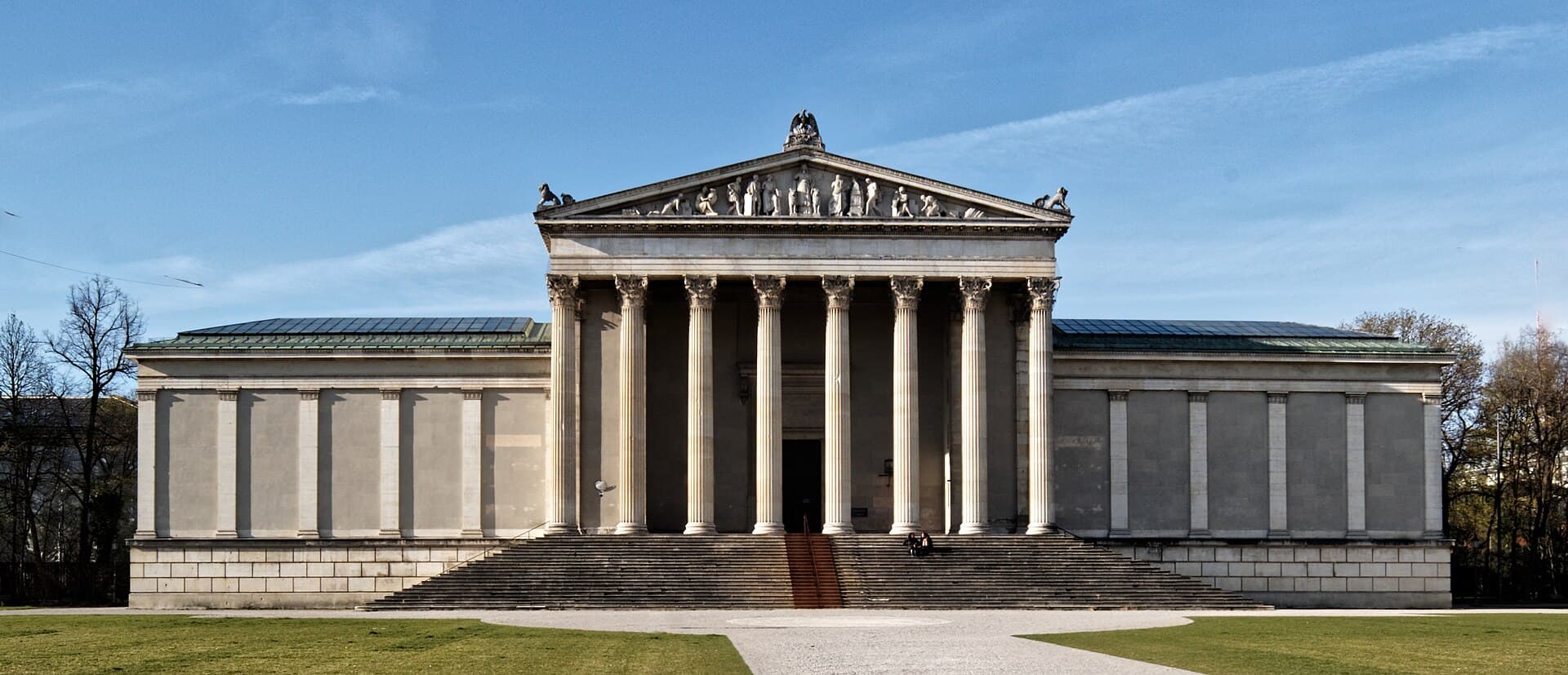 Staatliche AntikensammlungenOn the south side of Koenigsplatz stands a Corinthian-columned building put up b4 minutes walk4.3
Because they formed in shallow, highly saline, oxygen-poor Jurassic lagoons: a creature falling in neither decayed nor was eaten by bottom-dwellers, since nothing lived there, and was covered by extremely fine mud that preserved even feathers, skin and wings. That combination is very rare worldwide, which made Solnhofen one of the most important fossil sites in the history of science.