
Why Strasbourg
The disputed city was chosen as a symbol of reconciliation — not by accident.
Ji-Elle — CC BY-SA 3.0 · © Ralph Hammann - Wikimedia Commons — CC BY-SA 4.0 · FrDr — CC BY-SA 4.0 · FrDr — CC BY-SA 4.0
A cultural centre in a historic Alsatian house with a garden, devoted to explaining the European project: what the institutions of the European Union and the Council of Europe are, how they arose, and why some of them settled in Strasbourg. That last question is the most important and the place answers it directly: Strasbourg was chosen as the seat of the European Parliament and the Council of Europe because it had been the object of the Franco-German quarrel itself. A city that changed nationality four times and lived through two wars was chosen as a symbol of reconciliation. The institutions being here is not an administrative accident but a statement. The exhibition is interactive and aimed at families and school groups more than specialists, and it explains the difference between the European Union, the Council of Europe and the European Court of Human Rights — a confusion very common among visitors. The garden around the house is open and quiet. Practical points: entry is normally free, hours are limited and it may close on holidays — check before going. The site is in the European institutions district north of the city, away from the historic centre: take the tram.
The disputed city was chosen as a symbol of reconciliation — not by accident.
The EU, the Council of Europe and the Court are not the same thing.
The exhibition sits in a historic building with an open, quiet garden.
Robertsau district, near the European institutions, Strasbourg
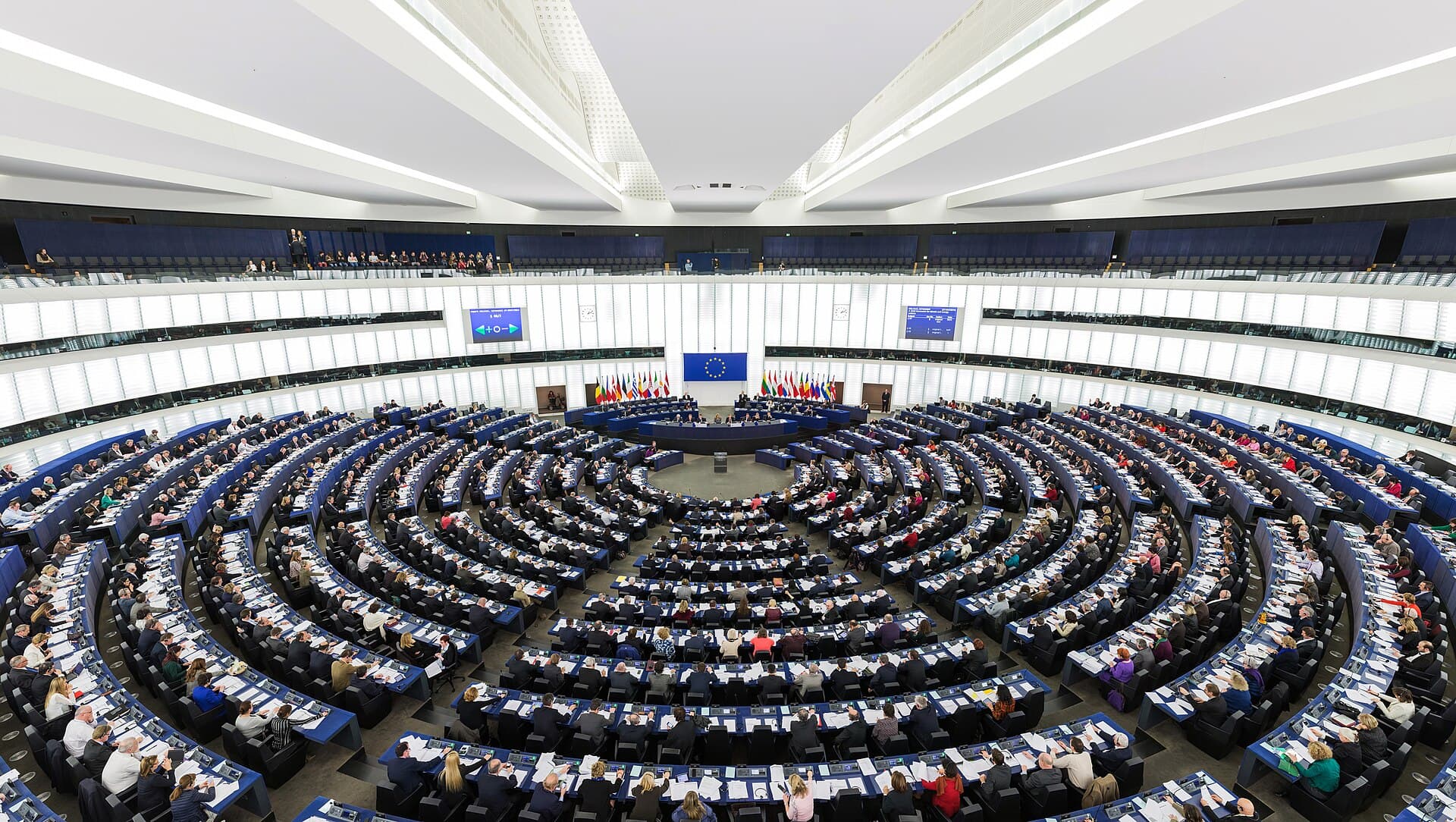 European ParliamentIn Strasbourg sits the continent's parliament: the cylindrical glass Louise Weis7 minutes walk4.3
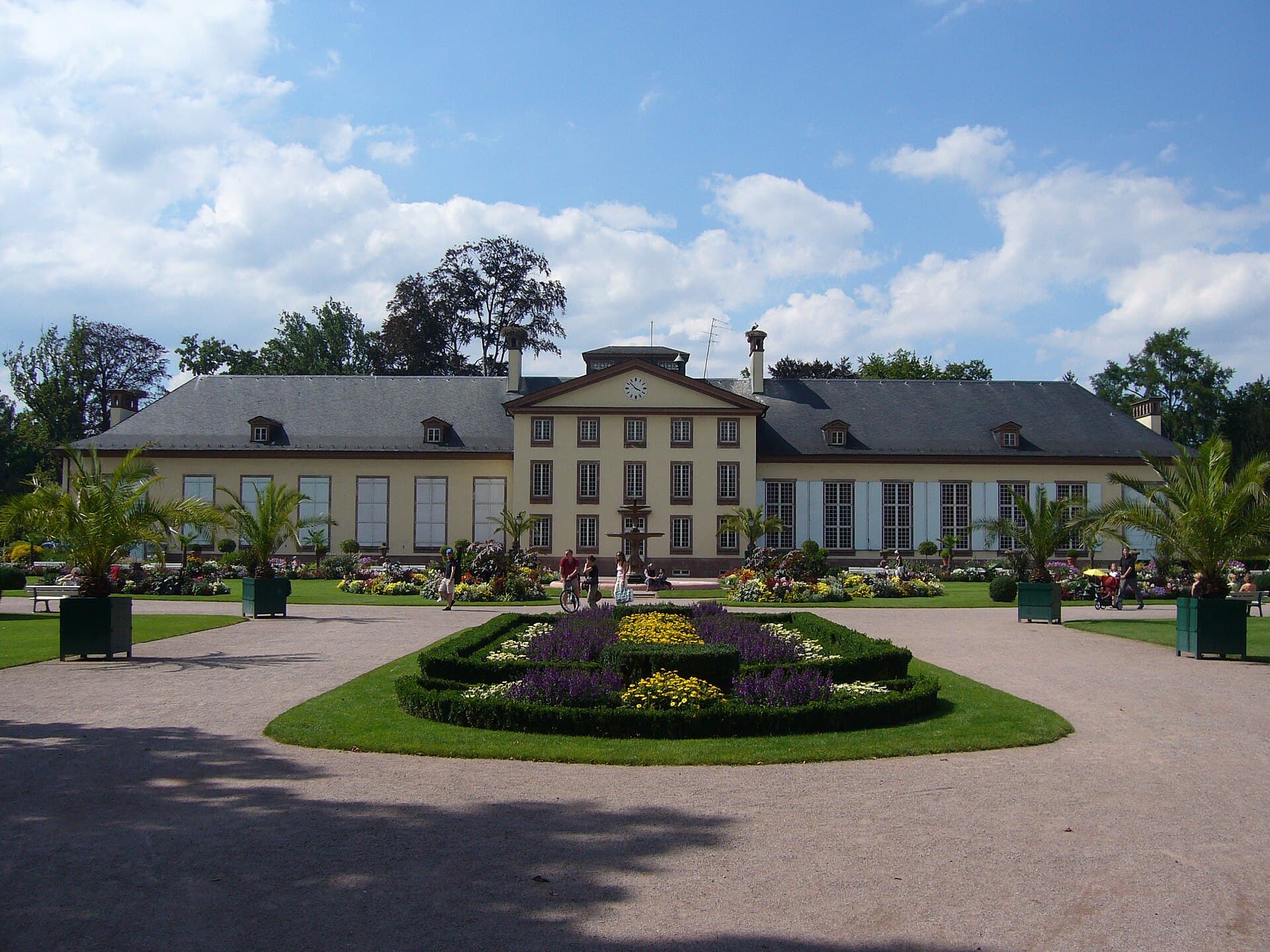 Parc de l'OrangerieThe Orangerie is Strasbourg's oldest and best-loved park: 26 hectares arranged i8 minutes walk4.5
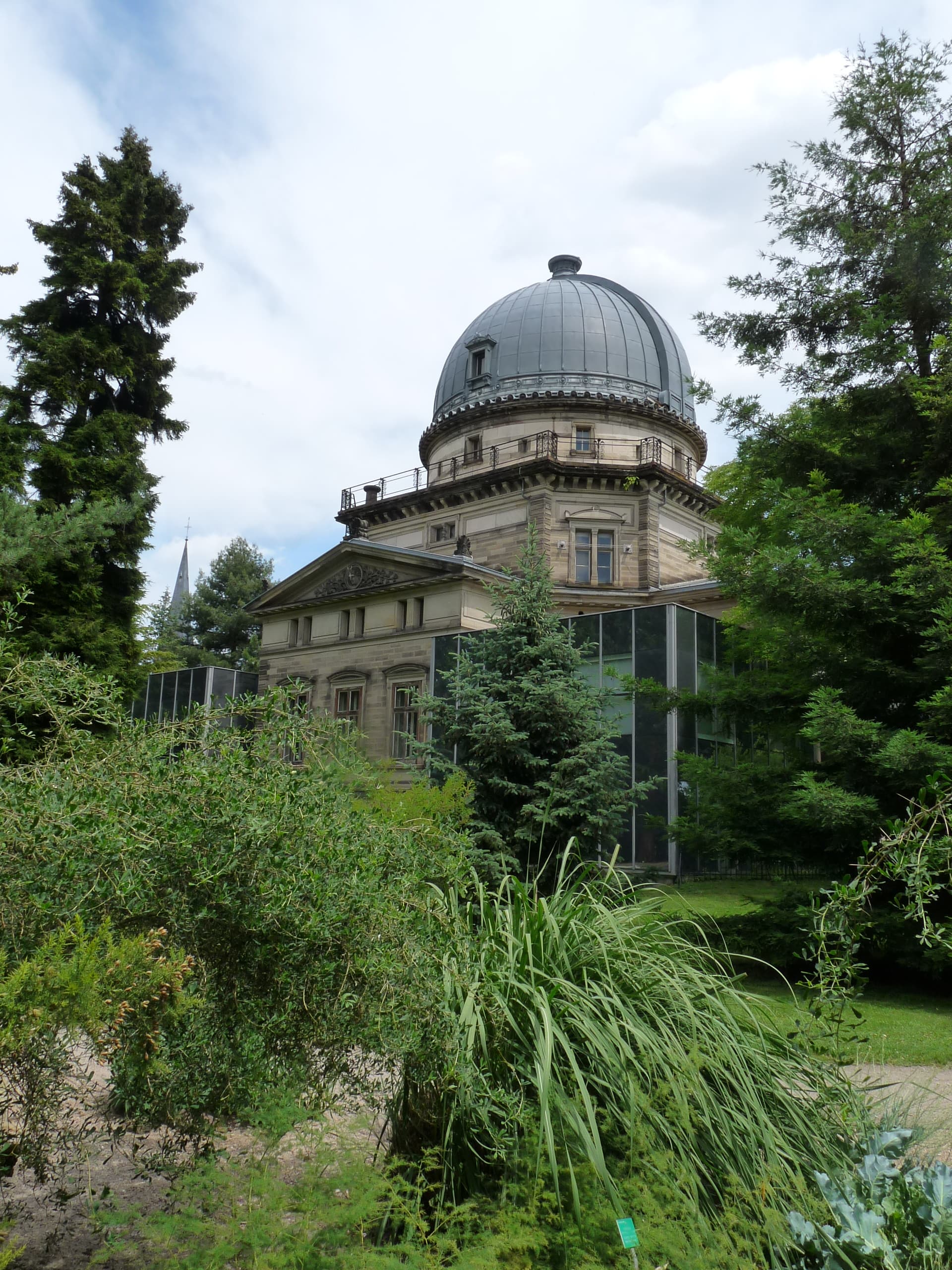 Strasbourg University Botanical GardenA botanical garden of the University of Strasbourg on the historic campus, the s22 minutes walk4.3
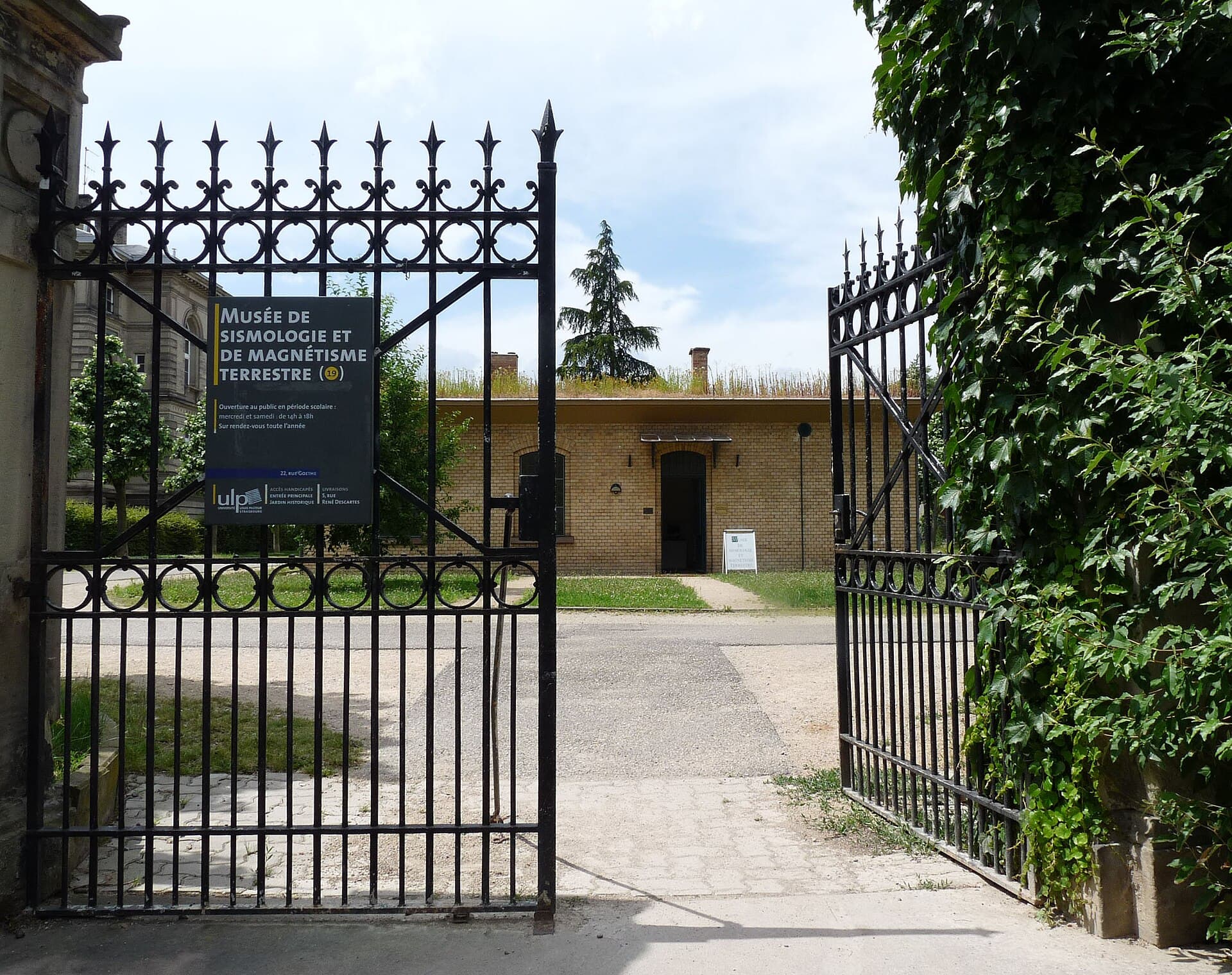 The Museum of SeismologyA small museum on the University of Strasbourg campus occupying the seismologica22 minutes walk4.2
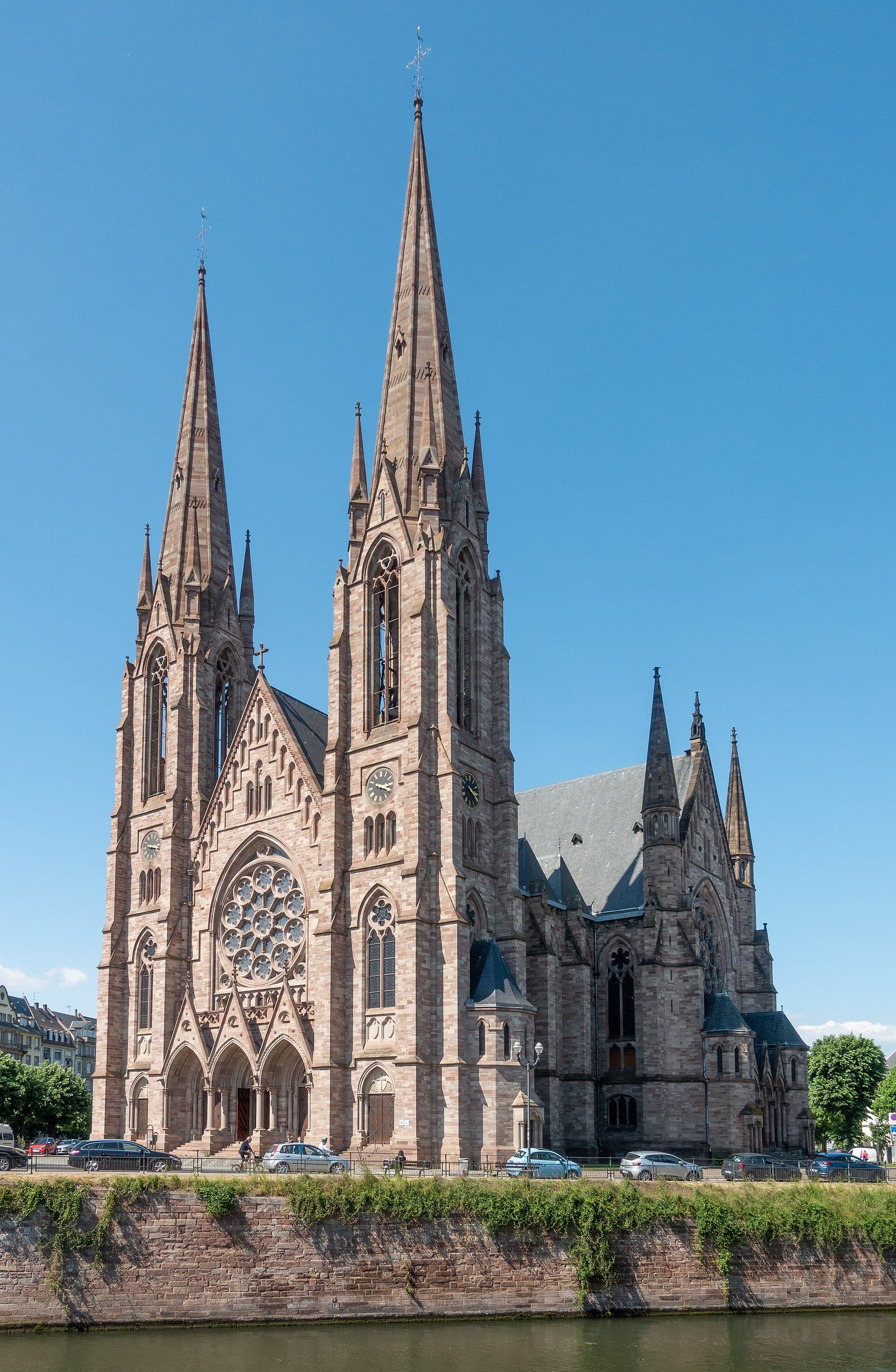 Saint-Paul's ChurchA Protestant church in the Gothic Revival manner on a spit of land where two wat22 minutes walk4.6
Two entirely separate institutions. The European Union is a political and economic bloc of twenty-seven states with a parliament, a commission and a shared currency for some members. The Council of Europe is older and wider, founded in 1949 with dozens of member states, and its remit is human rights and democracy; the European Court of Human Rights belongs to it. Both have seats in Strasbourg, which is where the confusion comes from.
Yes, the European Parliament receives visitors but by prior arrangement and under security conditions, and plenary sessions sit only in certain weeks of the year. Check the Parliament's site before your trip if that interests you — booking is well in advance.