
The hemicycle
705 seats in twenty-four languages — the largest transnational elected chamber.
Diliff — CC BY-SA 3.0 · Photo Claude TRUONG-NGOC — CC BY-SA 3.0 · FrDr — CC BY-SA 4.0 · fotogoocom — CC BY 3.0
In Strasbourg sits the continent's parliament: the cylindrical glass Louise Weiss building on the Ill, hosting the European Parliament's plenary sessions — the city chosen as symbol of Franco-German reconciliation on ground they fought over for centuries. Visiting is free and open: the vast hemicycle — 705 seats in all the Union's languages — from the visitors' gallery, and the interactive Simone Veil gallery on European democracy's journey in twenty-four languages. In session weeks (about one monthly) live debates can be attended by booking. The building is itself a symbol: a deliberately 'unfinished' glass cylinder — democracy forever under construction — set in the European quarter with the Council of Europe and Human Rights Court, the Orangerie park opposite for the day's close.
705 seats in twenty-four languages — the largest transnational elected chamber.
Architecture saying deliberately: democracy never completes.
Europe's parliament on France and Germany's old battleground.
1 Allée du Printemps, 67000 Strasbourg
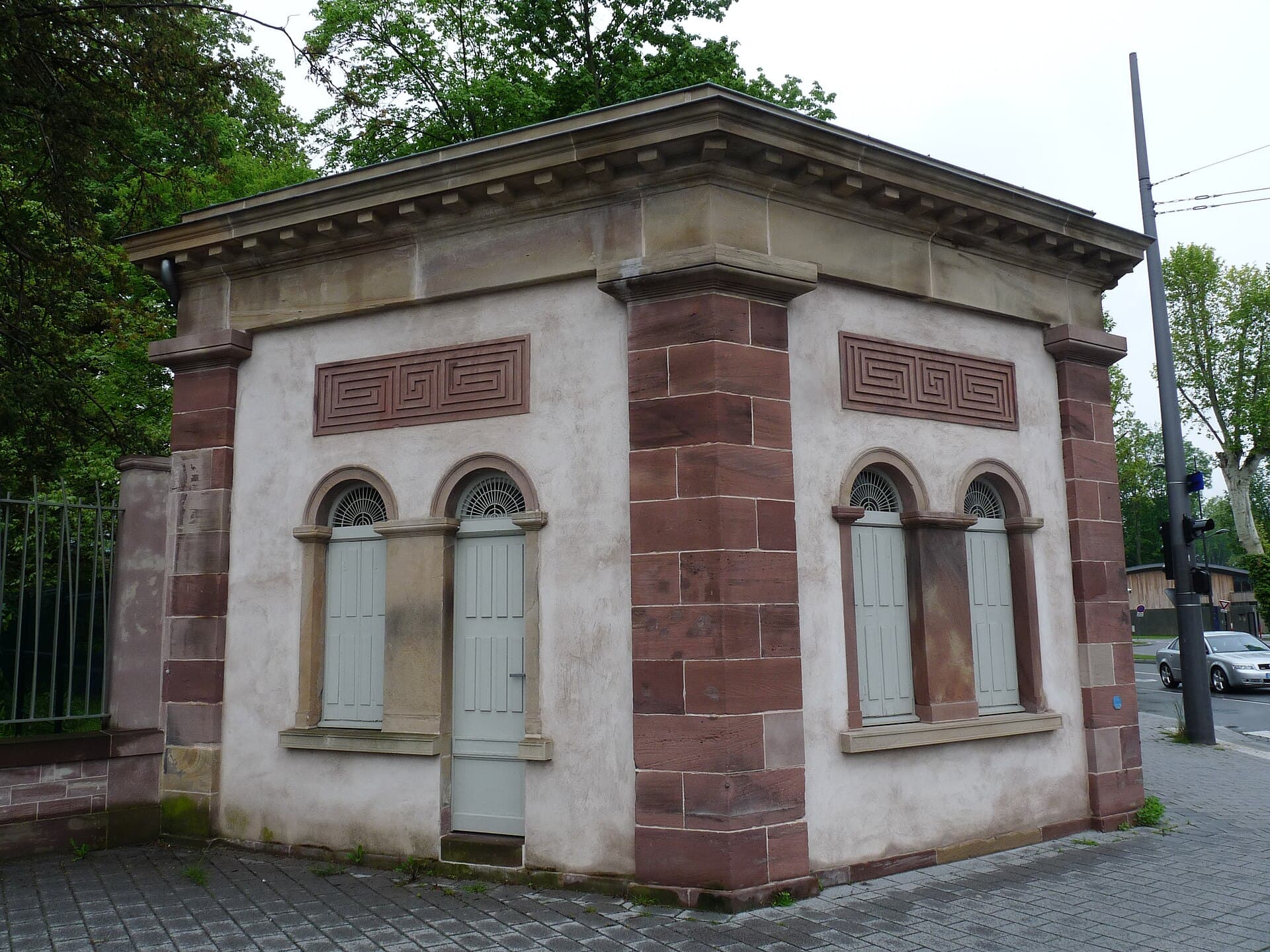 Lieu d'Europe (Kaysersguet)A cultural centre in a historic Alsatian house with a garden, devoted to explain7 minutes walk4.5
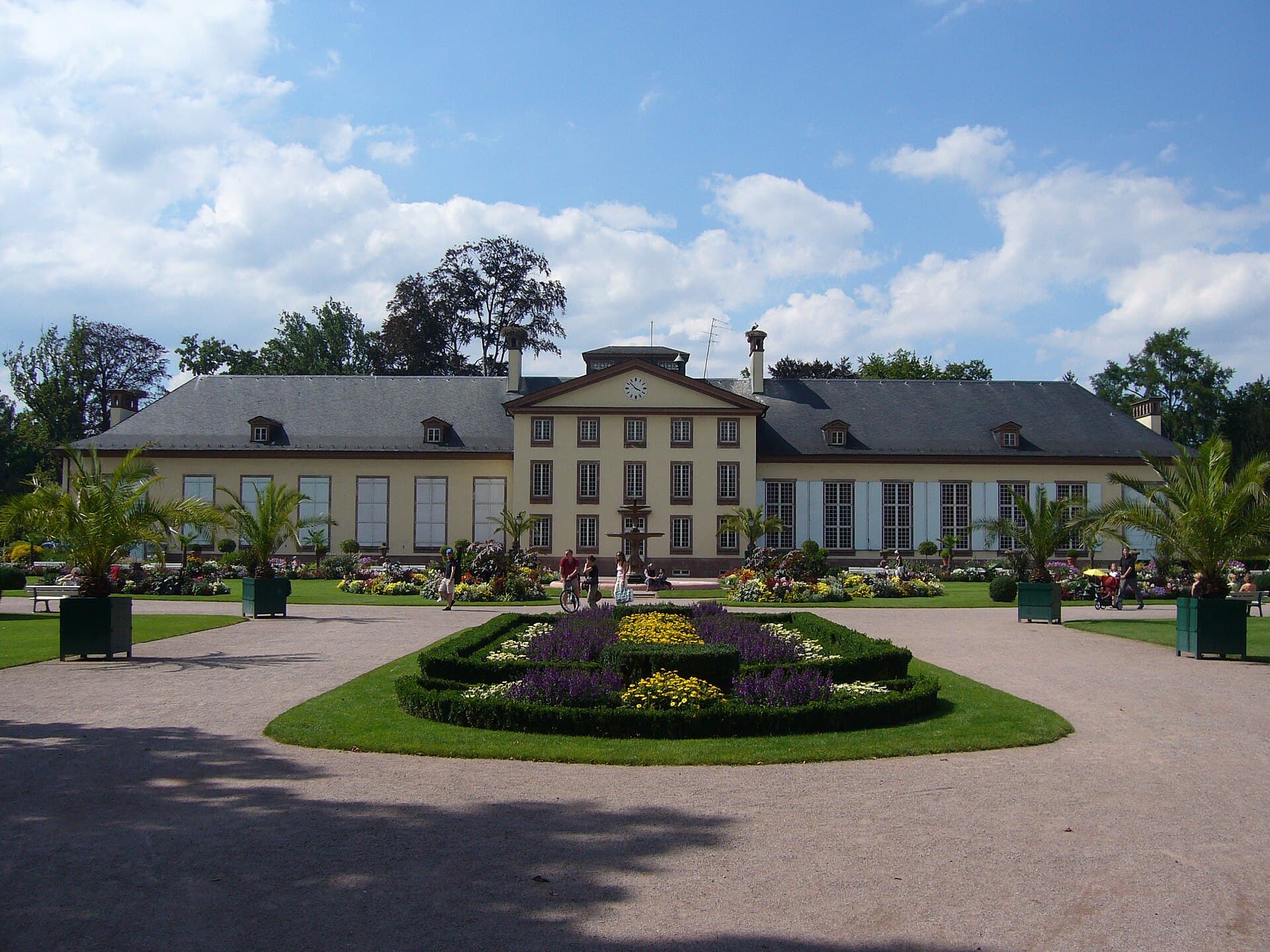 Parc de l'OrangerieThe Orangerie is Strasbourg's oldest and best-loved park: 26 hectares arranged i10 minutes walk4.5
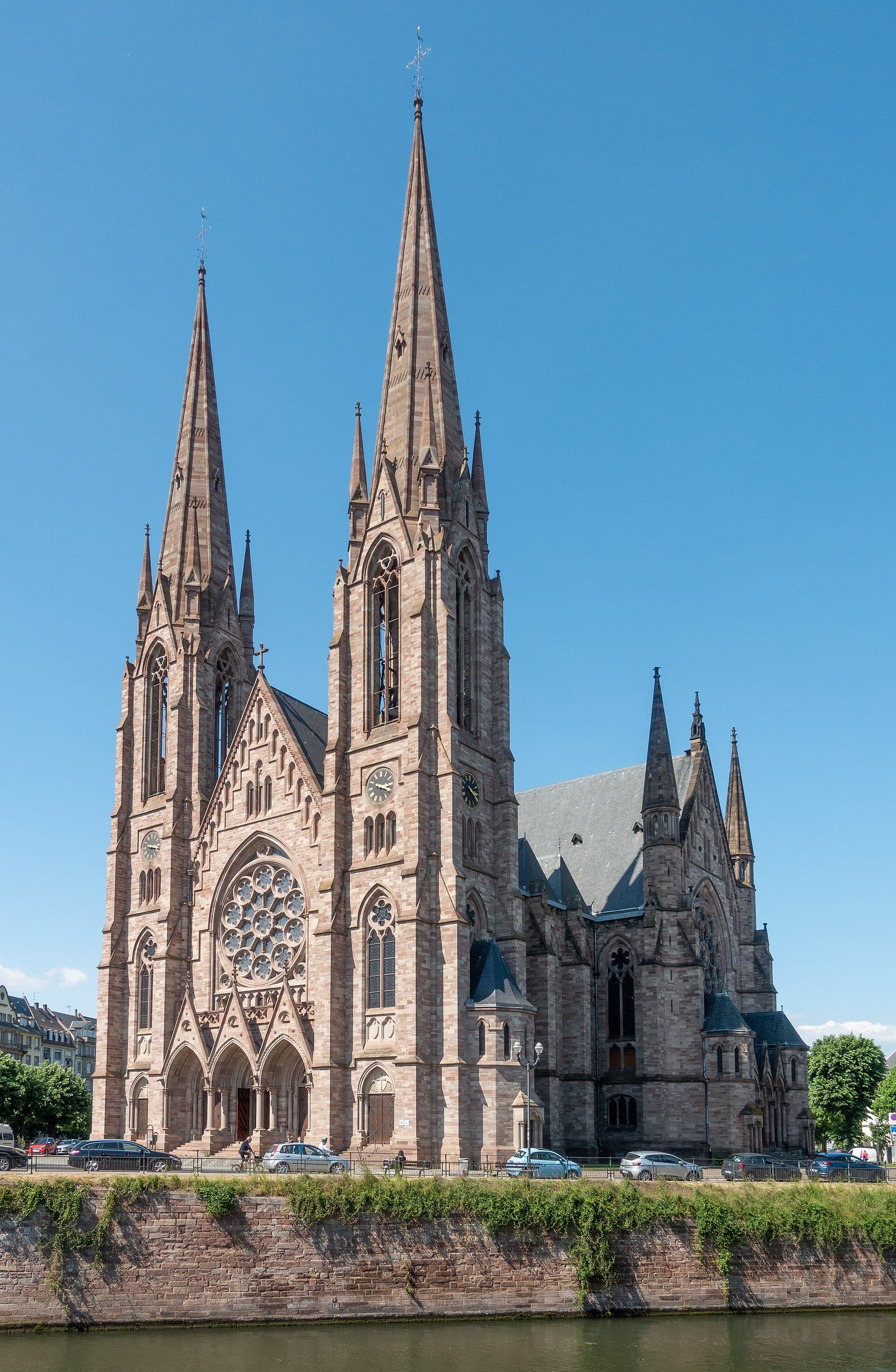 Saint-Paul's ChurchA Protestant church in the Gothic Revival manner on a spit of land where two wat18 minutes walk4.6
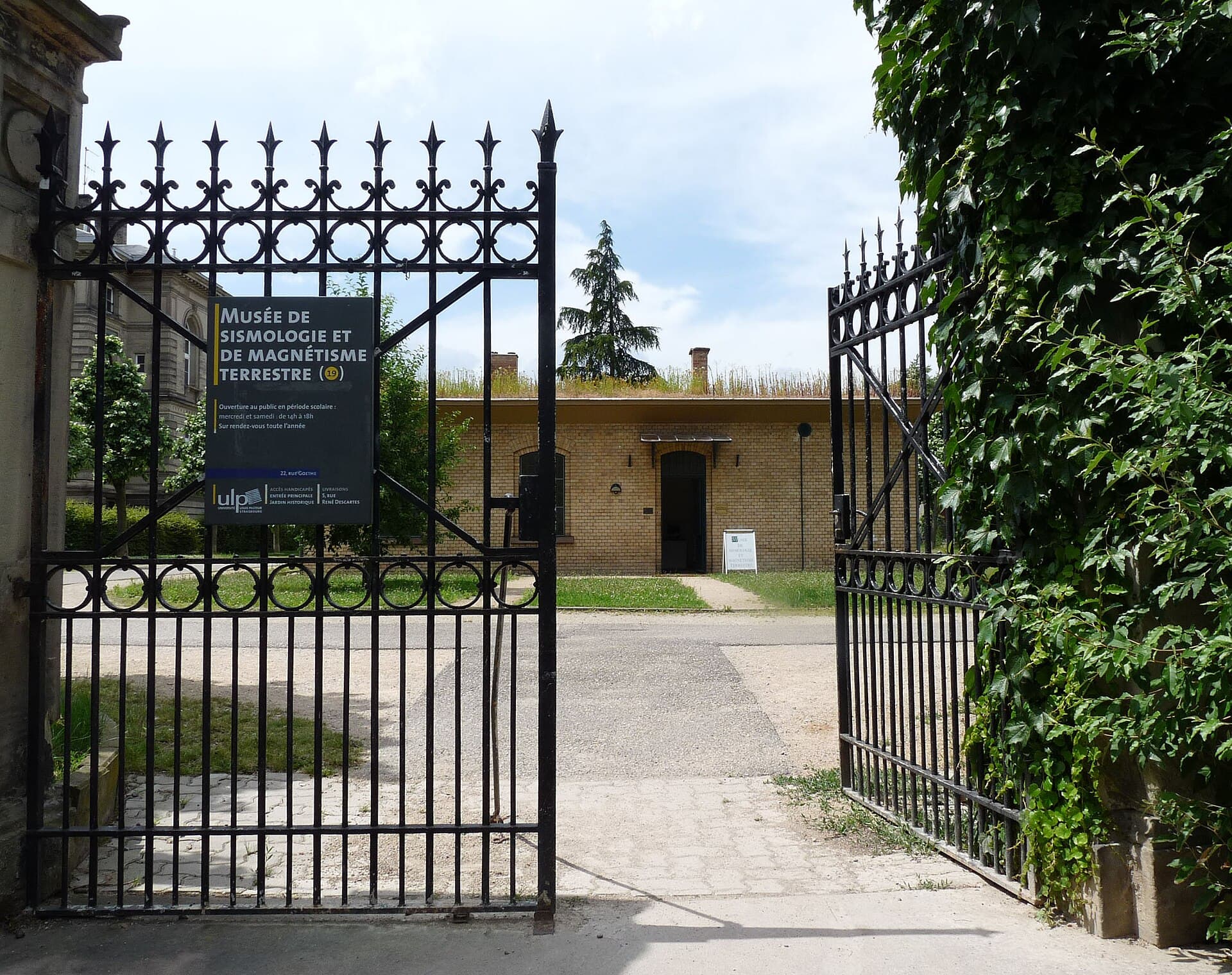 The Museum of SeismologyA small museum on the University of Strasbourg campus occupying the seismologica19 minutes walk4.2
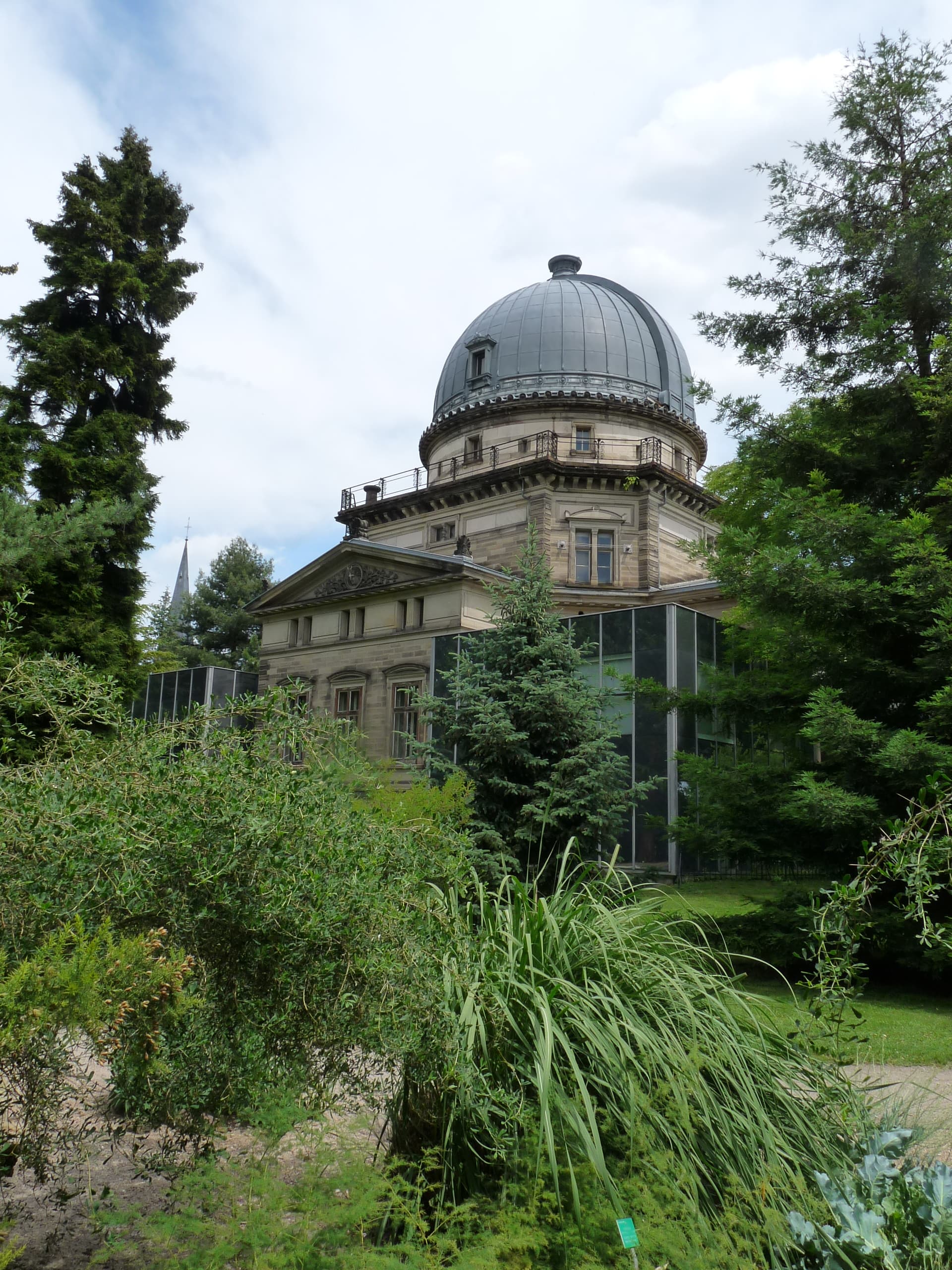 Strasbourg University Botanical GardenA botanical garden of the University of Strasbourg on the historic campus, the s19 minutes walk4.3
Both, by treaty text: Brussels for committees and daily work, Strasbourg for monthly plenaries — the historically contested border city chosen as reconciliation's founding symbol. The monthly migration forever stirs cost debate; the symbol holds.
As an experience of global citizenship, yes: a chamber of this scale run in twenty-four languages rewards contemplation whatever your passport — and the gallery reads as the story of a continent leaving two wars. Accompanying students or teens, it is an irreplaceable living lesson.
Tram E from the centre straight to the Parliament stop. Pair with the facing Orangerie (storks and lake) and the Council of Europe and Human Rights Court exteriors — the European quarter as a coherent half-day utterly unlike old Strasbourg.