
The dwarf elephant
A life-size model of an extinct Cretan mammal.
Pradigue — CC BY-SA 3.0 · C messier — CC BY-SA 4.0 · C messier — CC BY-SA 4.0 · C messier — CC BY-SA 4.0
A University of Crete museum in a former **power station** on the seafront west of the harbour, and by a wide margin **the best thing to do in Heraklion with children** — as well as one of the finest natural history museums in the eastern Mediterranean. Its subject is the ecology of the whole **Mediterranean basin** rather than Crete alone: life-size dioramas of each environment — mountain, forest, desert, coast and sea — with their animals and plants in full-scale scenes. Its best-known exhibits are the **dwarf elephant** and the **Deinotherium**: life-size models of mammals that lived on Crete during the ice ages. The island had **dwarf elephants and hippopotami** that shrank over generations through isolation — the well-known biological phenomenon of island dwarfism. It has an **earthquake simulator** in which visitors sit and feel a genuine recorded tremor — something children remember, and meaningful on an island astride an active fault line. **Discovery Cosmos** is an interactive section for younger children, and there is a small zoo of Cretan species.
A life-size model of an extinct Cretan mammal.
A real recorded tremor felt from a seat.
Mountain, forest, desert and sea at full scale.
Sofokli Venizelou Avenue, 71202 Heraklion
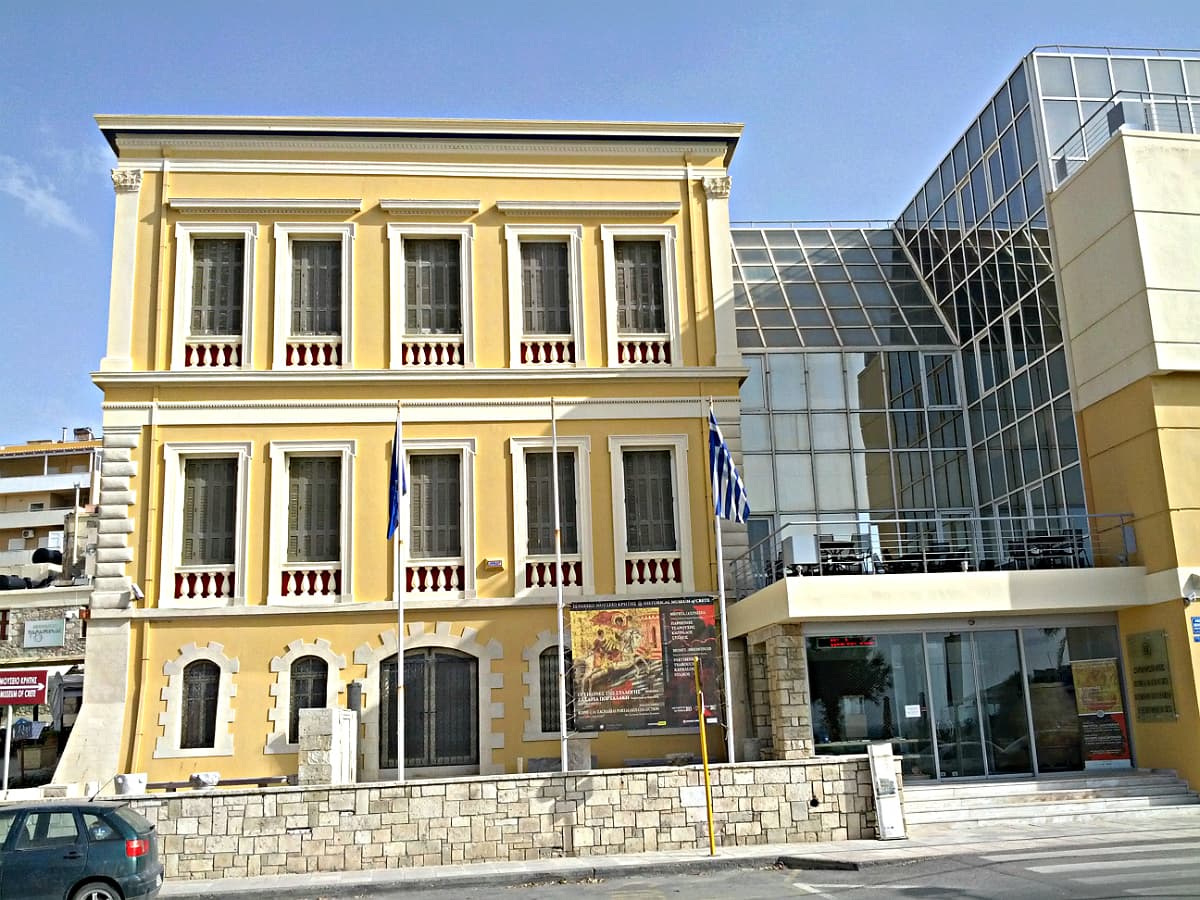 The Historical Museum of CreteThe Historical Museum takes the tale where the Archaeological leaves it: Crete f5 minutes walk4.7
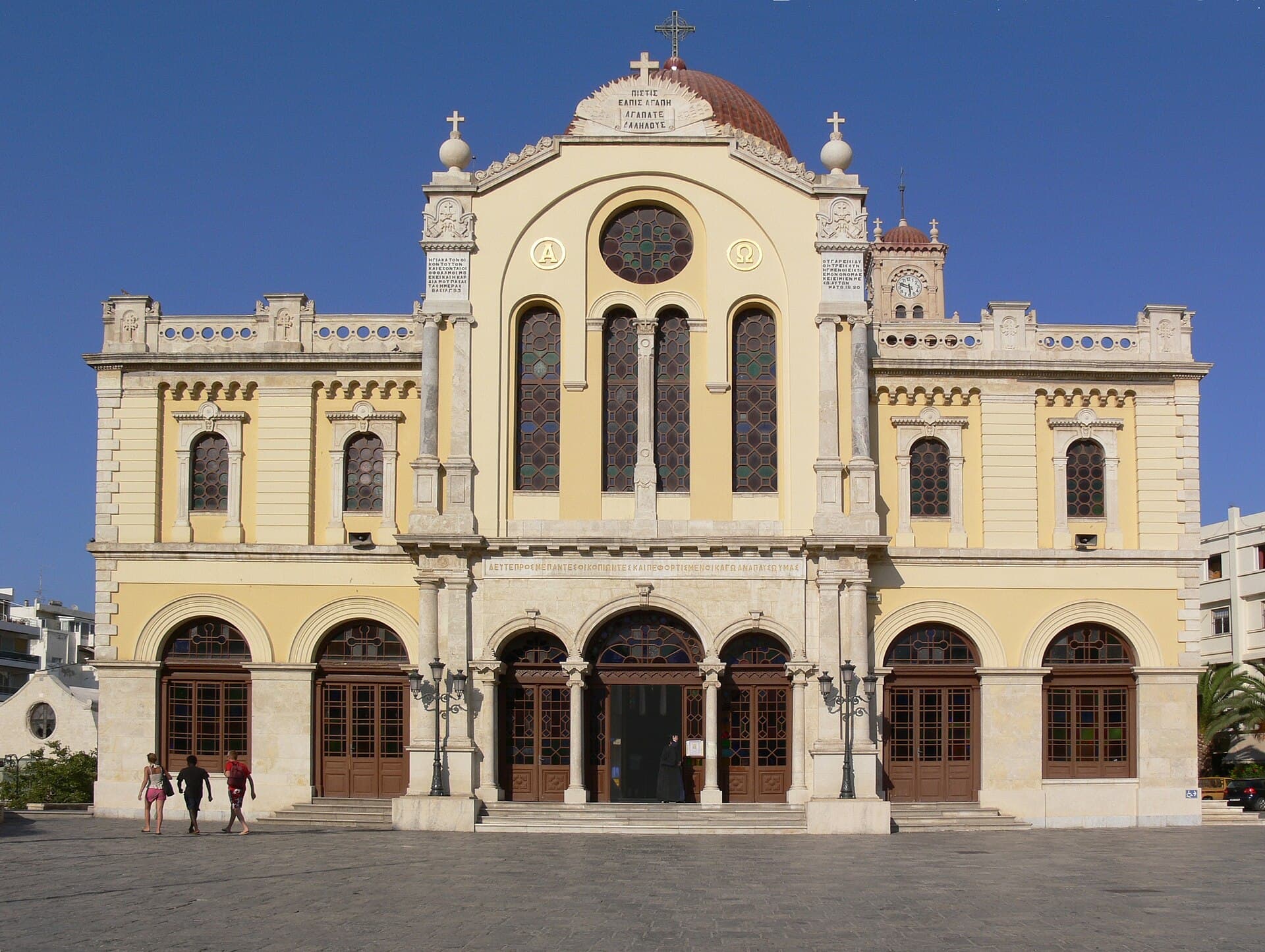 Saint Minas Cathedral**One of the largest cathedrals in Greece**: a vast domed building with two towe8 minutes walk4.8
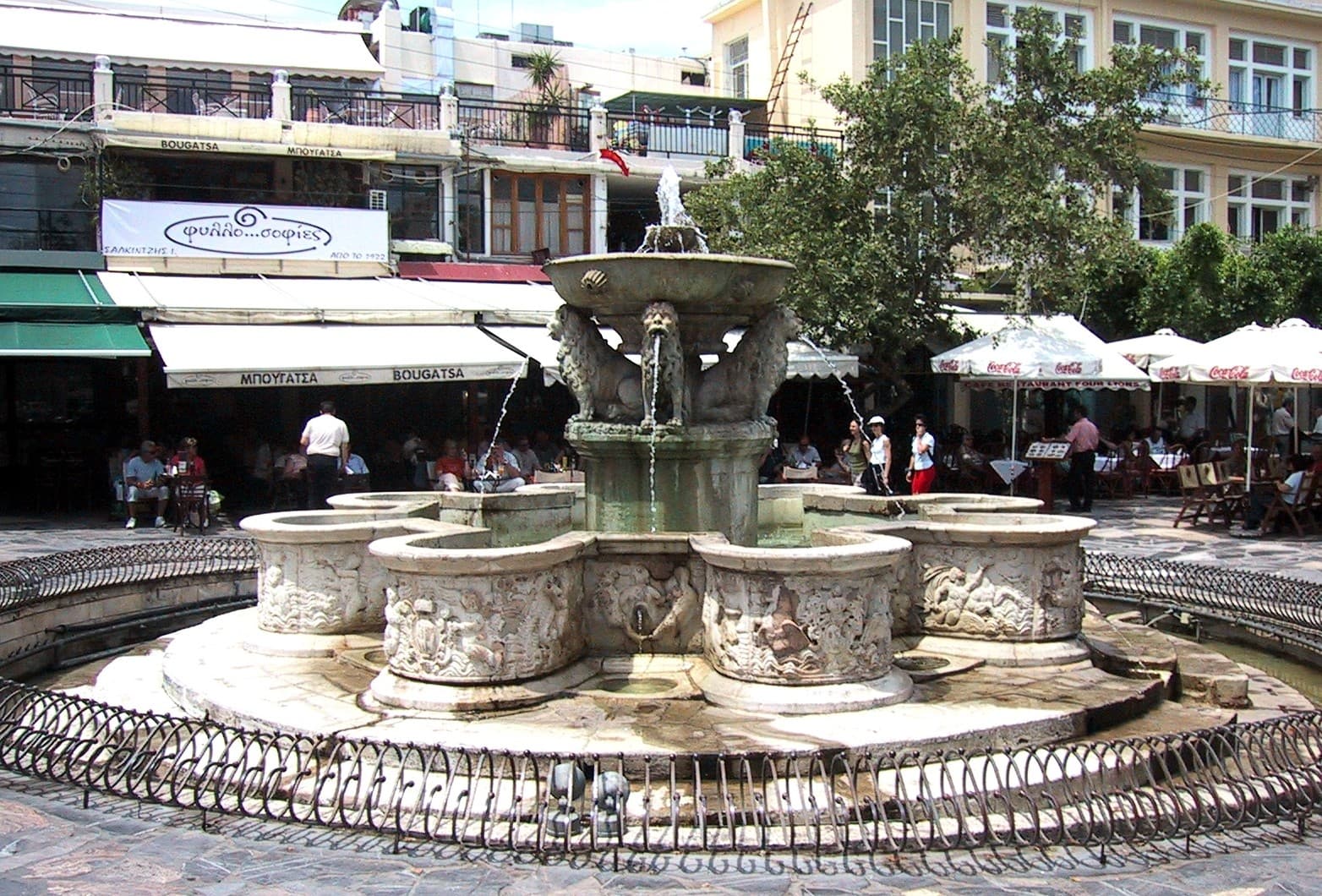 Lions Square & the Morosini FountainLions Square has been Heraklion's navel since Venice: the Morosini fountain (1628 minutes walk4.4
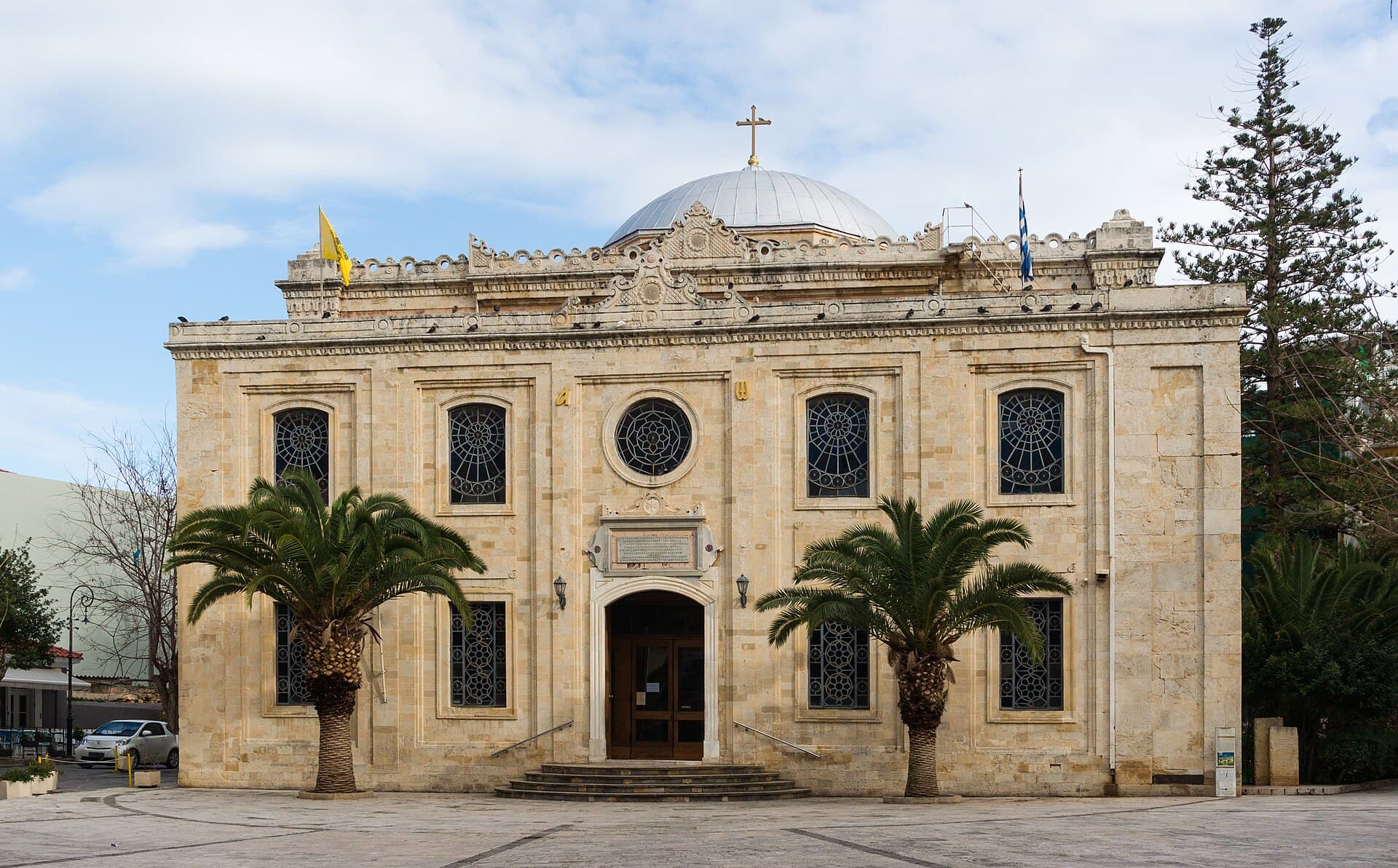 Church of Saint TitusIt stands on a small square in the middle of Heraklion, and its present shape gi10 minutes walk4.6
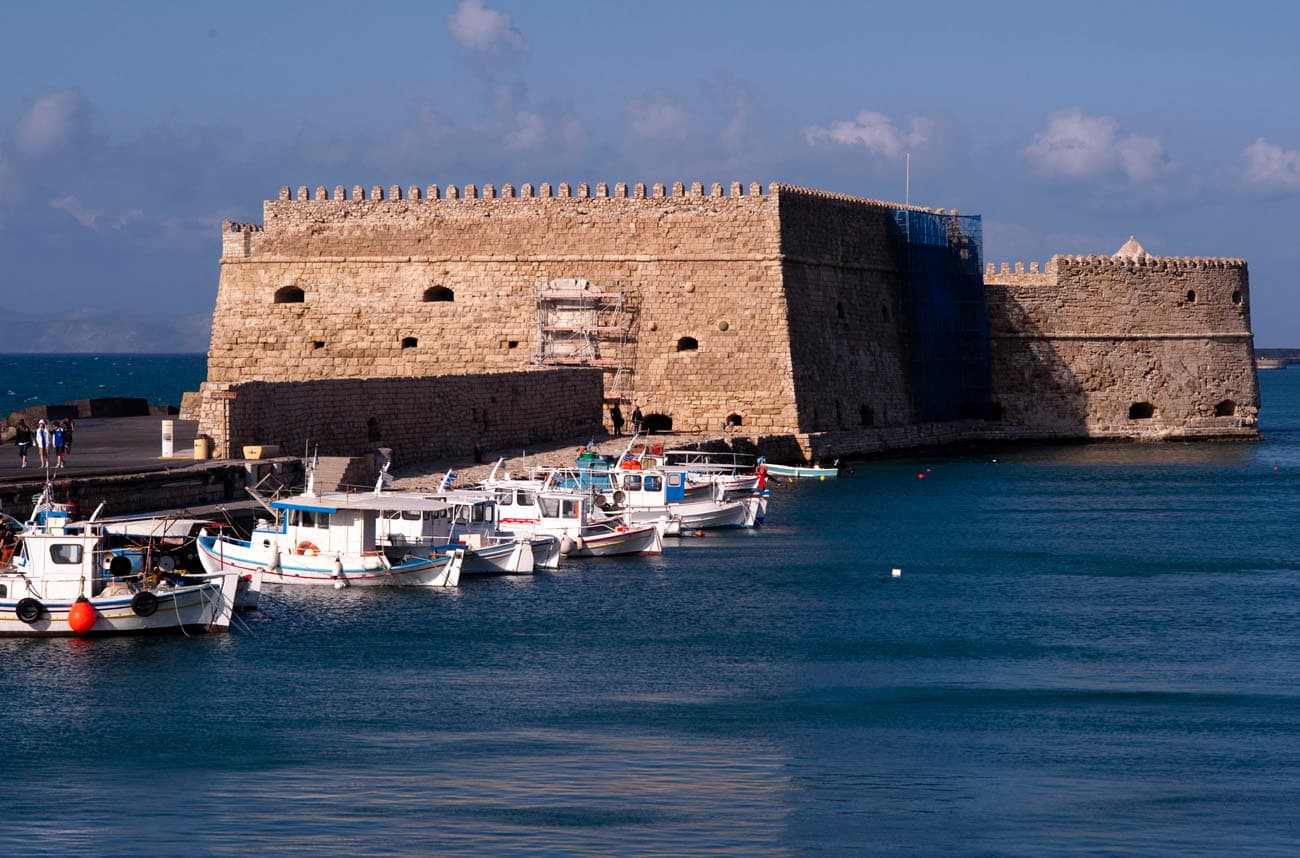 Koules Fortress & the Venetian HarbourKoules is Heraklion's sea warden: Venice's square fortress (1523-1540) on the ha12 minutes walk4.7
A well-known biological phenomenon: when large mammals are **isolated on an island** with limited space and food and no large predators, successive generations tend to get **smaller**, because a small body needs less food and lives longer. It happened on Crete during the ice ages: the island had **dwarf elephants, hippopotami and deer**, some no larger than a cow or even a pig. The reverse also occurs — **island gigantism** — in small animals such as rodents. The museum shows this with life-size models, and it is one of the clearest explanations of the concept for a non-specialist.
Yes, and it is the best thing in Heraklion for them. The exhibits are **three-dimensional and life-size** rather than text behind glass; there is **Discovery Cosmos**, an interactive section for younger ones with stations they work by hand; a **small zoo** of Cretan species; and the **earthquake simulator** they remember. ⚠ But take care with the simulator for under-fives or anyone frightened by sudden noise — the tremor is strong and realistic. Allow at least an hour and a half, and the seafront setting means you can walk afterwards.