
A square made by war
The open space is destruction that was never rebuilt.
Jorge Franganillo from Barcelona, Spain — CC BY 2.0 · Jorge Láscar from Melbourne, Australia — CC BY 2.0 · Nenea hartia — CC BY-SA 4.0 · Nenea hartia — CC BY-SA 4.0
An open square in the heart of Riga's old town, ringed by cafés and restaurants in coloured frontages, and the only large open space within the old town's tight fabric. Its existence is itself a war scar. Until the Second World War this space was entirely built over with a network of medieval lanes and houses, destroyed in the bombing of 1941. The area was not rebuilt after the war but levelled and opened as a square, which is why it feels unusually wide in the middle of an old town that is close-packed everywhere around it. Some of Riga's most striking Art Nouveau and eclectic buildings stand around the square, among them the Cat House with its two metal cats on the roof, and the halls of the Great and Small Guilds. The square today is the centre of the old town's nightlife and restaurants, which means it is also the most crowded and the most expensive part of Riga. Practical points: the square is free and always open. Its cafés and restaurants cost clearly more than the streets two minutes away — use it for sitting and for the setting rather than for cheap food.
The open space is destruction that was never rebuilt.
Two metal cats on the roof, Riga's best-known architectural detail.
The Great and Small Guild halls stand on the same square.
Old town, Riga
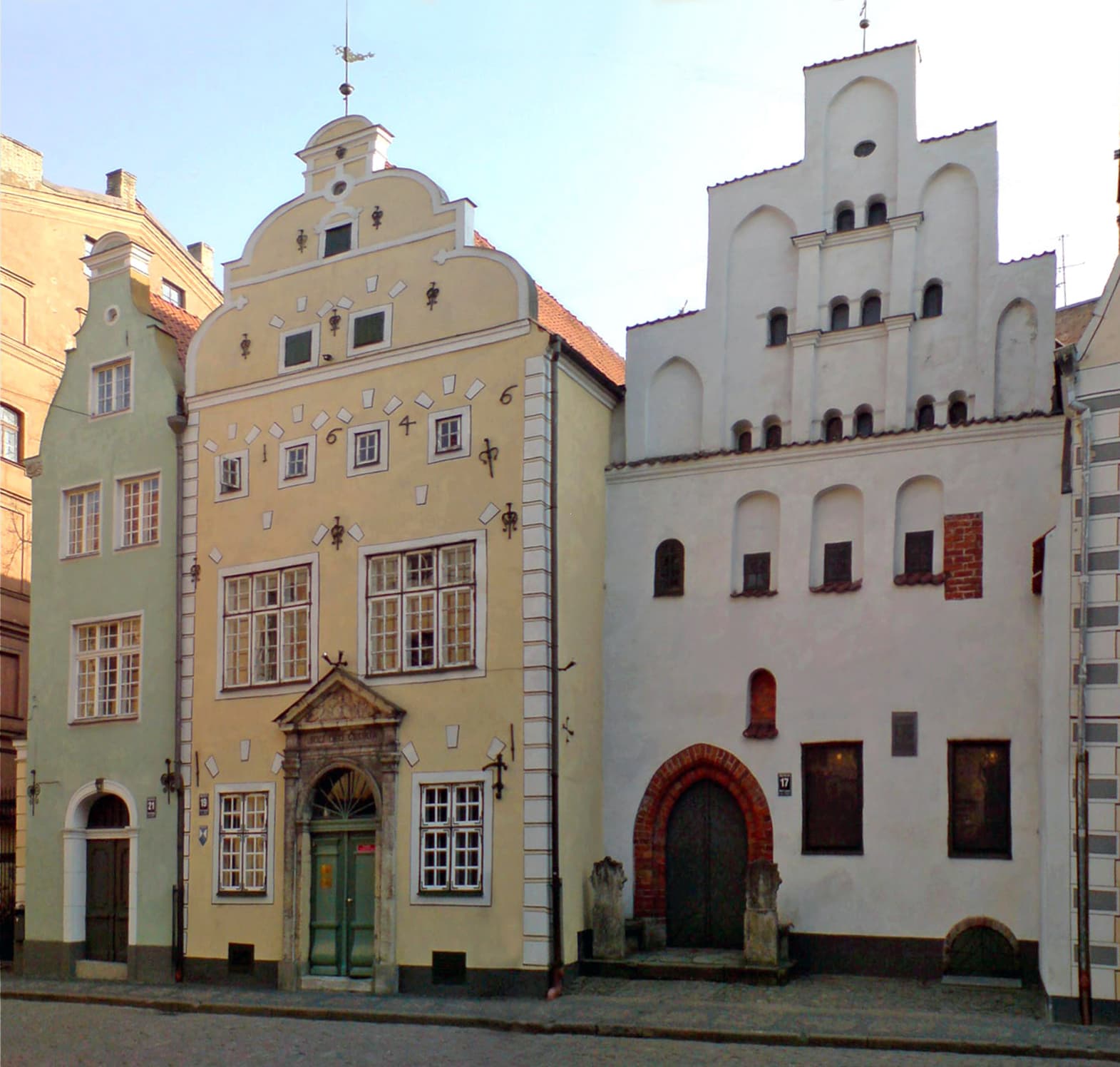 The Three BrothersThree joined houses that condense five centuries of domestic architecture: the T3 minutes walk4.5
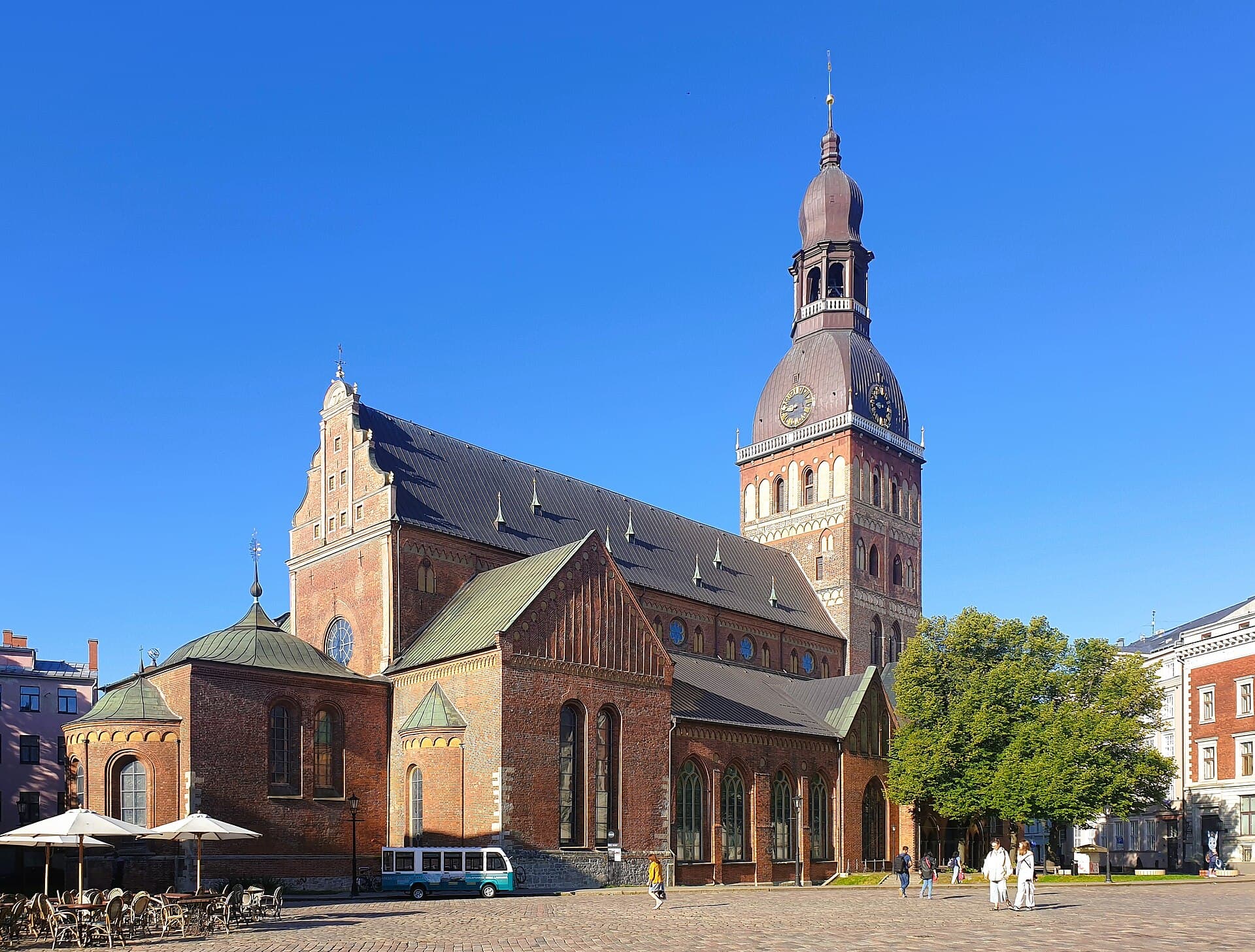 Riga Cathedral and Dome SquareThe largest medieval church in the Baltic states, with an organ that was once th3 minutes walk4.8
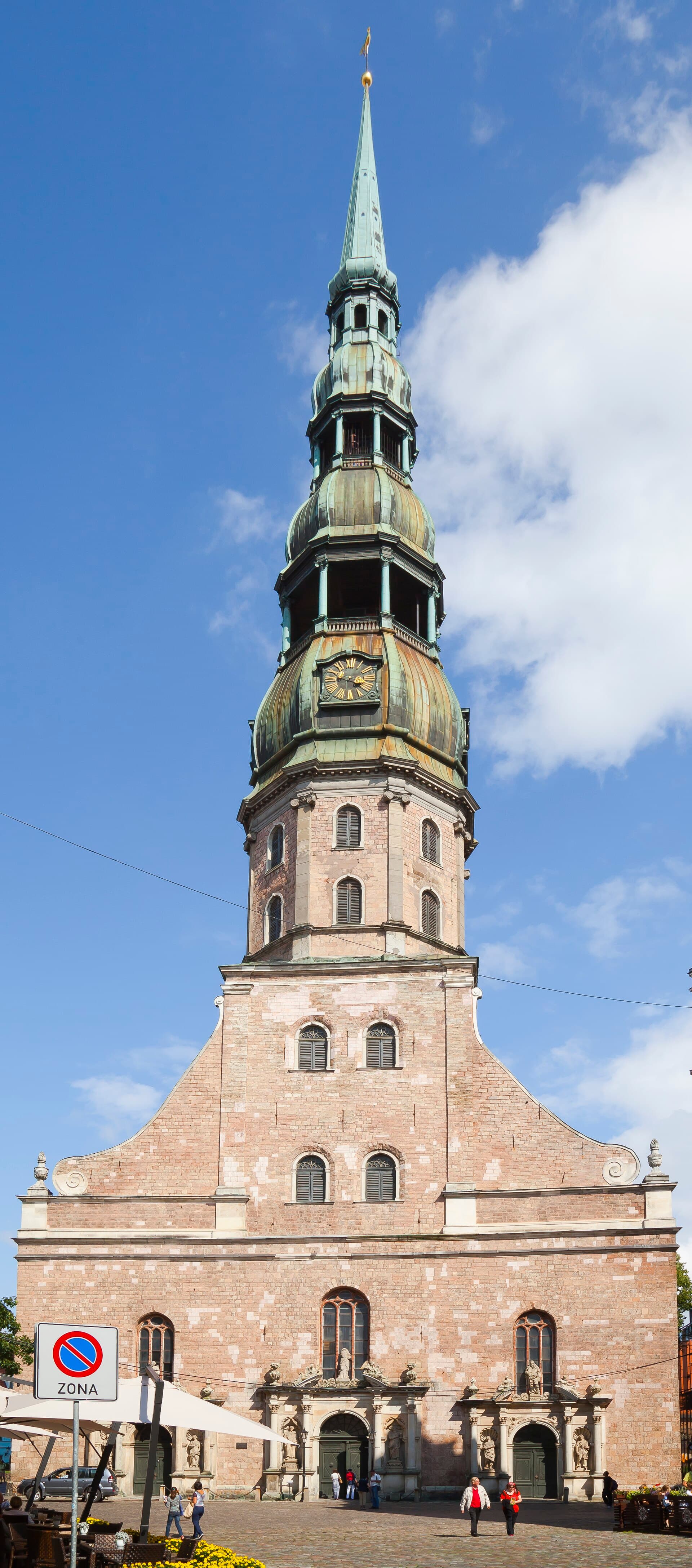 St Peter's ChurchOld Riga's tallest spire and its best view: the Gothic brick church of St Peter 4 minutes walk4.7
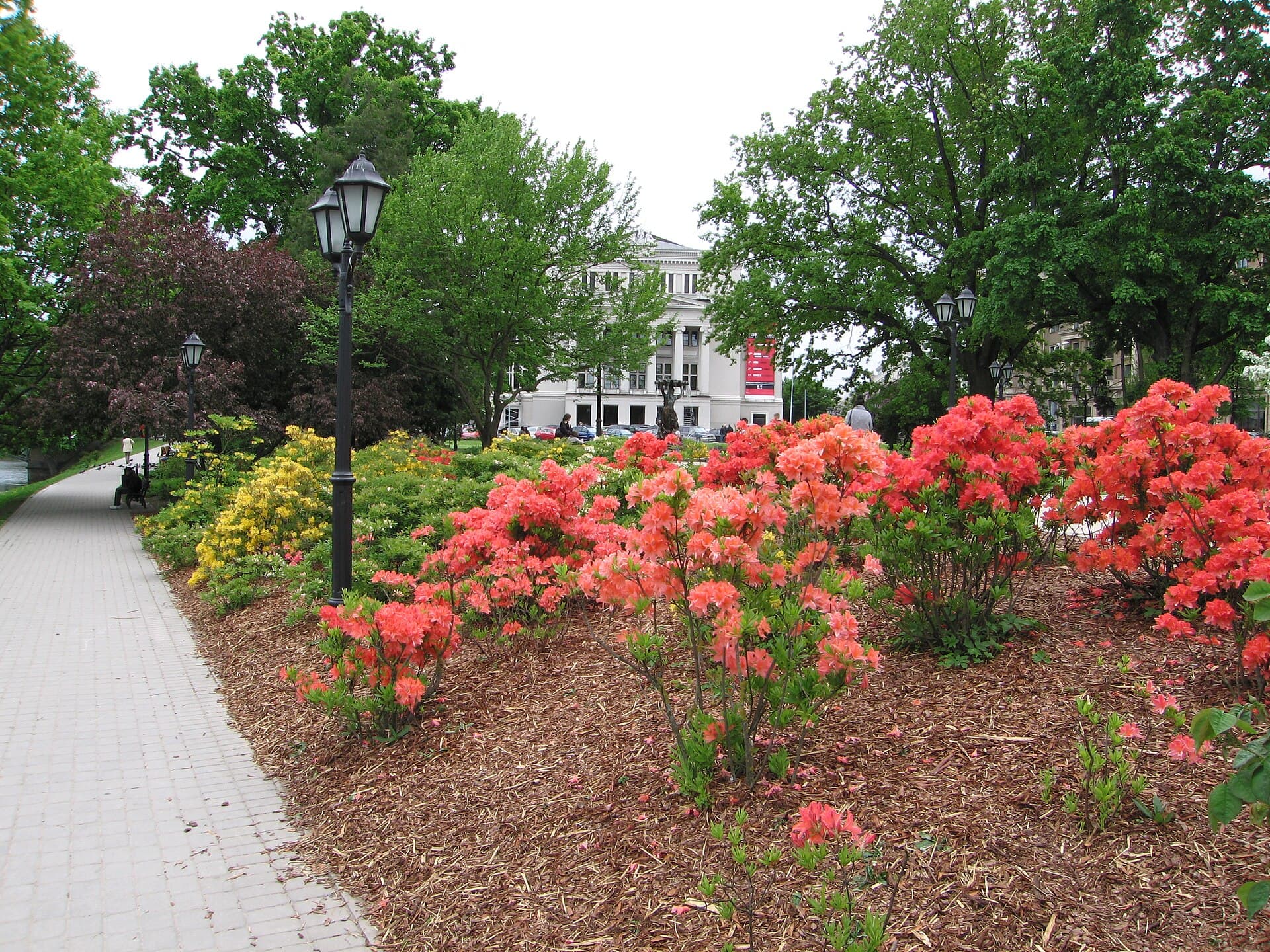 The Art Nouveau District and BastejkalnsThe city with more Art Nouveau than any other on earth: a third of central Riga'4 minutes walk4.8
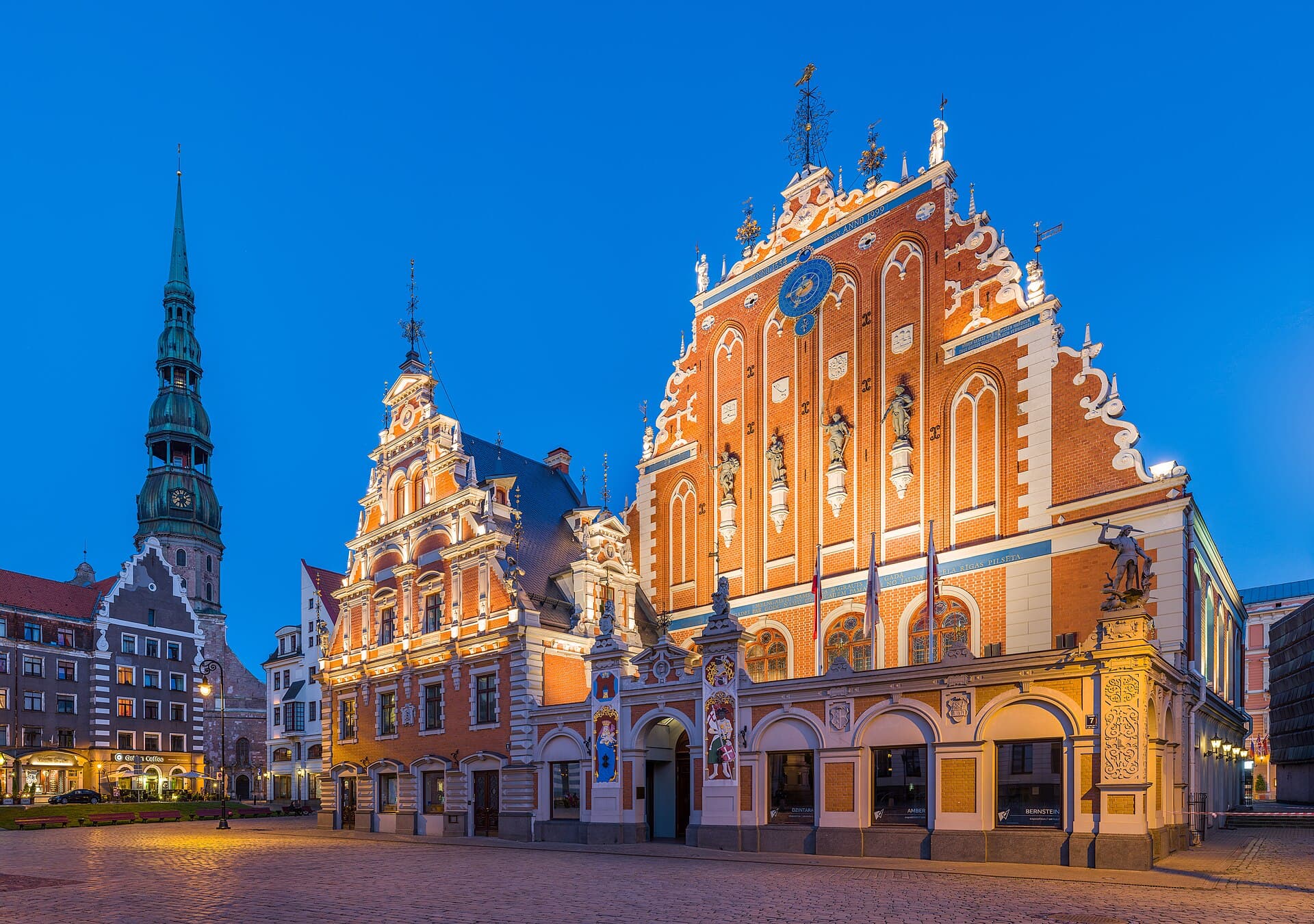 House of the BlackheadsLatvia's most famous facade — and only thirty years old: the House of the Blackh4 minutes walk4.7
The story told is that a Latvian merchant was refused entry to the Great Guild and put two metal cats on the roof of his house facing the guild hall, tails towards it, as an insult. It ended in a lawsuit and a settlement after which the cats were turned around. The tale is folklore and may be embroidered, but the cats are real and the house is from the early twentieth century.
Two steps off the square. The narrow old-town streets behind it hold restaurants at roughly half the price, and Riga Central Market is a ten-minute walk and both the cheapest and the most local. The rule in Riga as in most old towns: price is inversely proportional to the width of the street.