
Alberta street
A full row of Eizenstein facades.
Dmitrij M — CC BY 3.0 · Diego Delso — CC BY-SA 3.0 · Scotch Mist — CC BY-SA 4.0 · Scotch Mist — CC BY-SA 4.0
The city with more Art Nouveau than any other on earth: a third of central Riga's buildings — over eight hundred — went up between 1899 and 1914 in an enormous building boom, which is why UNESCO listed the city in the first place. No single building is the destination; the streets themselves are. Its heart is Alberta street: a full row of facades crowded with giant female faces, lions, masks and writhing plants, most designed by Mikhail Eizenstein (father of the Soviet director Sergei Eisenstein) — look up and never at the ground. At number 12 the Art Nouveau Museum occupies a flat furnished entirely in 1903 style, with a painted spiral stair. The district runs on into Elizabetes, Strēlnieku and Vīlandes streets, bounded by Bastejkalns park and the city canal — half an hour's walk from the old town, and the walk itself is the visit.
A full row of Eizenstein facades.
A fully furnished 1903 flat with its painted stair.
Boats and a park dividing old town from new.
Alberta iela, Riga
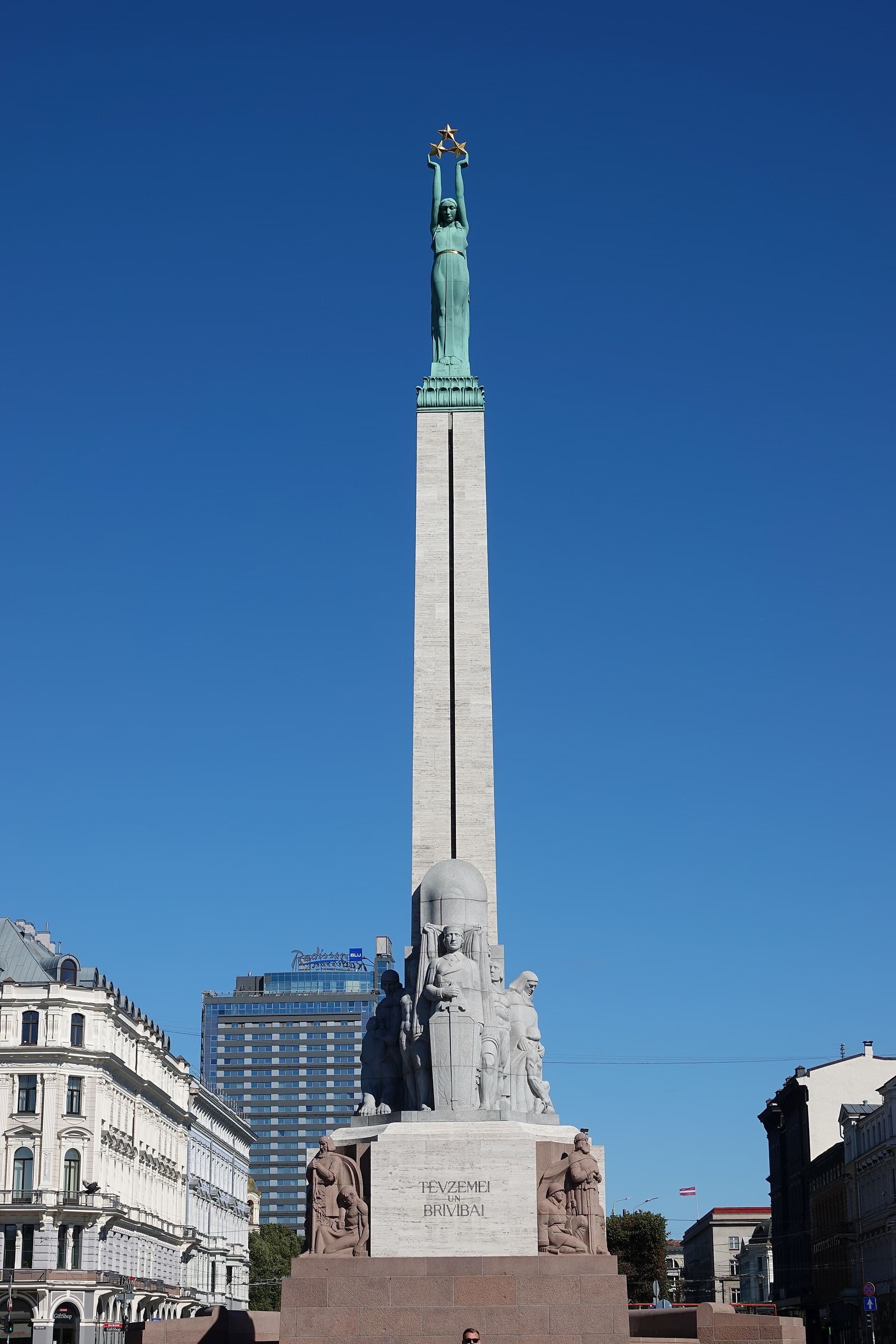 The Freedom MonumentThe symbol Latvians guarded with their eyes for fifty years: the Freedom Monumen1 minute walk4.6
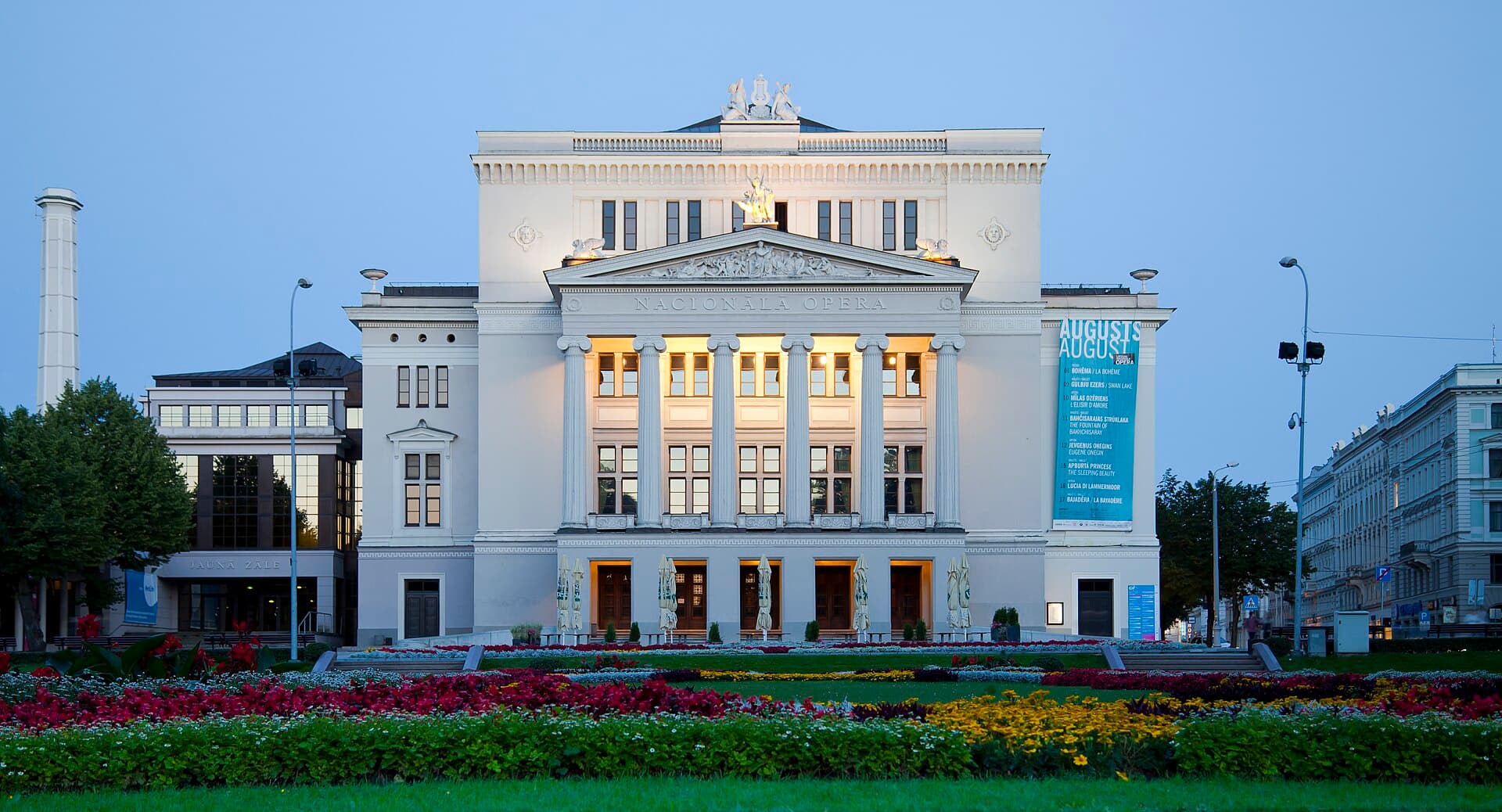 Latvian National OperaA white classical temple on the canal bank: Riga's opera house was built in 18633 minutes walk4.6
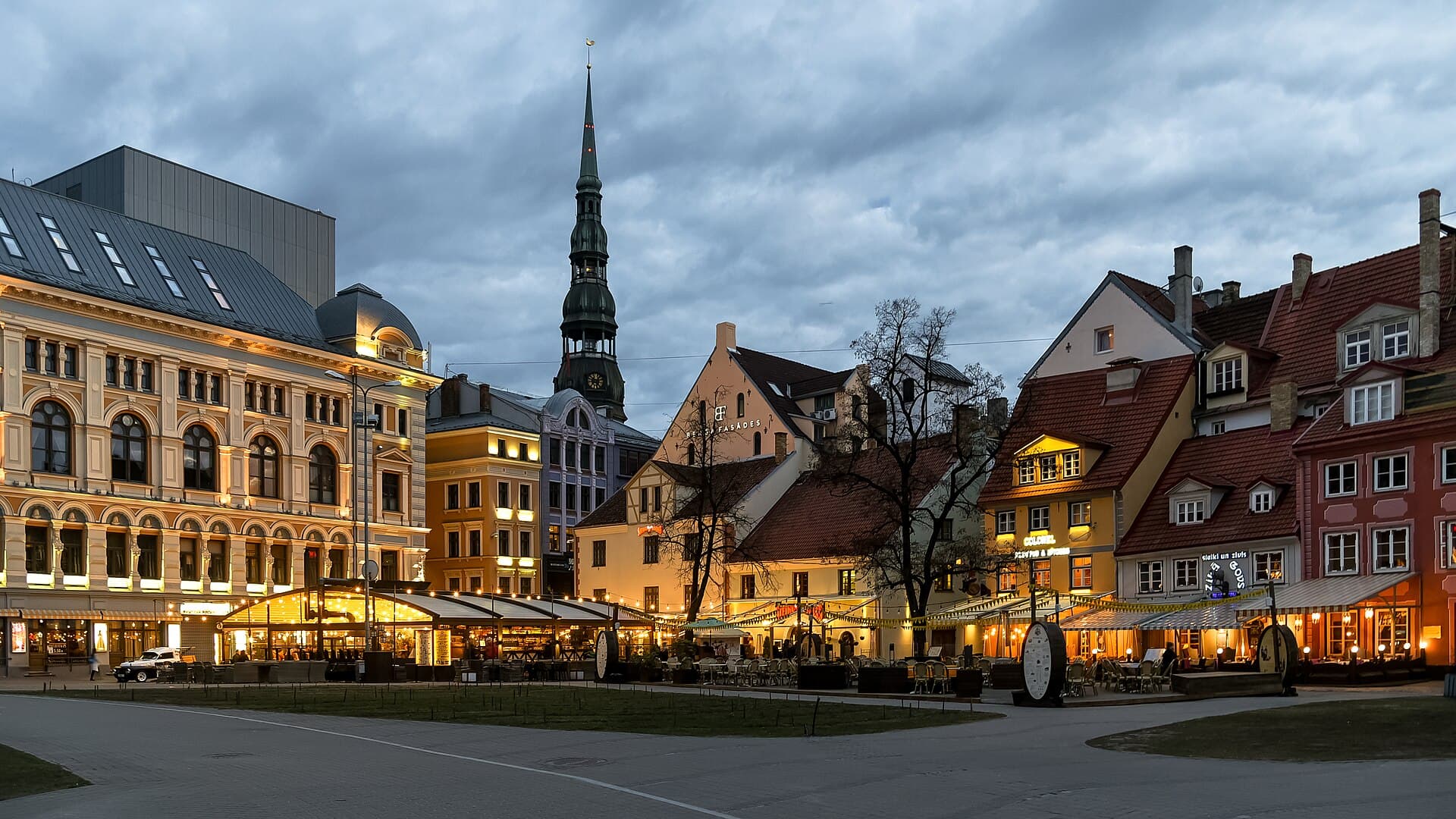 Līvu SquareAn open square in the heart of Riga's old town, ringed by cafés and restaurants 4 minutes walk4.5
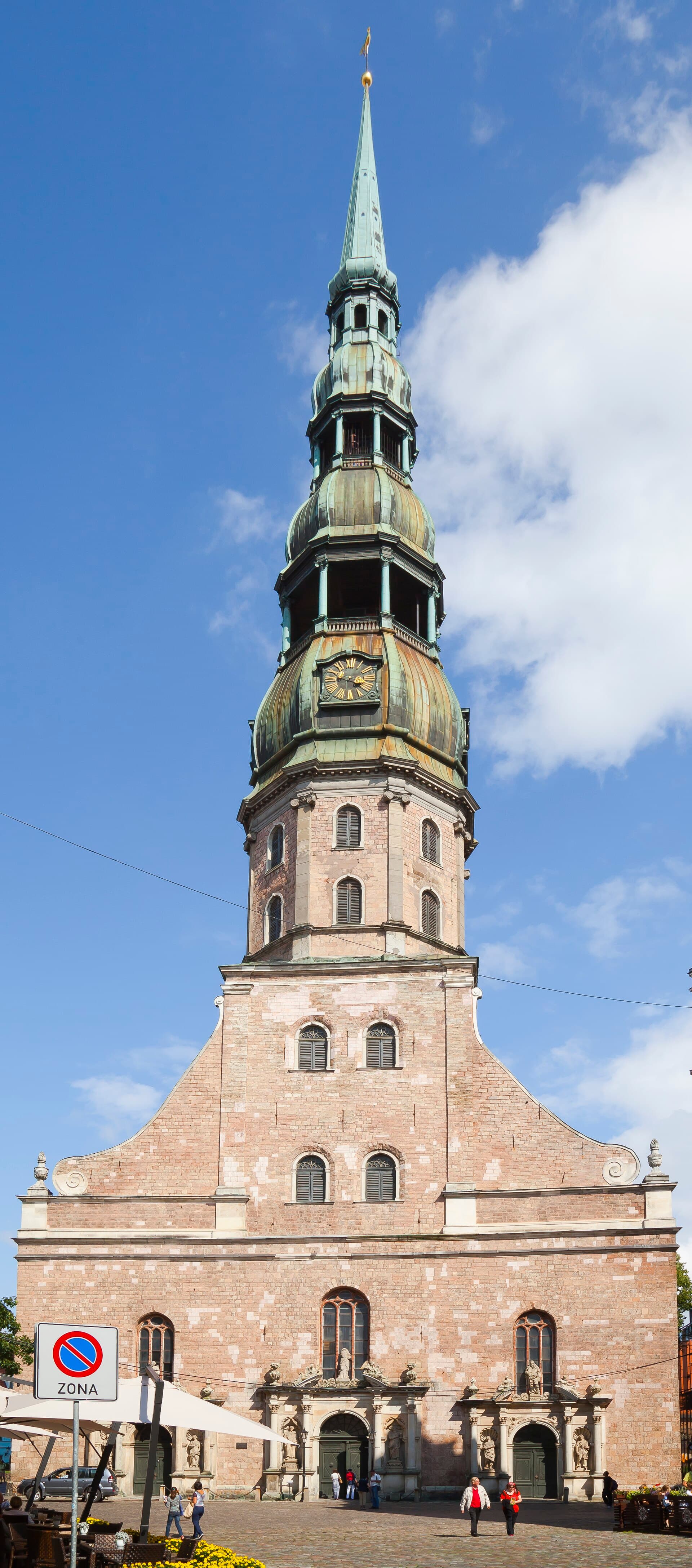 St Peter's ChurchOld Riga's tallest spire and its best view: the Gothic brick church of St Peter 5 minutes walk4.7
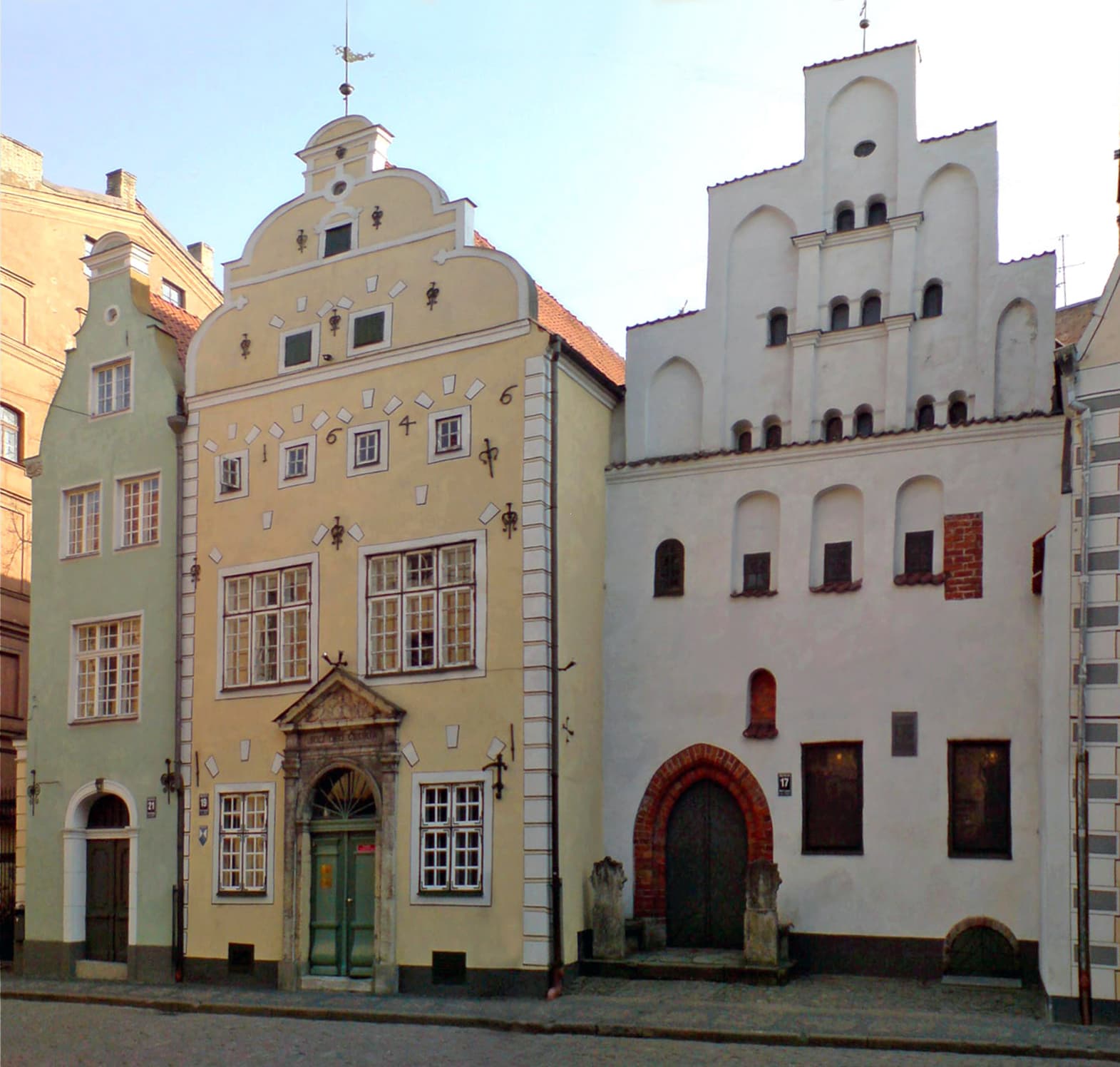 The Three BrothersThree joined houses that condense five centuries of domestic architecture: the T6 minutes walk4.5
A vast economic boom at the end of the nineteenth century made it one of the Russian Empire's fastest-growing cities, so it expanded beyond its walls all at once exactly when the style flourished — and nearly its whole centre went up in one idiom.