
A political gift
Copies were sent to several Romanian cities to assert Latinity visually.
Codrin.B — CC BY-SA 3.0 ro · Leontin l — CC BY-SA 4.0 · Alejandro Caserio — CC BY-SA 4.0 · FOTO:Fortepan — ID 4606: Adományozó/Donor: Unknown. — Public domain
A copy of the Roman Capitoline Wolf — the she-wolf suckling Romulus and Remus — in central Cluj, given to Romania by the city of Rome in 1921. The gift was not a protocol courtesy. After the First World War and the annexation of Transylvania, Italy sent copies of the statue to several Romanian cities — Cluj, Timișoara, Târgu Mureș, Blaj and others. The aim was clear: a visual assertion of Romanian Latinity in provinces that had until yesterday been under Hungarian rule. The idea rests on what Romanians call Daco-Roman continuity: that the present inhabitants of Romania descend from a mixture of Dacians and Roman colonists after Trajan's conquest in AD 106, and that the Romanian language is living proof of it, being the only Romance language in eastern Europe. This question was and remains the subject of historical argument with Hungarian historians. Viewing is free in a public space.
Copies were sent to several Romanian cities to assert Latinity visually.
Romanian is the only Romance language in eastern Europe.
Daco-Roman continuity is debated with Hungarian historians.
Central Cluj-Napoca
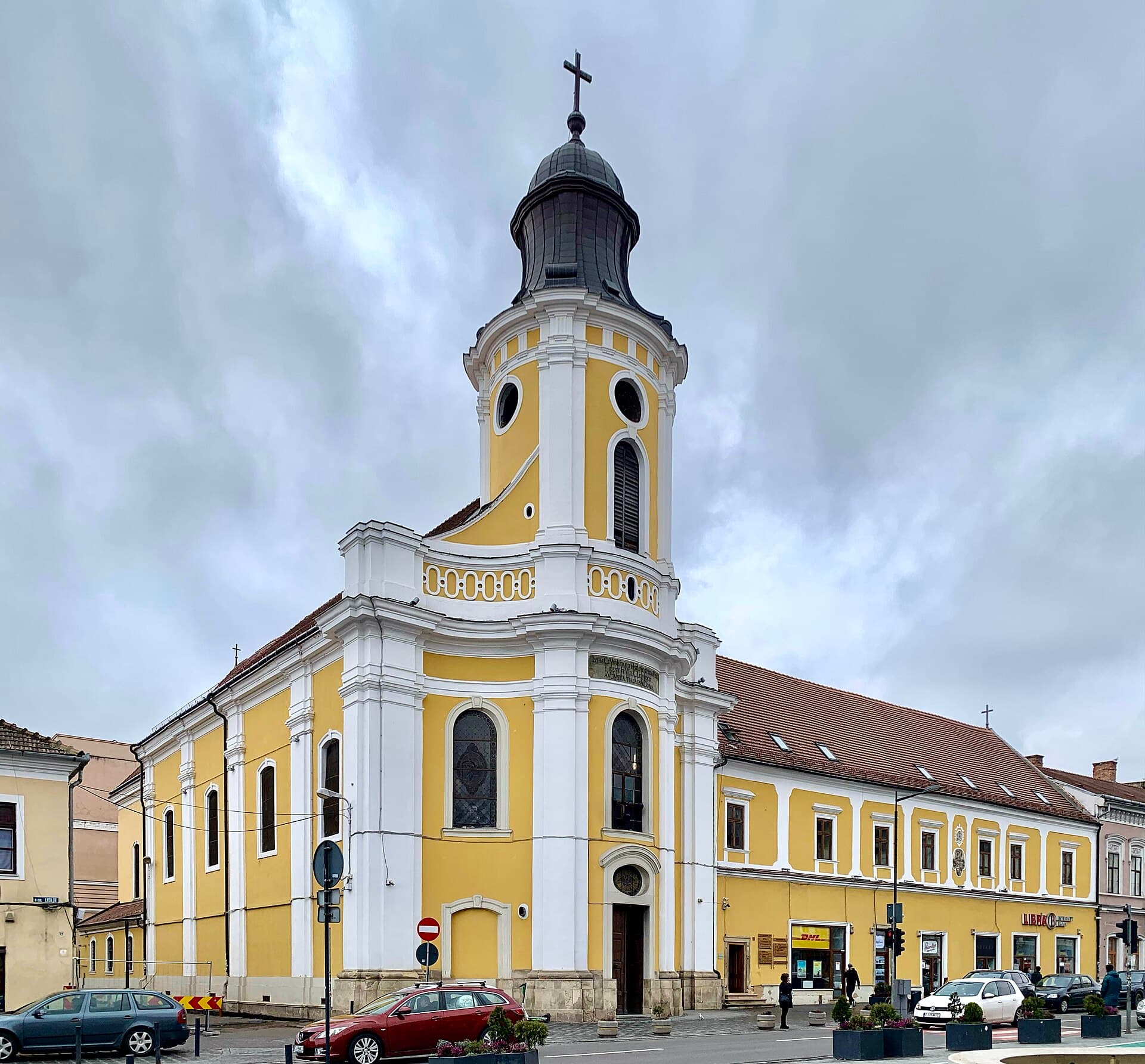 The Transfiguration CathedralThe Transfiguration Cathedral is a Baroque building of the mid-eighteenth centur1 minute walk4.7
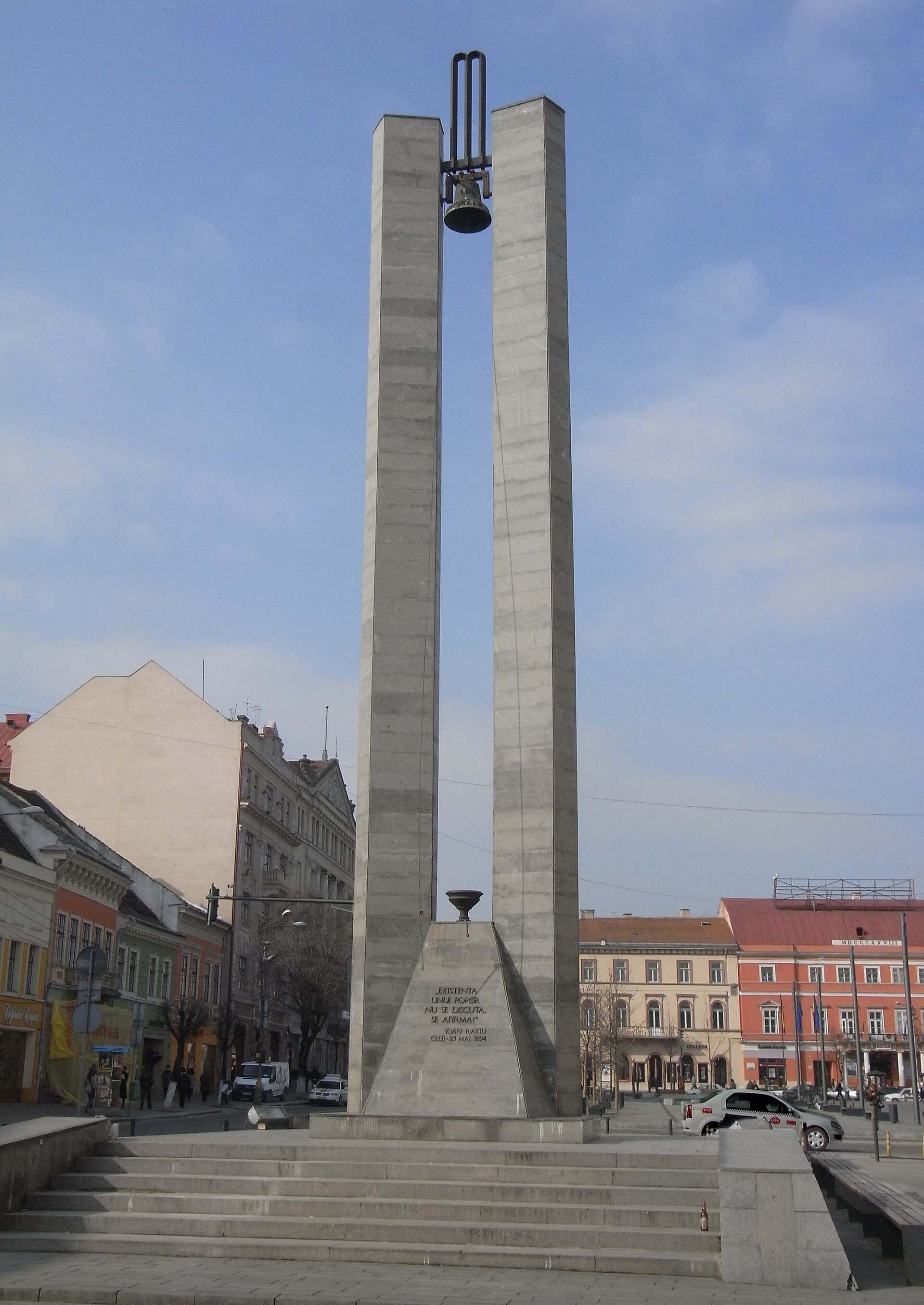 The Memorandum MonumentA memorial in Cluj to the Memorandists, a group of Romanian leaders in Transylva1 minute walk4.5
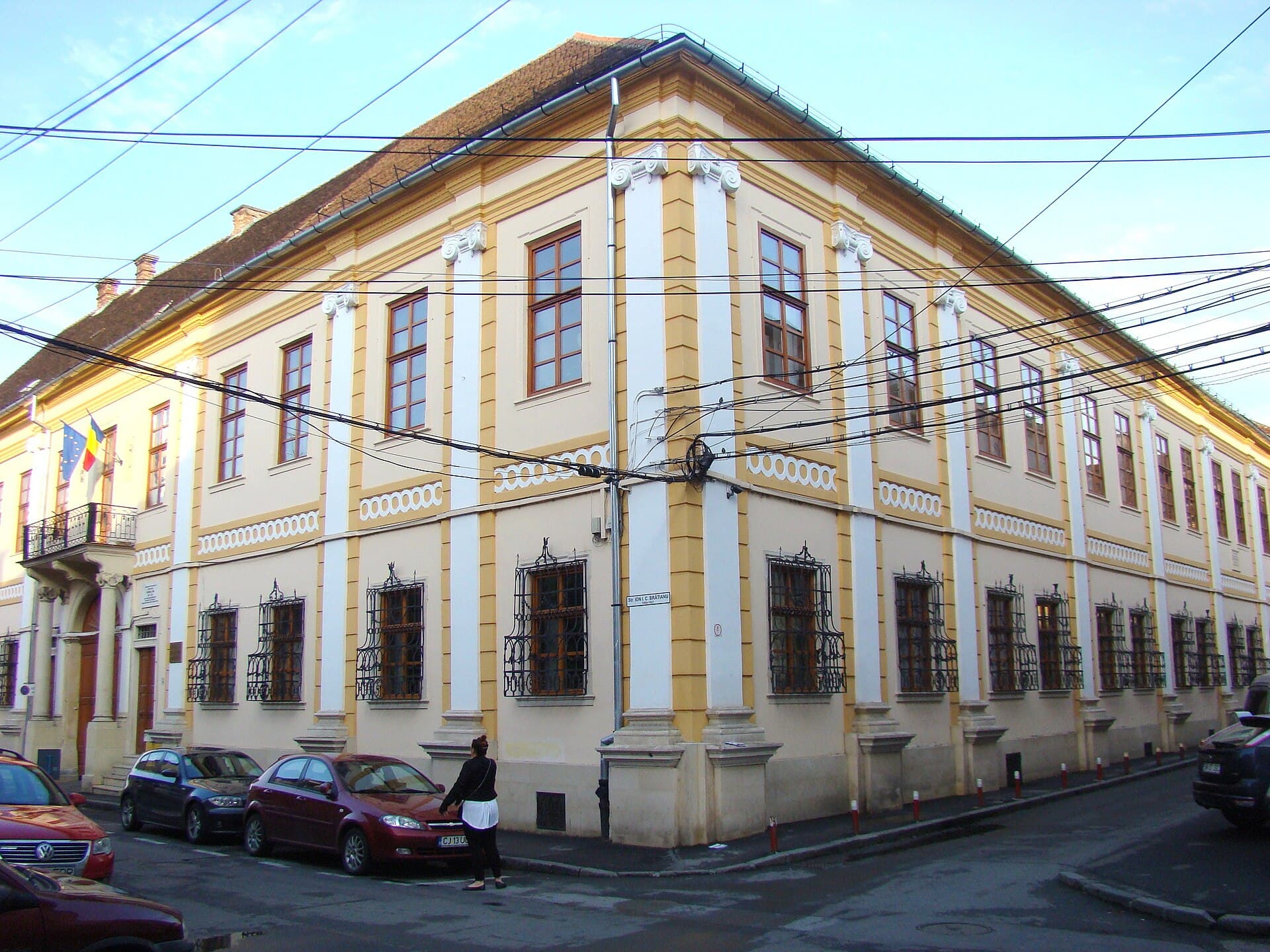 The Toldalagi-Korda PalaceThe Toldalagi-Korda Palace is among the handsomest of Cluj's town palaces, built2 minutes walk4.4
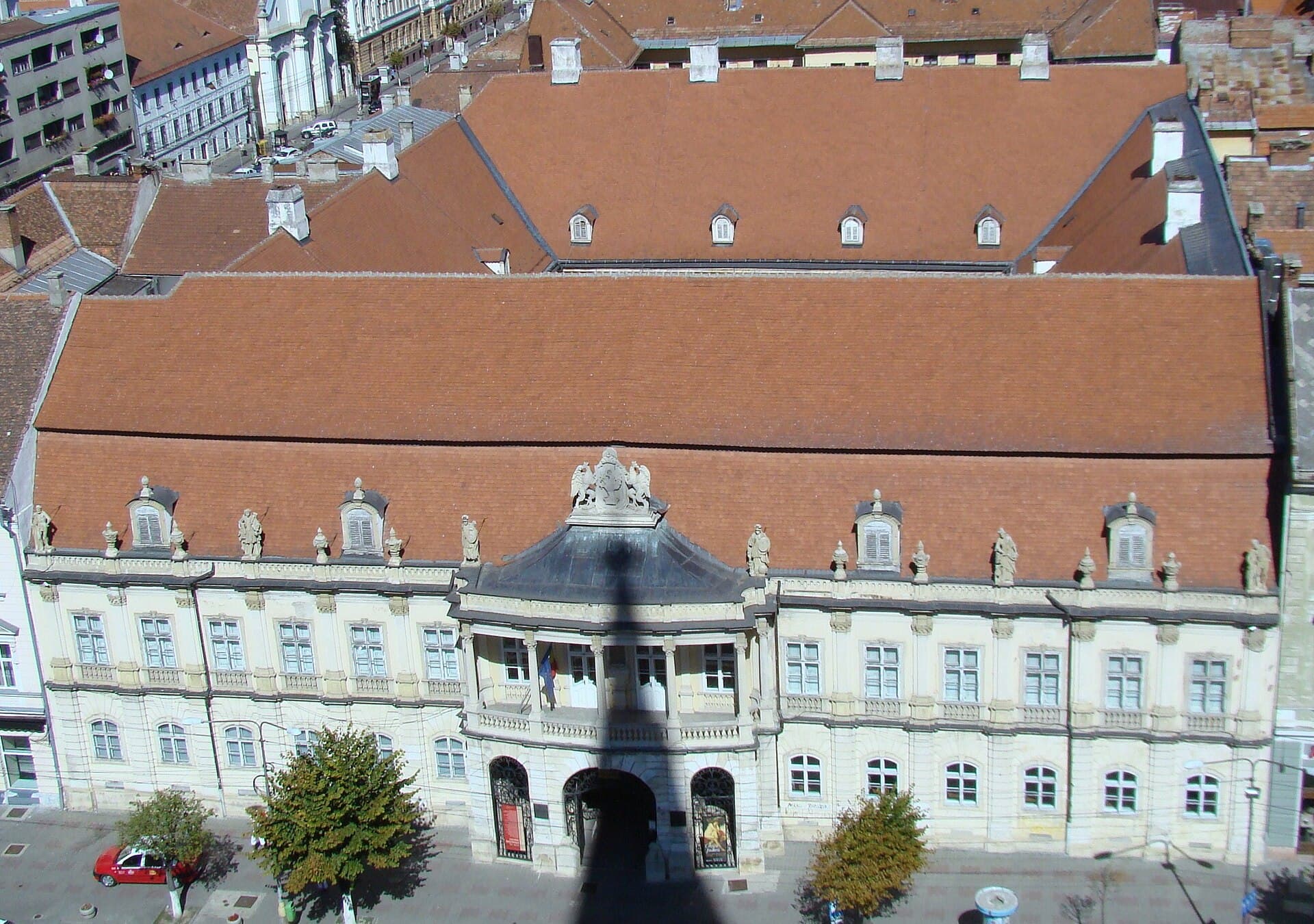 Art Museum in Bánffy PalaceTransylvania's finest Baroque palace holding Cluj's finest art collection: Bánff2 minutes walk4.3
 St Michael's ChurchThe heart of Cluj and Transylvania's second-largest Gothic church: St Michael's 3 minutes walk4.7
The Romanian account holds that the inhabitants of Dacia remained after the Roman withdrawal in 271 and continued in the region speaking an evolving Latin, so Romanian arose locally. The opposing Hungarian account holds that the population withdrew with the army and that Romanians arrived later from south of the Danube in the Middle Ages, that is after the Hungarians. The question is difficult because written evidence for those centuries is scarce, and it has been used by both sides to justify territorial claims.
The most important site is Sarmizegetusa in its two parts: the Dacian capital in the mountains with the remains of its circular sanctuaries, and the Roman capital Ulpia Traiana on the plain. Both are in Hunedoara county in south-western Transylvania. In Cluj itself the remains of Roman Napoca are slight and are seen in the National Museum of Transylvanian History more than in the ground.