
The long front
A columned balcony and restrained carving.
Țetcu Mircea Rareș — CC BY-SA 3.0 ro · Wikizoli — CC BY-SA 4.0 · Leontin l — CC BY-SA 4.0
The Toldalagi-Korda Palace is among the handsomest of Cluj's town palaces, built between 1801 and 1807 in the neoclassical manner with a long front, a balcony on columns and restrained carved ornament. The style is the point: the palace was built at the moment when Transylvania's nobility was moving from heavy Baroque to the quieter neoclassicism coming from Vienna. The architect József Leder designed it for the Toldalagi family, and it later passed to the Korda family — hence the double name. Cluj is full of this kind of building: **town palaces built by the Transylvanian nobility** to live in while the principality's diet was sitting, most of them offices or institutions today. This is among the best preserved, and it is **seen from outside** — not visited inside, but a natural stop on the walk between Union Square and the cemetery.
A columned balcony and restrained carving.
Transylvania moving from Baroque to neoclassicism.
Strada Avram Iancu, Cluj-Napoca
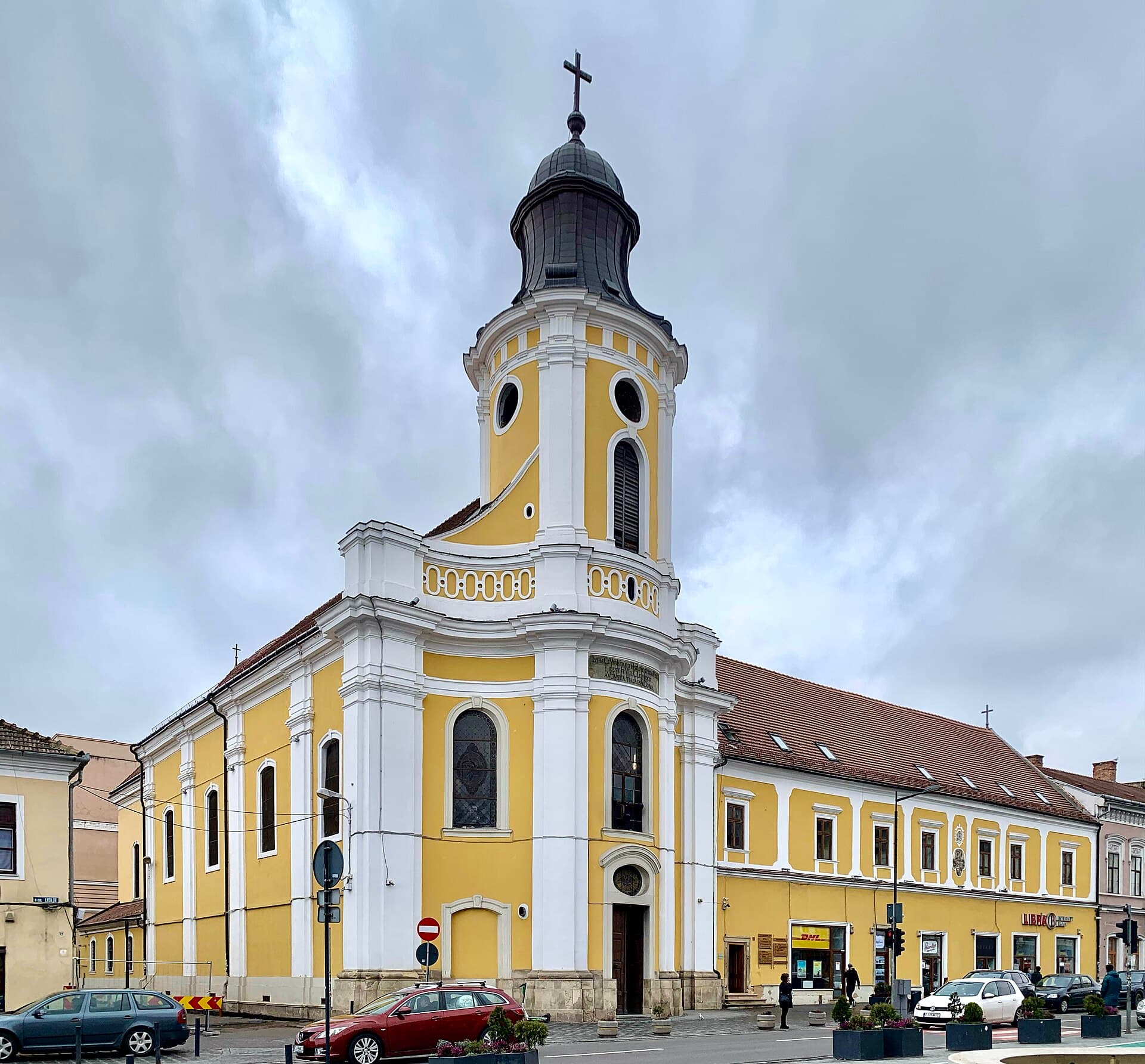 The Transfiguration CathedralThe Transfiguration Cathedral is a Baroque building of the mid-eighteenth centur1 minute walk4.7
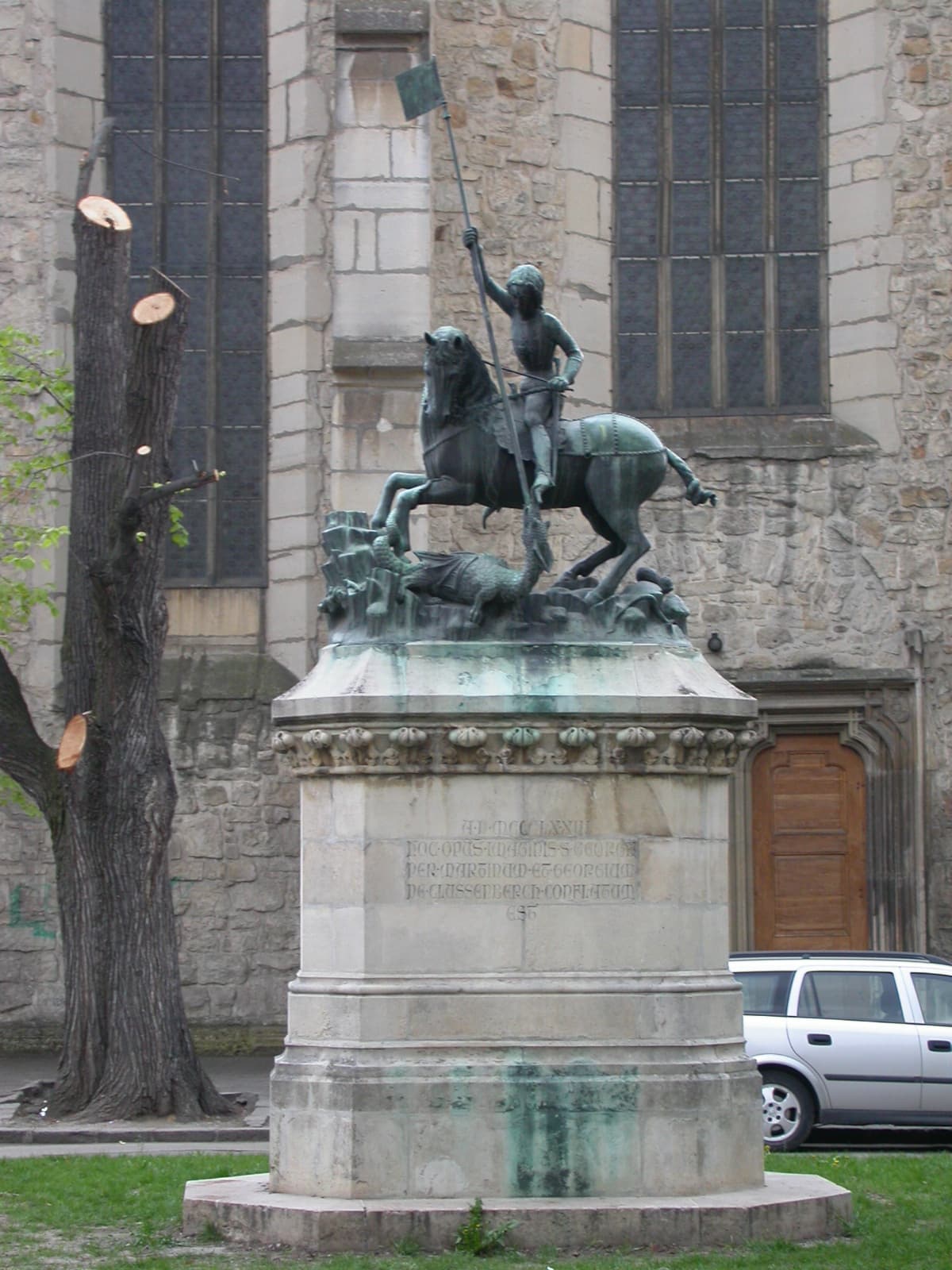 The Statue of St George, ClujA bronze statue of St George killing the dragon, a copy of a fourteenth-century 2 minutes walk4.8
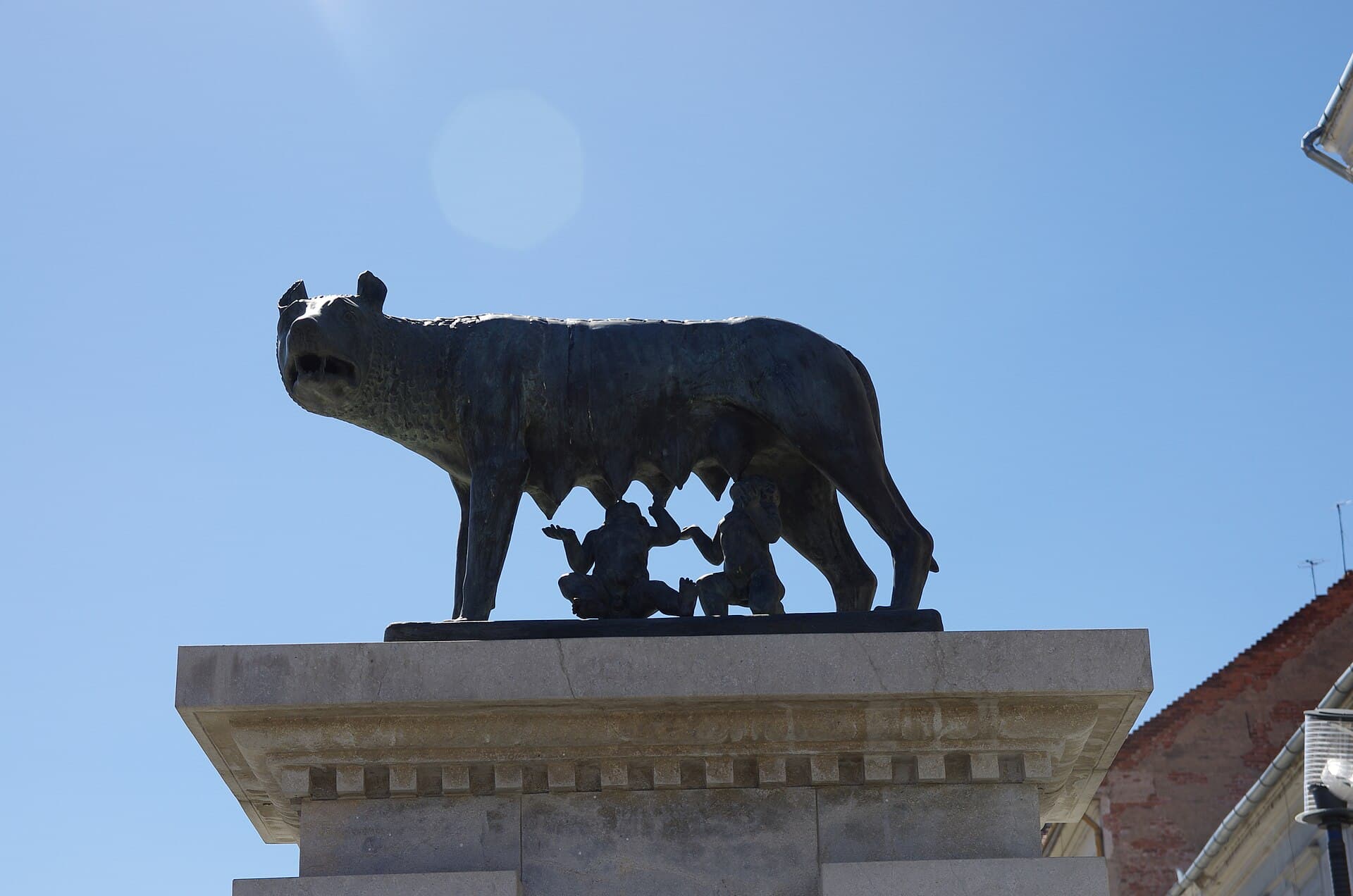 The Capitoline Wolf Statue, ClujA copy of the Roman Capitoline Wolf — the she-wolf suckling Romulus and Remus — 2 minutes walk4.5
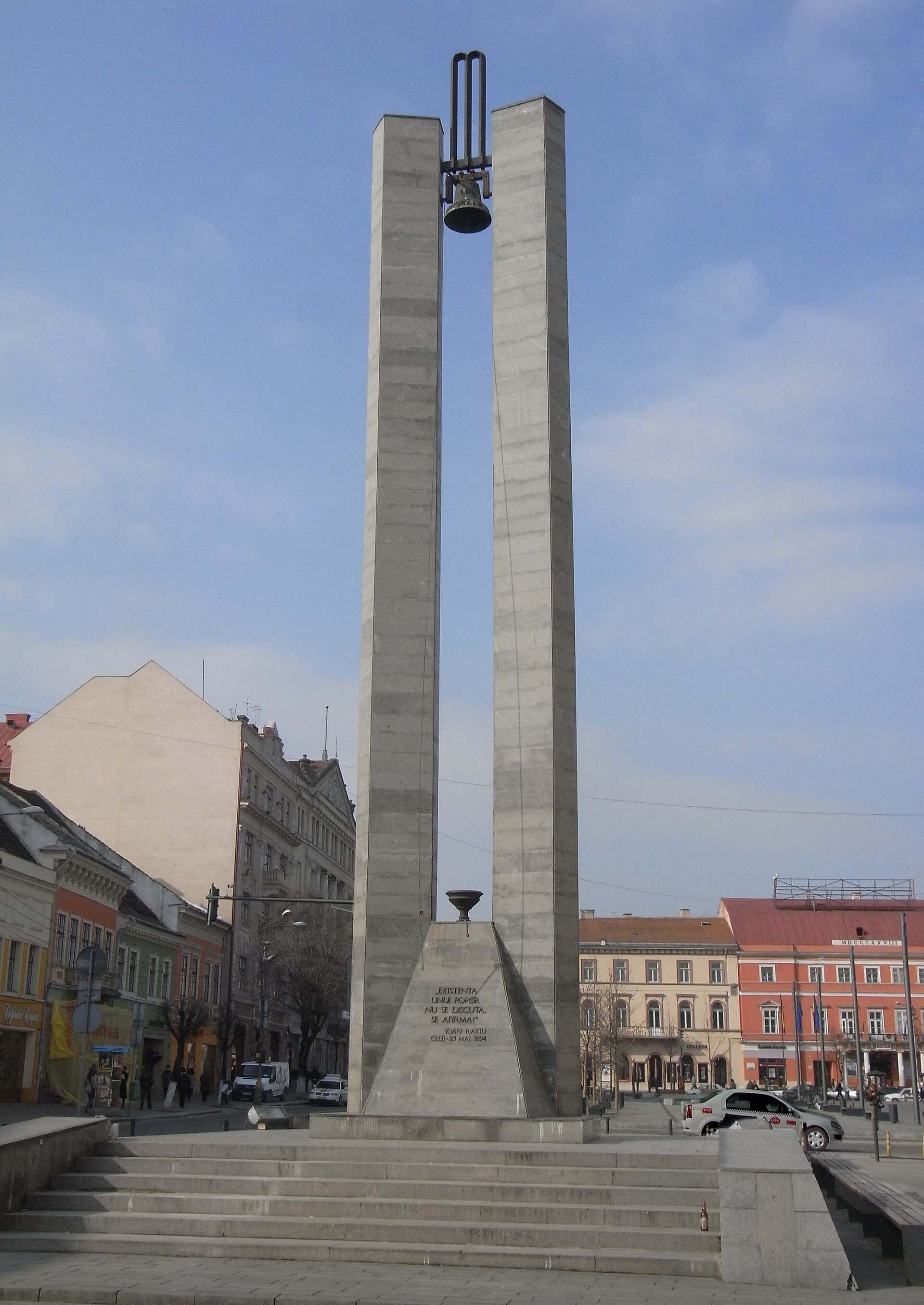 The Memorandum MonumentA memorial in Cluj to the Memorandists, a group of Romanian leaders in Transylva2 minutes walk4.5
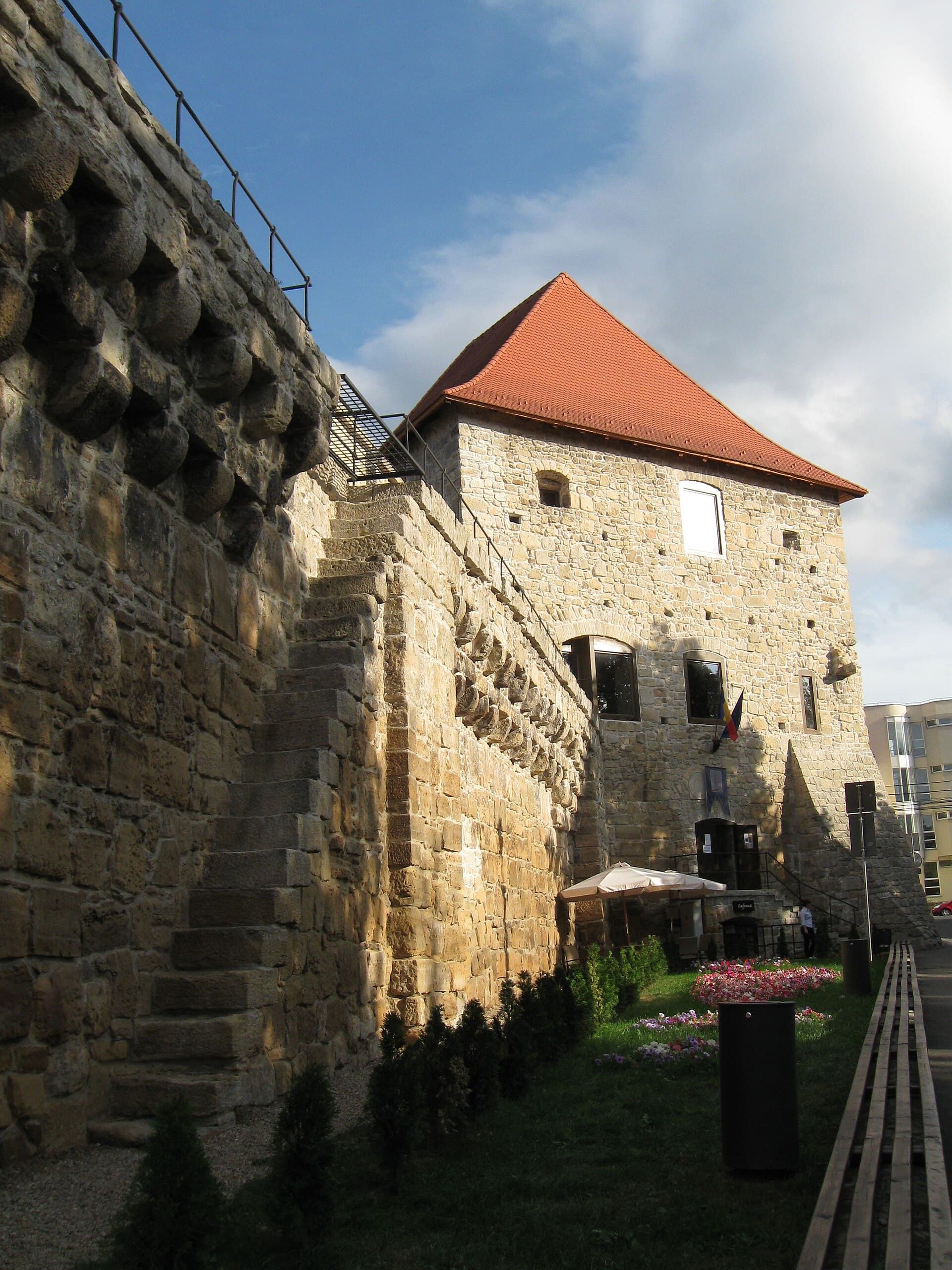 The Tailors' BastionA defensive tower at the south-eastern corner of Cluj's old wall, and the best s4 minutes walk4.5
Transylvania was a self-governing principality with its own legislature, which met in turn in several towns before settling in Cluj and then Sibiu. The nobles who attended lived on their country estates, so they built town palaces to stay in during the sessions — grand enough for their standing, but not their real homes. That is why Cluj has dozens of palaces in its centre without ever having been a royal capital. Most are now government offices, university departments and museums, the best known being the **Bánffy Palace** on Union Square, which holds the art museum and is entered with a ticket.