
A majority without representation
Romanians were Transylvania's population majority without matching rights.
Aisano — CC BY-SA 3.0 · Leontin l — CC BY-SA 4.0 · mecles — CC BY 3.0 · Sergiu Valenas — CC0
A memorial in Cluj to the Memorandists, a group of Romanian leaders in Transylvania tried in this city in 1894. The story is that the Romanian leaders of Transylvania — representing a population majority without matching political representation — submitted a memorandum to Emperor Franz Joseph in 1892 demanding equal political and linguistic rights. The emperor refused to receive it and returned it to the Hungarian government in Budapest, which was the subject of the complaint itself. The memorandum's authors were tried for incitement in Cluj in 1894, and fifteen of them were sentenced to prison. The trial turned into a major political event: thousands of sympathisers attended, the European press followed it, and it became a symbol of the Romanian cause in Transylvania. These events are part of the chain that ended with Transylvania's union with Romania in 1918. It is a monument in a public space and free to see.
Romanians were Transylvania's population majority without matching rights.
Thousands attended and the European press followed it in 1894.
Part of the chain ending in Transylvania's union with Romania.
Central Cluj-Napoca
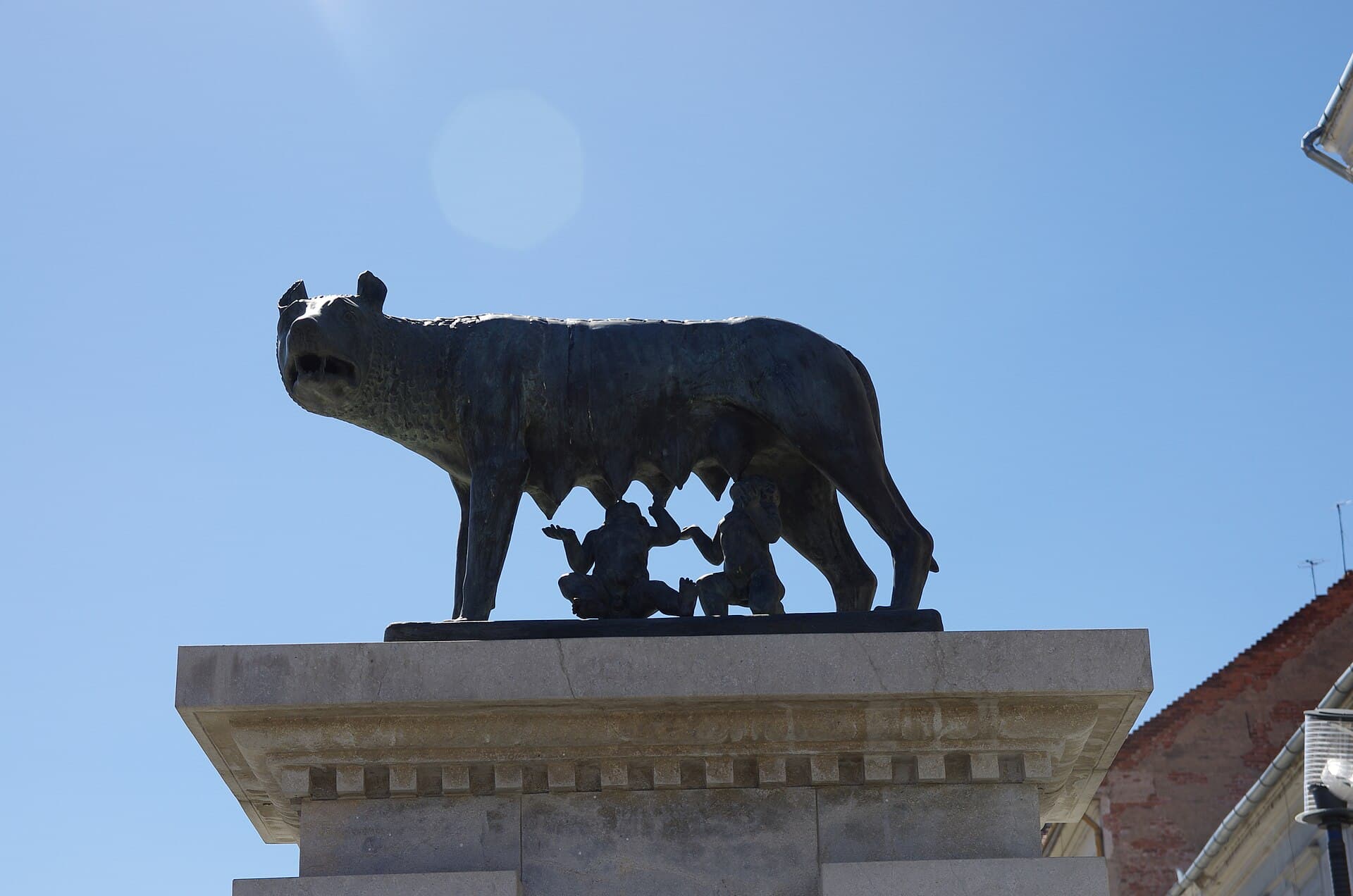 The Capitoline Wolf Statue, ClujA copy of the Roman Capitoline Wolf — the she-wolf suckling Romulus and Remus — 1 minute walk4.5
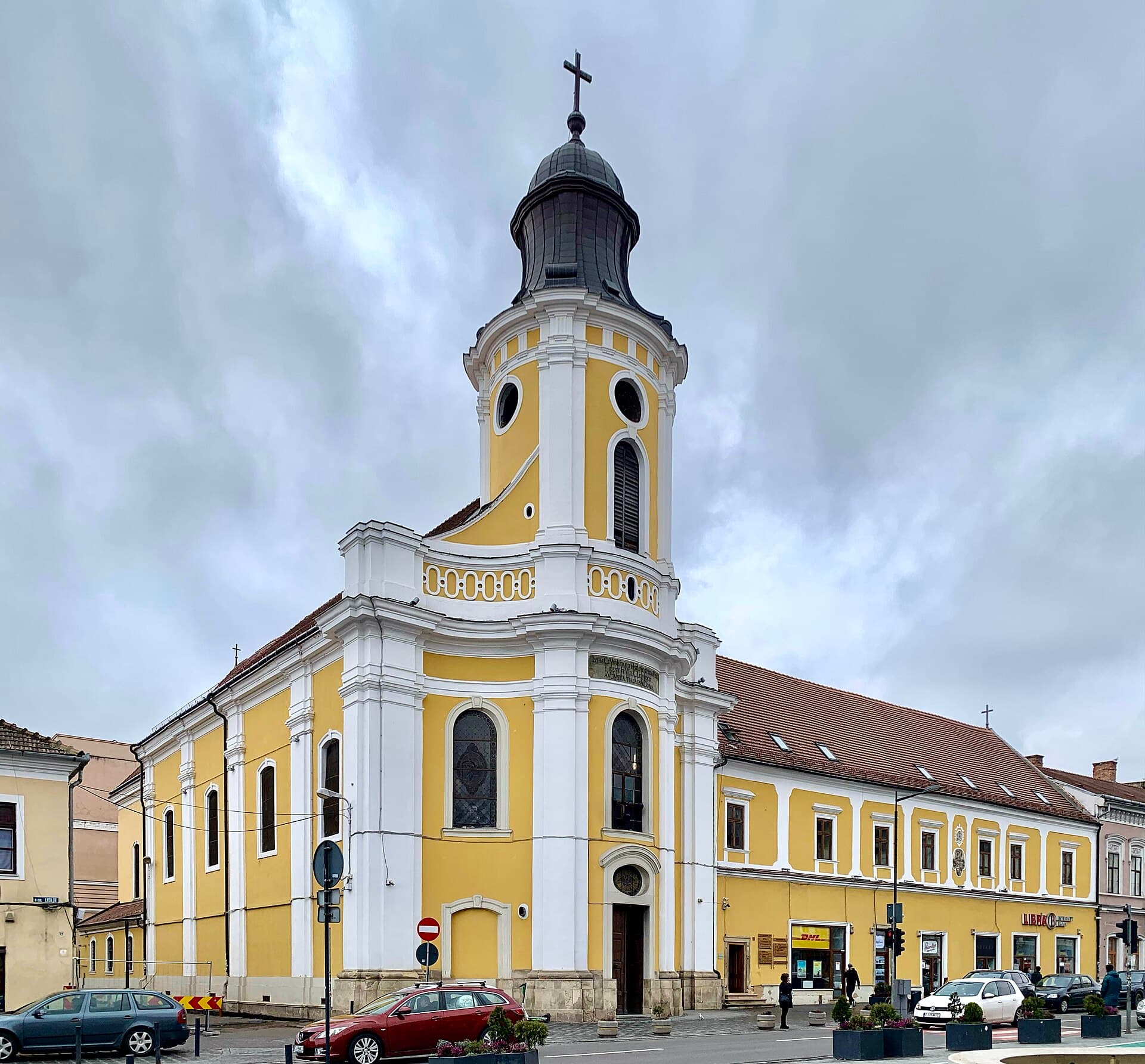 The Transfiguration CathedralThe Transfiguration Cathedral is a Baroque building of the mid-eighteenth centur1 minute walk4.7
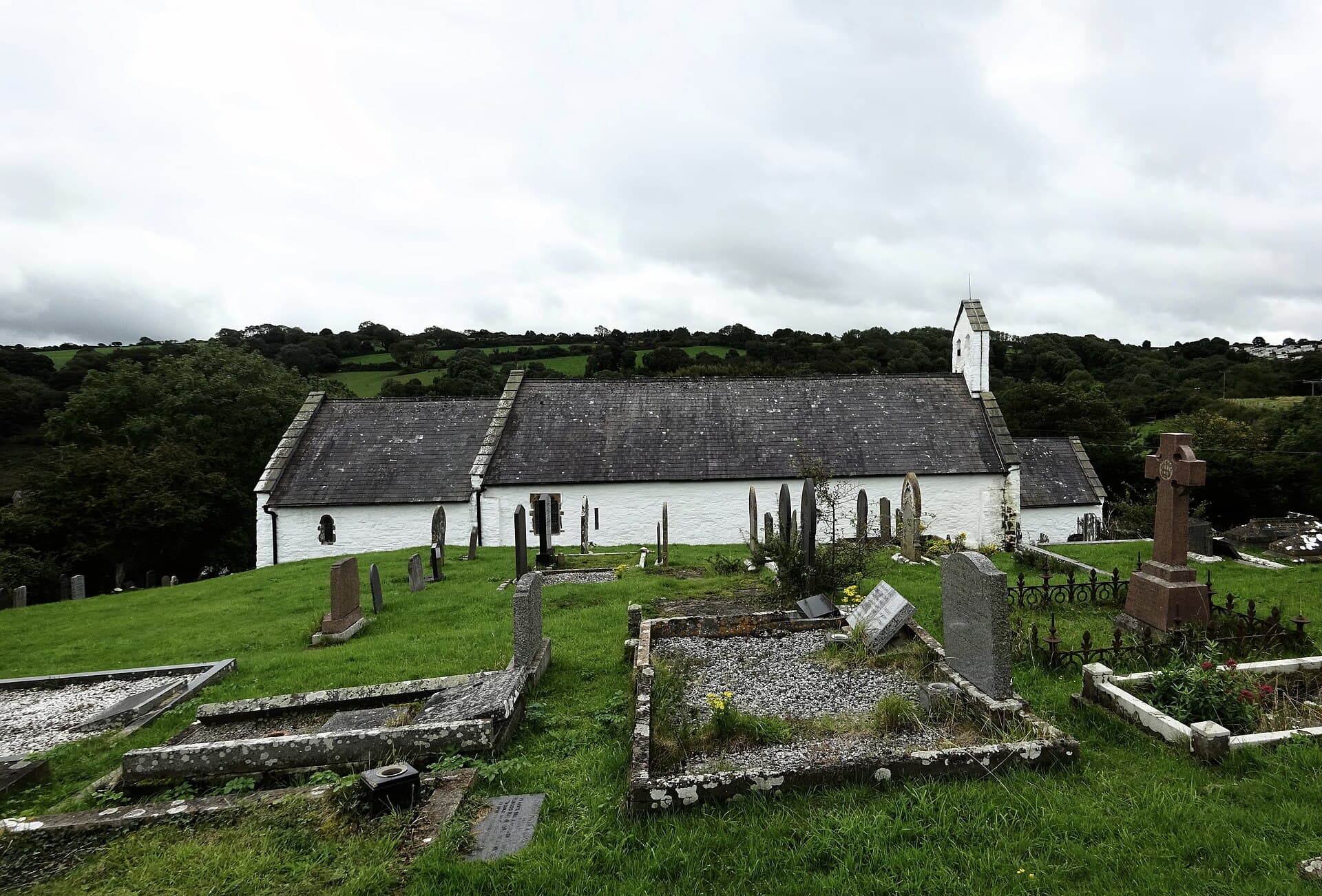 St Michael's ChurchThe heart of Cluj and Transylvania's second-largest Gothic church: St Michael's 2 minutes walk4.7
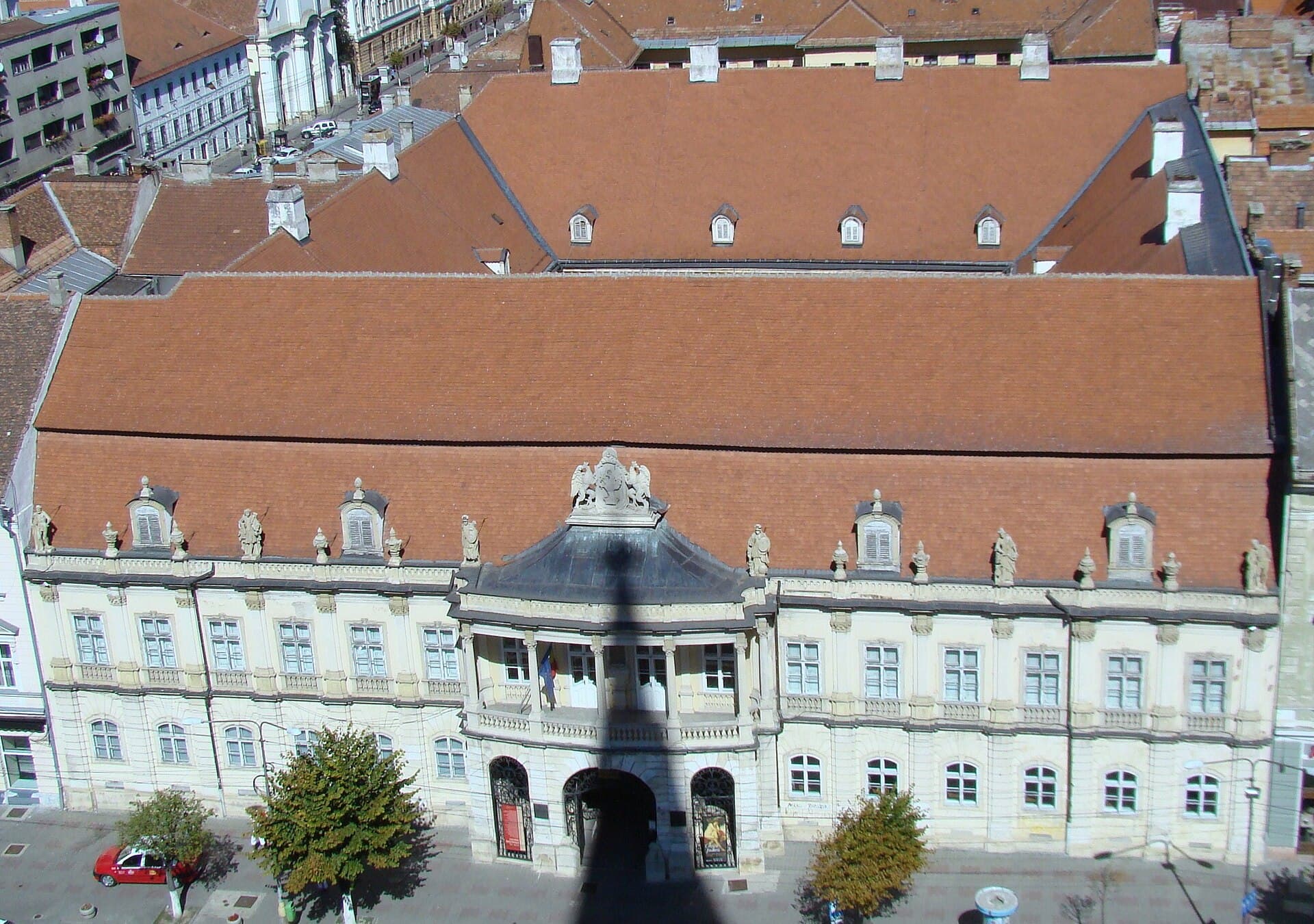 Art Museum in Bánffy PalaceTransylvania's finest Baroque palace holding Cluj's finest art collection: Bánff2 minutes walk4.3
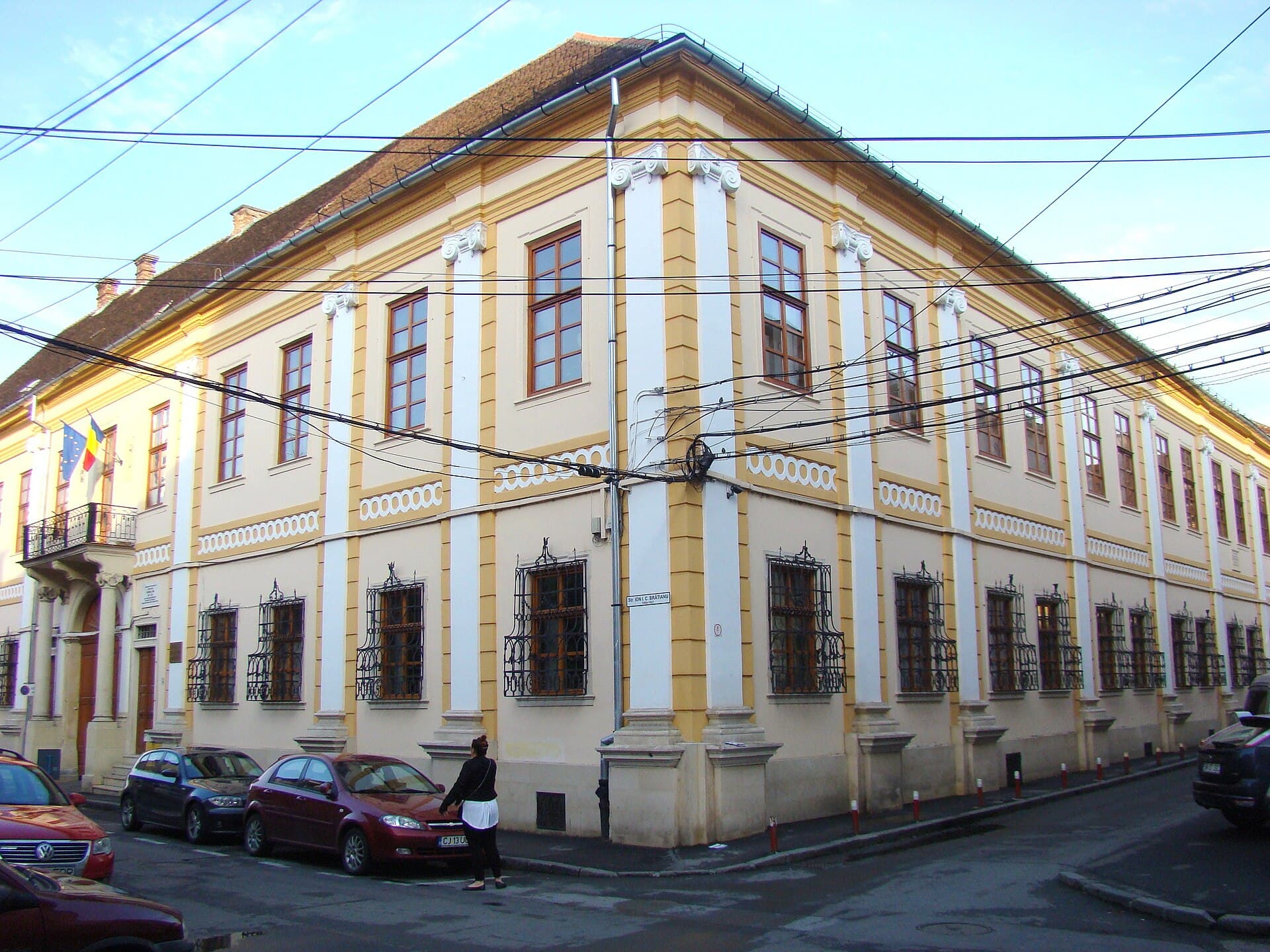 The Toldalagi-Korda PalaceThe Toldalagi-Korda Palace is among the handsomest of Cluj's town palaces, built2 minutes walk4.4
Because the electoral system in the Kingdom of Hungary after 1867 was restricted by property, education and language, effectively excluding most Romanian peasants. The laws also required the use of Hungarian in administration, the courts and higher education. The result was that Romanians, around half or more of Transylvania's population, held a tiny share of parliamentary seats. This policy — Magyarisation — was the substance of the memorandum's complaint.
The key is that the region lived for centuries with three main communities — Romanians, Hungarians and German Saxons — each with its own language, church and towns, alongside Armenians, Jews and Roma. The towns reflect this: Sibiu and Brașov are Saxon at their core, Cluj and Târgu Mureș Hungarian, and the surrounding villages Romanian. Visiting all three shows this plurality better than any book.