
The curved front
Two matching towers and Baroque movement in stone.
Chainwit. — CC BY 4.0 · Leontin l — CC BY-SA 4.0 · Chainwit. — CC BY 4.0 · Chainwit. — CC BY 4.0
The Transfiguration Cathedral is a Baroque building of the mid-eighteenth century, built by the **Minorite** Franciscans with a curved front and two matching towers — among the purest Baroque examples in Transylvania. The building itself is quiet and finely made, but its story matters more. In 1948 the communist state dissolved the **Romanian Greek-Catholic Church** entirely — a church following the Eastern rite while recognising Rome, with a large following in Transylvania — confiscated its buildings and handed them to the Orthodox Church, and arrested its bishops, most of whom died in prison. The church was made legal again in 1990, and this building became its principal cathedral in Cluj. The dispute over its confiscated property has still not been fully settled. **Entry is free**, and it is a working place of worship.
Two matching towers and Baroque movement in stone.
An eighteenth-century altar and pulpit.
Strada Ion Bianu 25, Cluj-Napoca
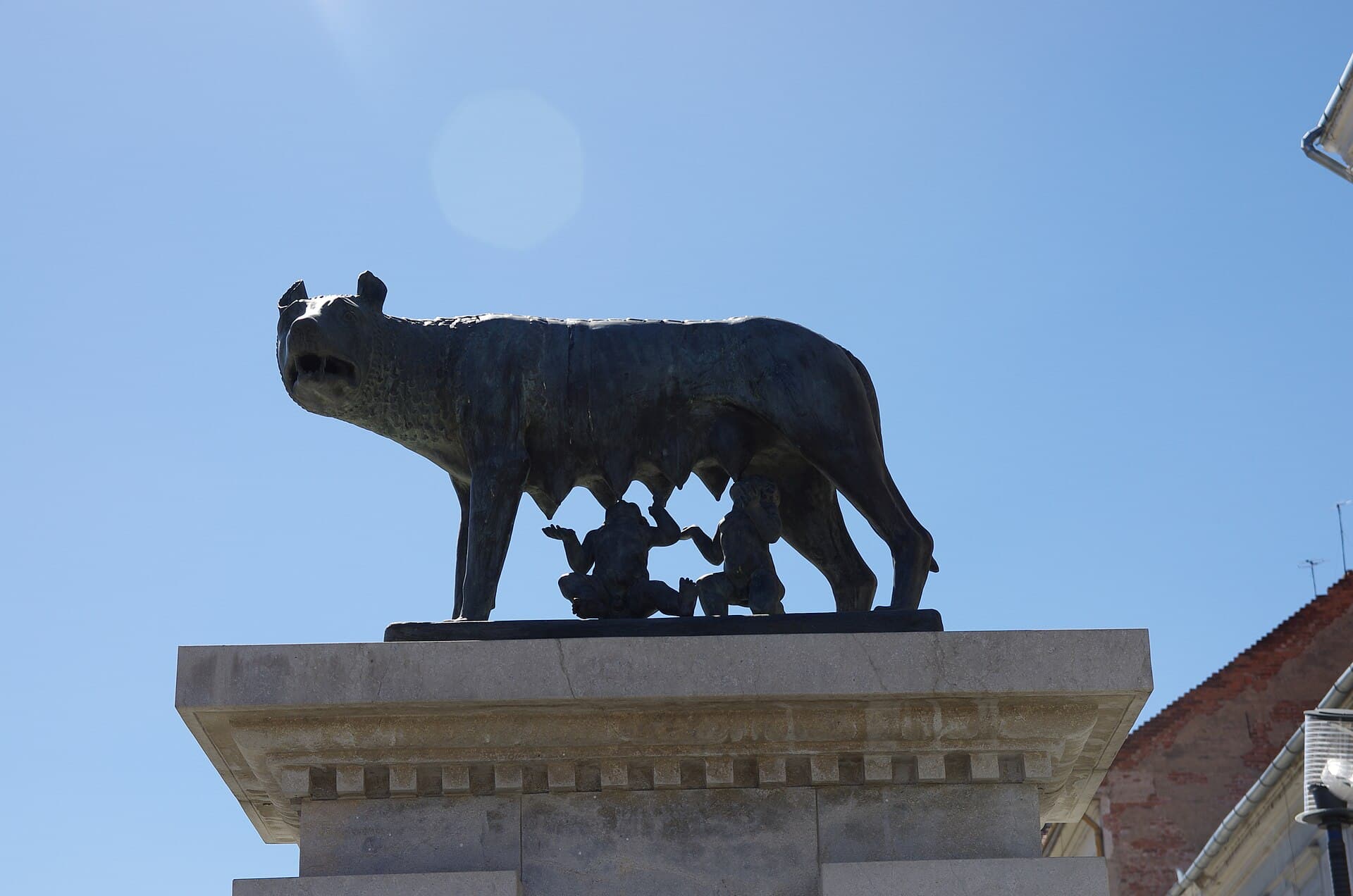 The Capitoline Wolf Statue, ClujA copy of the Roman Capitoline Wolf — the she-wolf suckling Romulus and Remus — 1 minute walk4.5
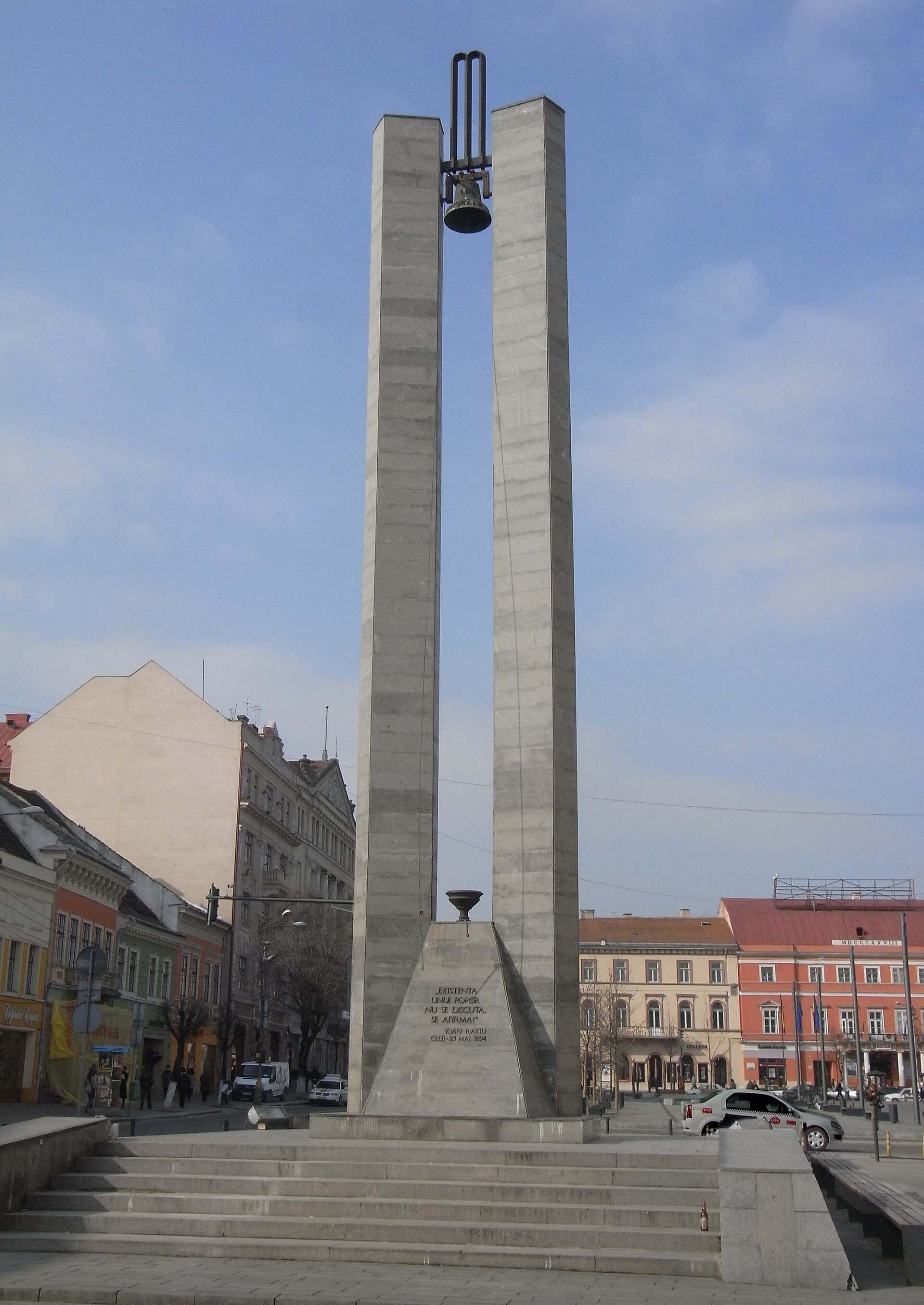 The Memorandum MonumentA memorial in Cluj to the Memorandists, a group of Romanian leaders in Transylva1 minute walk4.5
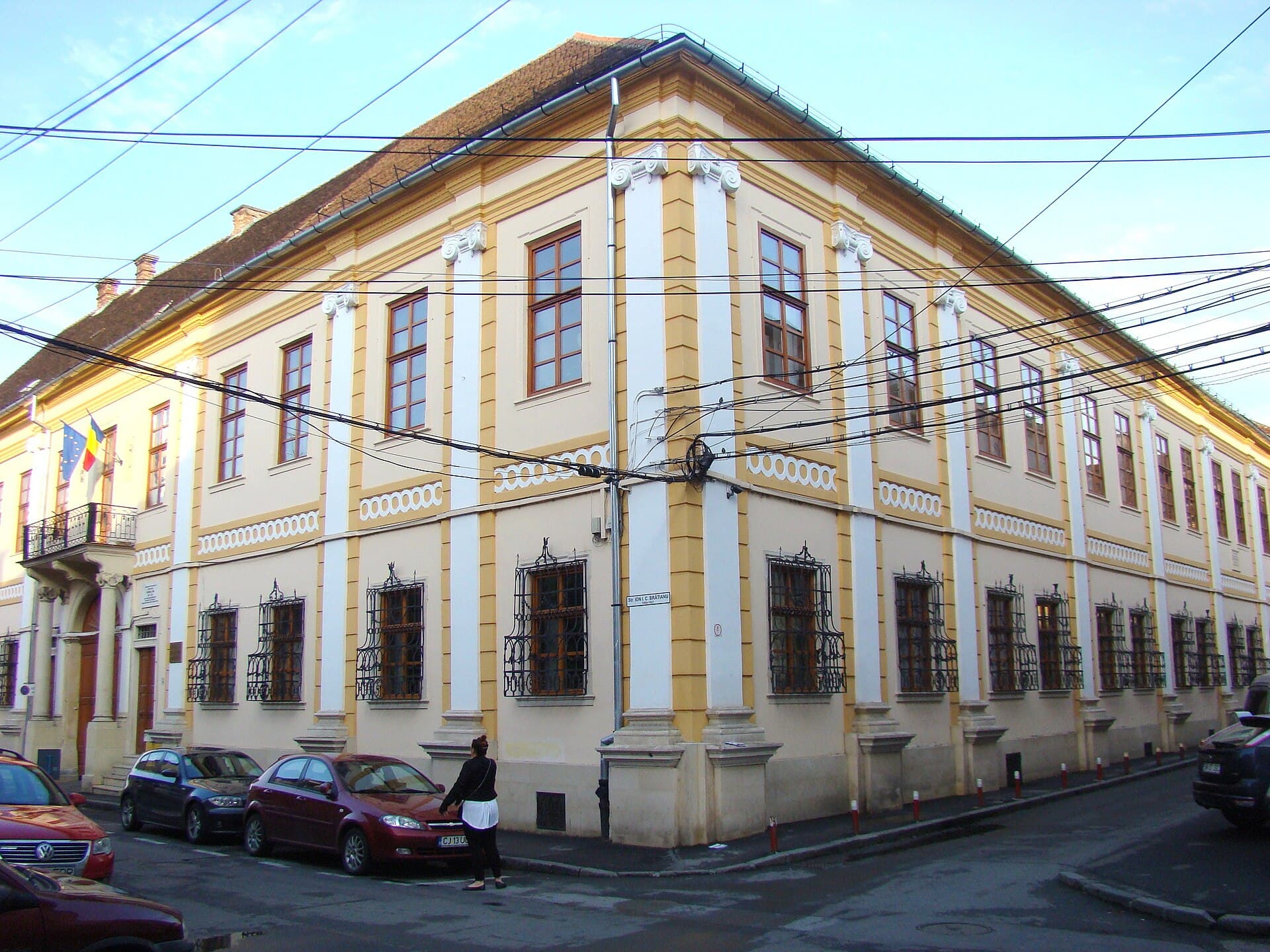 The Toldalagi-Korda PalaceThe Toldalagi-Korda Palace is among the handsomest of Cluj's town palaces, built1 minute walk4.4
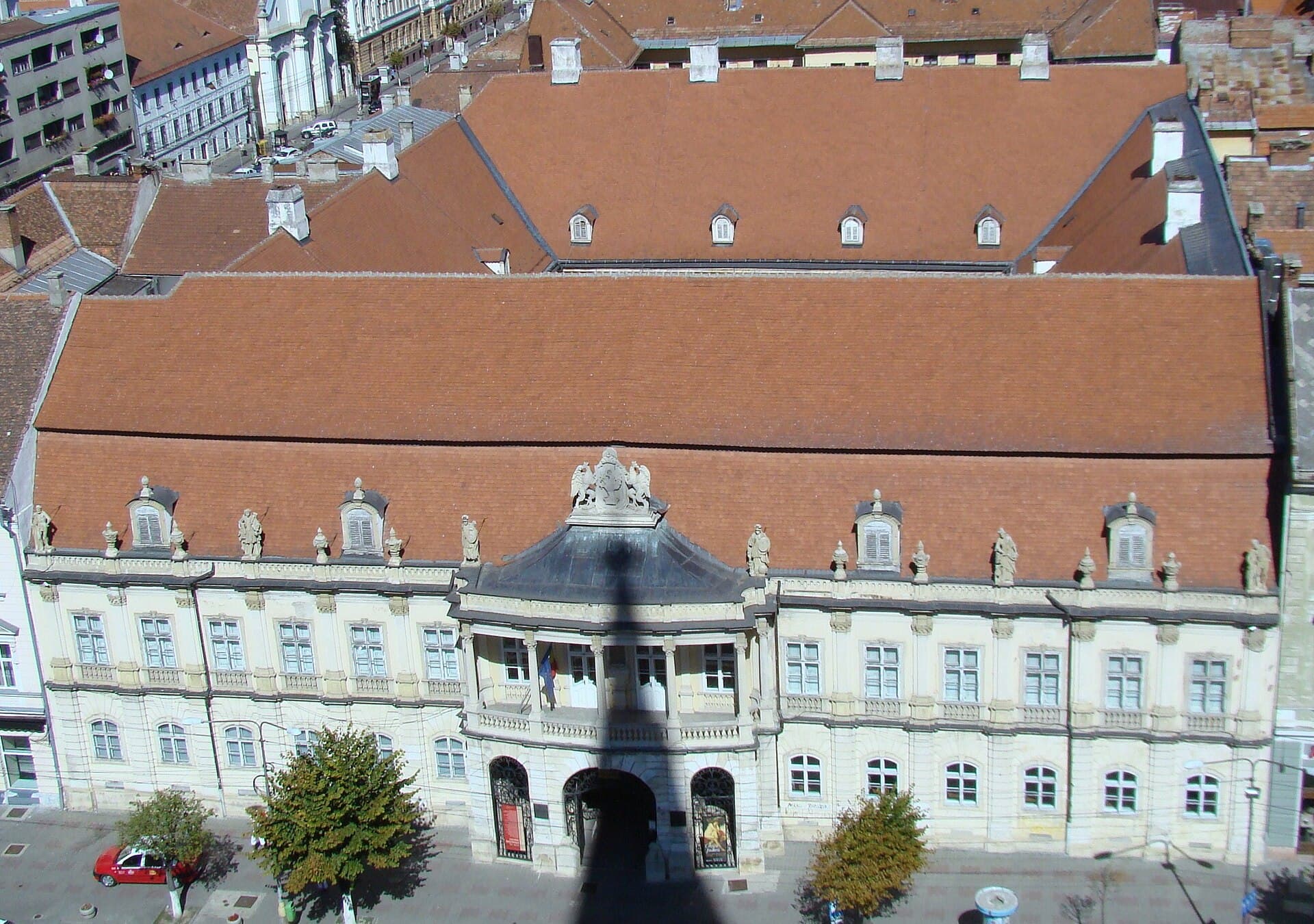 Art Museum in Bánffy PalaceTransylvania's finest Baroque palace holding Cluj's finest art collection: Bánff3 minutes walk4.3
 St Michael's ChurchThe heart of Cluj and Transylvania's second-largest Gothic church: St Michael's 3 minutes walk4.7
A church that arose in 1698 when part of Transylvania's Orthodox Romanians accepted the authority of Rome while keeping the Eastern rite, language and traditions — an arrangement offered in exchange for political rights withheld from non-Catholics under Austrian rule. Its cultural effect was enormous: its schools and the students it sent to Rome and Vienna produced the Transylvanian School, which formulated the idea of the Romanians' Latin origin and moved Romanian writing to the Latin alphabet. It was suppressed by force in 1948 and returned in 1990; its followers are a minority today, but its part in shaping modern Romanian identity is far larger than its numbers.