
The suspended Abu Haggag mosque
Built on the rubble and left hanging when the temple was dug out — still in use.
Ad Meskens — CC BY-SA 3.0 · Holger Uwe Schmitt — CC BY-SA 4.0 · Holger Uwe Schmitt — CC BY-SA 4.0 · Holger Uwe Schmitt — CC BY-SA 4.0
A pharaonic temple standing directly in the middle of the modern town on the bank of the Nile — and that position among streets and cafés is what sets it apart from every other temple in Egypt. Amenhotep III and Ramesses II built it in the fifteenth and thirteenth centuries BC, and it was not a funerary temple for a king but the setting of the annual Opet festival: the statues of the gods were carried here in procession from Karnak along the avenue of sphinxes. One obelisk stands before the entrance, where once there were two. The second now stands in the Place de la Concorde in Paris, given to France by Muhammad Ali. The gap it left is visible and always pointed out. What makes this temple exceptional is its layering. Alexander the Great rebuilt part of it and had himself carved as a pharaoh; the Romans turned a section into a camp and a church, painting Christian plaster over the pharaonic reliefs, some of which still shows; and then in the thirteenth century the mosque of Abu Haggag was built on top of the accumulated rubble — so when the temple was excavated and the ground level dropped, the mosque was left suspended in mid-air at the height of the old surface. It stands there still and is still prayed in. Three religions in one building with the layers visible to the naked eye — nowhere else in Egypt shows this as plainly. The best time is after dark: the temple is very well lit, the heat is gone, and the effect is completely different from daytime. An hour is enough, and it is a few minutes' walk from the town-centre hotels.
Built on the rubble and left hanging when the temple was dug out — still in use.
Roman-era Christian painting over pharaonic relief, still partly visible.
He had himself carved as a pharaoh in the part he rebuilt.
Central Luxor, on the Nile corniche
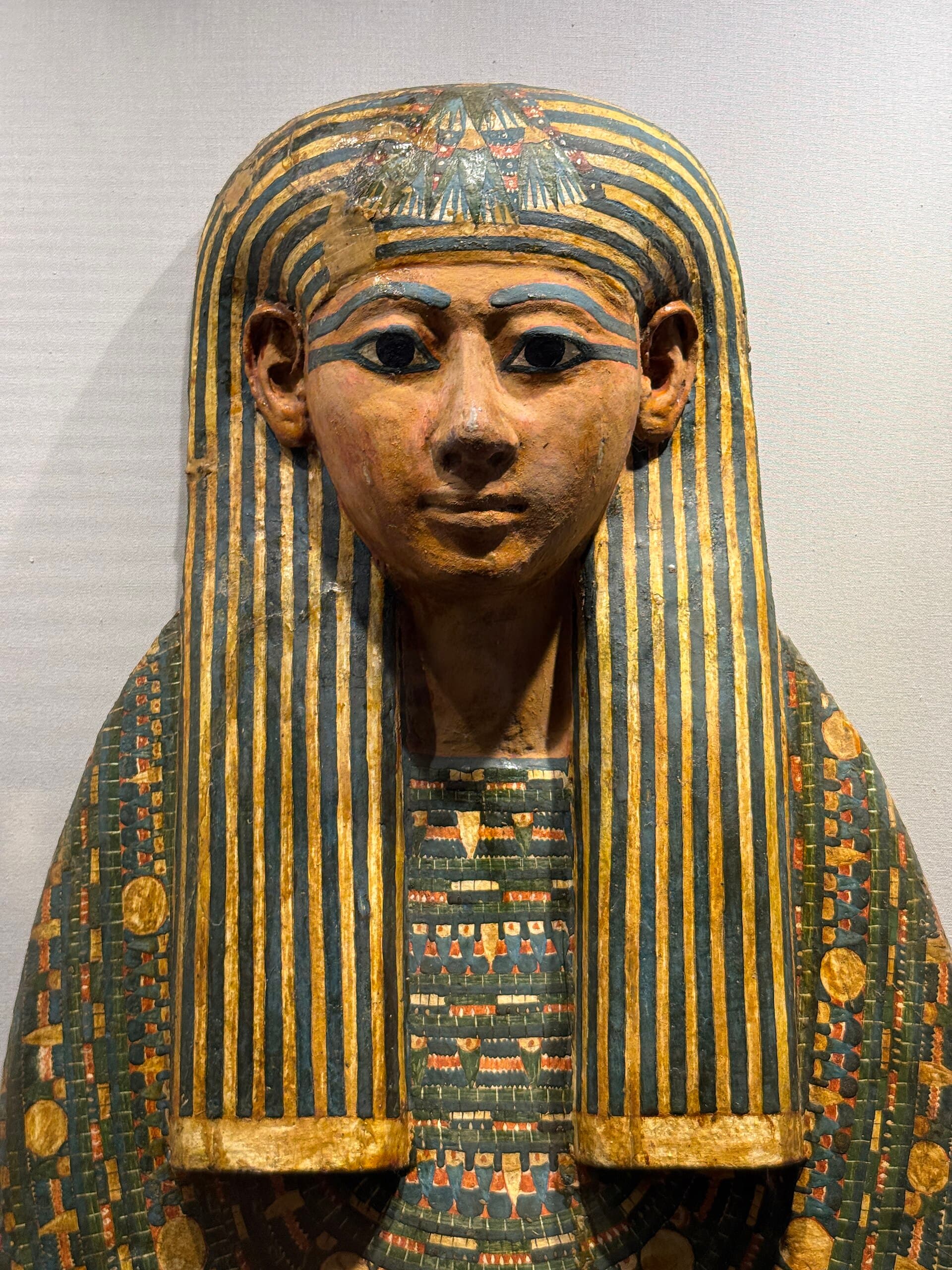 Mummification MuseumA small museum on Luxor's Nile Corniche, between Luxor Temple and Karnak, devote4 minutes walk4.4
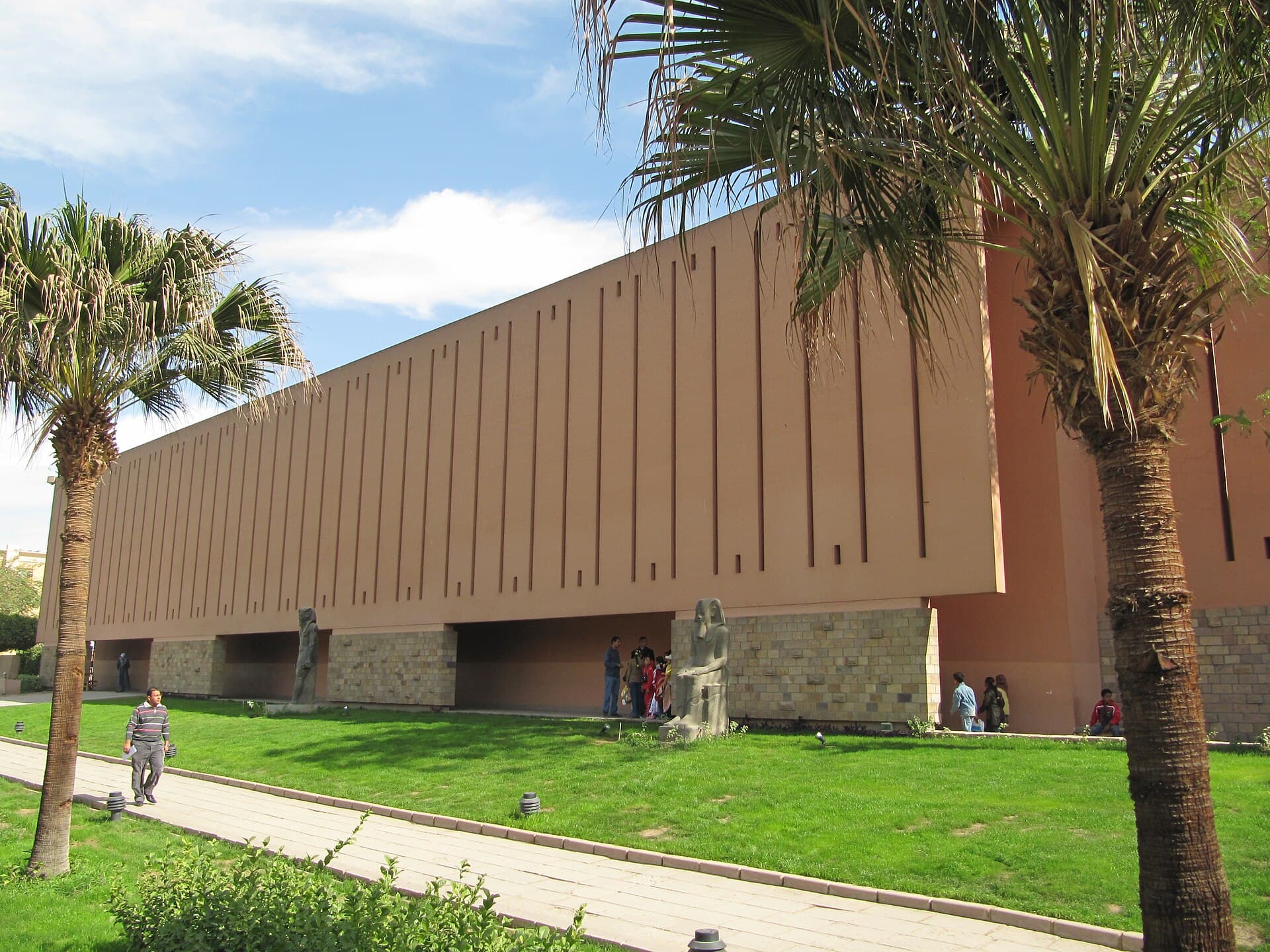 Luxor MuseumA comparatively small museum that is nevertheless among the best-designed in all13 minutes walk4.5
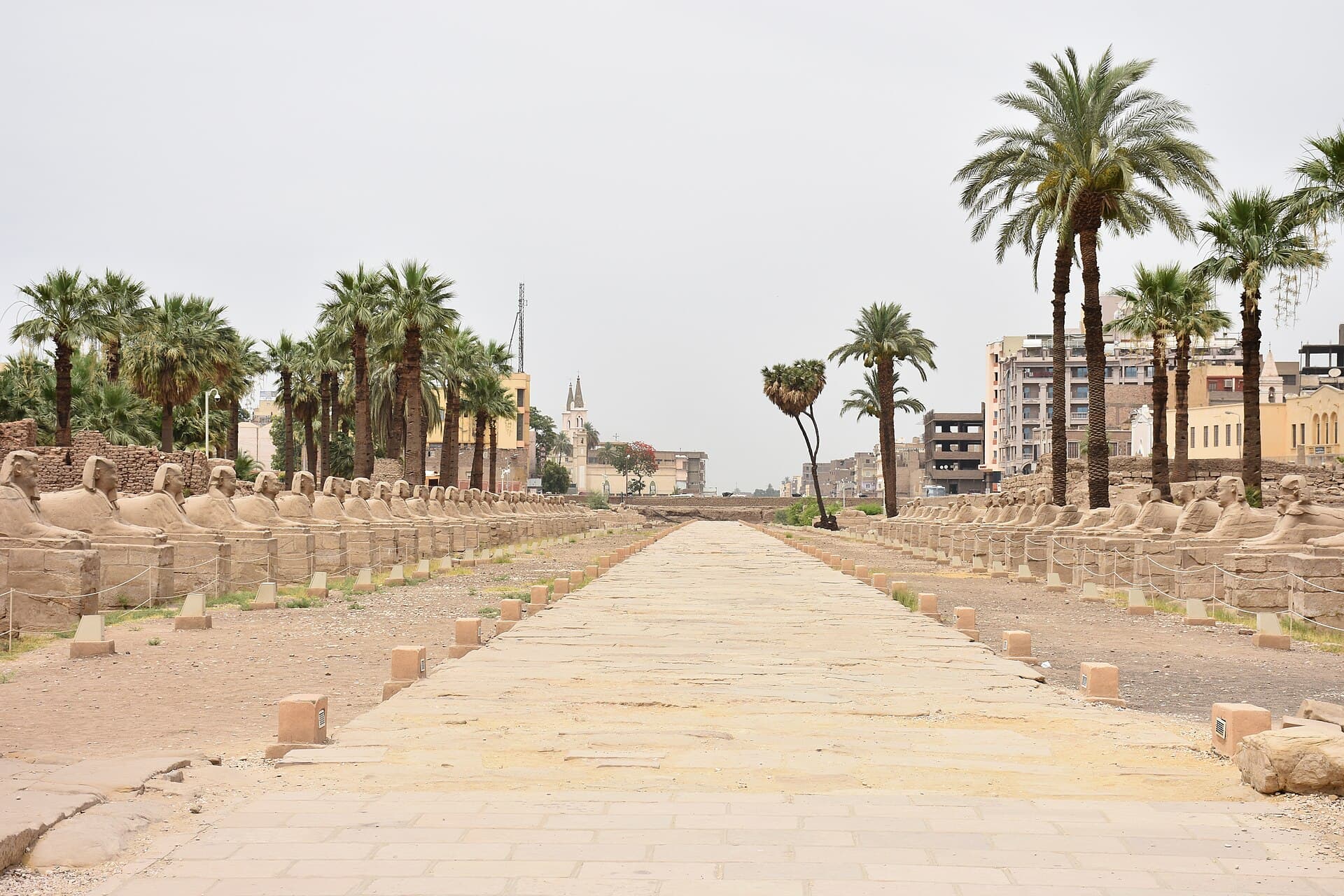 Avenue of SphinxesAn ancient processional way about two thousand seven hundred metres long linking17 minutes walk4.8
By night without hesitation if you must choose. The lighting is excellent, the columns take on another dimension, and the heat is entirely gone, which matters enormously in Luxor. With time, go twice — once by day to read the reliefs and once at night for the spectacle.
It has been restored and reopened and can be walked, about three kilometres lined with statues. The idea is fine and the view striking, but there is no shade whatsoever — do not attempt it by day in summer. After dark or in winter it is worth doing.