
Rows of sphinxes
Hundreds in place.
MusikAnimal — CC BY-SA 4.0 · Chabe01 — CC BY-SA 4.0 · Rabax63 — CC BY-SA 4.0 · Chabe01 — CC BY-SA 4.0 · Marc Ryckaert (MJJR) — CC BY 3.0 · ianpudsey — CC BY 3.0 · Mohammed Moussa — CC BY-SA 4.0 · Chabe01 — CC BY-SA 4.0
An ancient processional way about two thousand seven hundred metres long linking Luxor Temple with the temples of Karnak, lined on both sides with sphinxes and ram statues. The annual Opet festival processions passed along it, when the statues of Karnak's gods were carried in sacred boats to Luxor Temple. Building began in the New Kingdom and was completed under King Nectanebo I in the fourth century BC, after which sand and buildings buried it for centuries. Its rediscovery began in 1949, and excavation went on for decades until the whole avenue was uncovered and opened in November 2021 with a grand, worldwide-broadcast ceremony. Its statues vary between lions with human heads, lions with ram heads and full rams, hundreds of which survive in place, some headless. The avenue looks its best at sunset and in the evening when it is lit. You can see it from the surrounding streets without a ticket, while walking along it comes with the Karnak or Luxor Temple ticket according to the ministry. The best-known stretch runs before the entrance to Luxor Temple, so start your temple visit there.
Hundreds in place.
The gods' procession.
Best after sunset.
Between Luxor Temple and Karnak, central Luxor
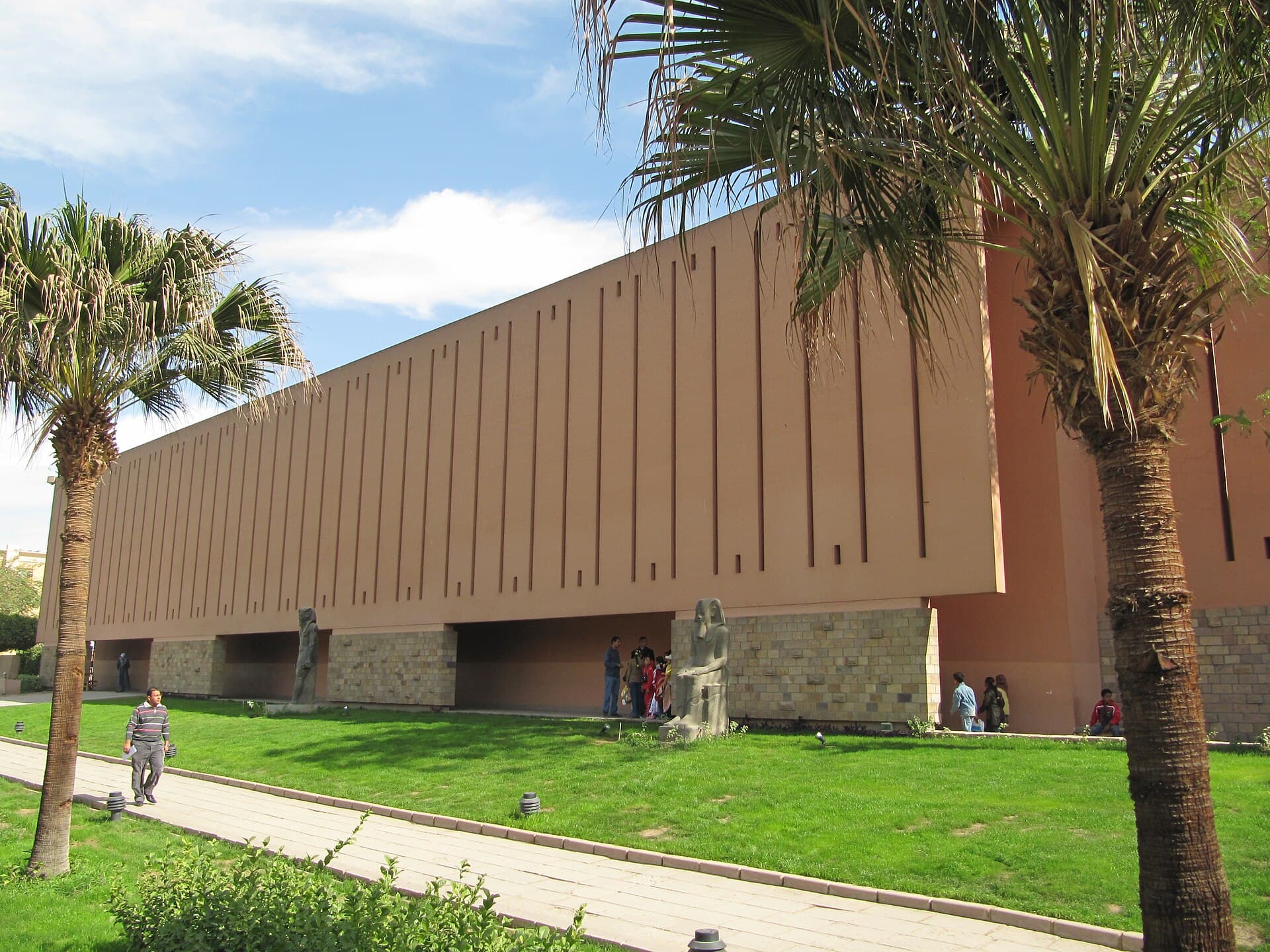 Luxor MuseumA comparatively small museum that is nevertheless among the best-designed in all5 minutes walk4.5
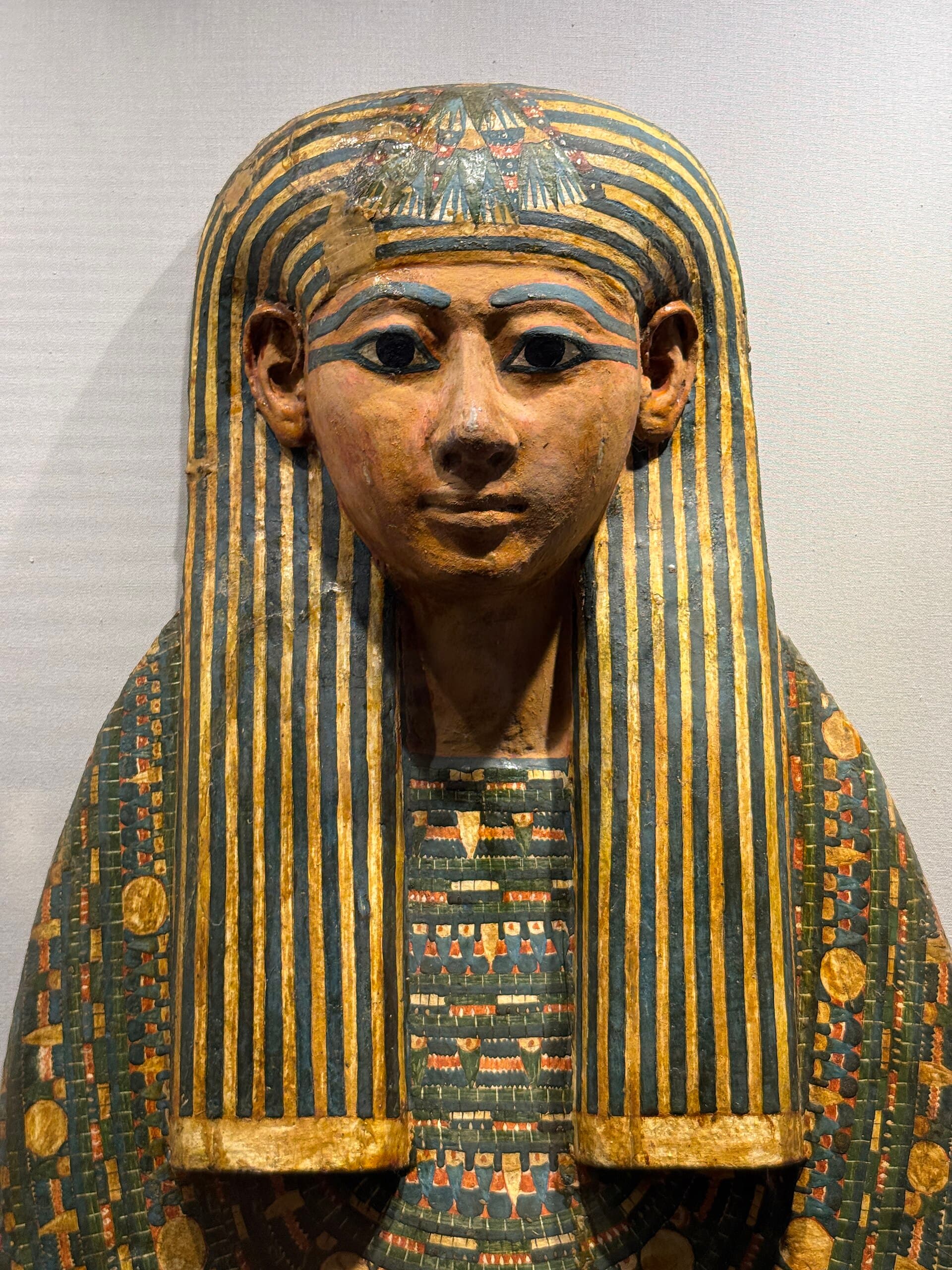 Mummification MuseumA small museum on Luxor's Nile Corniche, between Luxor Temple and Karnak, devote14 minutes walk
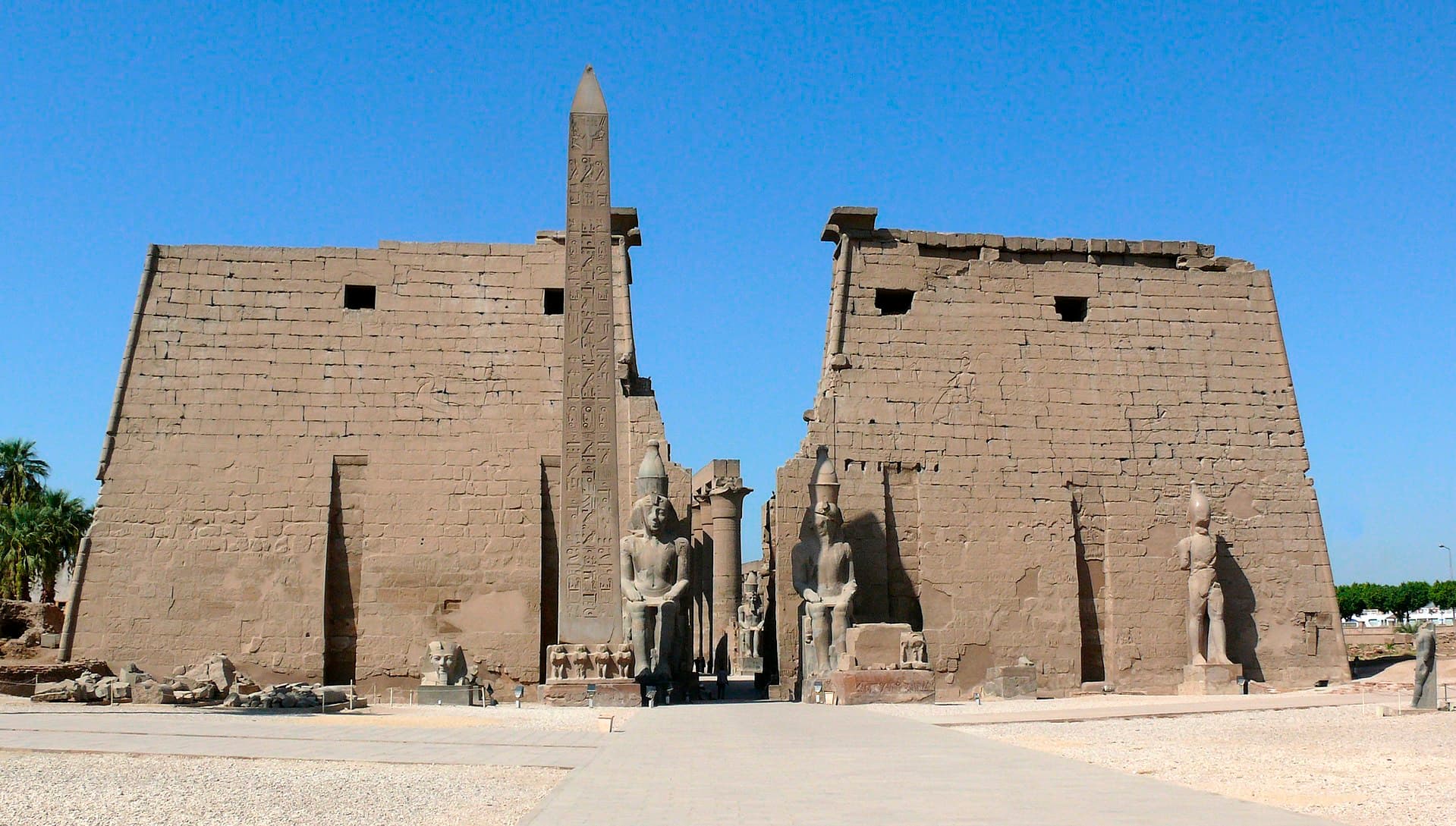 Luxor TempleA pharaonic temple standing directly in the middle of the modern town on the ban17 minutes walk4.7
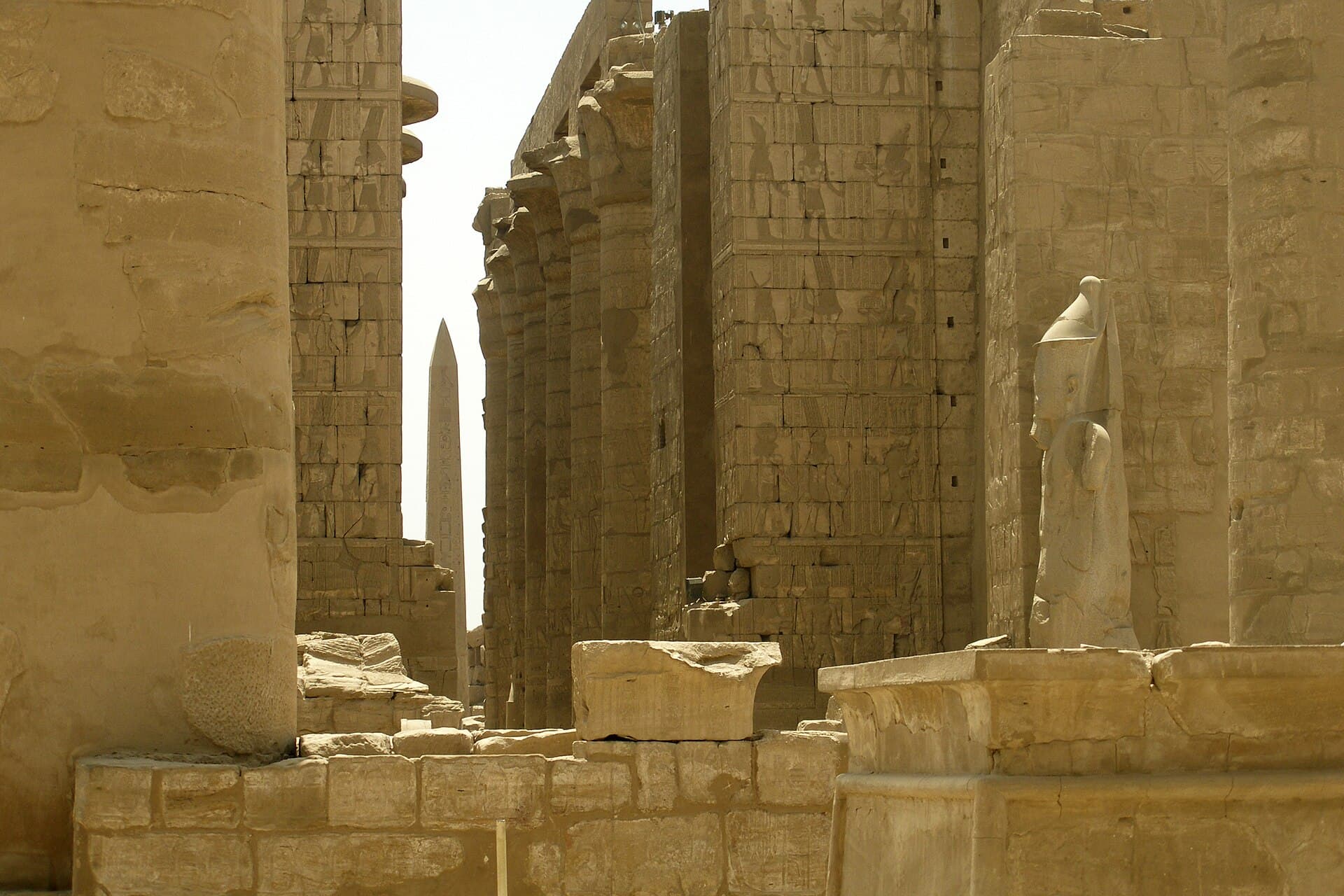 Karnak TempleThe largest religious complex ever built, and not the work of one reign but of r18 minutes walk4.7
No: walking it comes with the Karnak or Luxor Temple ticket, and you can see it from the surrounding streets without one.