
Step by step
The embalmers' tools.
Chabe01 — CC BY-SA 4.0 · Chabe01 — CC BY-SA 4.0 · Chabe01 — CC BY-SA 4.0 · Chabe01 — CC BY-SA 4.0 · Chabe01 — CC BY-SA 4.0 · Chabe01 — CC BY-SA 4.0 · Chabe01 — CC BY-SA 4.0 · Chabe01 — CC BY-SA 4.0
A small museum on Luxor's Nile Corniche, between Luxor Temple and Karnak, devoted to the ancient Egyptian art of mummification and unique of its kind in Egypt. It opened in 1997 in a building that had been a visitor centre. The museum explains mummification step by step: the materials the embalmers used, from natron salt to resins and oils, the surgical tools with which they removed the organs, the canopic jars that held them and the amulets tucked between the linen wrappings. Among its highlights are the well-preserved mummy of a high priest of Amun and animal mummies the Egyptians also embalmed, among them a cat, a crocodile, a ram and a fish. Panels taken from the Book of the Dead lead into it all, showing the journey of the dead to the afterlife. A foreign visitor's ticket costs about two hundred and twenty Egyptian pounds, and according to the ministry list it opens in two sessions, from nine to one in the morning and from five to eight in the evening. A visit is short and fits an evening stroll along the Corniche.
The embalmers' tools.
A high priest of Amun.
Cat, crocodile, ram.
Nile Corniche, north of Luxor Temple
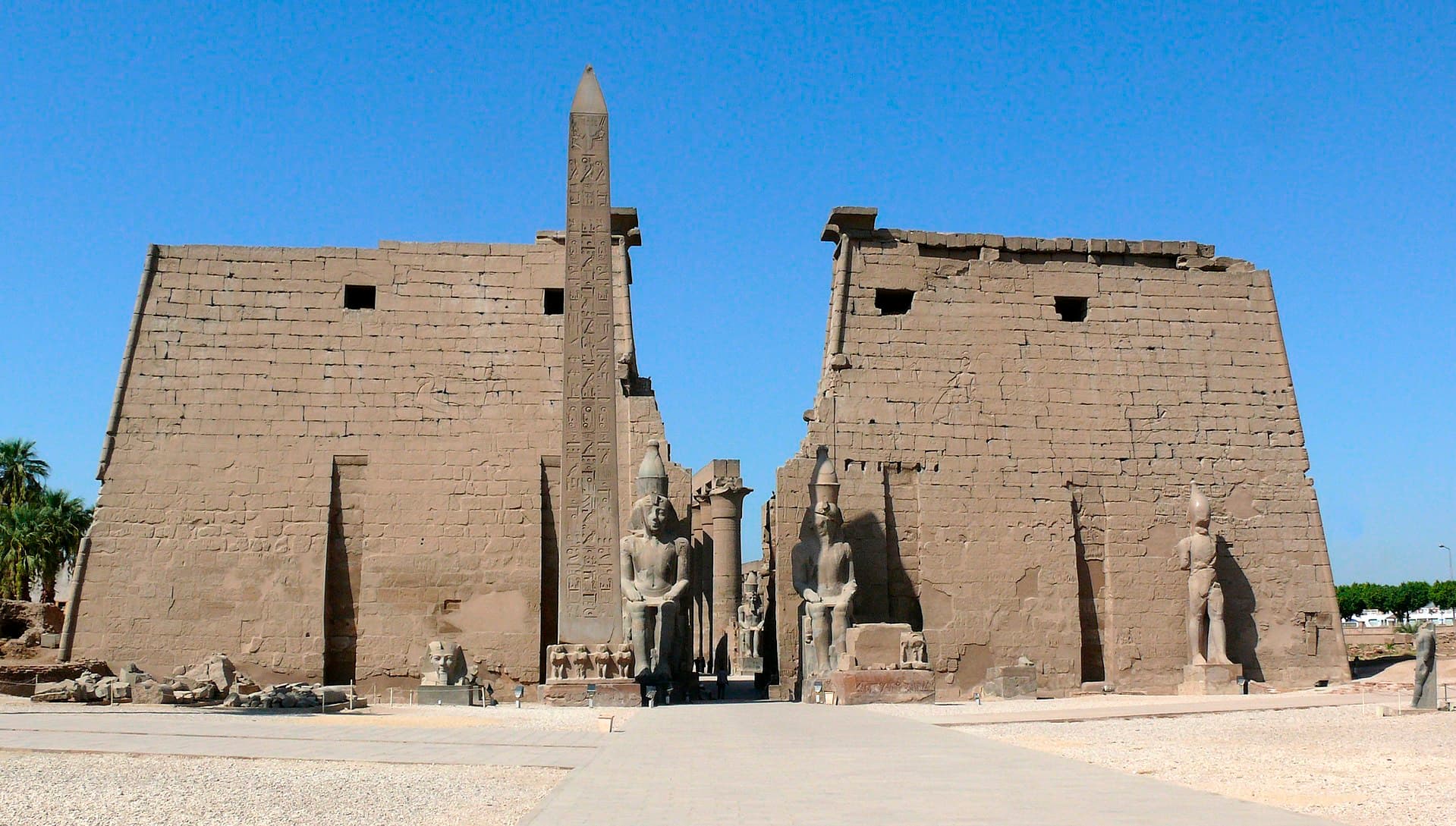 Luxor TempleA pharaonic temple standing directly in the middle of the modern town on the ban4 minutes walk4.7
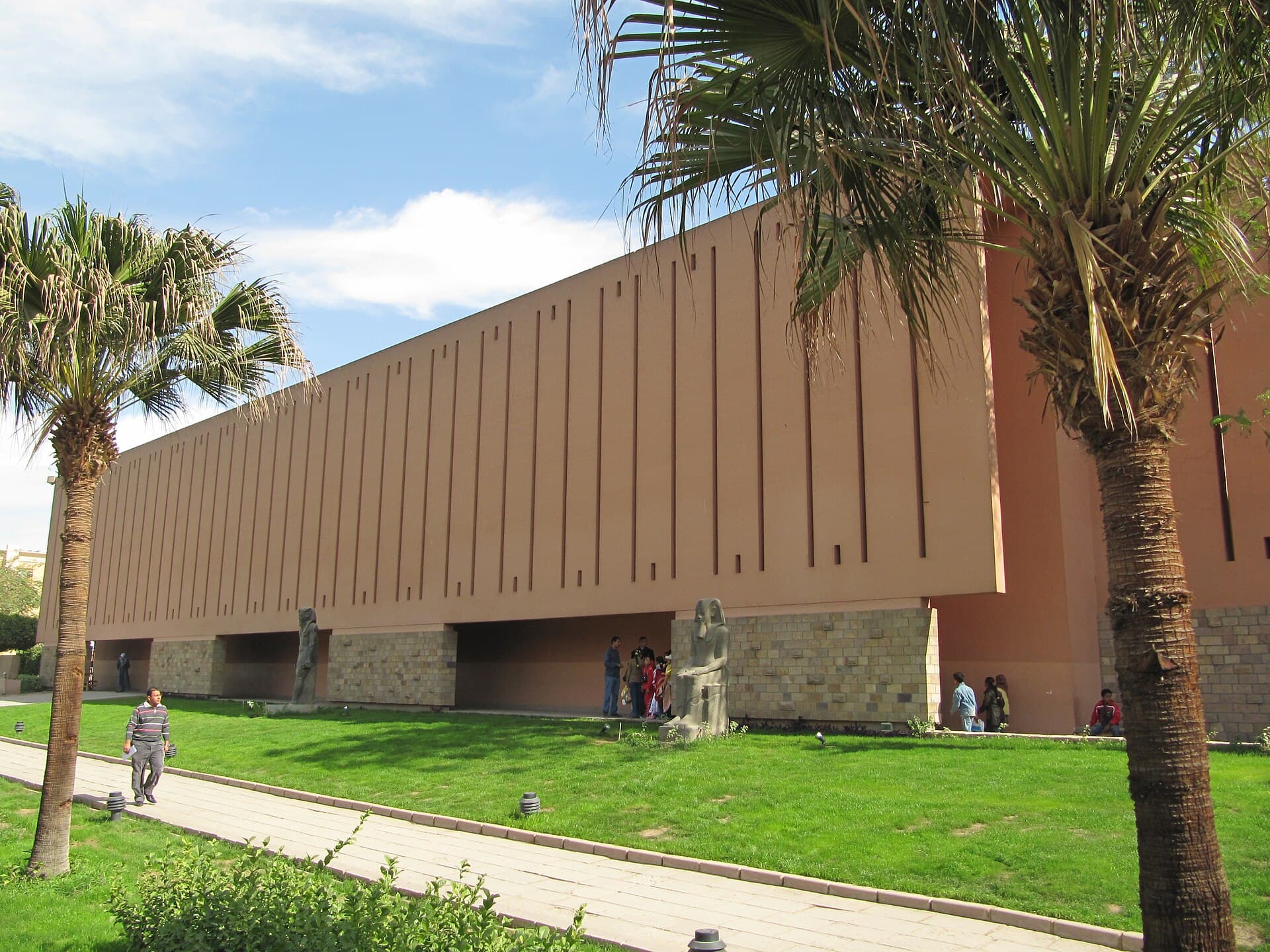 Luxor MuseumA comparatively small museum that is nevertheless among the best-designed in all9 minutes walk4.5
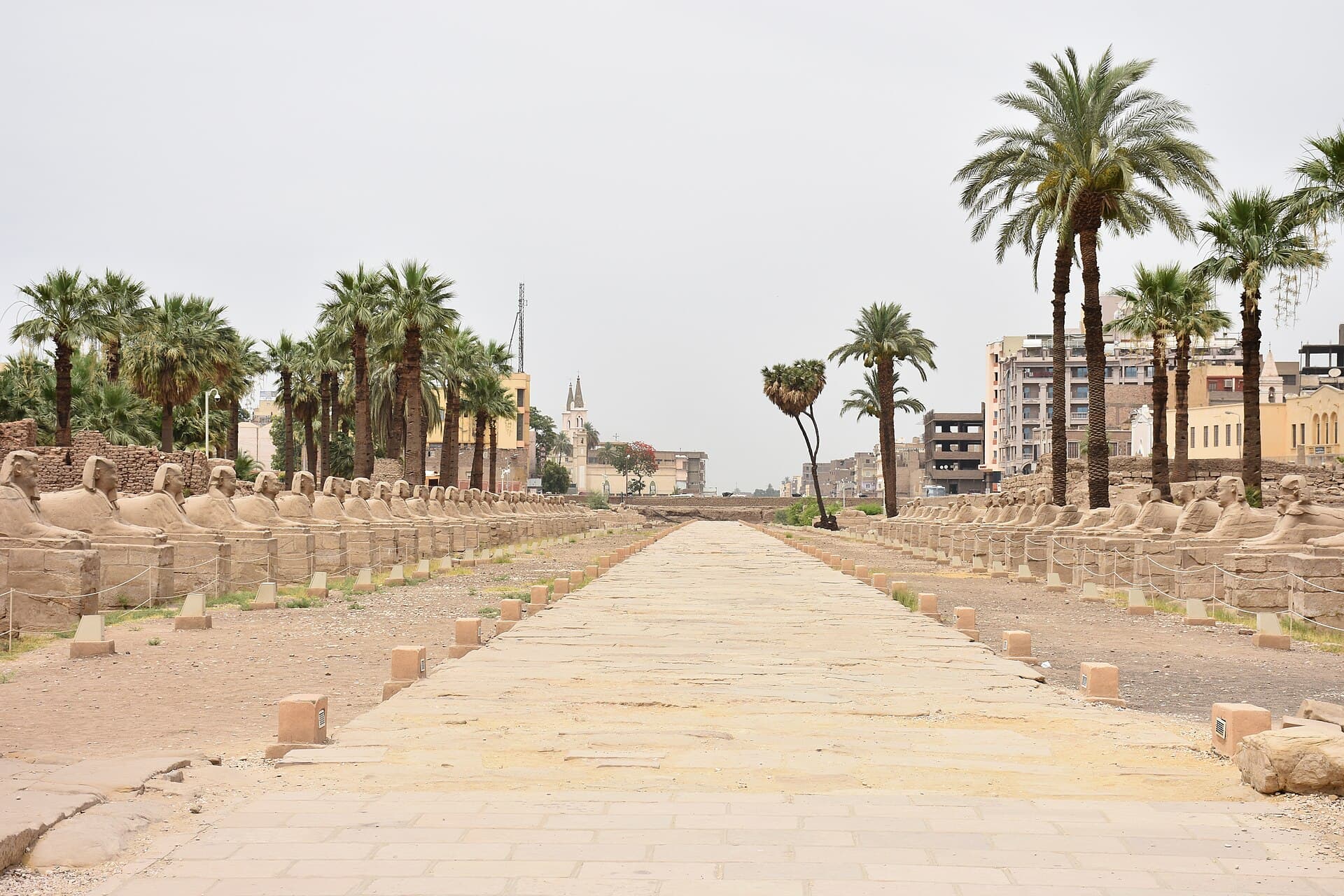 Avenue of SphinxesAn ancient processional way about two thousand seven hundred metres long linking14 minutes walk
In the evening session after five, when the heat eases, then stroll the Corniche to Luxor Temple, lit up at night.