
The Luxor Temple cachette
Statues found in 1989 beneath the temple floor, in superb condition.
Michiel1972 — CC BY-SA 3.0 · Holger Uwe Schmitt — CC BY-SA 4.0 · Holger Uwe Schmitt — CC BY-SA 4.0 · Holger Uwe Schmitt — CC BY-SA 4.0
A comparatively small museum that is nevertheless among the best-designed in all of Egypt, and philosophically the exact opposite of the Egyptian Museum in Cairo. The principle here is selection rather than quantity: a limited number of objects, each displayed alone under lighting designed for it against a dark ground, with clear labelling in Arabic and English. The result is that you actually look at the pieces instead of walking past them, which does not happen in a crowded museum. Everything on show comes from Luxor and its surroundings — from Karnak, Luxor Temple and the west bank tombs — which makes the museum an extension of what you have seen at the sites rather than a separate collection. Its most important holdings: the group of statues from the Luxor Temple cachette, found in 1989 buried beneath the floor of the temple court and in superb condition because they had not met the air for centuries; a complete reconstructed wall from the blocks of Akhenaten's temple at Karnak, which was demolished after his death and its stone hidden inside another pylon; and the mummy of Ahmose I along with one thought to be Ramesses I. The weapons and chariotry hall displays New Kingdom military equipment and models. The museum is air-conditioned, quiet, and also opens in the evening, which is its great practical advantage in Luxor: it can be visited late in the day when walking the open sites is impossible. An hour and a quarter is enough, and it stands on the corniche between Luxor Temple and Karnak.
Statues found in 1989 beneath the temple floor, in superb condition.
Reassembled from the blocks of his demolished temple, hidden inside a Karnak pylon.
New Kingdom military equipment and models, unusual in Egyptian museums.
Nile corniche, Luxor
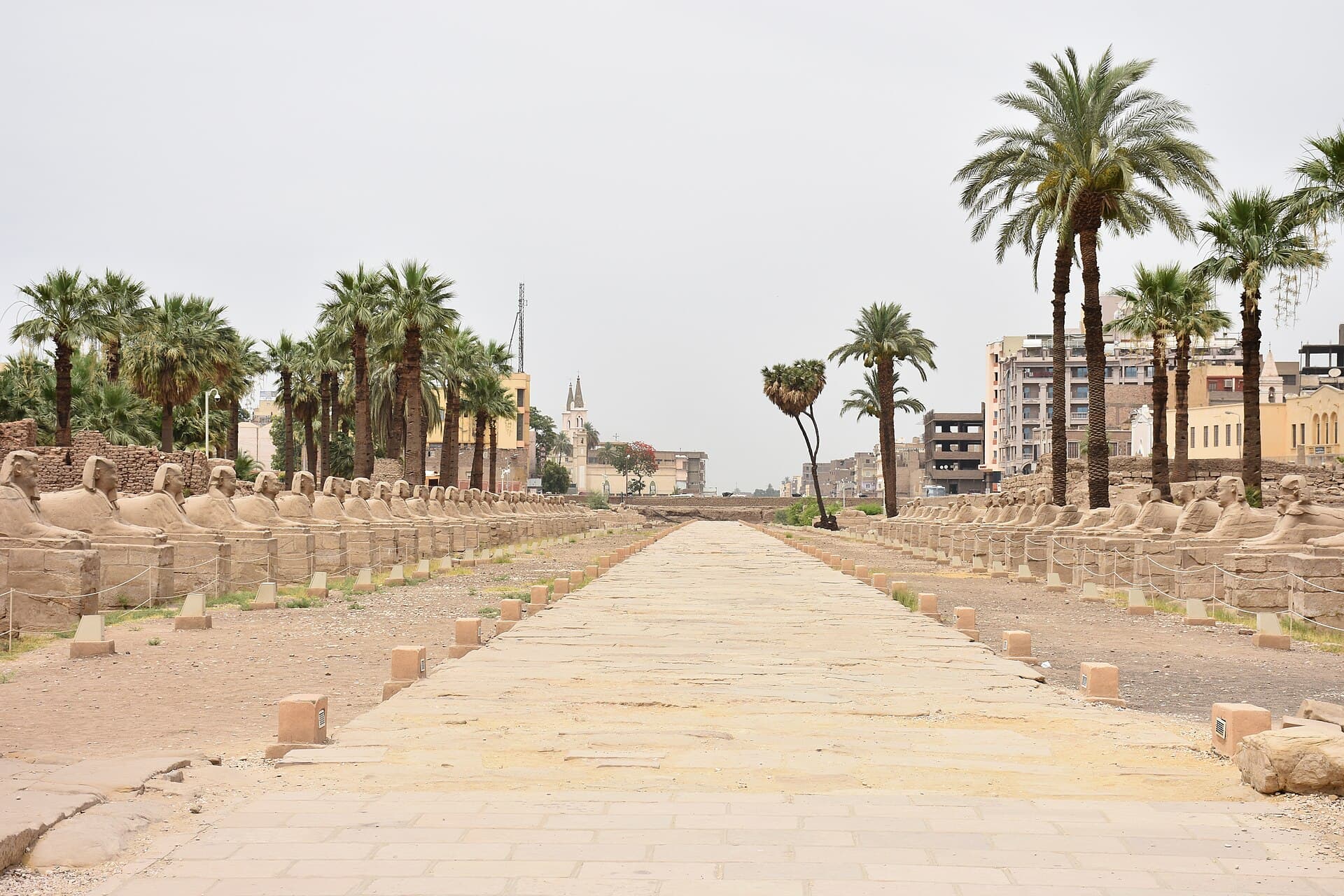 Avenue of SphinxesAn ancient processional way about two thousand seven hundred metres long linking5 minutes walk4.8
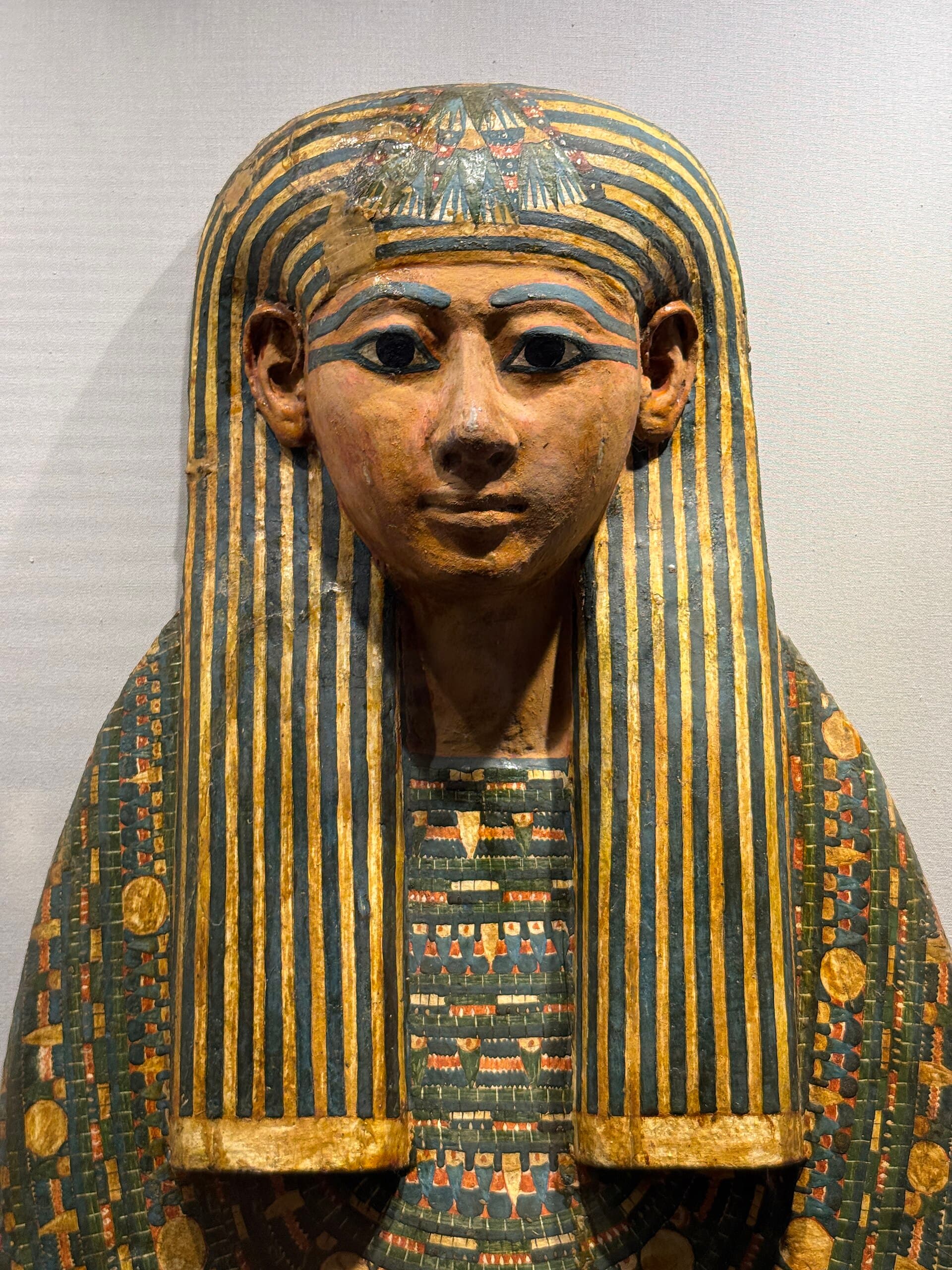 Mummification MuseumA small museum on Luxor's Nile Corniche, between Luxor Temple and Karnak, devote9 minutes walk4.4
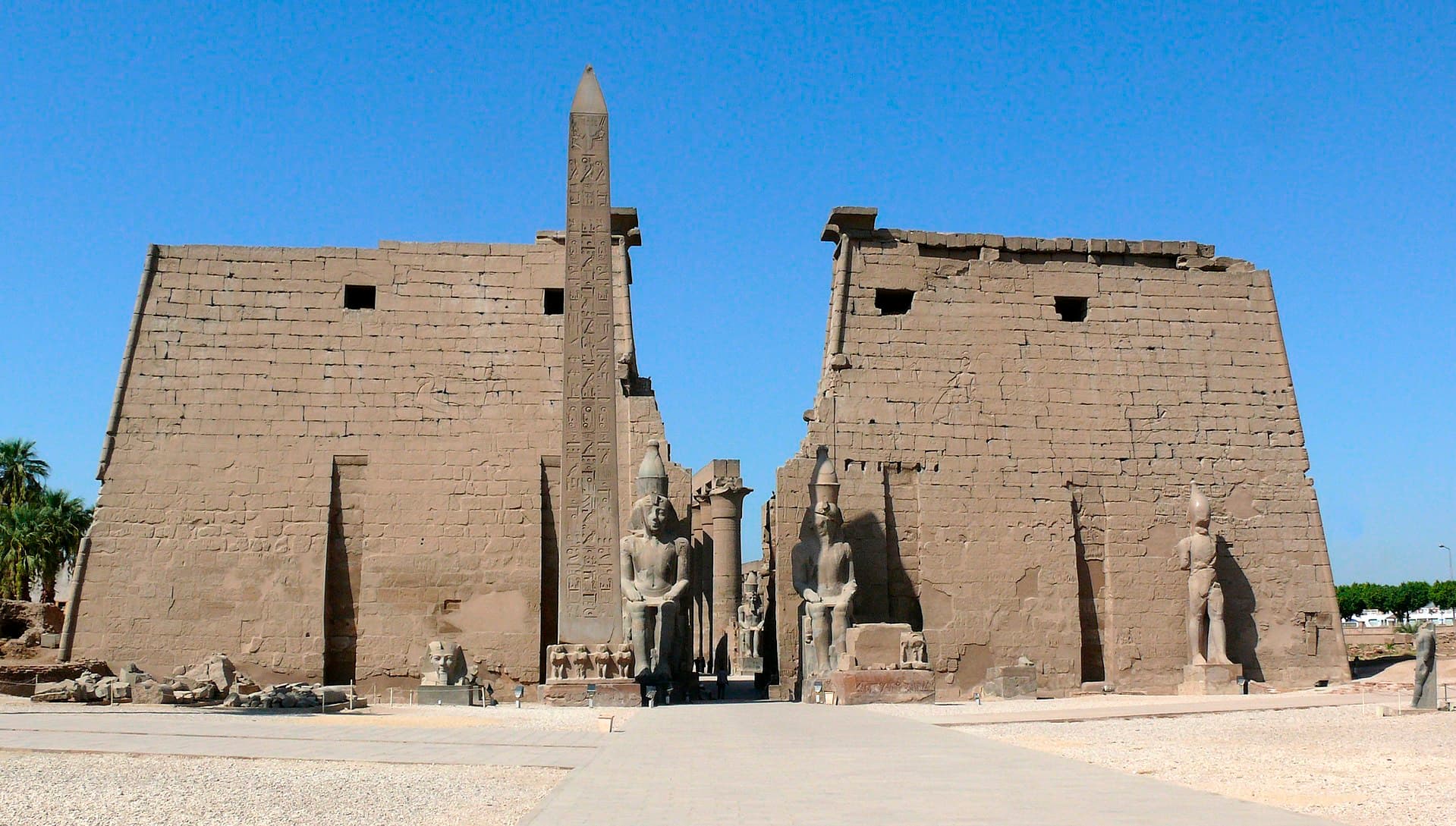 Luxor TempleA pharaonic temple standing directly in the middle of the modern town on the ban13 minutes walk4.7
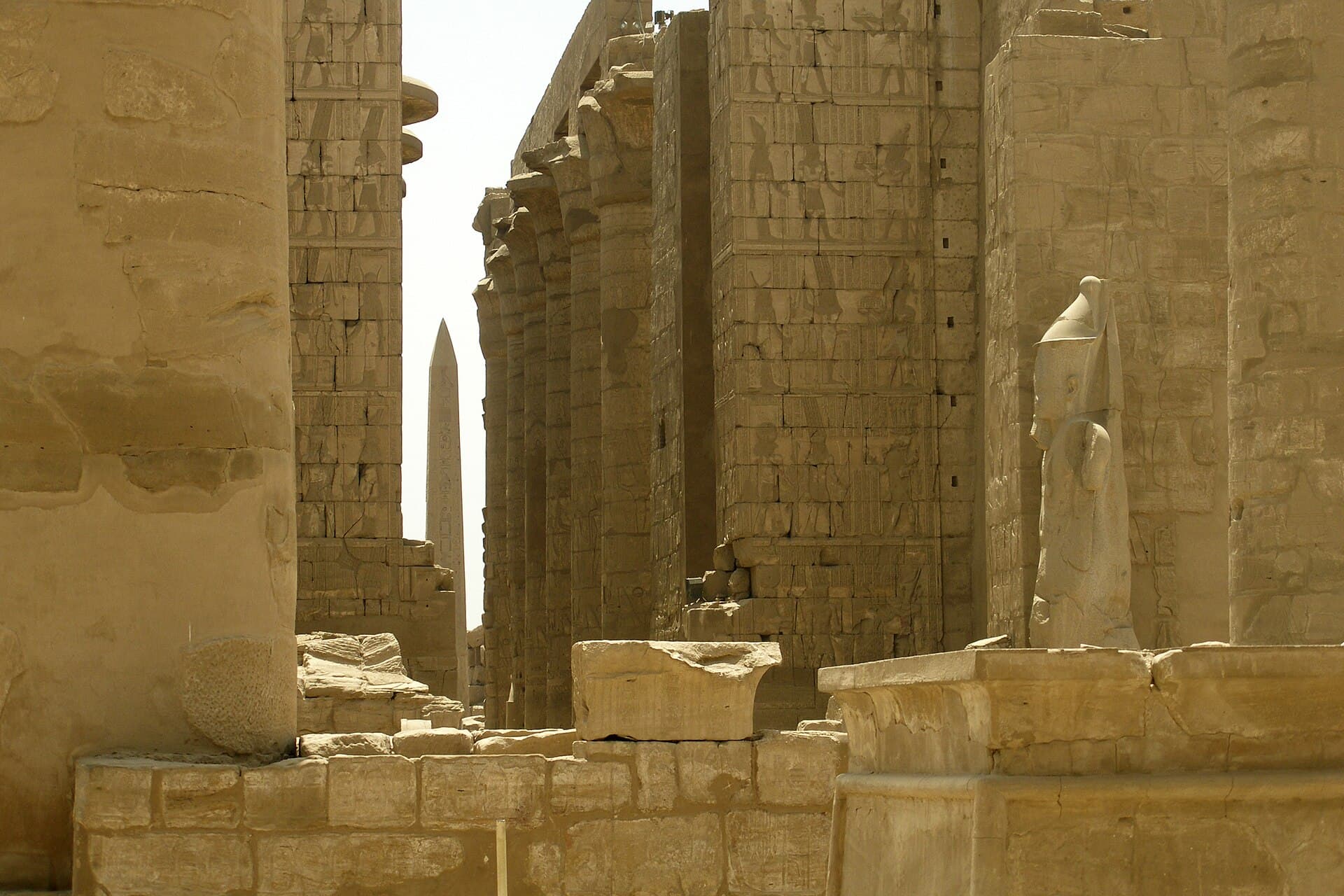 Karnak TempleThe largest religious complex ever built, and not the work of one reign but of r22 minutes walk4.7
After. The museum shows what came out of Karnak, Luxor Temple and the west bank, so seeing the sites first puts the objects in context. And practically more important: visit in the evening session after a day at the sites — it is air-conditioned, it rescues you from the heat, and it closes the day well.
Better designed and displayed without question, and far smaller and less important in what it holds. The Egyptian Museum has objects with no equal but is crowded and poorly labelled. At Luxor you genuinely see every piece. The two do not compete — each does something different.