
The Magnin relief
A 32 m² model of Geneva in 1850, before its walls fell.
Sumit Surai — CC BY-SA 4.0 · Benoît Prieur — CC0 · Romano1246 — CC BY-SA 3.0 · Romano1246 — CC BY-SA 3.0
Maison Tavel is **the oldest surviving private house in Geneva**, standing a few steps from St Pierre Cathedral in the heart of the old town. Its origins go back to the twelfth century — the Tavel family took it over late in the thirteenth — and the house as it stands now is the rebuilding that followed the great fire which swept half the city in 1334. Its value is as a rare survival of medieval civil architecture in Europe: not a church, not a fortress, not a prince's palace, but a merchant family's house, with its stone façade and paired windows. It became a museum of Geneva's urban history in 1986, over six levels: household objects, old shop signs, keys and locks, doors and balconies salvaged from demolished buildings, and scenes of daily life from the Middle Ages to the nineteenth century. And in the attic sits its real treasure: the **Magnin relief** — a vast model showing Geneva as it stood in 1850, before its walls and fortifications came down. The model alone justifies the visit: some 32 square metres, its houses in zinc and its roofs in copper, weighing close to 800 kilograms, finished by the architect Auguste Magnin in 1896 after eighteen years of work. You stand in front of a walled city that vanished within a few years of being recorded. And **entry to the permanent collection is pay-what-you-wish** (a contribution of roughly CHF 5–20 is suggested) — unusually gentle for a city priced like Geneva.
A 32 m² model of Geneva in 1850, before its walls fell.
Medieval civil architecture rarely survives in Europe.
Fragments of demolished Geneva buildings gathered here.
Rue du Puits-Saint-Pierre 6, 1204 Geneva
 Musée Barbier-MuellerA small private museum in a sixteenth-century house in the heart of Geneva's old1 minute walk4.4
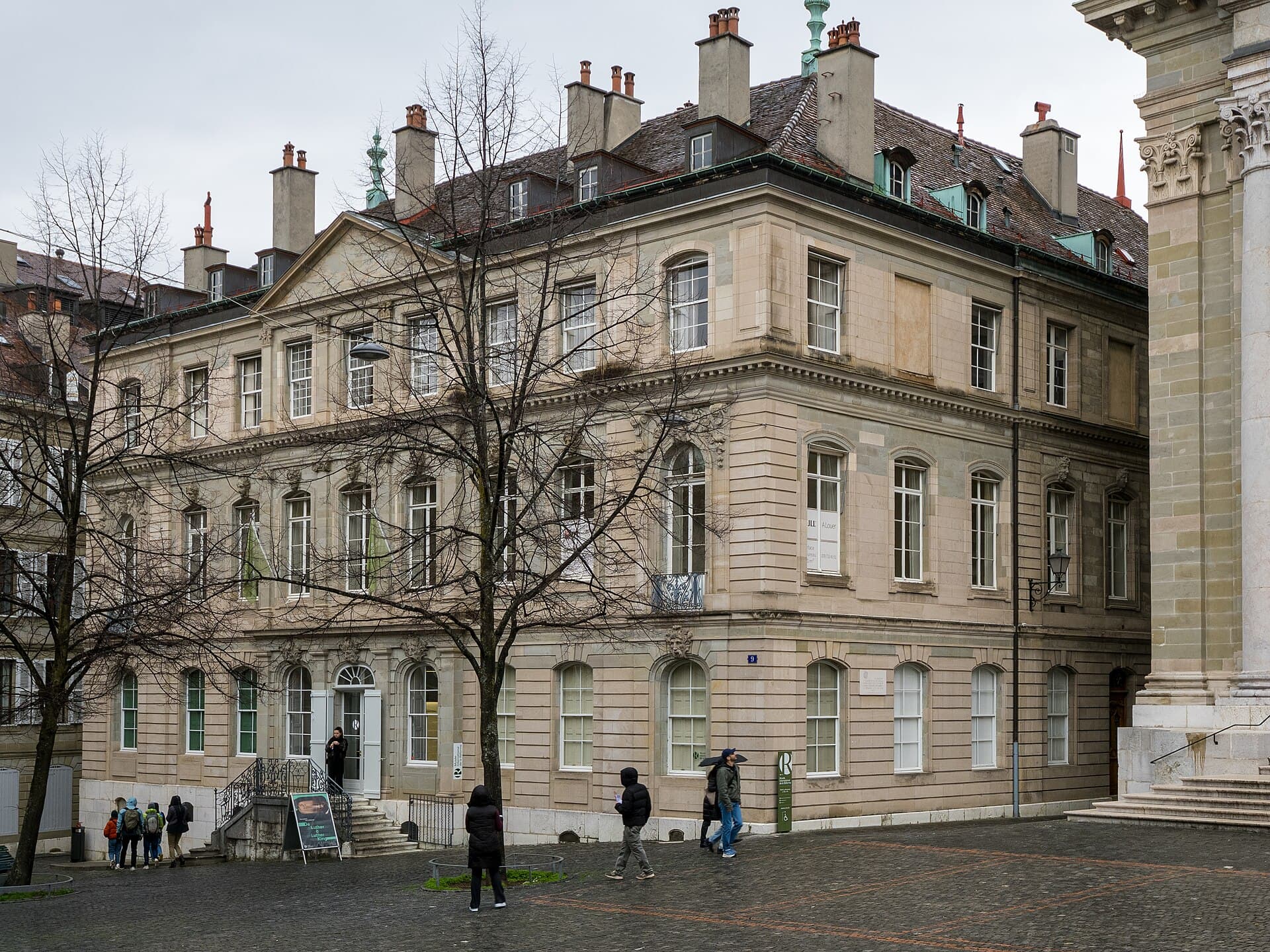 International Museum of the ReformationThe museum occupies the **Maison Mallet**, a small mansion built in 1723 by the 1 minute walk4.6
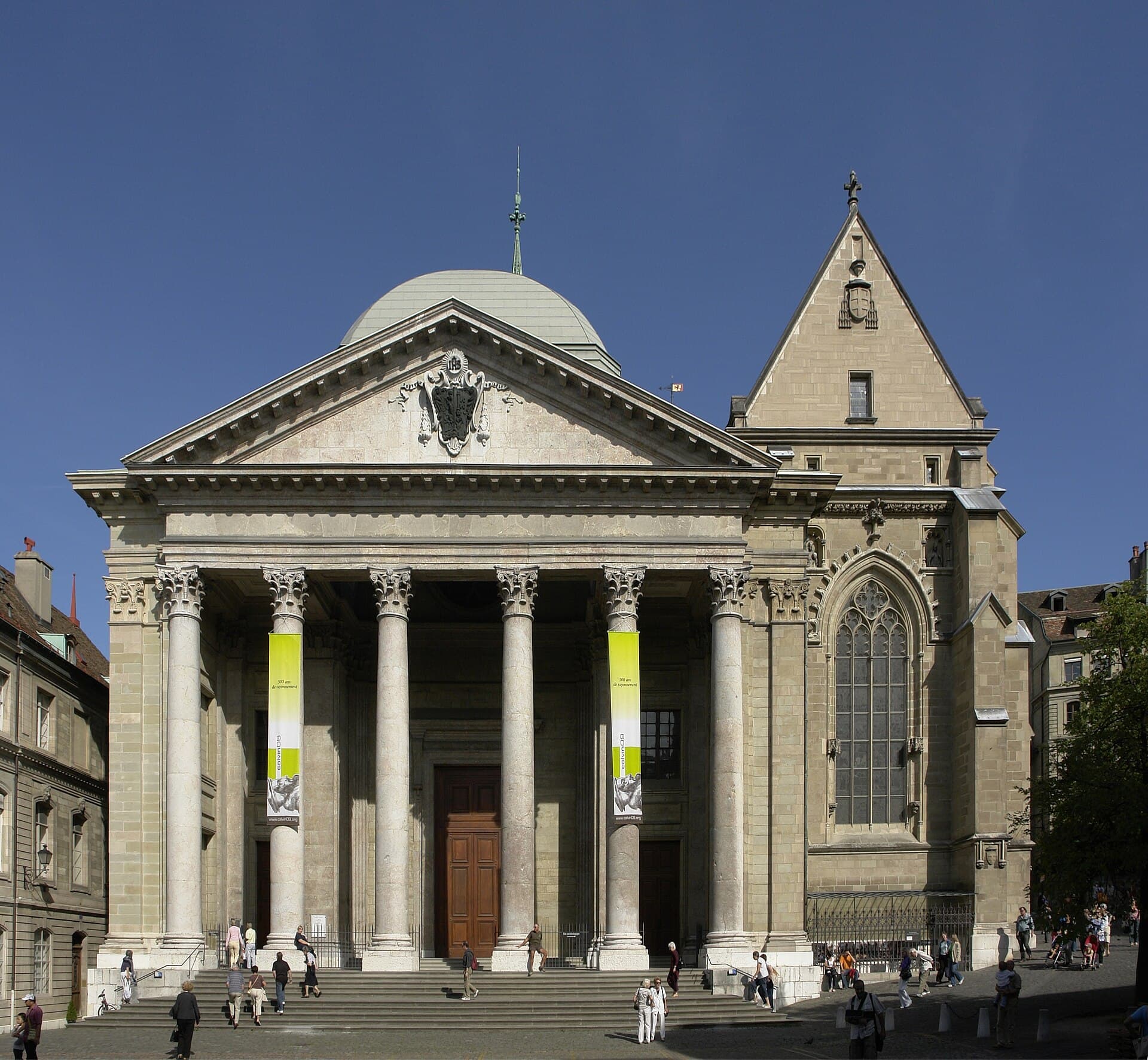 St Pierre CathedralAtop the old town sits Geneva's cathedral in its strange mixture: a twelfth-cent1 minute walk4.7
 Reformation Wall & Parc des BastionsIn the Bastions park below the old-town ramparts runs the Reformation Wall's hun2 minutes walk4.6
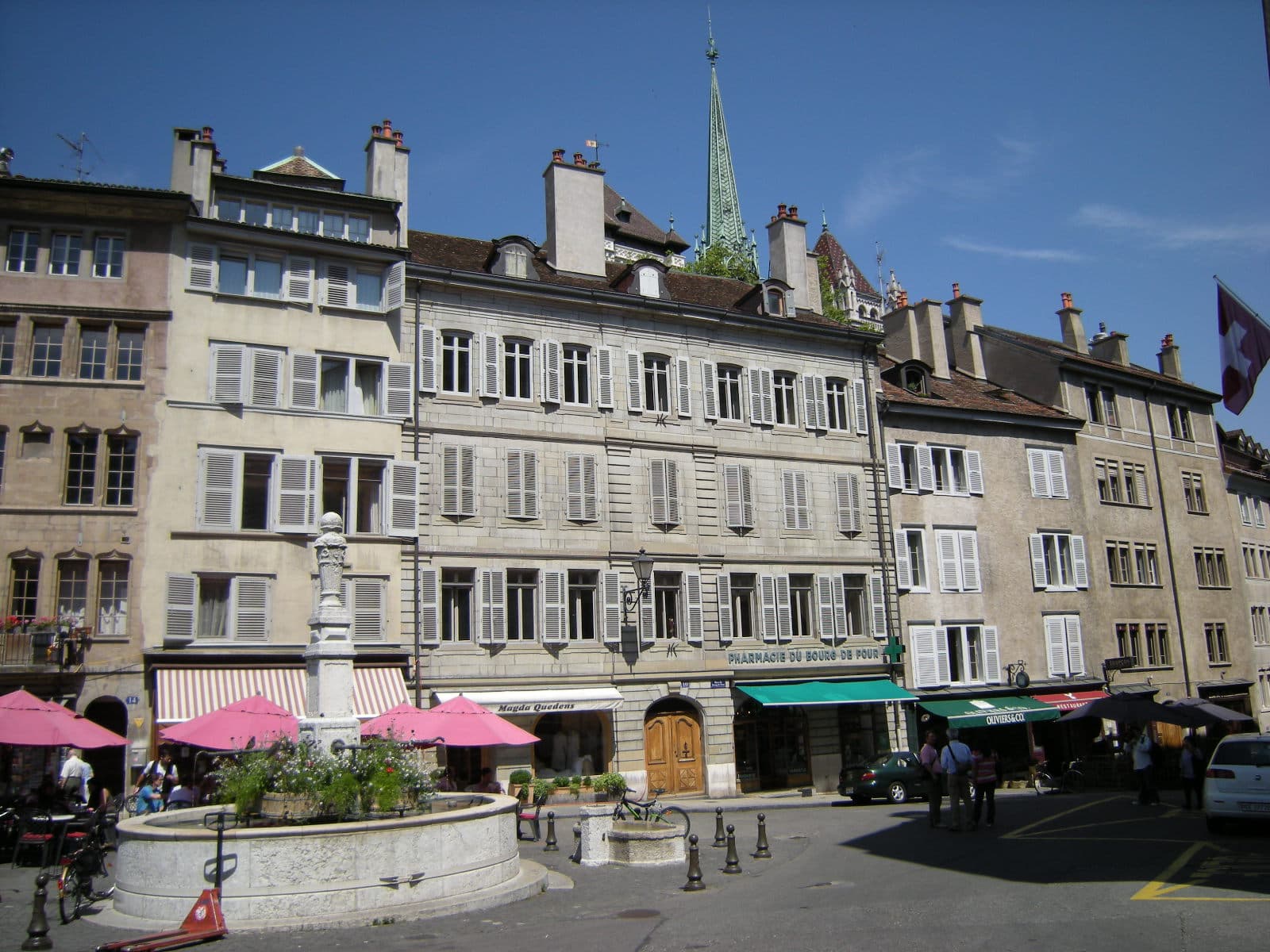 Place du Bourg-de-FourGeneva's oldest square and the upper town's heart: the Bourg-de-Four was a Roman3 minutes walk4.4
Yes, for three reasons: it is **cheap — pay what you wish**, it takes under an hour, and it stands a minute from St Pierre Cathedral so it costs you no extra journey. Go straight to the top floor and stand at the Magnin relief — if you see one thing in the house, make it that, because it explains the shape of the old town you walk out into.
The Musée d'art et d'histoire is a large encyclopaedic museum — antiquities, fine art, armour — and needs half a day. Maison Tavel is small and about **Geneva itself**: how its people lived and how the city changed. With one hour, Maison Tavel is clearer and closer to what you see in the street, and you pay what you wish at the door. With half a day, the two are ten minutes apart on foot.