
The lanes' meeting
Rome's market and the centuries' roads on one cobble.
Leandro Neumann Ciuffo — CC BY 2.0 · Joseph Mégard — Public domain · Guilhem Vellut from Annecy, France — CC BY 2.0 · x70tjw — CC BY-SA 2.0
Geneva's oldest square and the upper town's heart: the Bourg-de-Four was a Roman market, then the Middle Ages' crossroads and courts — today an irregular café square around an eighteenth-century fountain, where all the old town's lanes meet as if draining into its basin. Its façades are layers: houses Protestant refugees raised floor upon floor for lodging, the Palais de Justice still sitting as court, and a plaque for Rousseau — the quarter's son, born steps away. Cafés hold it morning to evening, wicker chairs on the cobbles. This is the upper walk's living room: cathedral two minutes off, the Tavel House, stairs dropping to the lake — every old route starts or ends here, and its coffee is the walk's obligatory rest.
Rome's market and the centuries' roads on one cobble.
Floors raised to house Europe's Protestants — asylum as architecture.
The flowered eighteenth-century basin — always the picture's heart.
Place du Bourg-de-Four, 1204 Geneva
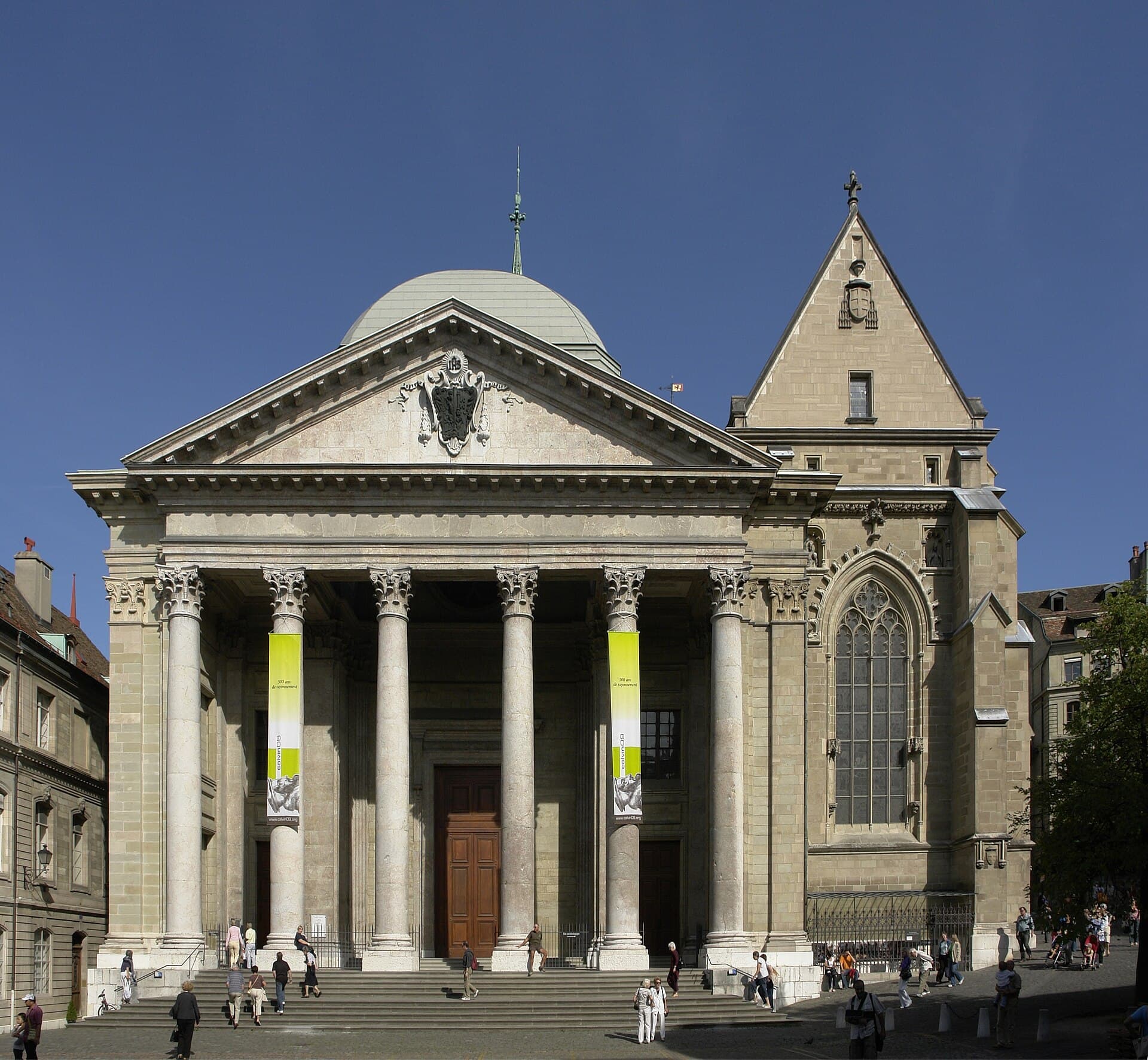 St Pierre CathedralAtop the old town sits Geneva's cathedral in its strange mixture: a twelfth-cent1 minute walk4.7
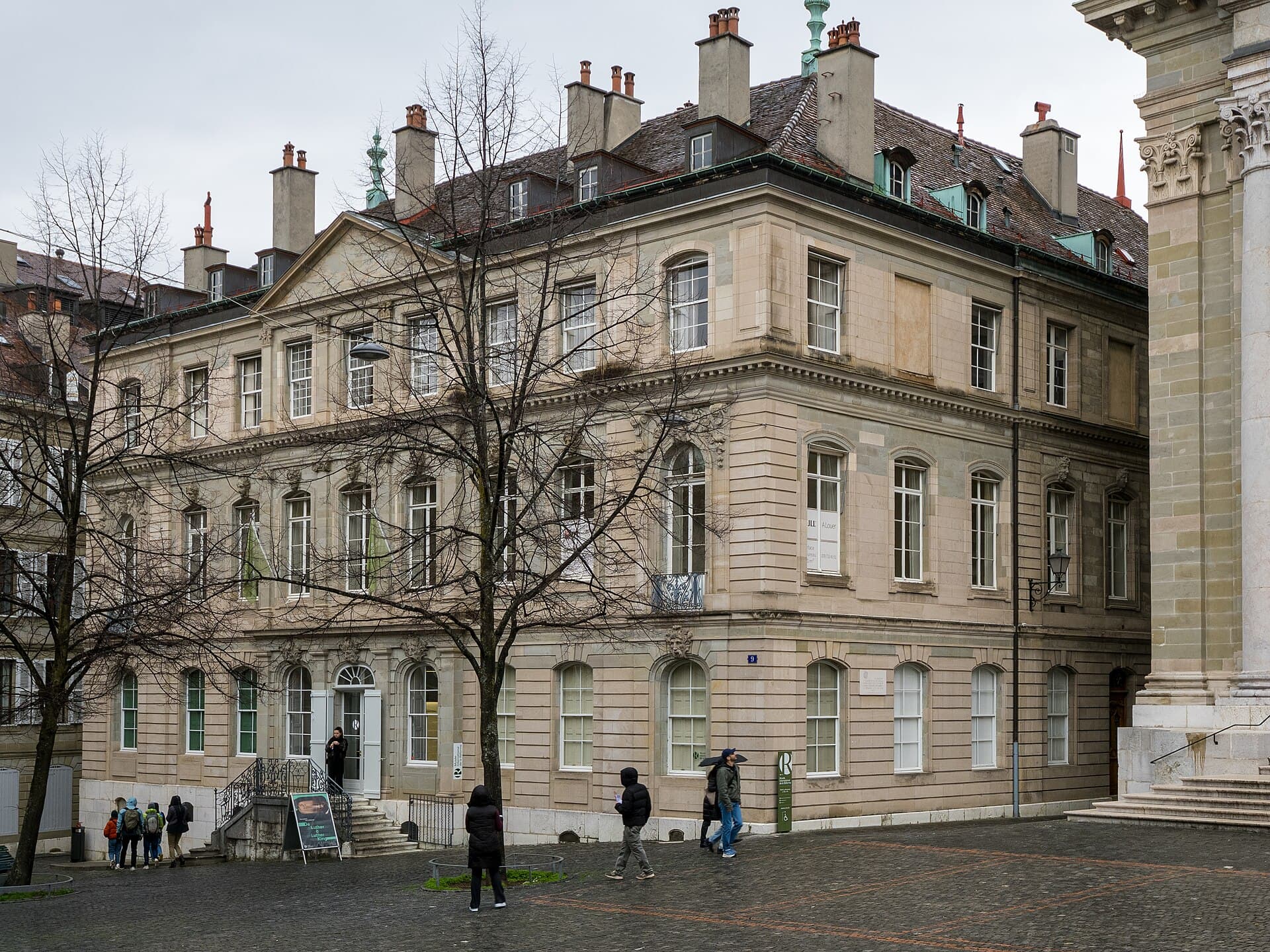 International Museum of the ReformationThe museum occupies the **Maison Mallet**, a small mansion built in 1723 by the 2 minutes walk4.6
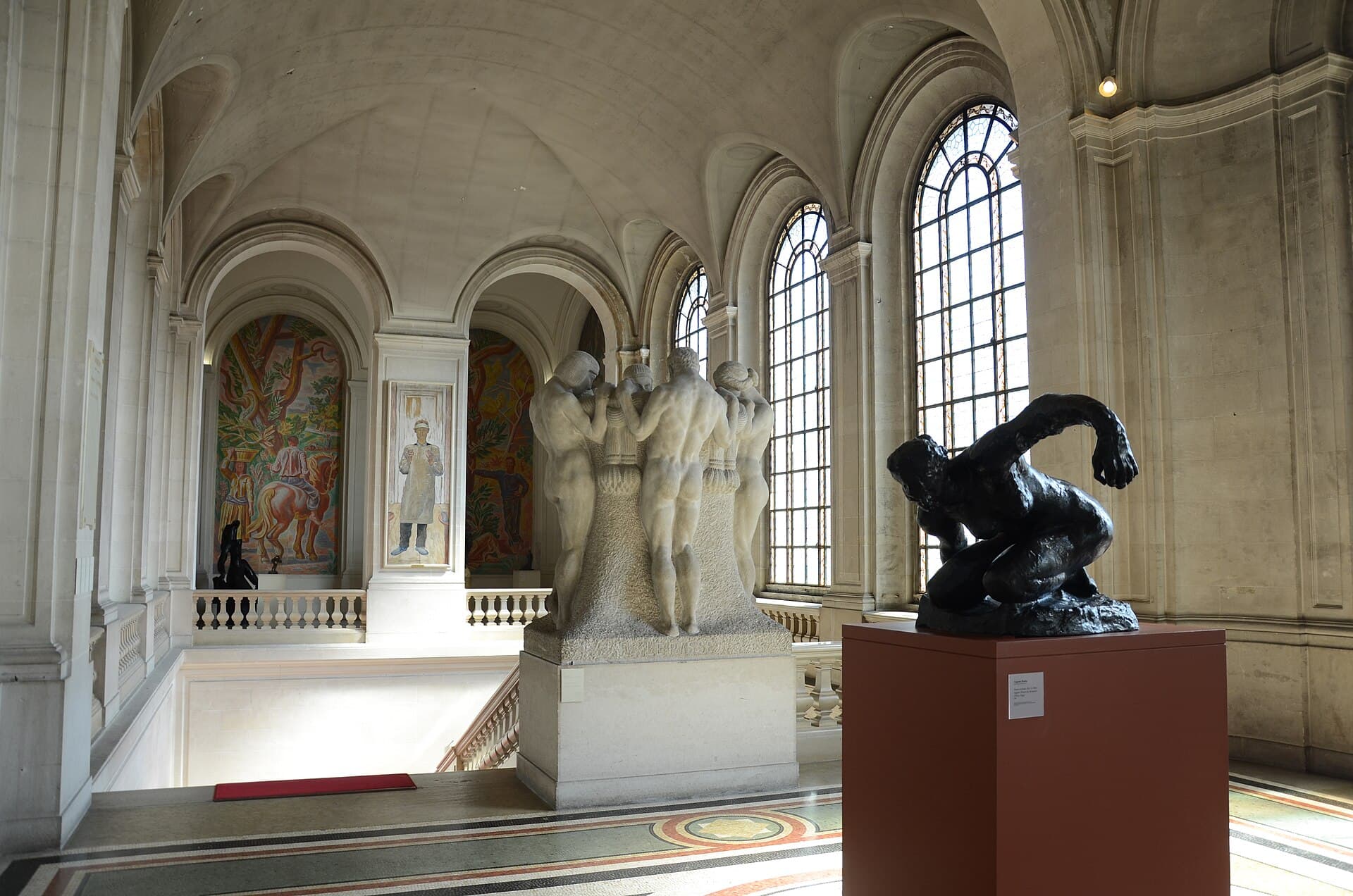 Musée d'Art et d'HistoireGeneva's largest museum — its 1910 Beaux-Arts palace at the old town's foot hold3 minutes walk4.7
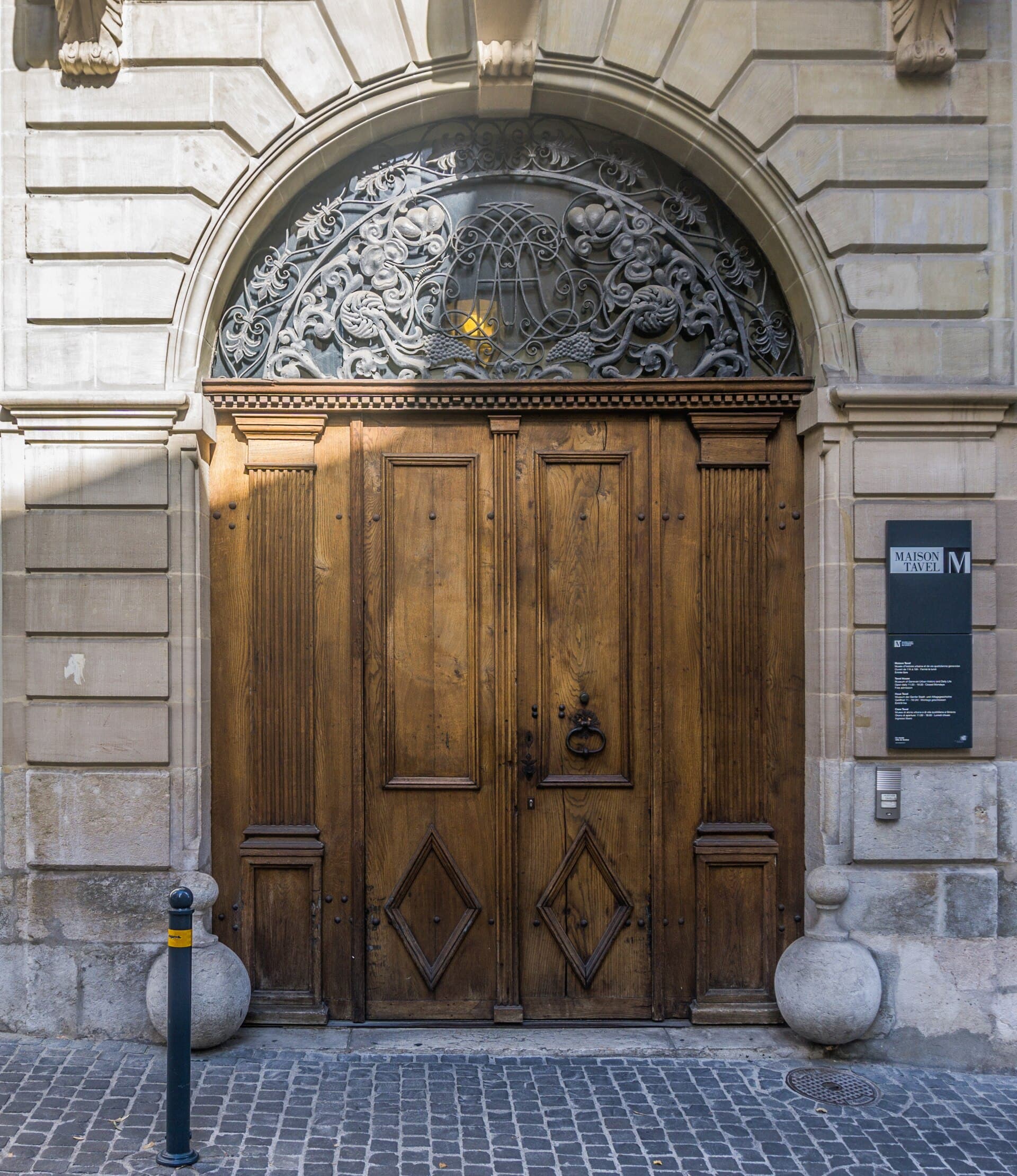 Maison TavelMaison Tavel is **the oldest surviving private house in Geneva**, standing a few3 minutes walk4.6
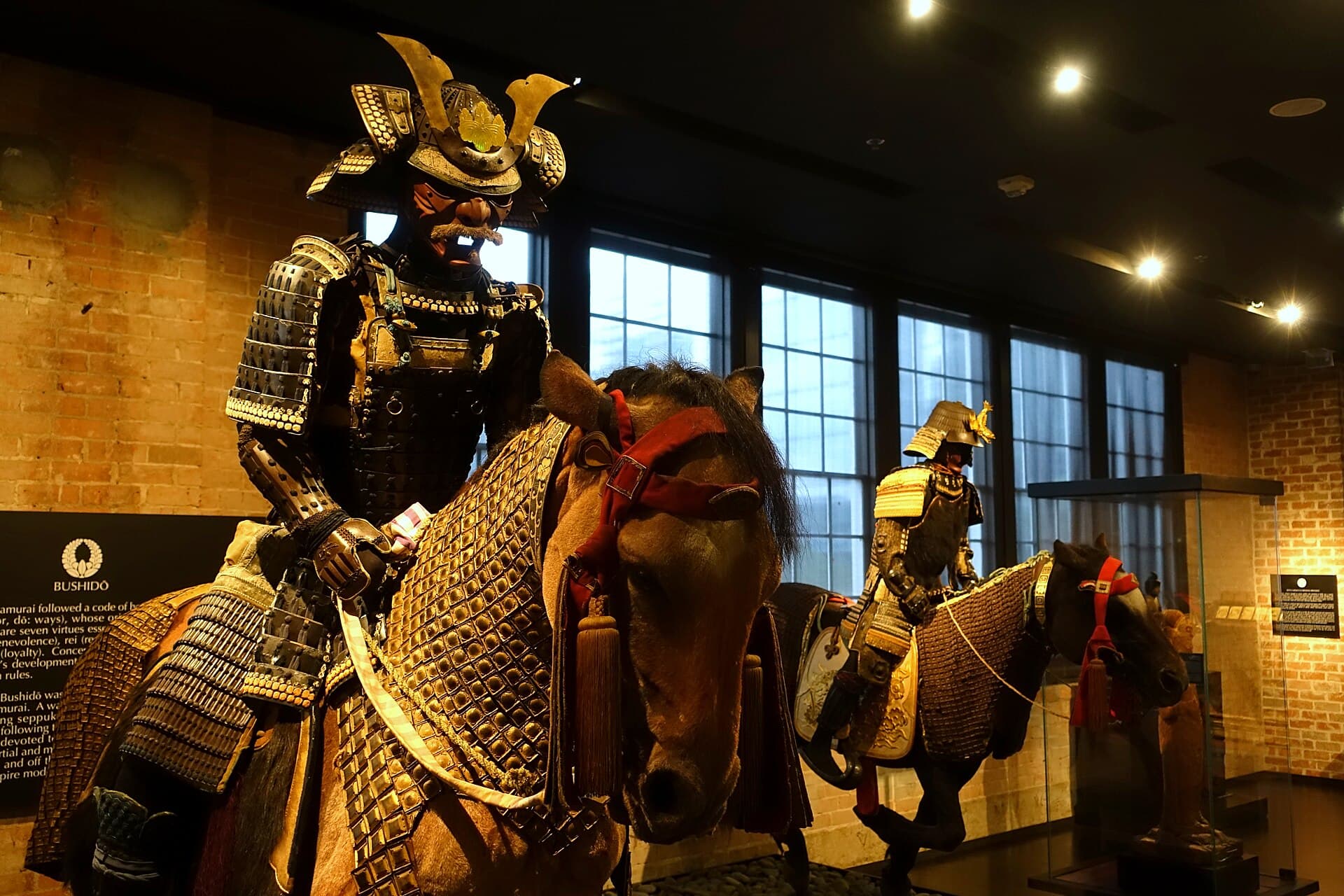 Musée Barbier-MuellerA small private museum in a sixteenth-century house in the heart of Geneva's old3 minutes walk4.4
Jean-Jacques was born 1712 in an adjoining street (plaqued house) to watchmakers — and fled strict Geneva young to overturn Europe's mind with the Social Contract and Émile. The city made peace later: an island named for him, statues — and the irony of liberty's philosopher as Calvin's-city son is told here with a smile.
The cafés tie on charm, vary on menus — choose the hour's sun or shade. The quarter's classic La Clémence with its red front keeps the crown, and summer gelato stands serve lighter pockets.
Up: cathedral and Tavel. Down east: stairs towards lake and Jardin Anglais. West: the Grand-Rue's bookshops past Rousseau's house to Place de Neuve — the square is navel to all three routes.