
The triangle floor
A black-and-white pattern turned design icon.
Original photographer: Anders Bengtsson; Image merging / retouching: Waldir — CC BY-SA 2.0 · Holger.Ellgaard — CC BY-SA 3.0 · Bene Riobó — CC BY-SA 4.0 · Ray Swi-hymn from Sijhih-Taipei, Taiwan — CC BY-SA 2.0
Sergels Torg is the heart of modern Stockholm and the exact opposite of Gamla Stan: concrete, two levels, and a floor of black and white triangles that has become a design icon in its own right. It was created in the 1960s as part of a sweeping demolition that erased whole quarters of the old city centre to build a modern commercial core — a decision still argued over in Sweden today. At its centre stands a fountain with a thirty-seven-metre crystal glass column, lit at night, which locals call the Crystal. The sunken level known as Plattan is where the city actually meets: a gathering point for young people and a stage for demonstrations and political protest for half a century, and the square has hosted Sweden's most significant moments of national mourning. Practically, it is the transport and shopping hub: T-Centralen, the central metro station, is directly beneath, the department stores surround it, and the entrance to Kulturhuset — the culture centre with its libraries, theatres and cafes — sits on its edge. It is not an aesthetic destination but a junction every visitor inevitably passes through.
A black-and-white pattern turned design icon.
A culture centre of libraries and theatres on the edge.
Sergels torg, 111 57 Stockholm
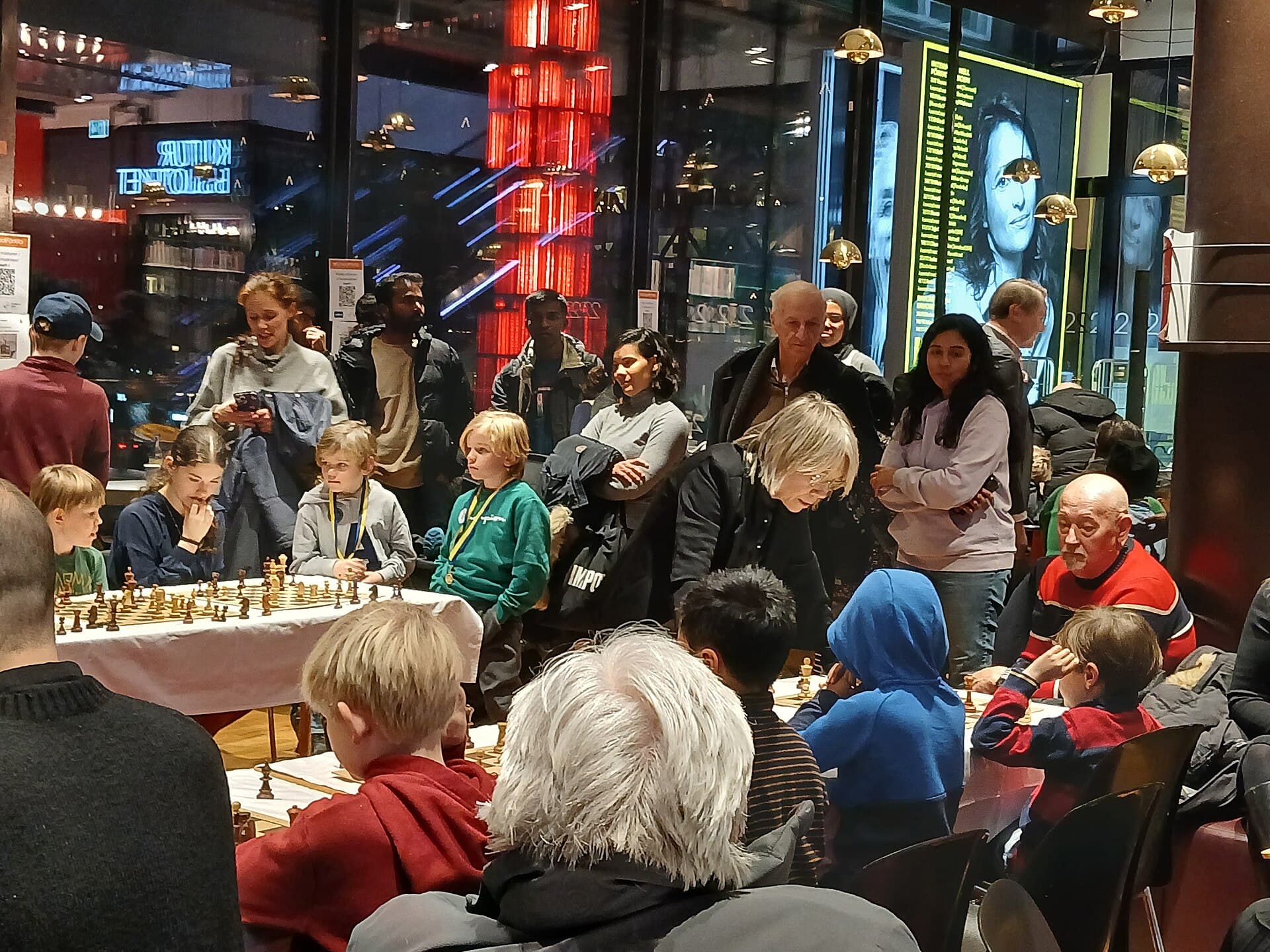 Kulturhuset StadsteaternA cultural centre and city theatre in a glass building on Sergels torg in centra1 minute walk4.2
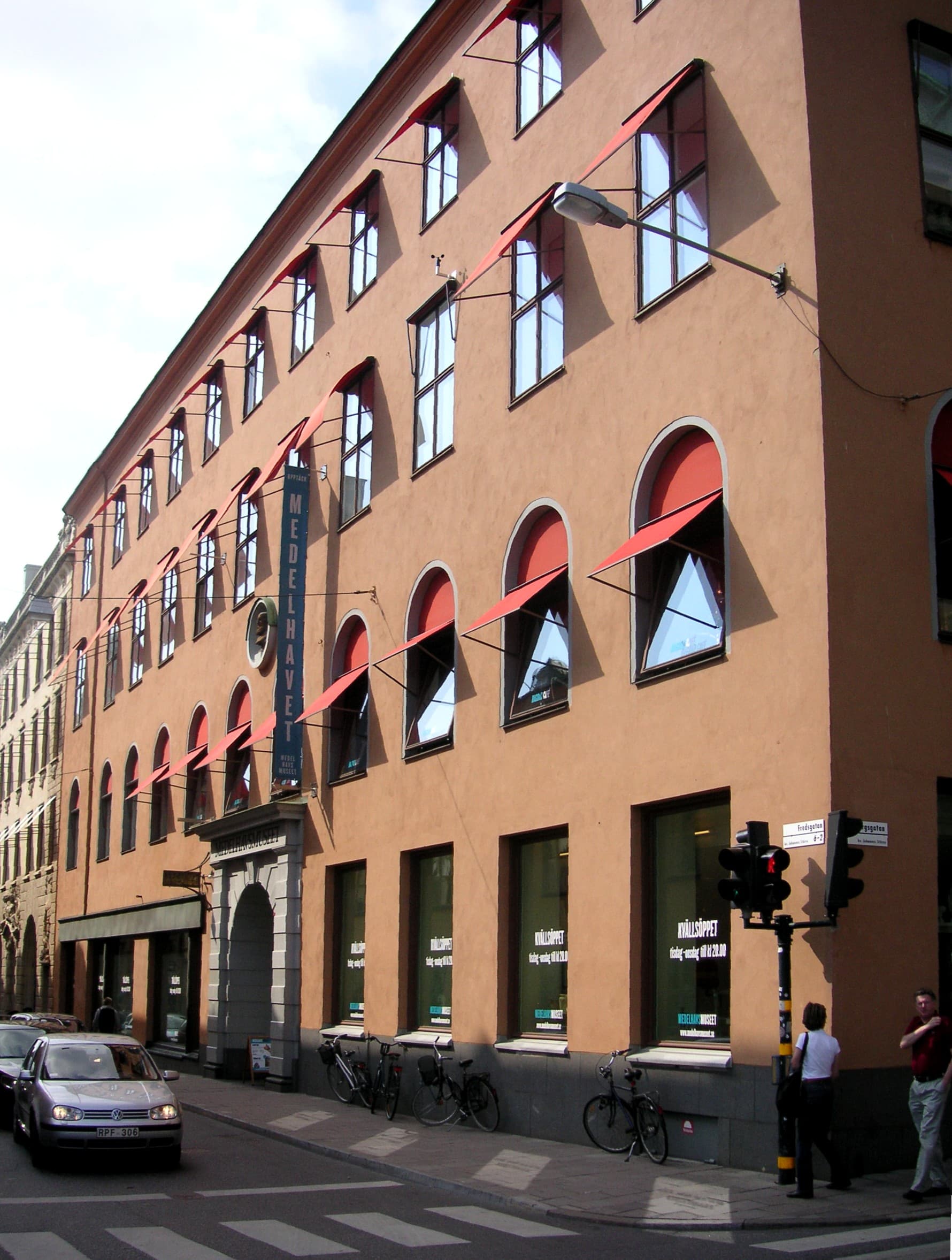 The Museum of Mediterranean and Near Eastern AntiquitiesMedelhavsmuseet is Stockholm's museum of Mediterranean and Near Eastern archaeol5 minutes walk4.3
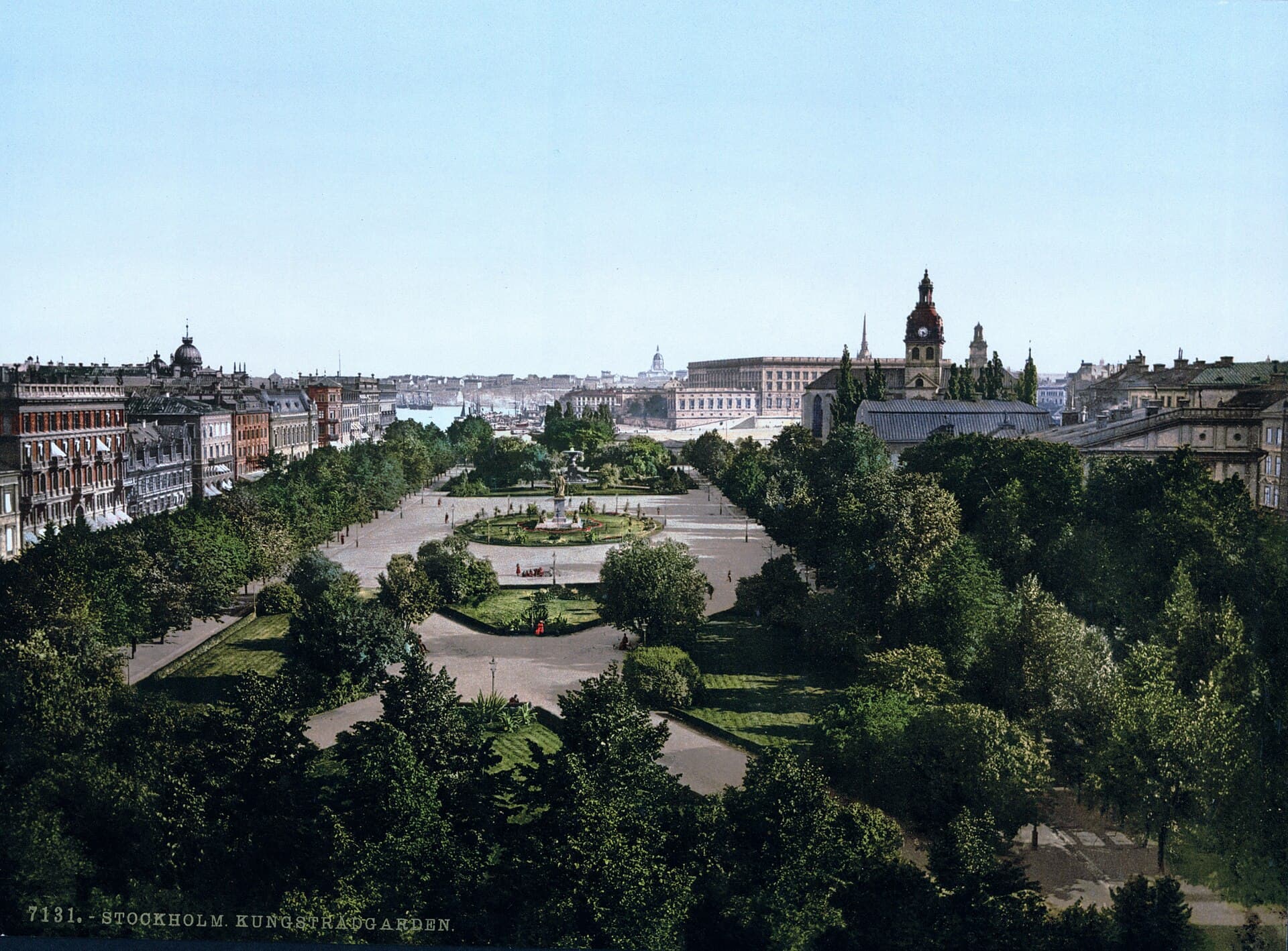 Kungstradgarden (The King's Garden)Kungstradgarden is a long rectangular square in the heart of commercial Stockhol5 minutes walk4.6
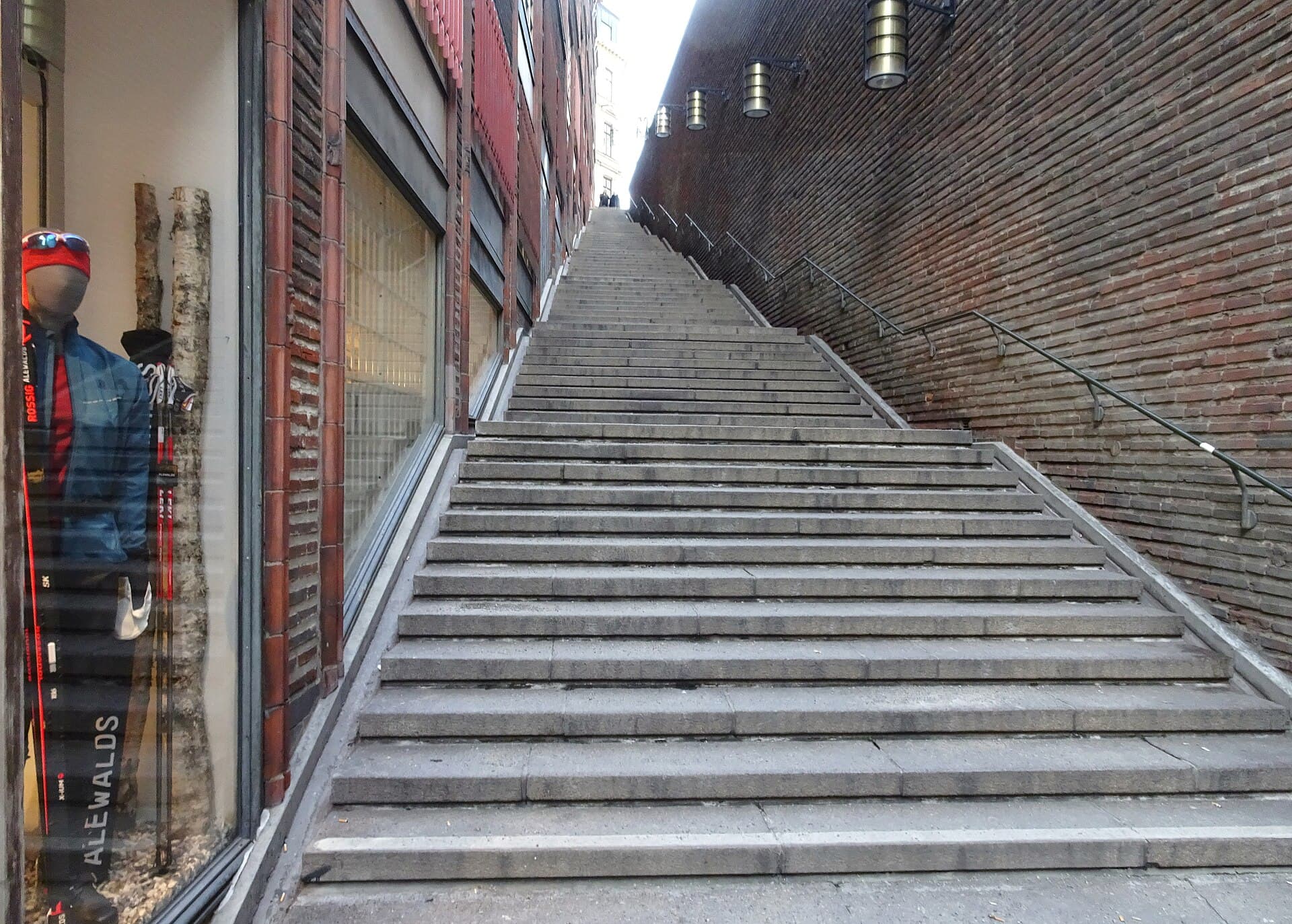 MalmskillnadstrappanA stone stairway in central Stockholm linking the elevated Malmskillnadsgatan wi5 minutes walk4.2
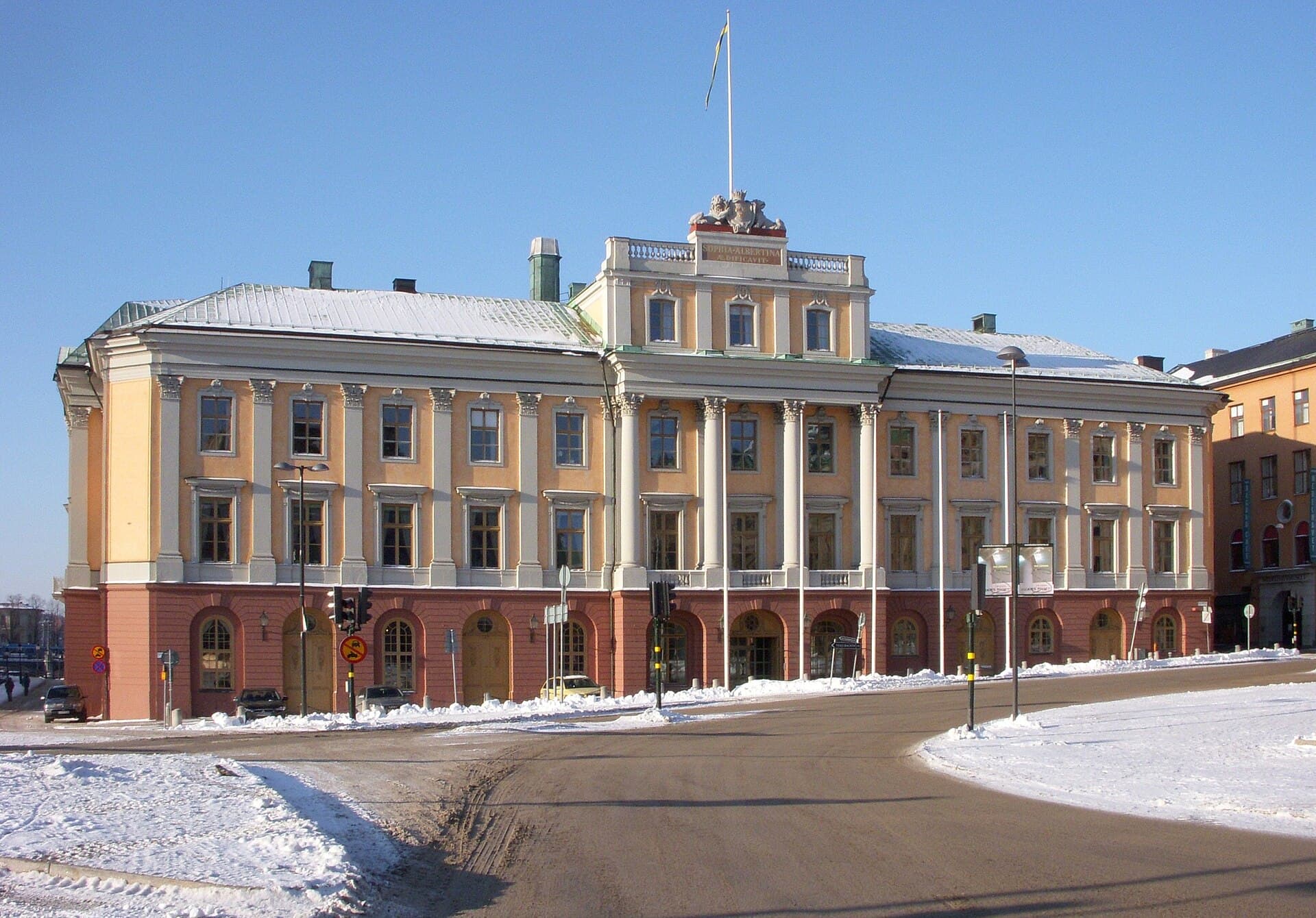 Arvfurstens palatsThe Hereditary Prince's Palace stands on **Gustav Adolfs torg** in central Stock5 minutes walk4.5
It is less a destination than a transit point: you will pass through regardless, since it sits above the central metro station and among the stores. Stop a few minutes for the glass column and the distinctive paving, then step into adjacent Kulturhuset if you want a quiet sit with a view over the square — that is the best use of it on a tight schedule.