
The ship models
The Ragusan fleet across the centuries in miniature.
August Dominus — CC BY-SA 4.0 · Sailko — CC BY 3.0 · Sailko — CC BY 3.0 · August Dominus — CC BY-SA 4.0
It occupies the upper two floors of **St John's Fortress**, the great tower guarding the entrance to the old harbour — and the setting alone justifies the visit: thick stone walls and windows opening straight onto the water. Its subject is the secret of Dubrovnik itself. This city was neither militarily strong nor large in territory, but it was a **maritime and trading power** that rivalled Venice for centuries: a large merchant fleet, Ragusan ships reaching England and India, consuls in the ports of the Mediterranean, and a shrewd diplomacy that bought protection with tribute instead of fighting wars. The museum shows **ship models** across the centuries, navigational charts, instruments, flags and marine insurance documents (Dubrovnik was among the first to regulate marine insurance), and material from wrecks. There is a section on the **nineteenth century and steam**, and on the Dalmatian sailors who served in the world's fleets. ⚠ Note: the city walls ticket normally covers climbing St John's Fortress from outside, but the museum inside it is a separate ticket.
The Ragusan fleet across the centuries in miniature.
Thick walls and windows straight onto the water.
How a small city bought independence with money, not war.
St John's Fortress, 20000 Dubrovnik
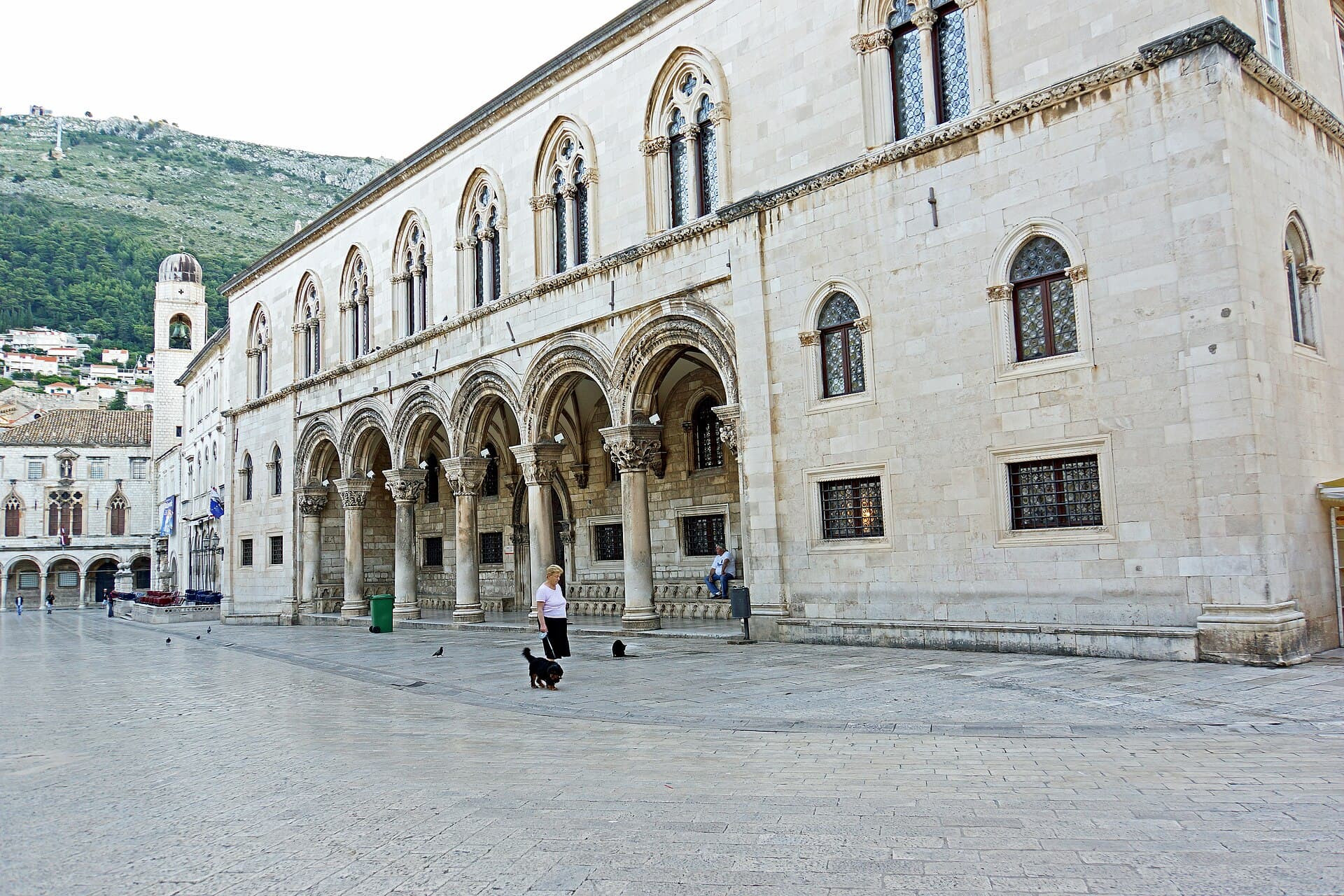 The Rector's PalaceThe Rector's Palace is the Ragusan state as a building: seat of the elected Rect1 minute walk4.4
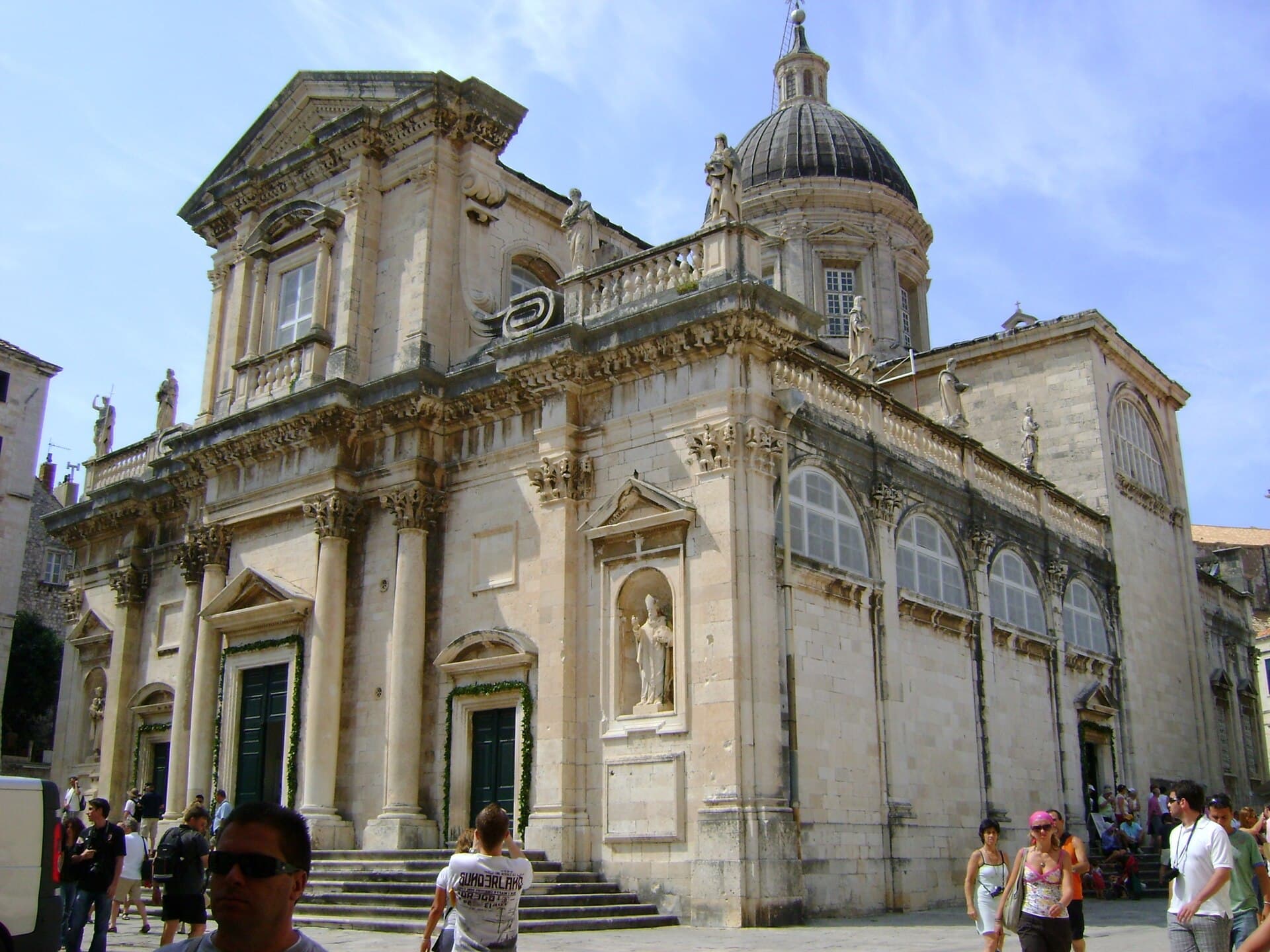 Dubrovnik CathedralA domed Baroque cathedral in the heart of the old town, with layers of history b2 minutes walk4.5
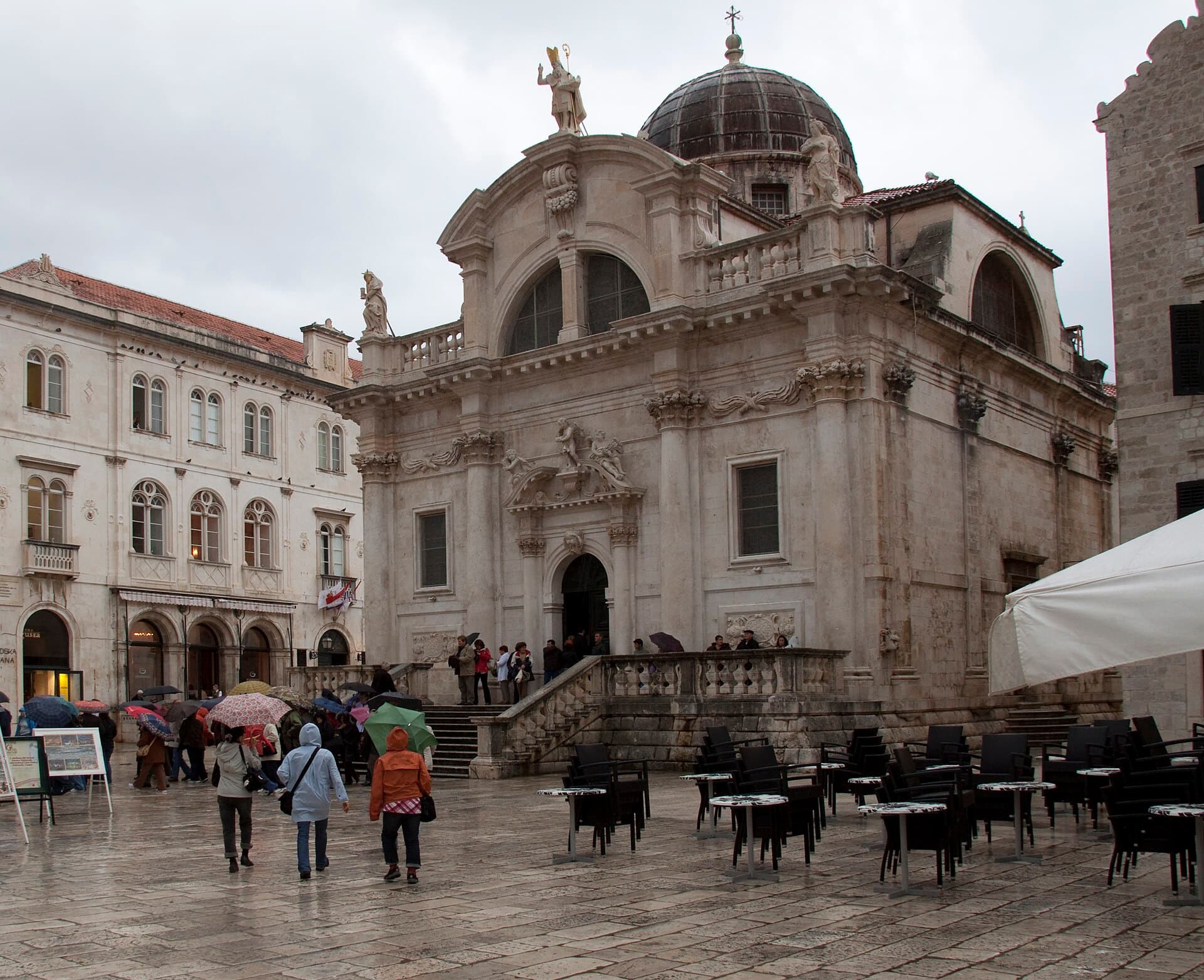 Church of St BlaiseIt stands at the eastern end of the **Stradun** on the Luža square, facing the S2 minutes walk4.8
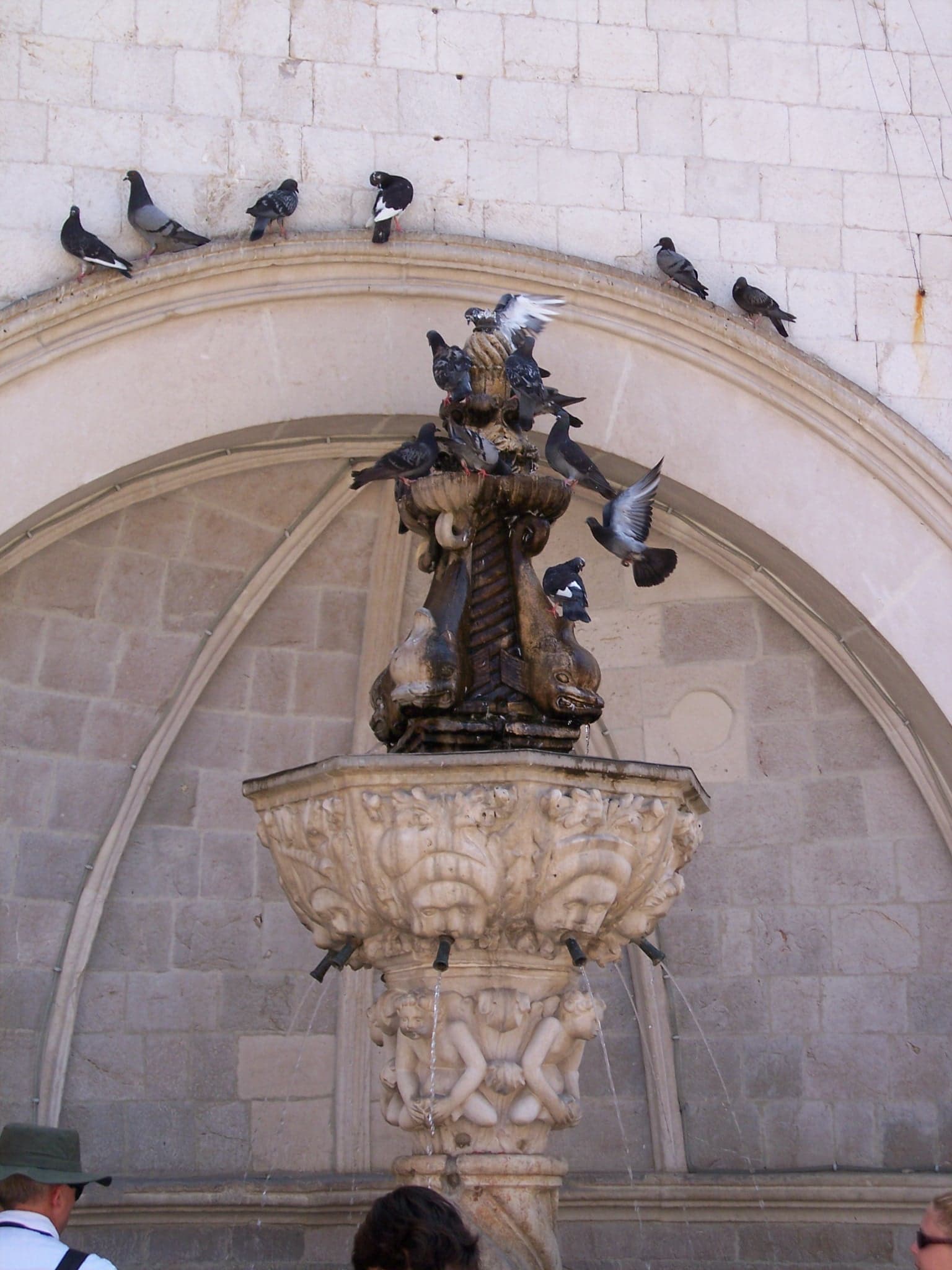 The Small Onofrio's FountainA small stone fountain at the eastern end of Dubrovnik's Stradun, from 1438, by 2 minutes walk4.7
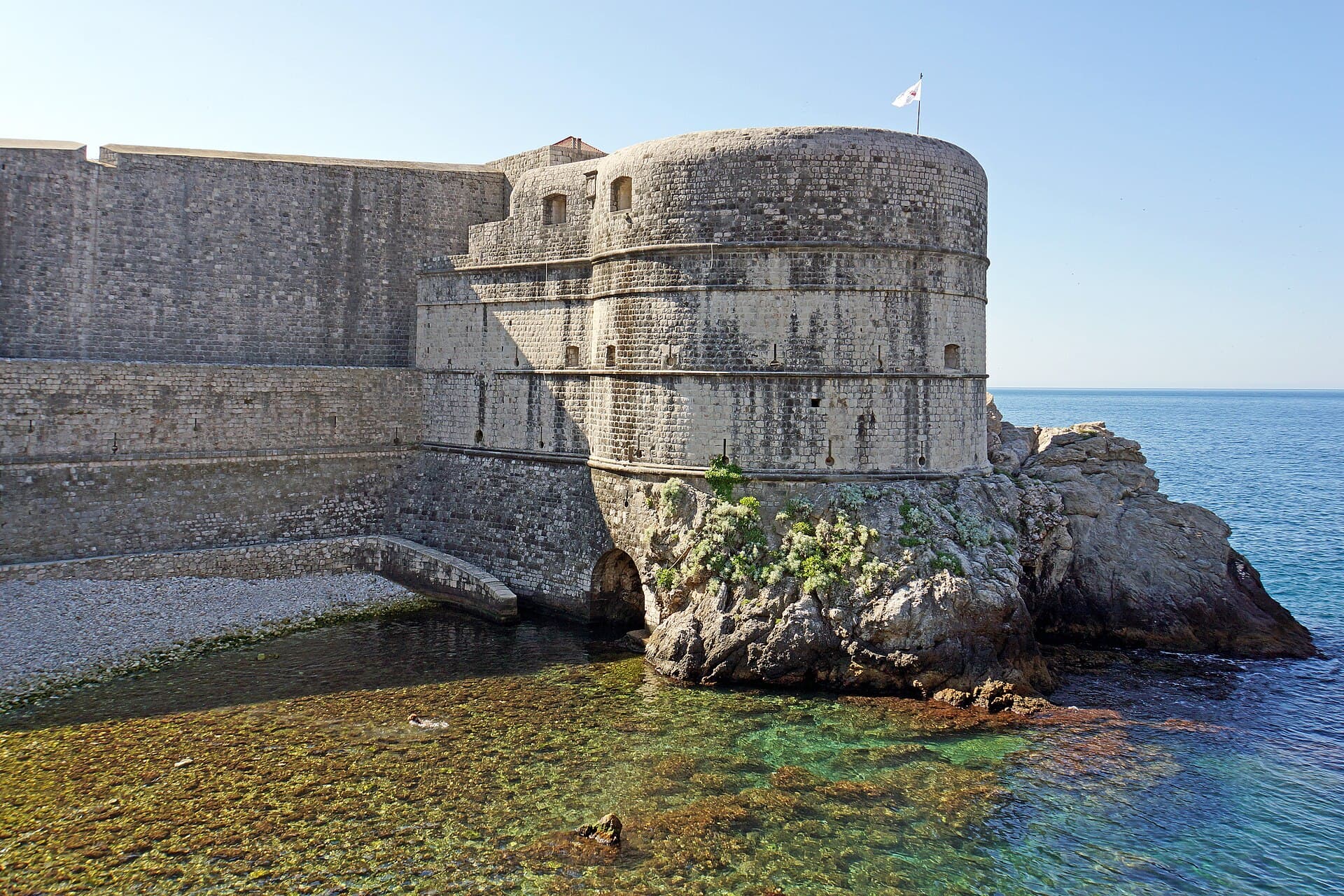 Bokar FortressA sea fortress at the western end of Dubrovnik's walls, standing on a rock proje2 minutes walk4.7
**Through trade and diplomacy rather than arms** — and that is the museum's story. The Republic of Ragusa had little territory and few people, so it relied on three things: a **large merchant fleet** running to hundreds of ships reaching England and the East, a **network of consuls** in almost every Mediterranean port, and a **policy of paying tribute** to the Ottomans and others in return for free trade and protection — buying peace instead of fighting wars. To that it added early institutional inventions: regulated **marine insurance**, quarantine and consulates, all of them shown here.
Three different tickets in one building, which confuses many people. The **city walls ticket** (the most expensive and best known) lets you walk the full circuit and normally includes passing over St John's Fortress **from outside**. The **Maritime Museum** on the fortress's upper two floors is a **separate ticket**. The **aquarium** on the ground floor is a **third**. Ask about the **combined Dubrovnik museums ticket** if you are also visiting the Rector's Palace — it saves a meaningful amount.