
The state rooms
Preserved with their original furniture, on the same ticket.
SpeedyGonsales — CC BY-SA 3.0 · Roberta F. — CC BY-SA 3.0 · Roberta F. — CC BY-SA 3.0 · Roberta F. — CC BY-SA 3.0
Rijeka''s maritime museum, occupying the **Governor''s Palace** — which is half the reason to visit. The palace was built in **1896** as the seat of the governor of Fiume appointed from Budapest, to a Hungarian architect''s design and richly furnished. It was from this building that the city was governed at the height of its importance as Hungary''s only seaport. A historic episode took place in it. In **1919** the Italian poet **Gabriele D''Annunzio** seized Rijeka with a force of volunteers and proclaimed the «Italian Regency of Carnaro», taking this palace as his seat. It lasted fifteen months and ended when the Italian navy shelled him out. The episode is regarded as an early precursor of fascism. The collection covers navigation in the Kvarner: ship models, instruments, charts, and a section on the **torpedo** — which was **invented in Rijeka** in 1866 by Robert Whitehead at a factory in the city. Note: the palace''s state rooms are preserved with their original furniture and are covered by the same ticket.
Preserved with their original furniture, on the same ticket.
The story of an invention first built in this city.
Kvarner navigation from sail to steam.
Muzejski trg 1, Rijeka
 Natural History Museum, RijekaA natural history museum in a nineteenth-century villa in the city of Rijeka, sp1 minute walk4.6
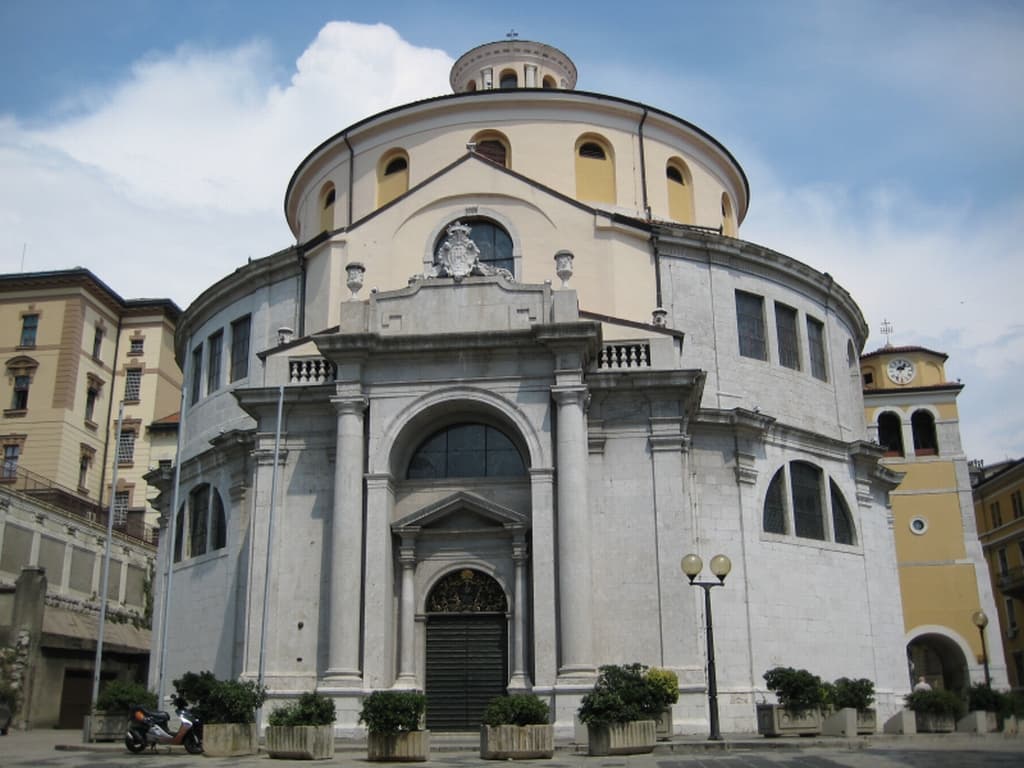 St Vitus'' CathedralRijeka''s cathedral, and the **only round church** of its kind in Croatia — a ci3 minutes walk4.6
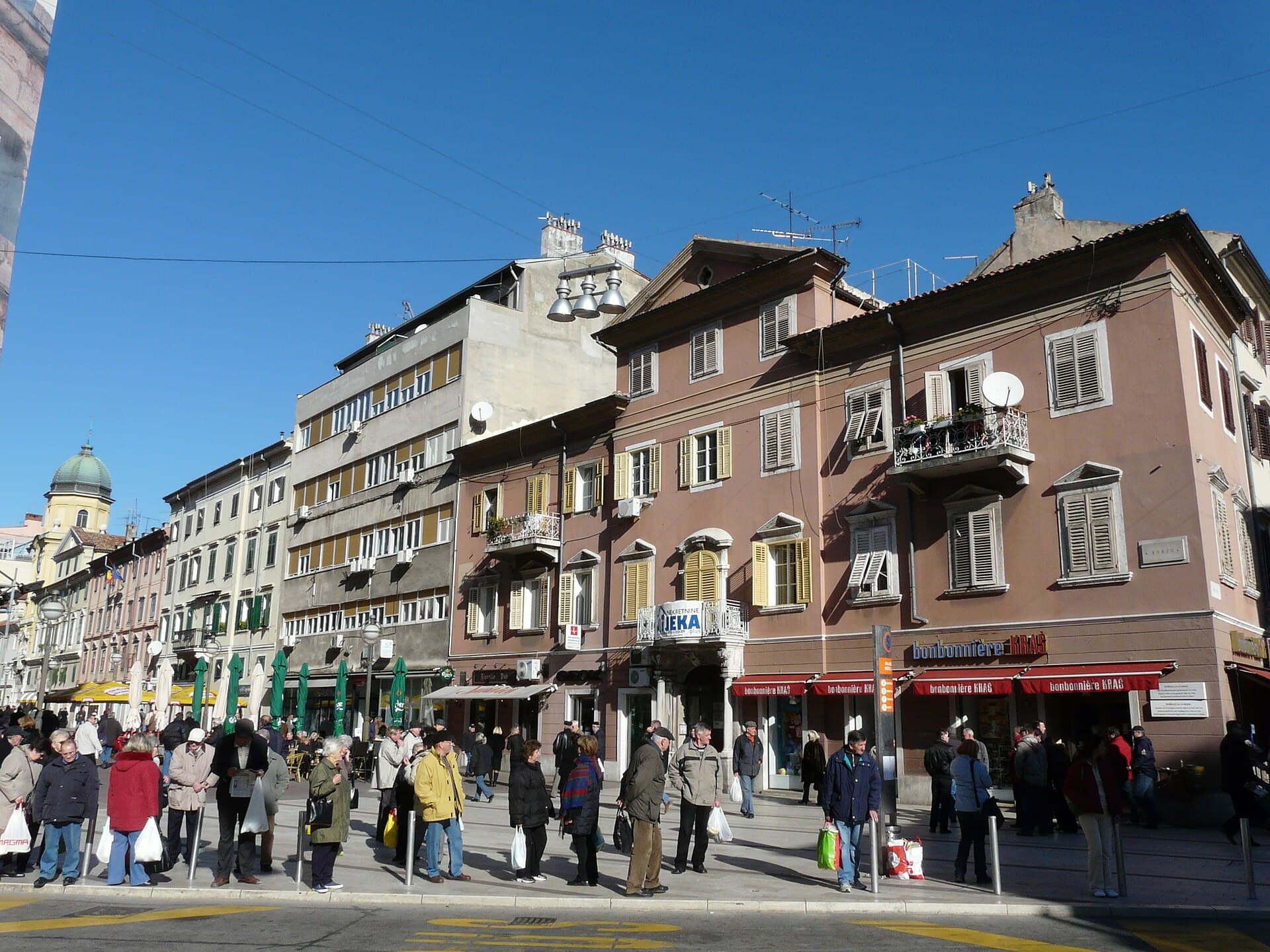 The KorzoRijeka''s main street and central promenade, and the city''s social axis more th4 minutes walk4.7
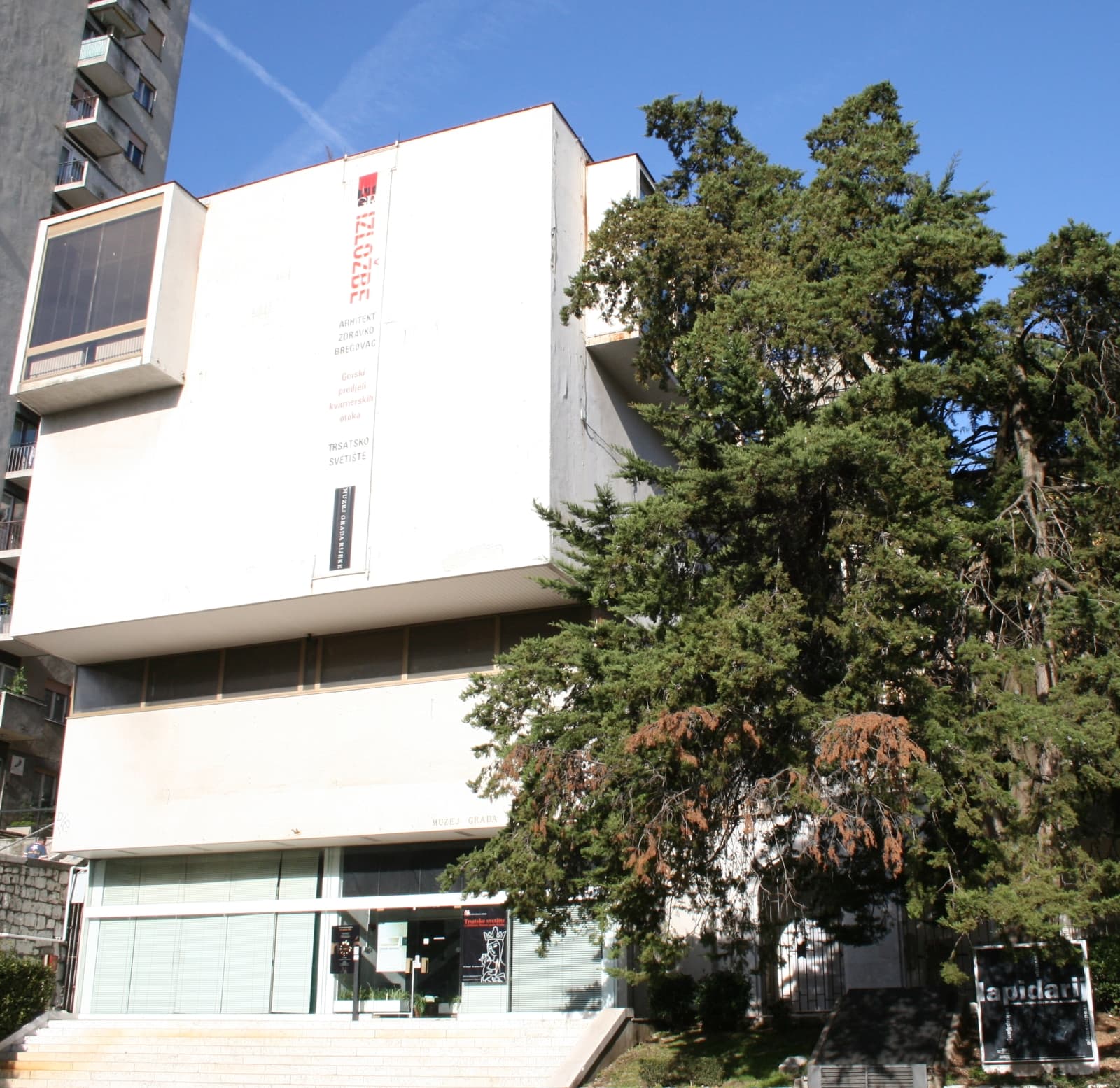 City Museum of RijekaThe city museum, which moved in **2020** into a building that explains Rijeka be11 minutes walk4.6
 Trsat CastleA castle on the lip of a rock about **138 metres** above the mouth of the Rječin13 minutes walk4.6
Because of its position: it is **the only reasonable sea outlet** for the Pannonian plain, so every power ruling the interior fought over it. It was **Austrian**, then granted to Hungary in 1779 as a separate port answering directly to Budapest — which is where its prosperity and its palaces came from. After Austria-Hungary collapsed in 1918 Italy and Yugoslavia both claimed it, **D''Annunzio** seized it in 1919, it became an **independent Free State** of Fiume between 1920 and 1924, and was then annexed by **Italy**. After the Second World War it became **Yugoslav**, and today it is **Croatian**. ⚠ That is why so many of its buildings carry names and facades from different regimes, and why its Italian residents hold recognised minority status.