
The refinery basement
Remains of the original plant exposed under glass.
SpeedyGonsales — CC BY-SA 3.0 · SpeedyGonsales — CC BY-SA 3.0
The city museum, which moved in **2020** into a building that explains Rijeka better than its displays do: the **Sugar Refinery Palace**. The building is part of a huge **sugar refinery** founded by Maria Theresa in 1750, then the largest industrial installation in the whole region and one of Europe''s most important sugar works. A complete industrial quarter grew up around it. The palace itself was the **administrative seat**, a grand baroque building inside a factory complex — a combination that sums Rijeka up: wealth and industry in one structure. The refinery worked into the nineteenth century, then closed; the complex became a tobacco factory and was then abandoned for decades, before the palace was fully restored and opened as a museum. The displays cover Rijeka''s modern history: the port, industry, the succession of four regimes, the **D''Annunzio** period, and daily life in a multilingual city. Note: in the basement are **remains of the original refinery** exposed under glass, and they are the best thing in it. Note: it is slightly outside the centre — about twenty minutes'' walk from the Korzo.
Remains of the original plant exposed under glass.
Fifteen months of a poet''s rule, shown in its documents.
A grand administrative building in the middle of a factory complex.
Sugar Refinery Palace, Križanićeva 3, Rijeka
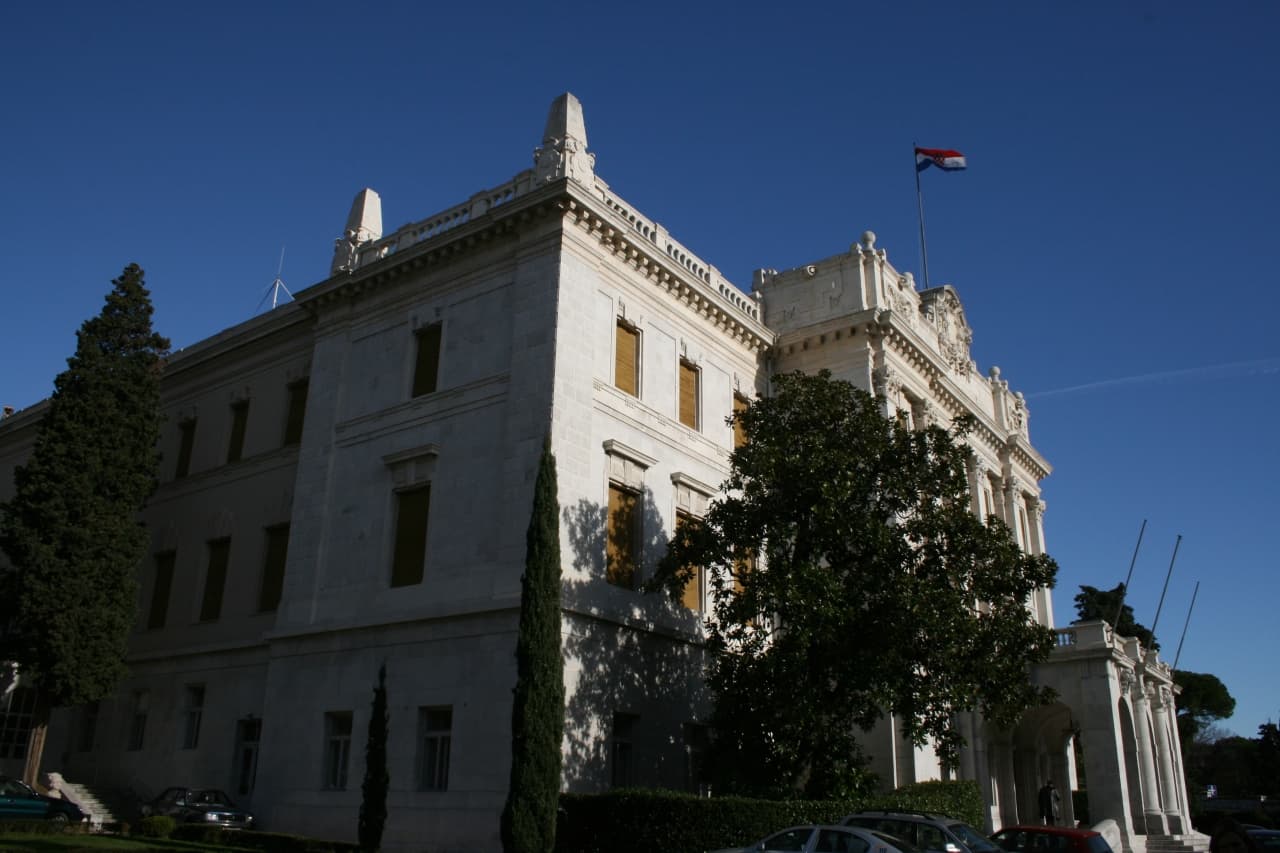 Maritime and History Museum of the Croatian LittoralRijeka''s maritime museum, occupying the **Governor''s Palace** — which is half 11 minutes walk4.7
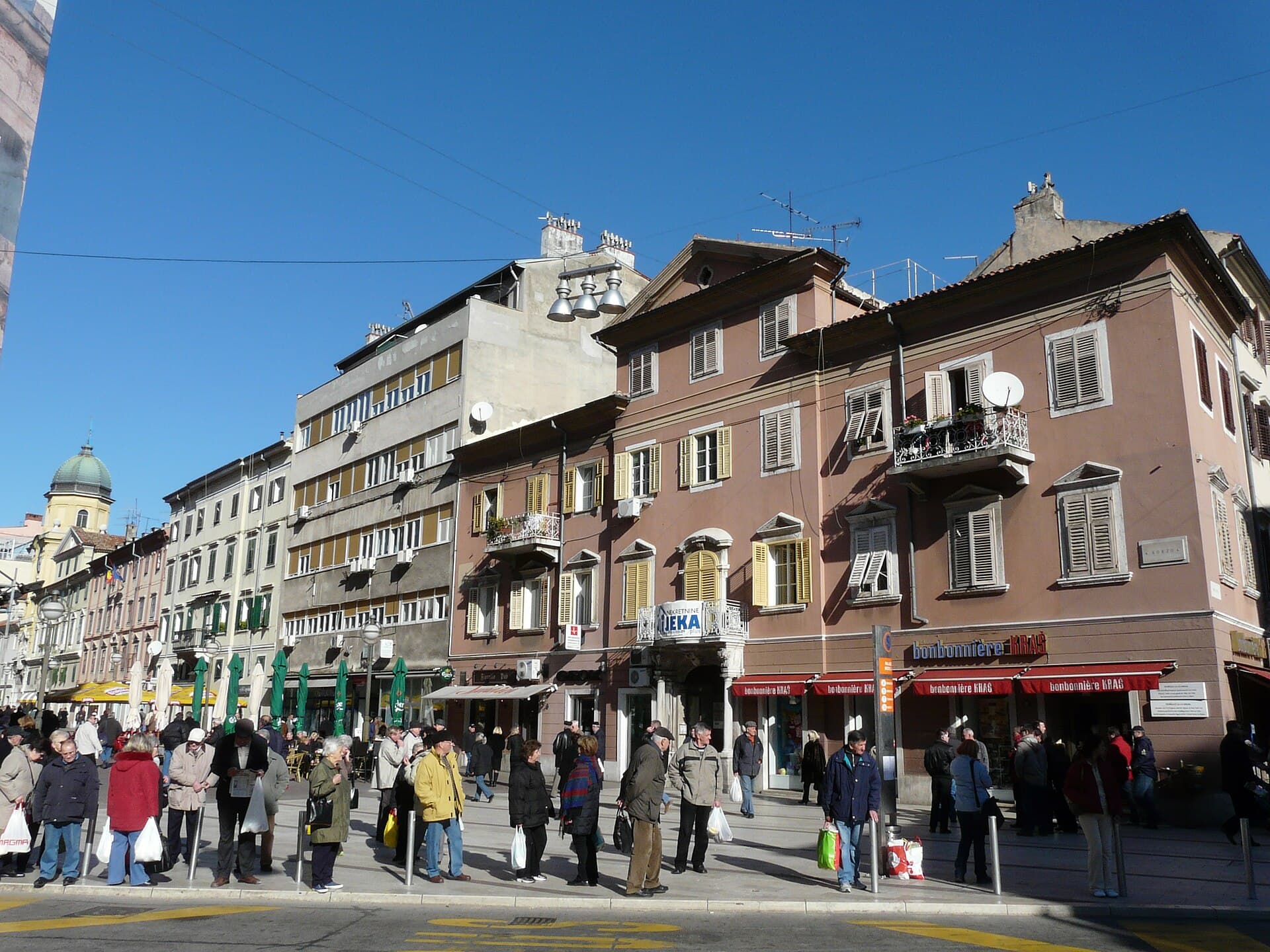 The KorzoRijeka''s main street and central promenade, and the city''s social axis more th12 minutes walk4.7
 Natural History Museum, RijekaA natural history museum in a nineteenth-century villa in the city of Rijeka, sp13 minutes walk4.6
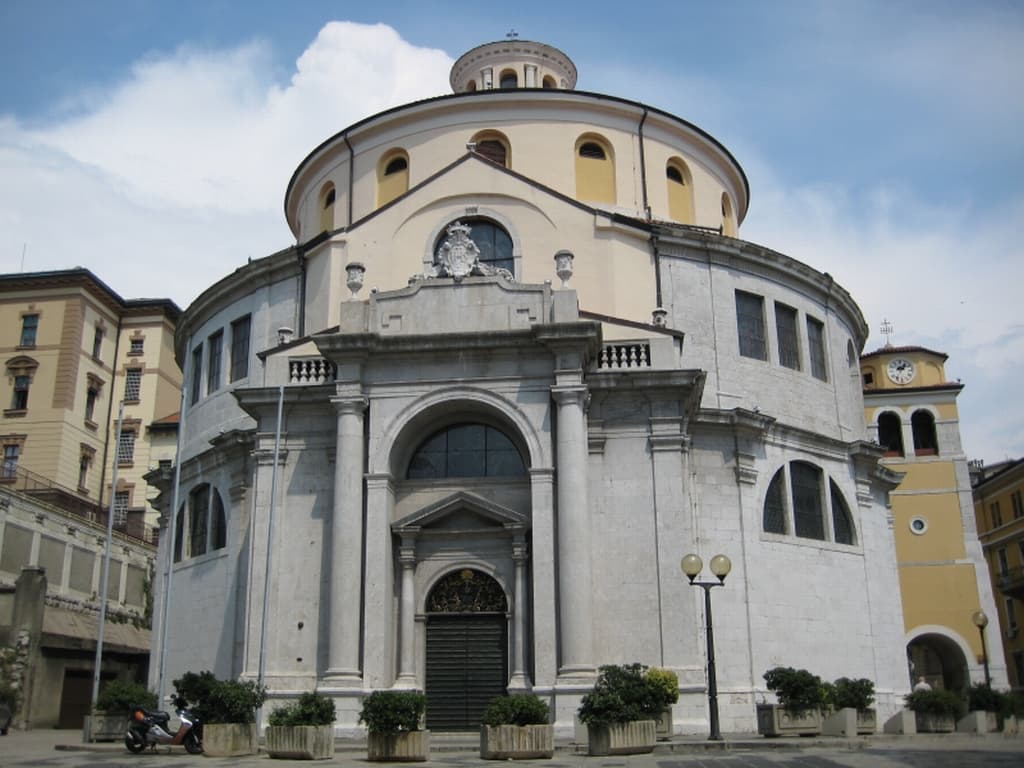 St Vitus'' CathedralRijeka''s cathedral, and the **only round church** of its kind in Croatia — a ci13 minutes walk4.6
 Trsat CastleA castle on the lip of a rock about **138 metres** above the mouth of the Rječin24 minutes walk4.6
That it **survives and is visible** rather than having been cleared away. Most Adriatic cities demolished or hid their industrial plant; Rijeka did not, so the western port strip still carries the sugar refinery, the tobacco factory, the **torpedo works** — where the world''s first torpedo was built — the shipyard and the cargo quays. Their condition varies: some restored, like the Sugar Palace, and much of it **abandoned and decaying** behind fences. ⚠ The **2020 Capital of Culture** programme rehabilitated part of it, including the **Benčić** complex, now a library and arts centre. ⚠ Do not enter the abandoned sites — most are closed private property and unsafe; the ones open to visitors are clearly signed.