
Sharks in the Adriatic
The sea holds more species than people assume, many now threatened.
SpeedyGonsales — CC BY-SA 3.0 · SpeedyGonsales — CC BY-SA 3.0 · SpeedyGonsales — CC BY-SA 3.0 · SpeedyGonsales — CC BY-SA 3.0
A natural history museum in a nineteenth-century villa in the city of Rijeka, specialising in the Adriatic, the region's geology and the karst of Lika. What distinguishes it is its collection of Adriatic sharks and rays, among the most important assembled for this sea — the Mediterranean and the Adriatic hold more shark species than people assume, and many are now threatened by overfishing. The museum also has a live aquarium showing Adriatic creatures, and a botanical garden around the villa holding local karst plants. Rijeka itself deserves mention: Croatia's main port and an industrial working city, it was in the nineteenth century Hungary's only seaport and bore the name Fiume. After the First World War it was contested between Italians and Yugoslavs, and the poet Gabriele D'Annunzio seized it in 1919 with a force of volunteers and declared an independent state there that lasted about a year — a strange episode in European history. Rijeka was European Capital of Culture in 2020.
The sea holds more species than people assume, many now threatened.
The poet D'Annunzio seized the city in 1919 and declared an independent state.
Living Adriatic creatures, and karst plants around the villa.
A nineteenth-century villa, Rijeka
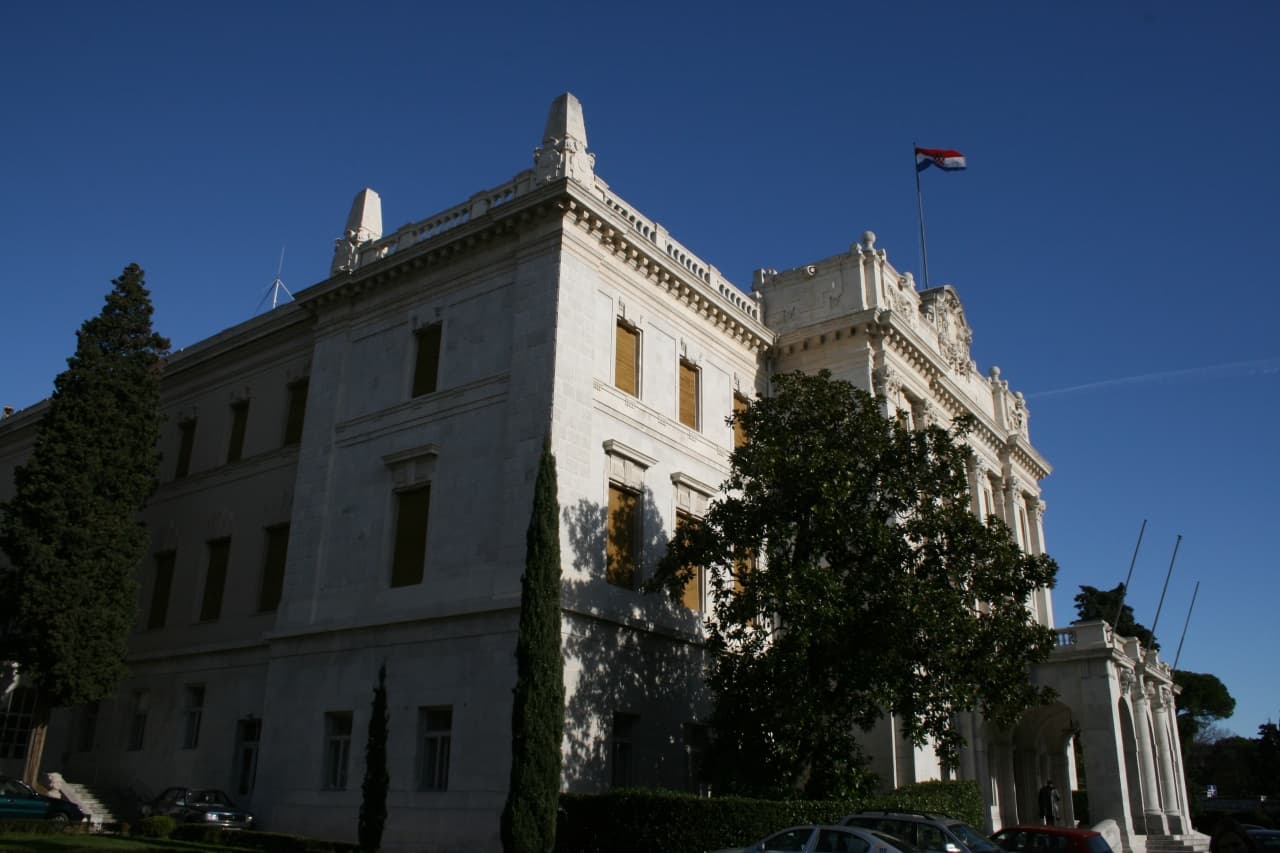 Maritime and History Museum of the Croatian LittoralRijeka''s maritime museum, occupying the **Governor''s Palace** — which is half 1 minute walk4.7
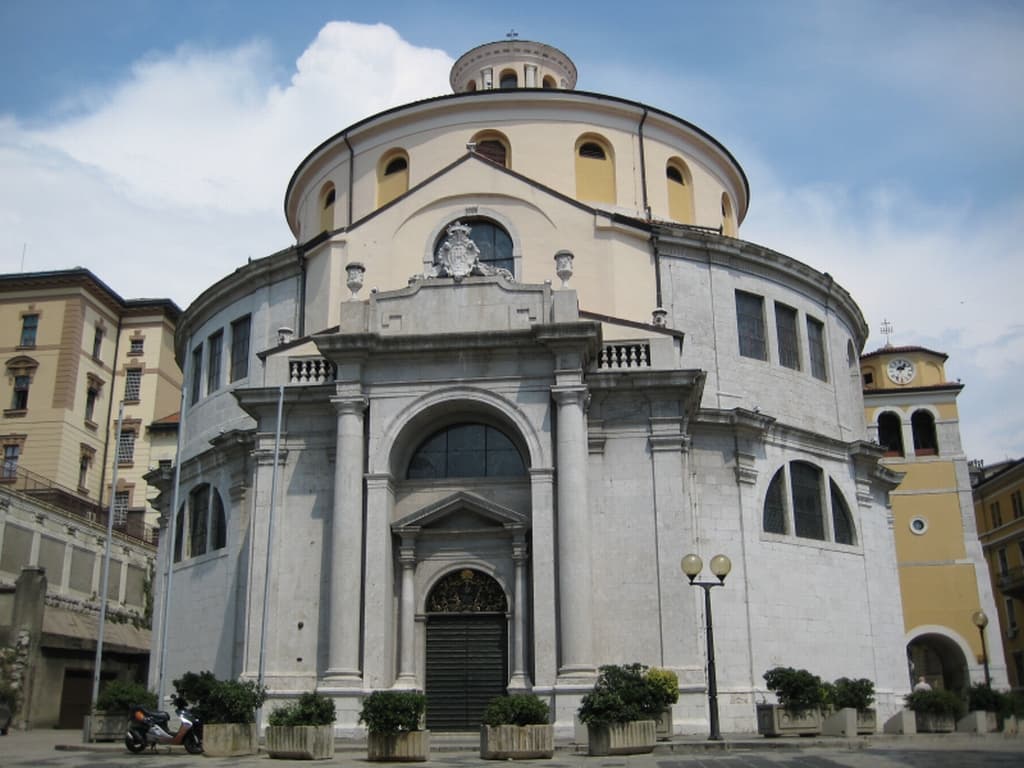 St Vitus'' CathedralRijeka''s cathedral, and the **only round church** of its kind in Croatia — a ci2 minutes walk4.6
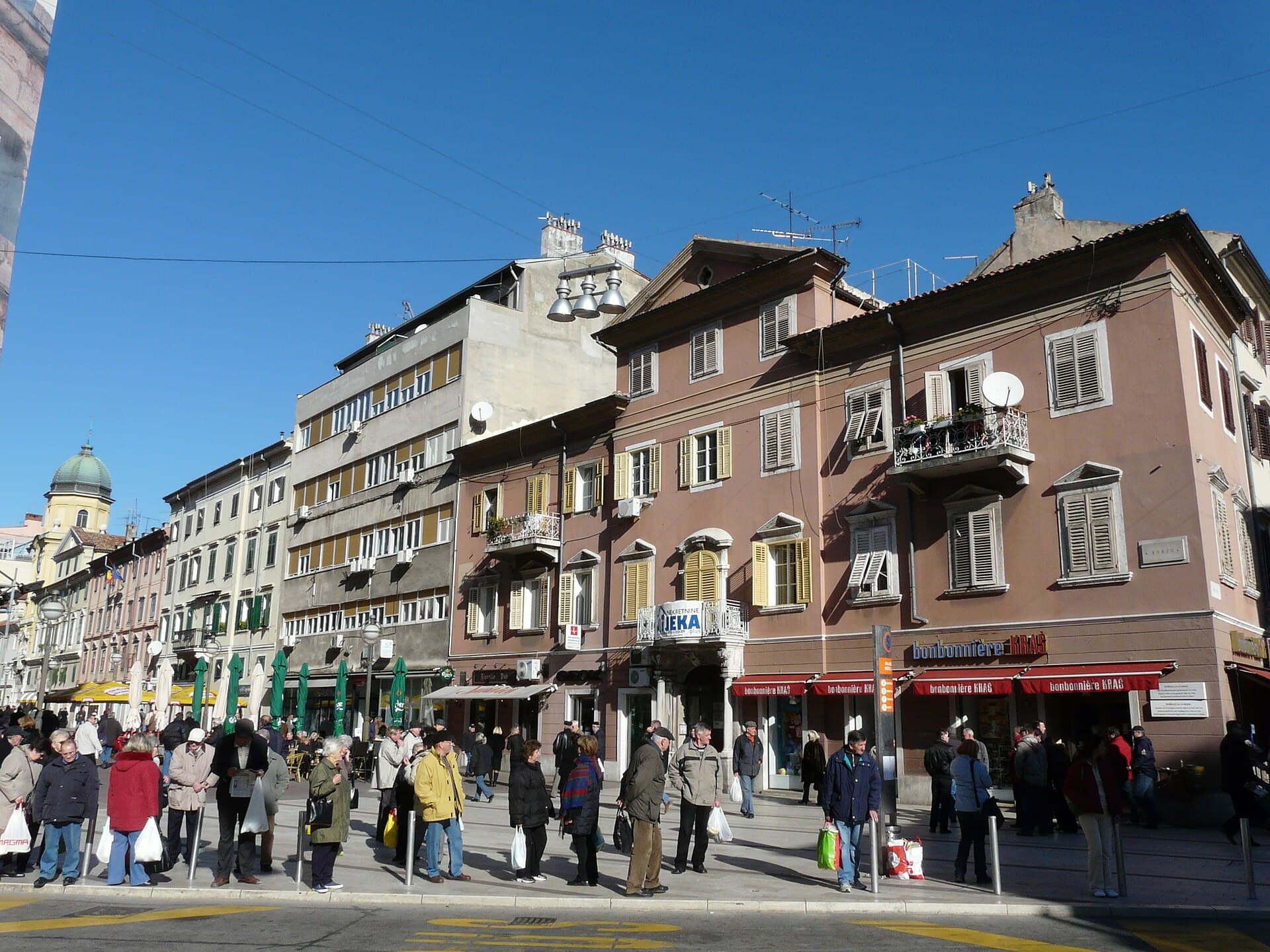 The KorzoRijeka''s main street and central promenade, and the city''s social axis more th4 minutes walk4.7
 Trsat CastleA castle on the lip of a rock about **138 metres** above the mouth of the Rječin12 minutes walk4.6
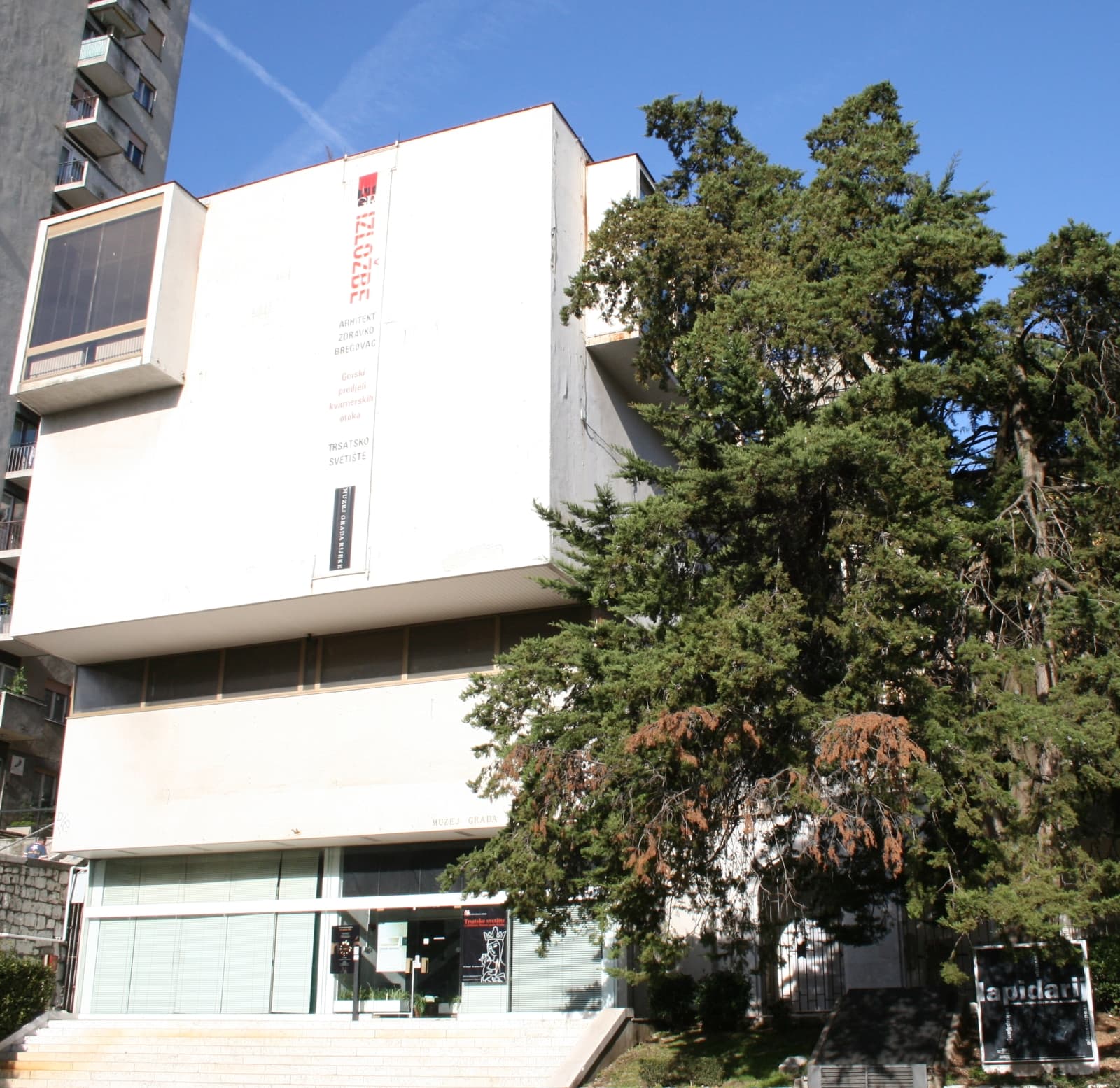 City Museum of RijekaThe city museum, which moved in **2020** into a building that explains Rijeka be13 minutes walk4.6
After the First World War the fate of Fiume was left hanging in the peace negotiations. In September 1919 the Italian poet Gabriele D'Annunzio marched in at the head of two thousand volunteers without his government's authorisation, declared its annexation to Italy and then founded the Italian Regency of Carnaro under a strange constitution making music a founding principle of the state. It lasted about fifteen months until the Italian navy itself forced him out at the end of 1920. The episode is regarded as a precedent that influenced the later fascist movement.
The city itself is not beautiful in the sense Dubrovnik or Split are — it is an industrial port with Austro-Hungarian and modernist architecture. But it is interesting for anyone who likes real cities rather than touristic ones: a large covered market, the Trsat castle above it, the Korzo promenade and a nightlife. The distance is about two and a half hours by car. It is better as a stop on the way to Istria or the islands than a destination on its own.