
The Vidilica terrace
Palace and harbour below, with café.
DIREKTOR — CC BY-SA 3.0 · Falk2 — CC BY-SA 4.0 · Falk2 — CC BY-SA 4.0 · Bernard Gagnon — CC BY-SA 4.0
Marjan is Split's sacred lung: the pine-forest peninsula closing the city's western horizon — the emperor's garden since Diocletian and a town preserve since the fourteenth century: building on it is banned by law, keeping it wild in the city's face. Its gate is the Sperun stair from the town's heart: ten climbing minutes to the Vidilica terrace and its café — the postcard view: palace, tower and harbour directly below — the path continuing to Telegrin peak (178m) with its flag and the complete panorama: islands south, the Mosor range behind. Its south is rock coast and swimming: the bays of Kašjuni and Bene, the city's favourite beaches in pine-filtered water — with medieval hermits' churches cut into the southern rock (St. Jerome's most famous) — and the Meštrović Gallery of the great sculptor on its shore road. A bicycle rounds its loop in an hour — and Telegrin's sunset is Split's golden rite.
Palace and harbour below, with café.
The pine-filtered swim.
Medieval churches cut into the south face.
Marjan, 21000 Split
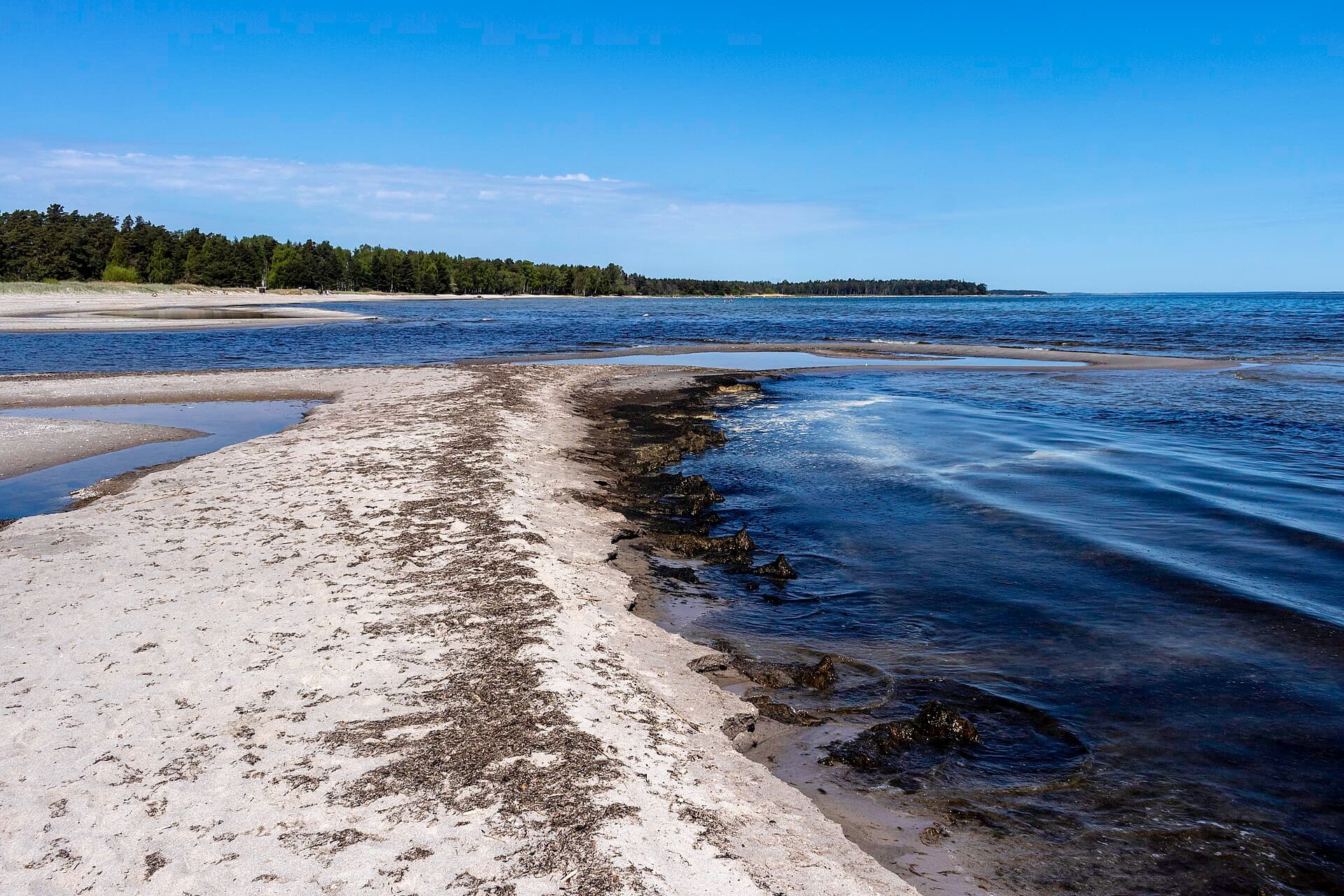 Bene BeachA pebble beach at the western end of the Marjan peninsula, inside the pine fores10 minutes walk4.4
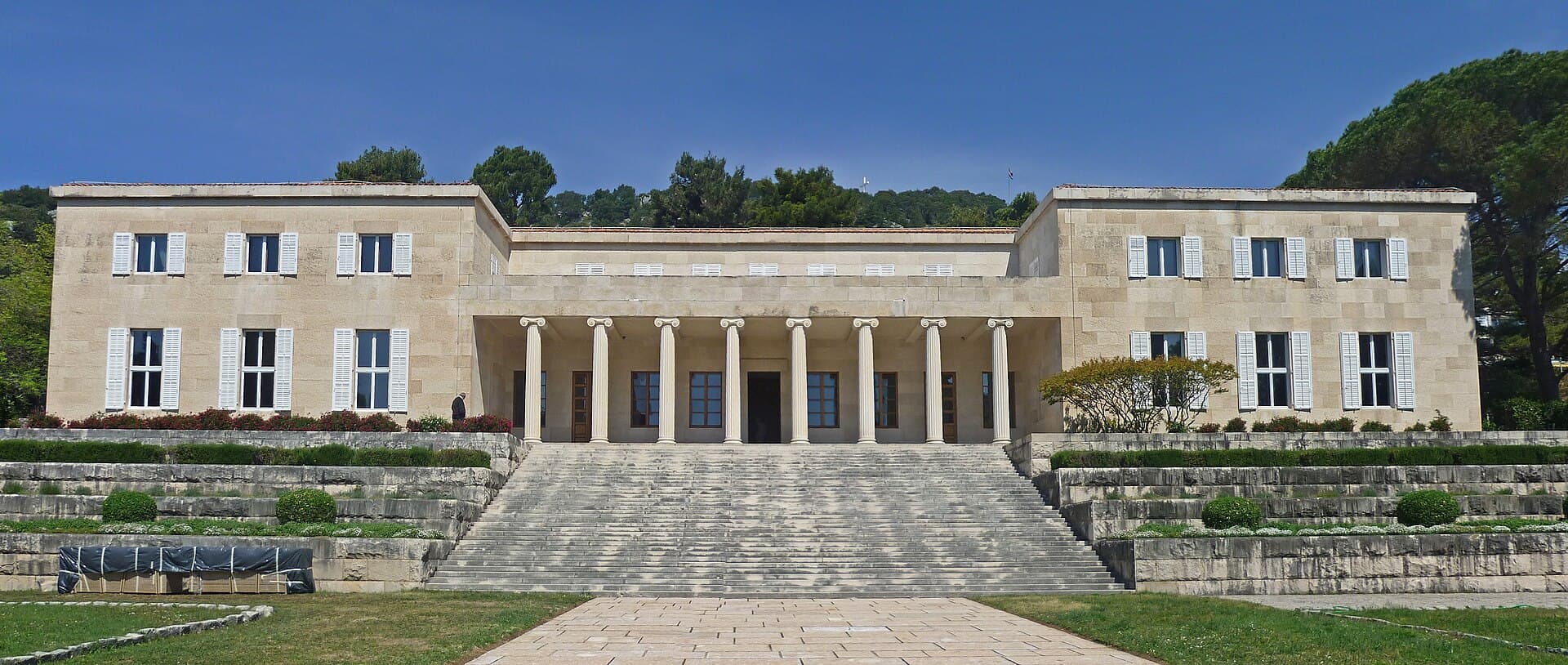 Kaštilac — the Meštrović CrikvineA small sixteenth-century fortified house on the coast west of Split, bought by 10 minutes walk4.6
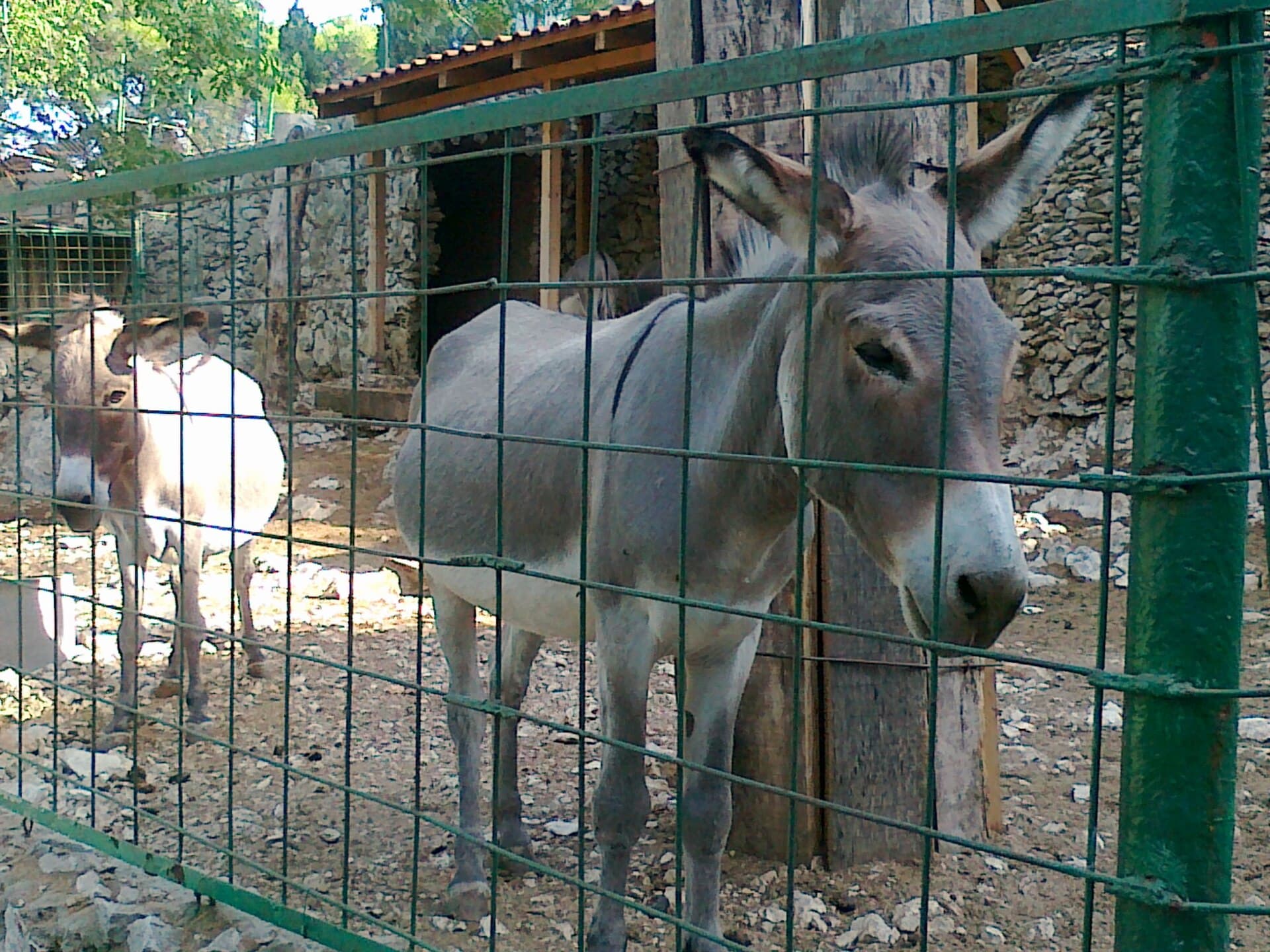 Natural History Museum and ZooA small natural history museum with a small attached zoo, at the foot of Marjan 16 minutes walk3.9
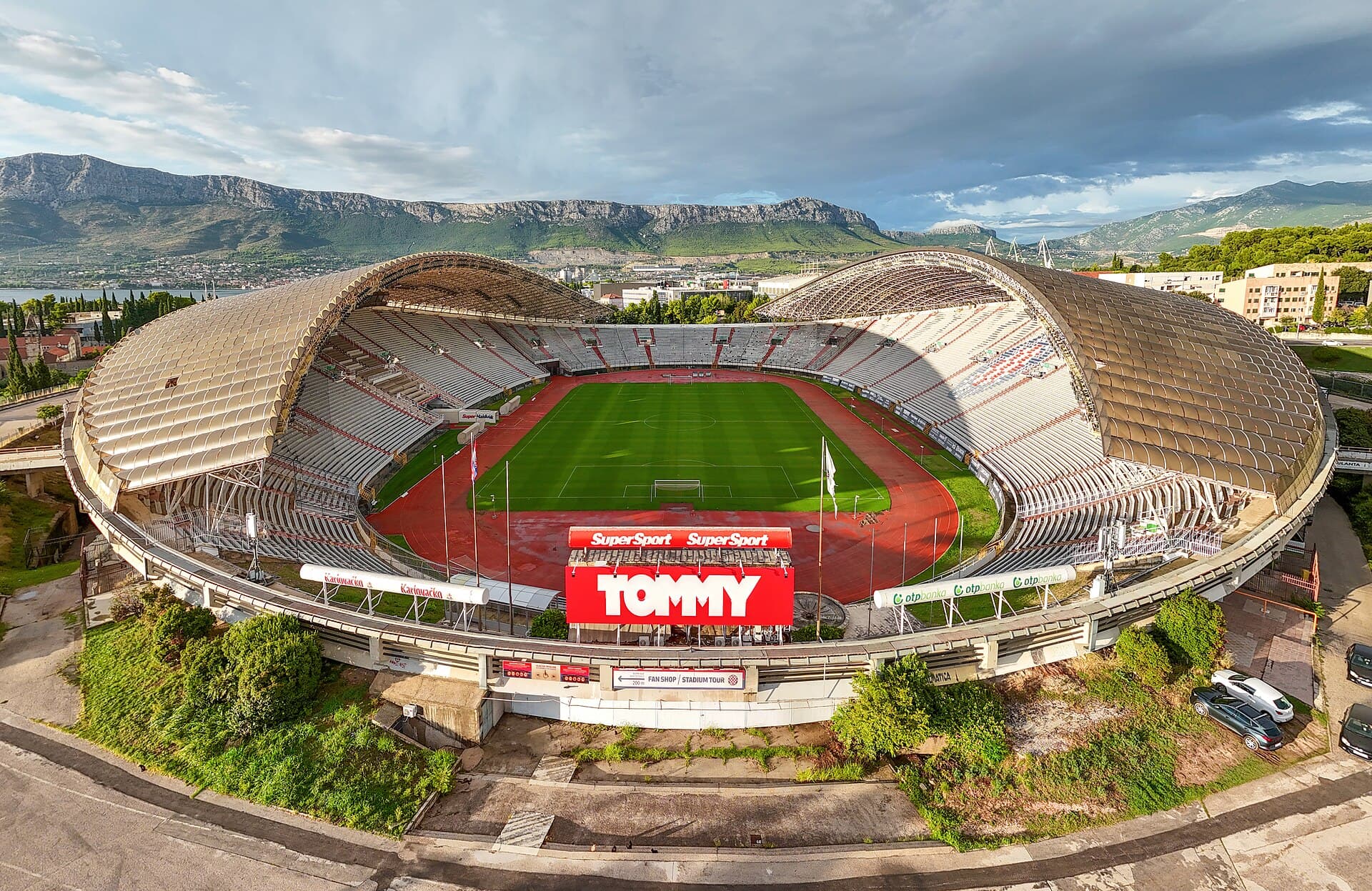 Poljud StadiumSplit's football stadium and the home of Hajduk, opened in 1979 to host the Medi25 minutes walk4.9
Three grades: sandy Bačvice east of the harbour, nearest and most popular (its shallows home of the local picigin game) — pine-fringed Kašjuni on Marjan, the finest water, with café — and family Bene with shade and jumps on the hill's north. The Dalmatian rule: sea shoes for children — beaches run pebble and rock.