
The position, not the collection
Its practical value is standing at the entrance to Split's best walk.
Smooth_O (talk · contribs) — CC BY-SA 3.0 · Rokin — CC BY-SA 4.0
A small natural history museum with a small attached zoo, at the foot of Marjan hill west of Split's old town. The museum was founded in 1924 and displays mounted animals, insects, minerals and fossils from the Dalmatian region, along with a section on Adriatic marine life. Expectations should be set frankly: this is a small, old-fashioned institution, and the attached zoo is very small and may not satisfy visitors used to large modern zoos. Anyone who cares about animal welfare should know that before going. What genuinely earns the visit is the position: the museum sits at the start of the climb up Marjan hill — the forested ridge overlooking Split and the sea, and the best thing in the city for walking and views. Many people pass the museum on their way up. The hill itself is free and always open, with trails, small chapels and viewpoints.
Its practical value is standing at the entrance to Split's best walk.
Fossils, minerals and animals of the region, with a marine section.
A small old institution, not a modern zoo.
The foot of Marjan hill, west of the old town
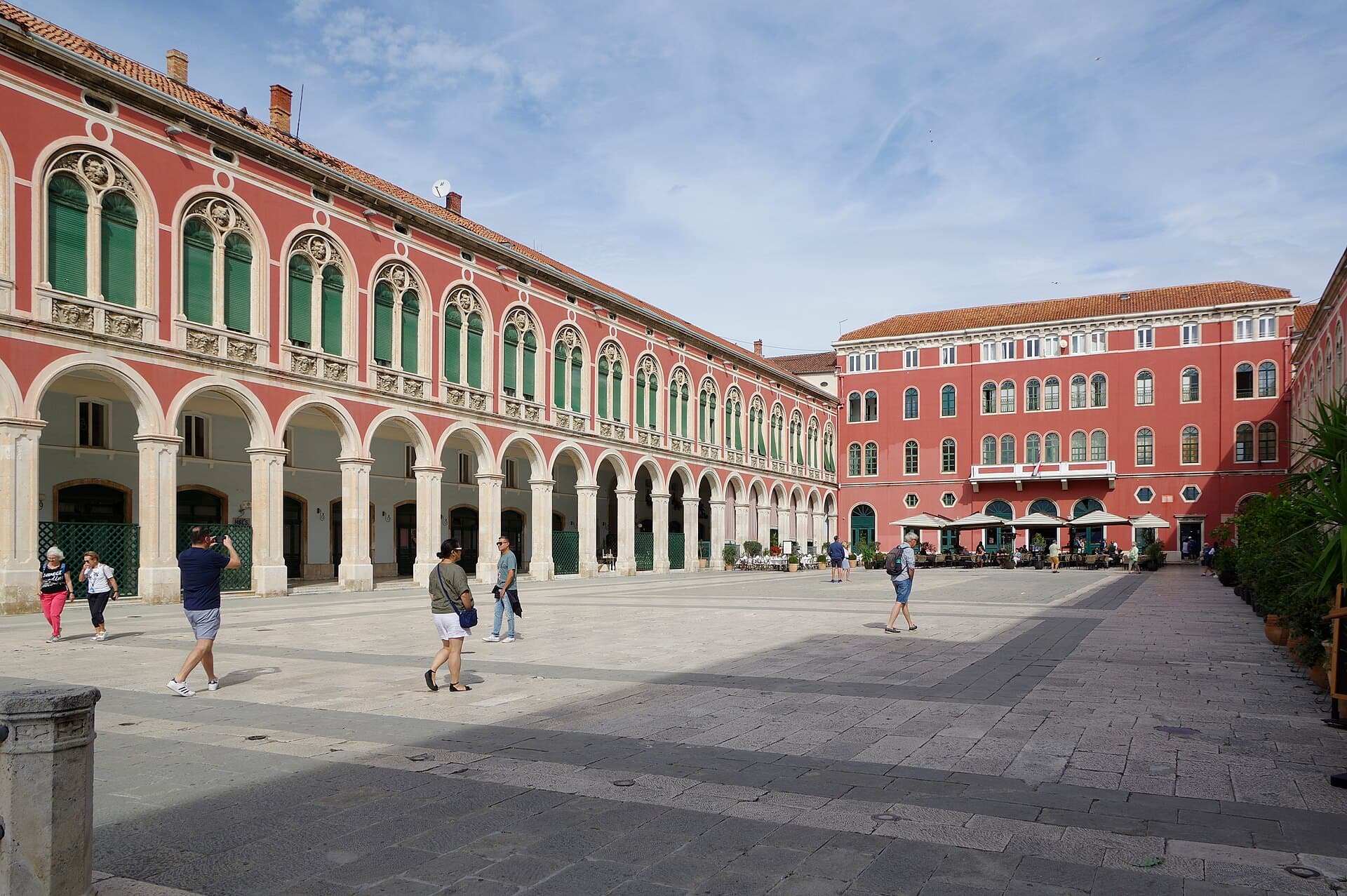 Republic Square, the ProkurativeThe Prokurative is a rectangular square open to the sea on one side and enclosed11 minutes walk4.6
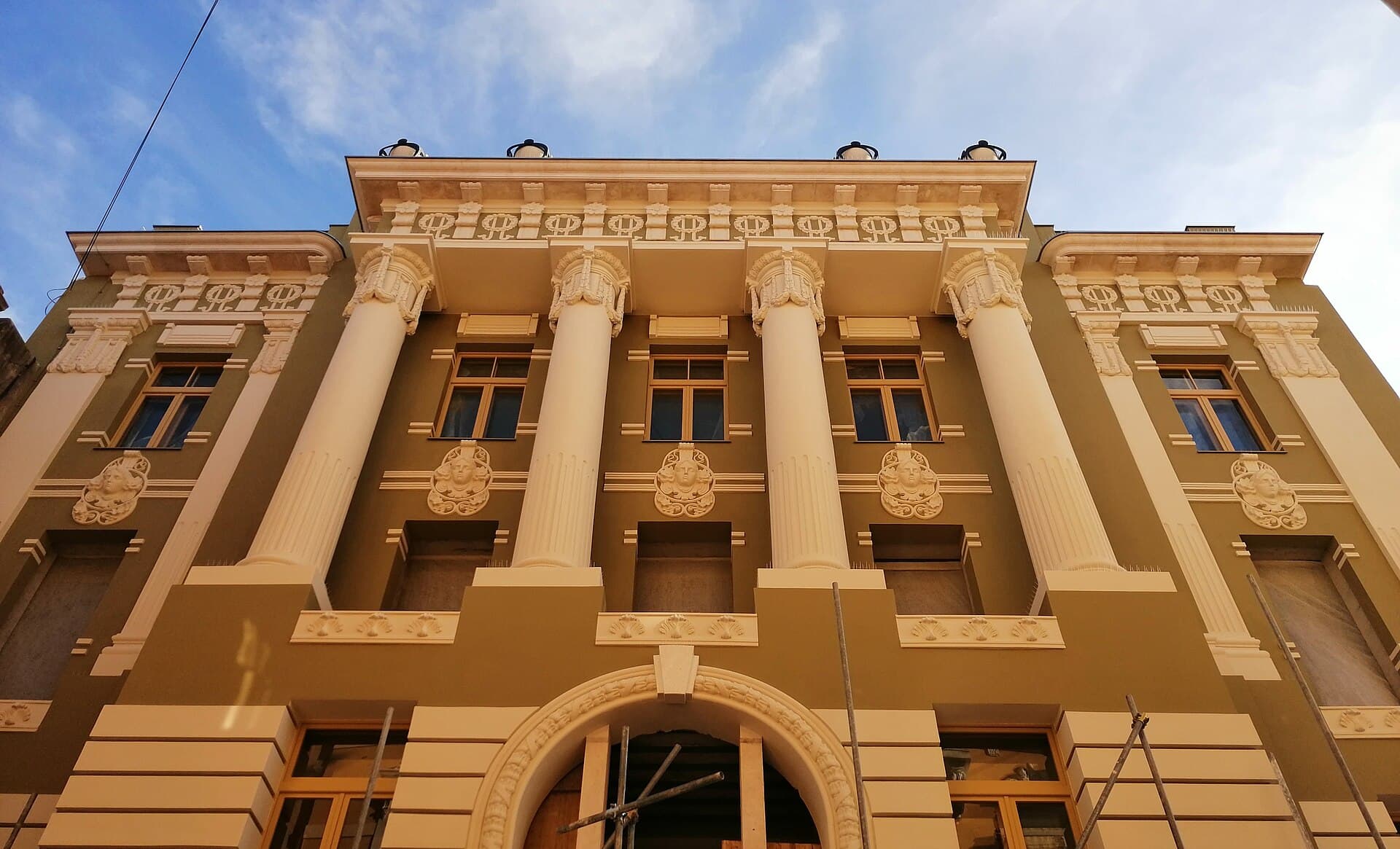 The Croatian Home, SplitAn early twentieth-century cultural building west of Split's old town, built as 11 minutes walk4.7
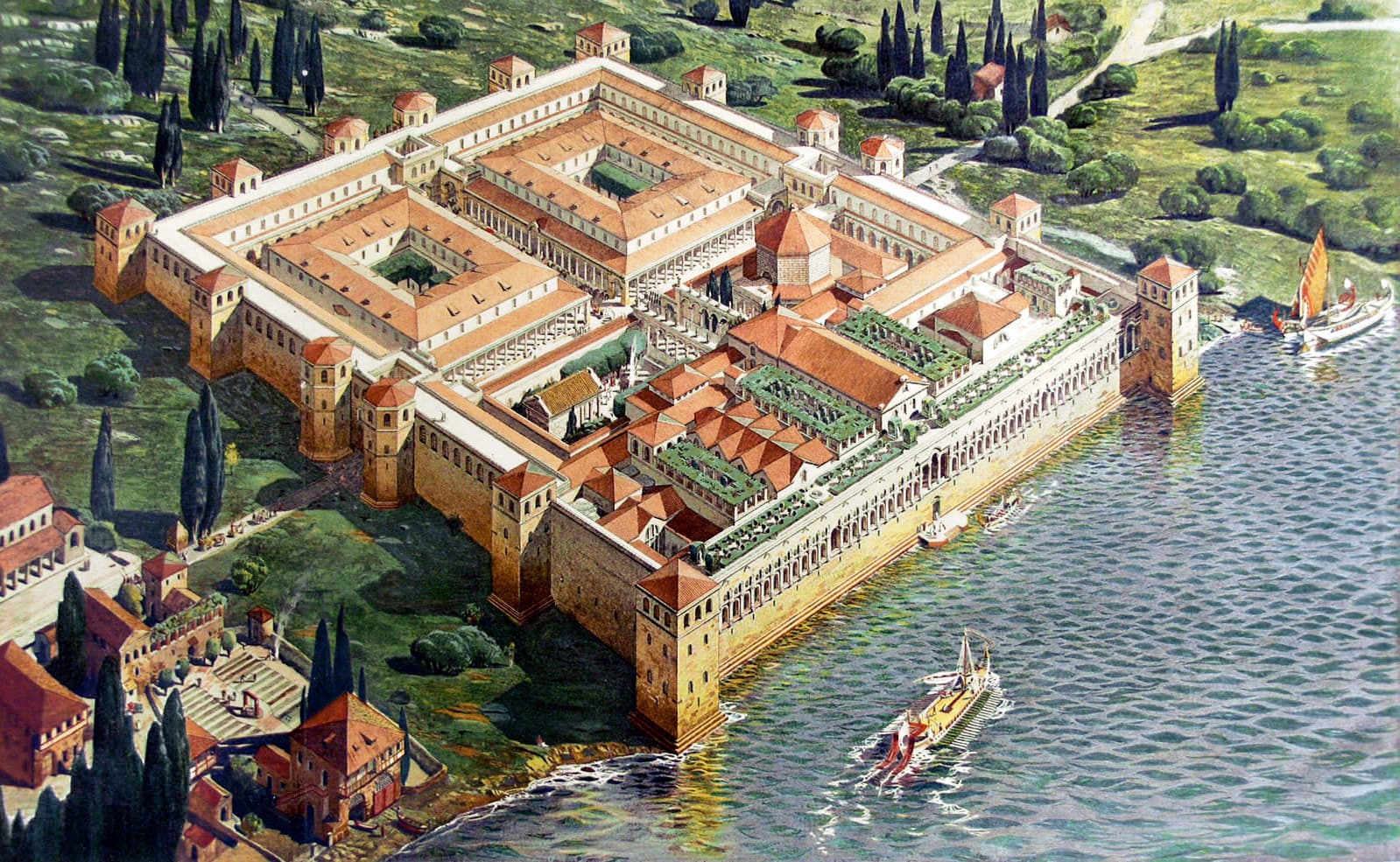 Diocletian's PalaceDiocletian's Palace is earth's strangest ruin in condition: the Roman emperor's 13 minutes walk4.8
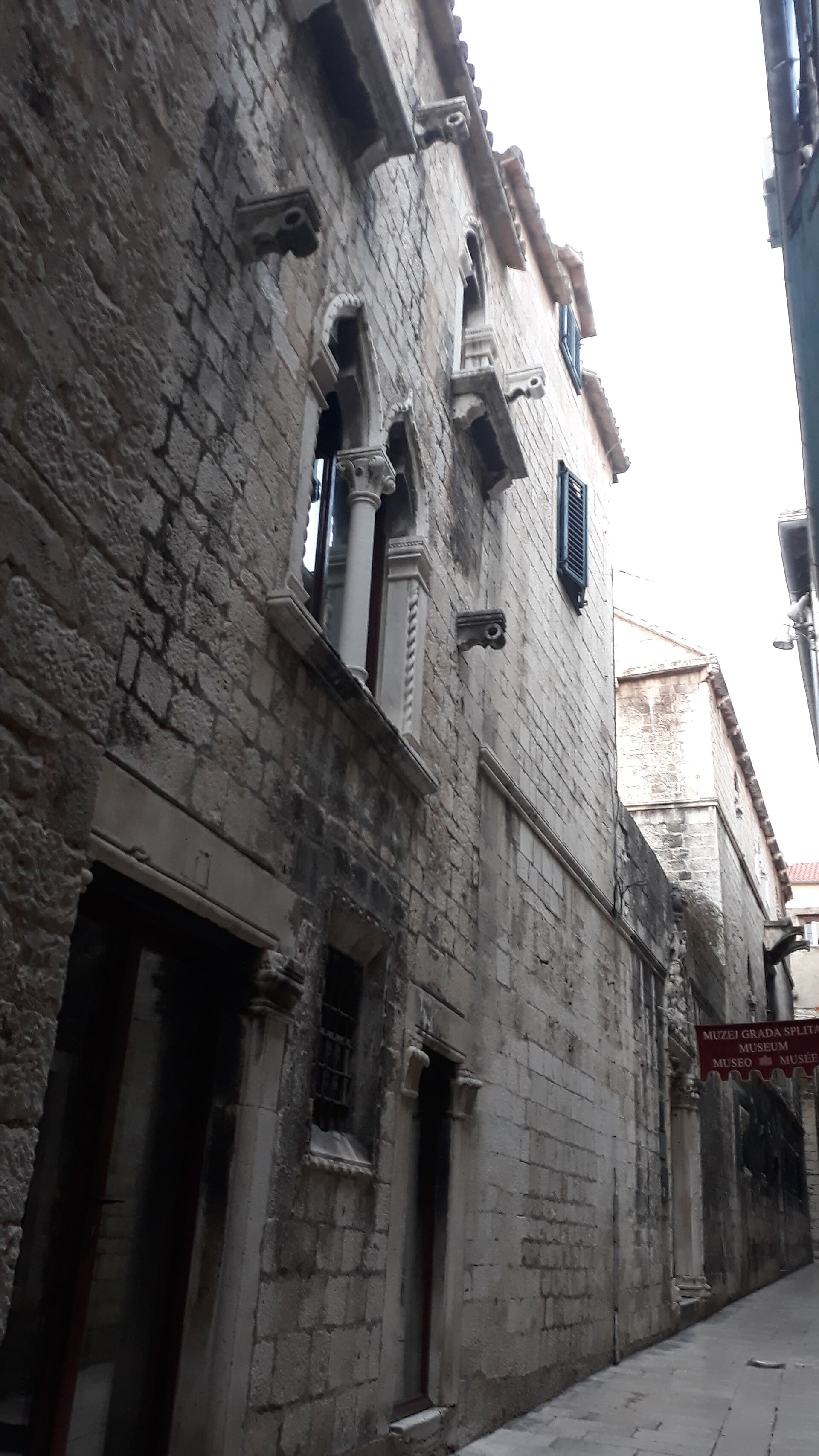 Papalic Palace and the City MuseumThe Papalić Palace is the finest Gothic house in Split, built in the fifteenth c13 minutes walk4.7
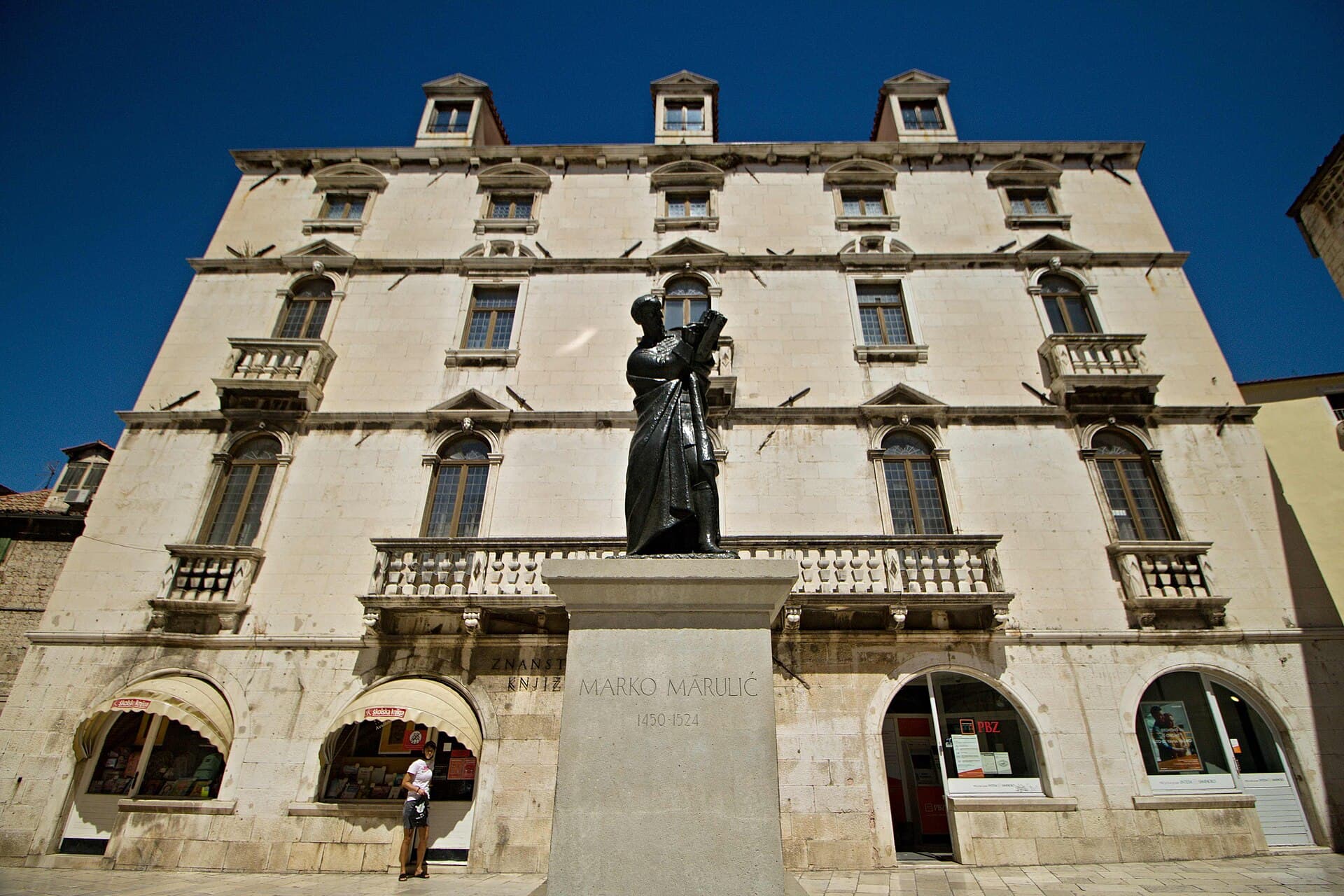 Milesi PalaceA Baroque palace on Fruit Square in Split, built in the seventeenth century for 13 minutes walk4.6
A wooded peninsula rising directly west of Split, regarded as the city's lung and its escape. It holds walking and cycling trails, small medieval chapels cut into the rock, viewpoints over the city and islands, and rocky beaches around its edges. The climb from the old town by the stairs takes about twenty minutes. It is free and always open and is the best thing to do in Split after Diocletian's Palace.
Walking on Marjan and the rocky beaches around it, the Riva seafront promenade, and a boat trip to a nearby island. Split is a city open to the sea, and outdoor activity suits it far better than small museums.