
Among Europe's finest stadiums
A judgement recurring in architects' surveys, not only among supporters.
Quintin Soloviev — CC BY 4.0 · Quintin Soloviev — CC BY 4.0 · Quintin Soloviev — CC BY 4.0 · BiHVolim — CC BY-SA 4.0
Split's football stadium and the home of Hajduk, opened in 1979 to host the Mediterranean Games. The building itself is the reason for its architectural fame: Boris Magaš designed it as two facing shells, with a roof of arched steel structures covering both stands without columns obstructing the view. There are no outer walls — the stadium is open to the landscape on both sides, so from inside you see the hills and the sea. It is regarded as among the most important works of sports architecture of the twentieth century and is on Croatia's register of protected architectural heritage. Many consider it the finest stadium in Europe, a judgement that recurs in architects' surveys rather than only among supporters. Hajduk Split was founded in 1911 in Prague by Croatian students, and its supporters' group Torcida is among the oldest organised supporter groups in Europe — founded in 1950. Visiting means either a match or a stadium tour; check the schedule before planning.
A judgement recurring in architects' surveys, not only among supporters.
Hajduk's supporters, among Europe's oldest organised supporter groups (1950).
On Croatia's register of protected architectural heritage.
The Poljud district, north-west Split
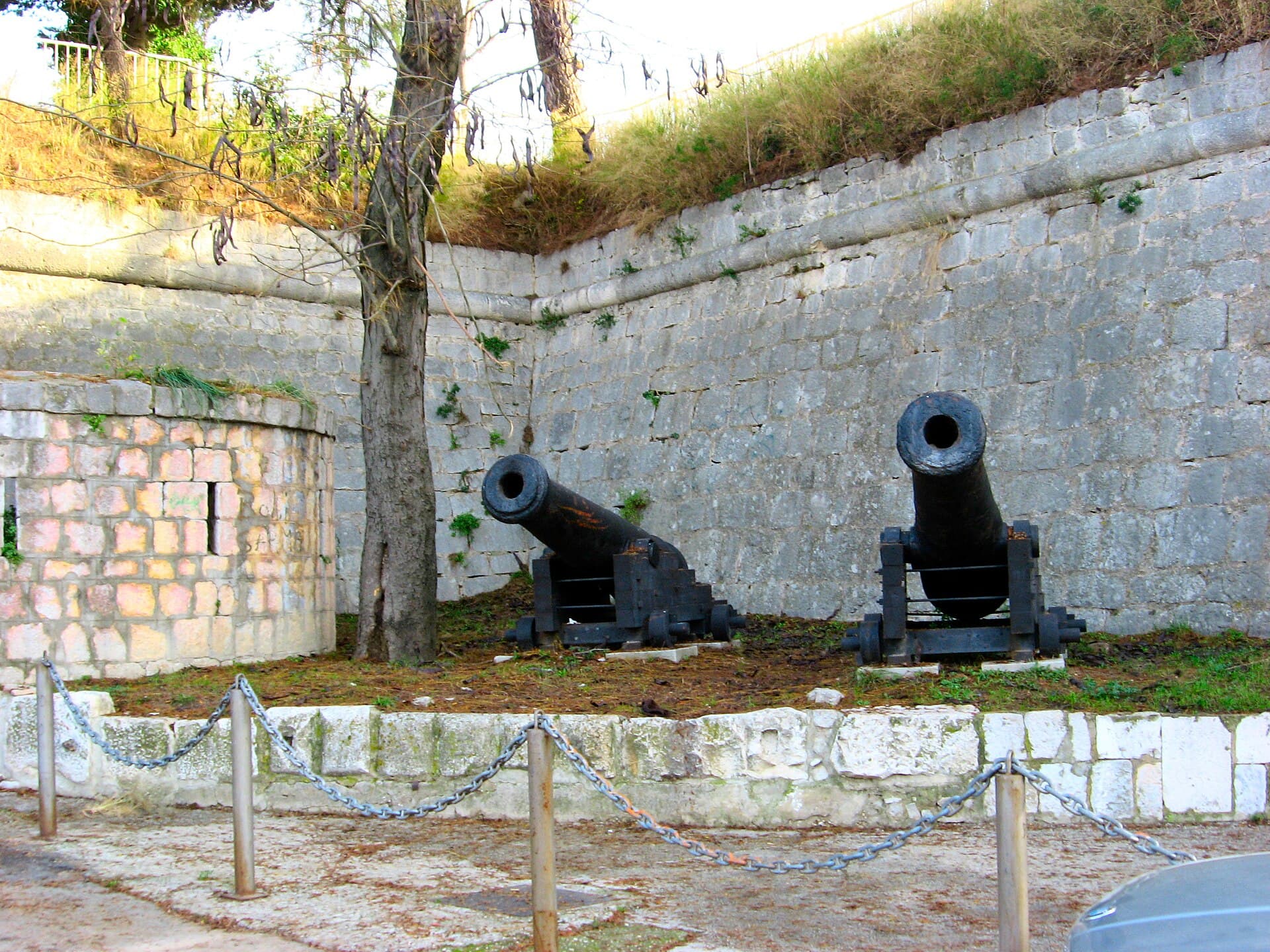
 The Turkish TowerA square stone tower north of Split, a remnant of a defensive system Venice buil8 minutes walk4.3
 Homeland War Museum, SplitA museum documenting the Croatian War of Independence of 1991 to 1995, housed in15 minutes walk4.1
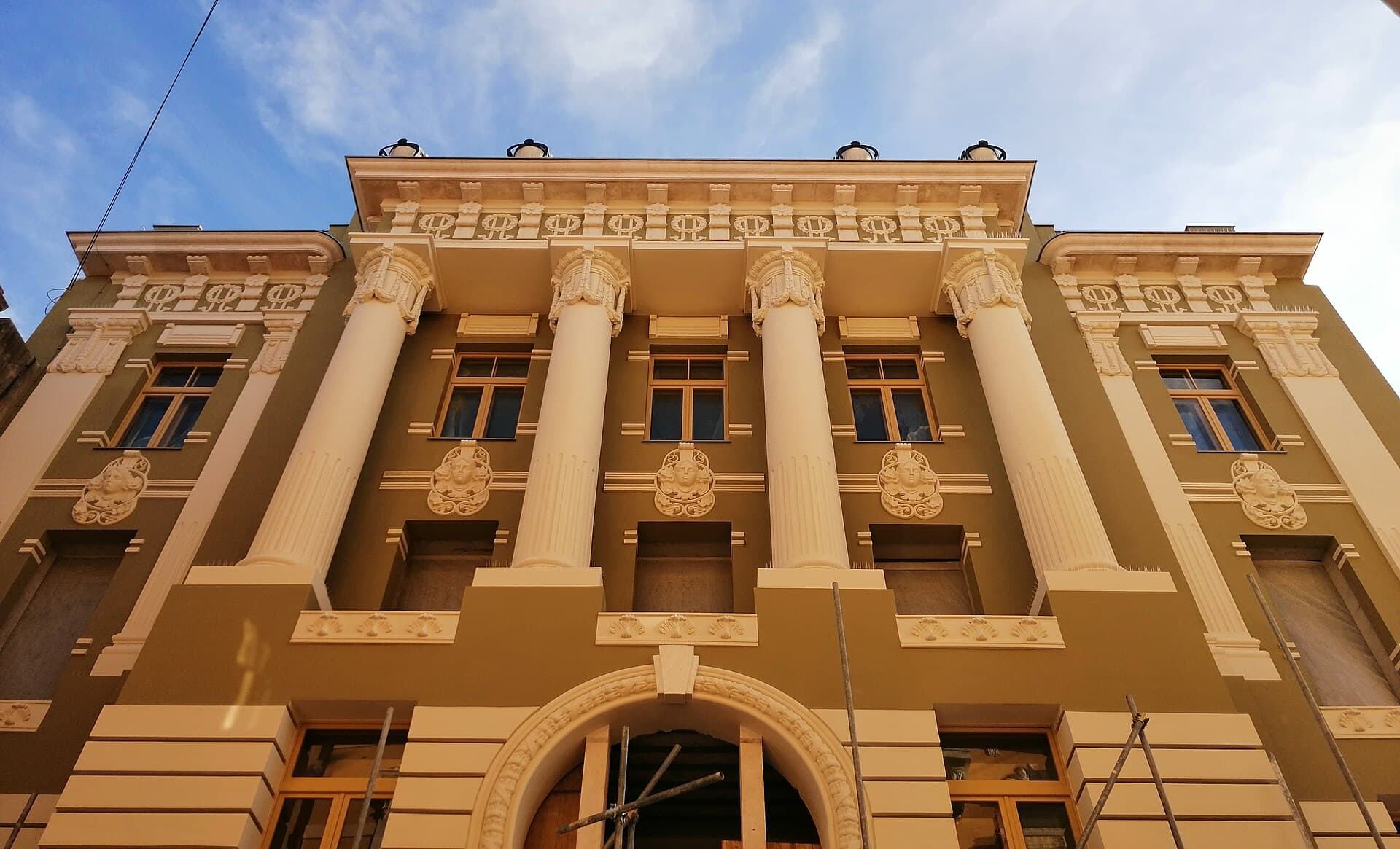 The Croatian Home, SplitAn early twentieth-century cultural building west of Split's old town, built as 15 minutes walk4.7
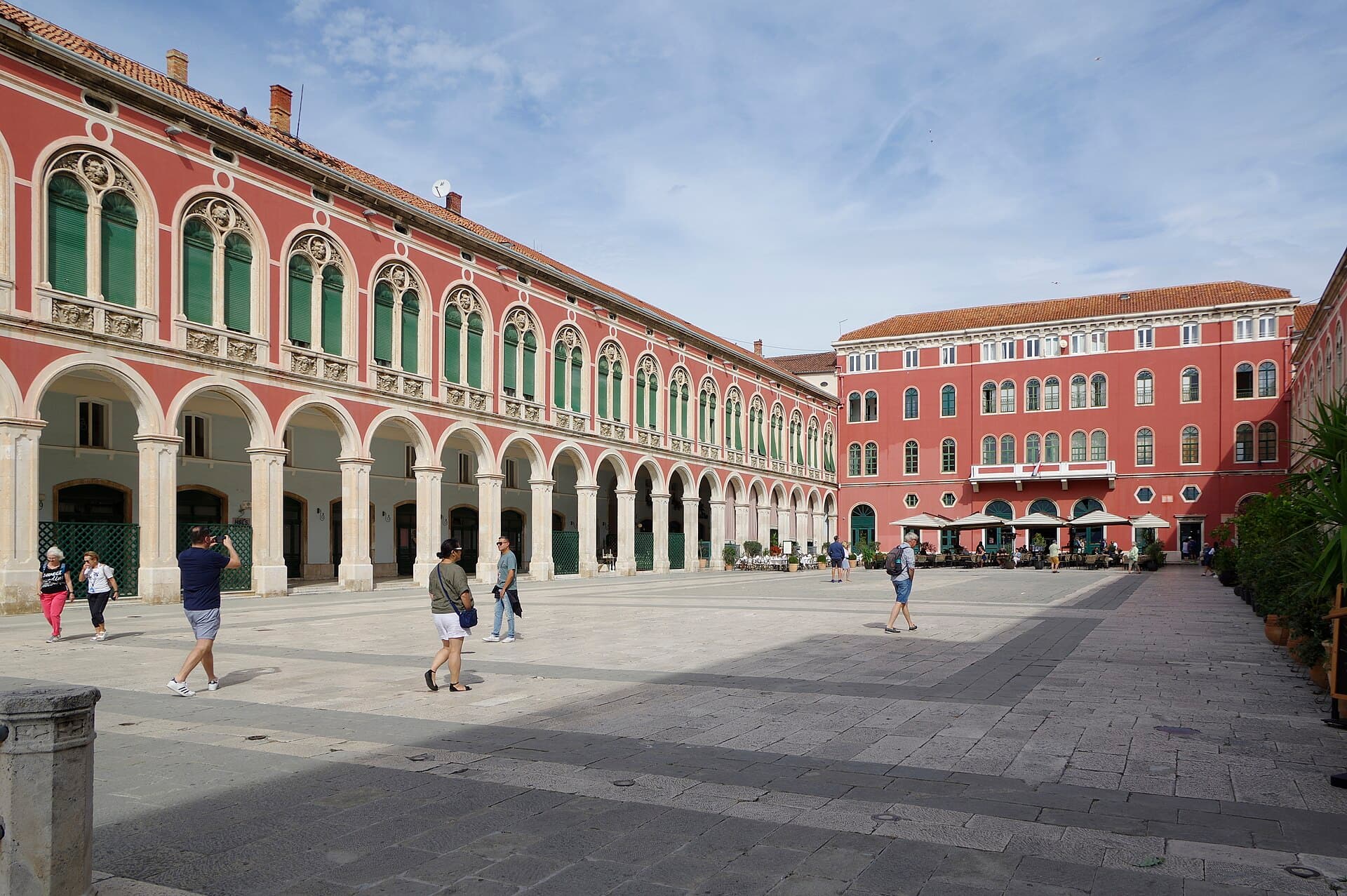 Republic Square, the ProkurativeThe Prokurative is a rectangular square open to the sea on one side and enclosed16 minutes walk4.6
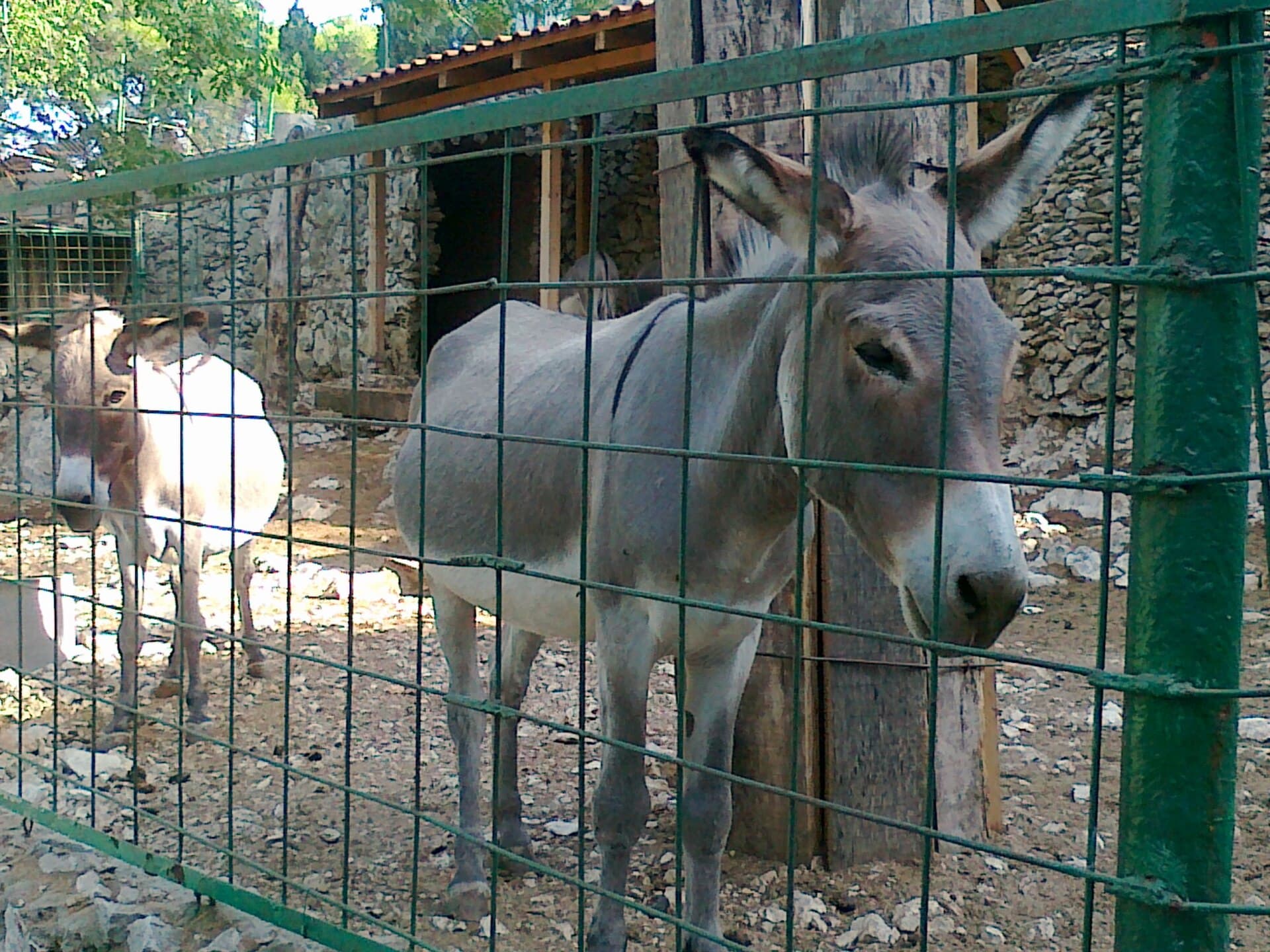 Natural History Museum and ZooA small natural history museum with a small attached zoo, at the foot of Marjan 17 minutes walk3.9
Hajduk Split's supporters' group, founded in 1950 after Croatian students returning from Brazil saw the atmosphere at the World Cup there and took the name from a Portuguese word for a passionate crowd. It is regarded as the oldest organised supporters' group in Europe. Its atmosphere at big matches — flags, chants and flares — is part of the city's identity, but the north stand is very loud and may not suit families.
Stadium tours run at set times covering the stands, the dressing rooms, the tunnel and the club museum. Check Hajduk's website or call before going — the tours are not daily and may pause for periods. The stadium is free to see from outside, and its architectural form is fully visible from the surroundings.