
The stone windows
Carved late Gothic frames in the front.
Chainwit. — CC BY-SA 4.0 · Norbert Csaba — CC BY-SA 4.0 · FOTO:Fortepan — ID 58722: Adományozó/Donor: Zsanda Zsolt. archive copy at the Wayback Machine — CC BY-SA 3.0 · Mutialulu — CC0
A fifteenth-century stone house in a narrow lane near Union Square, where **Matthias Corvinus was born in 1443** — son of John Hunyadi, and one of the greatest kings of Hungary. Matthias ruled from 1458 to 1490 and turned his court into one of the most important centres of the Renaissance outside Italy: he founded the Bibliotheca Corviniana, among the largest libraries in Europe, brought in Italian architects and scholars, and built a professional standing army. In Hungarian folklore he is Matthias the Just, from stories of him going among his people in disguise to test his judges. The house itself is a late Gothic building with arched stone windows and a gateway, which Matthias exempted from taxes in honour of his birth there. Today it houses the **faculty of fine arts** of the university of art, so it is a working building — **seen from outside** rather than visited as a museum. His famous statue stands in Union Square nearby.
Carved late Gothic frames in the front.
In nearby Union Square before St Michael's Church.
Strada Matei Corvin 6, Cluj-Napoca
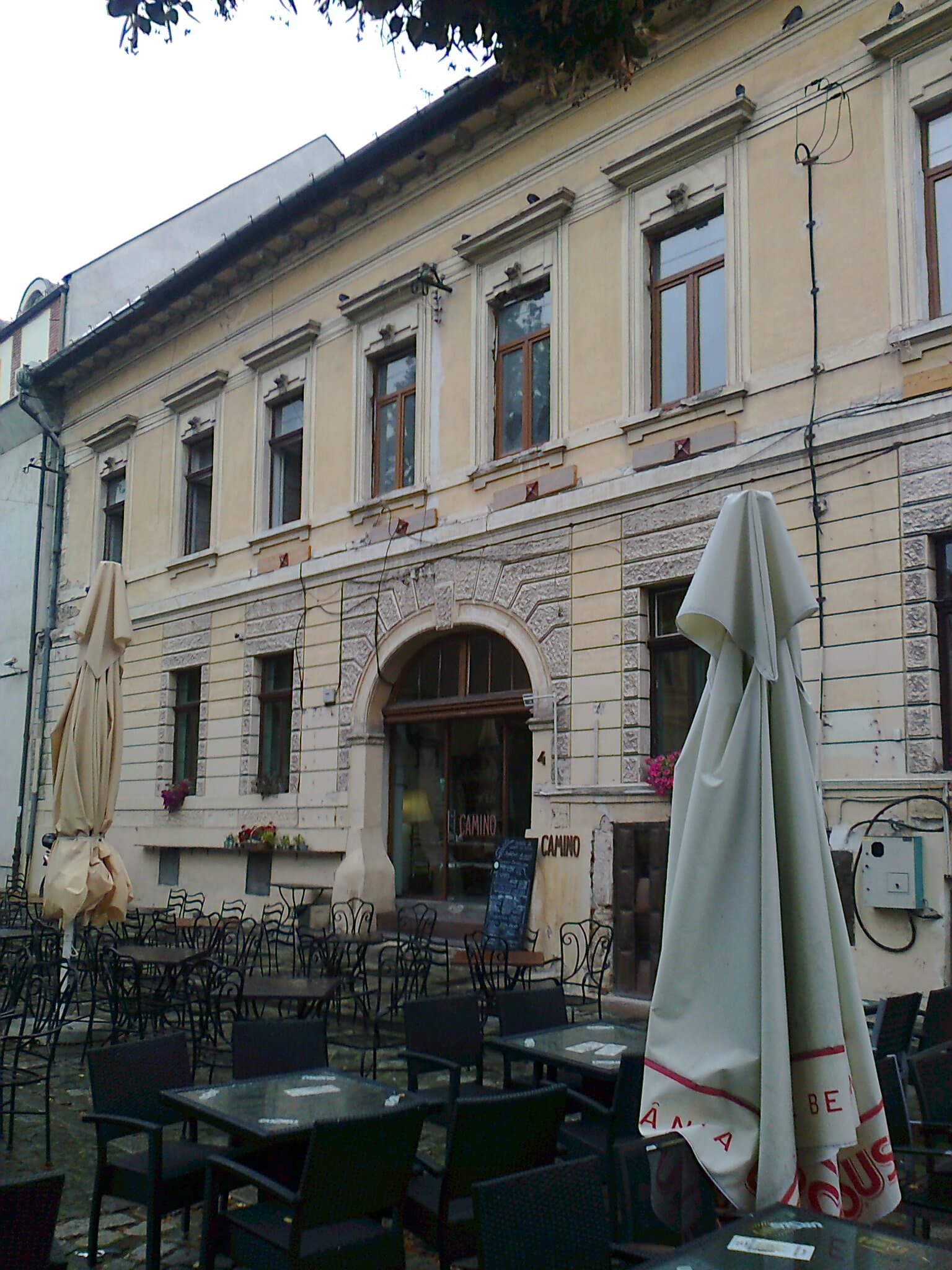 The Mikes HouseA listed noble townhouse on the northern side of Museum Square in Cluj-Napoca, c2 minutes walk4.9
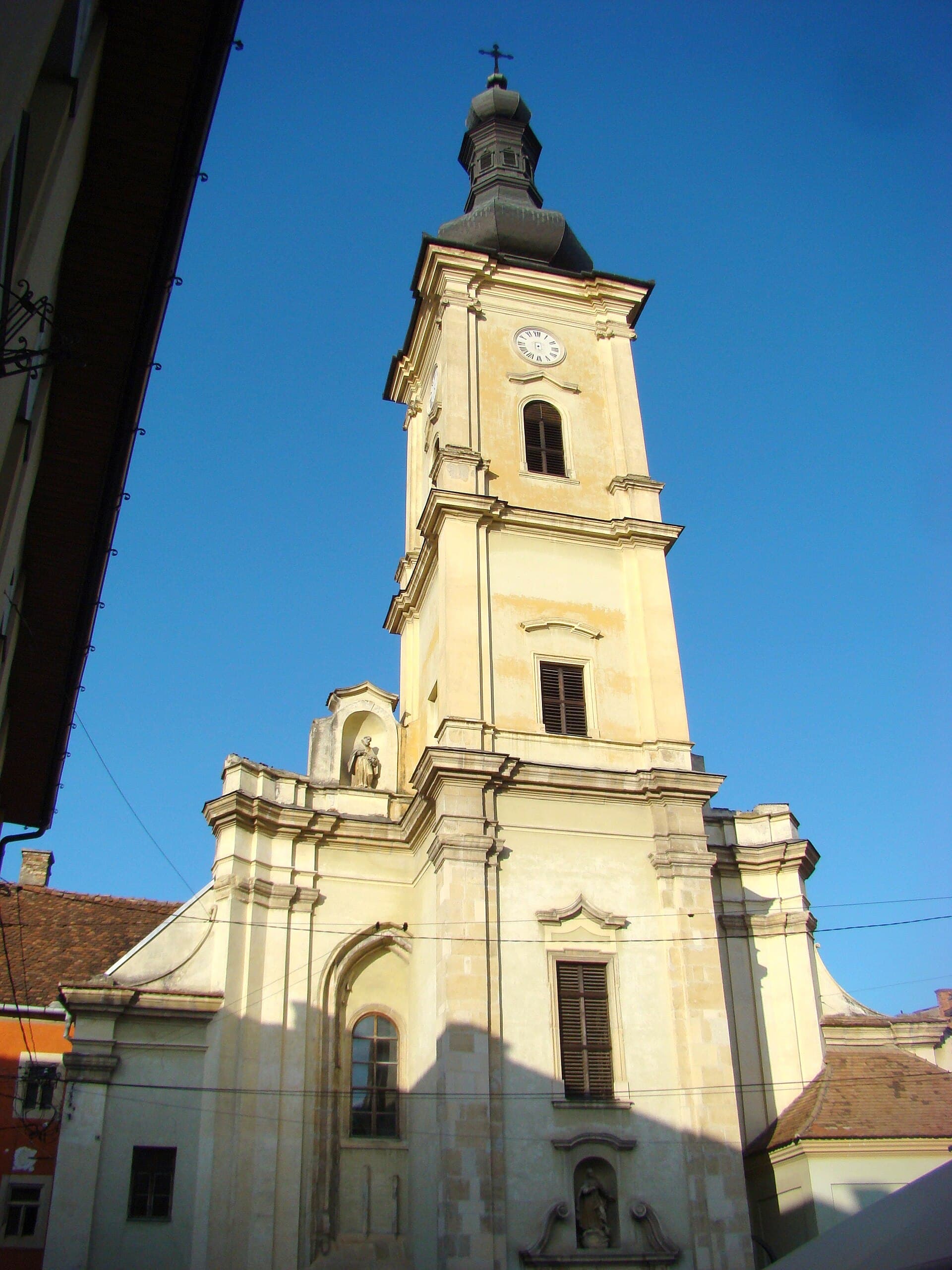 The Franciscan Church of ClujA church and monastery on Museum Square in the heart of Cluj's old town, the sit2 minutes walk4.9
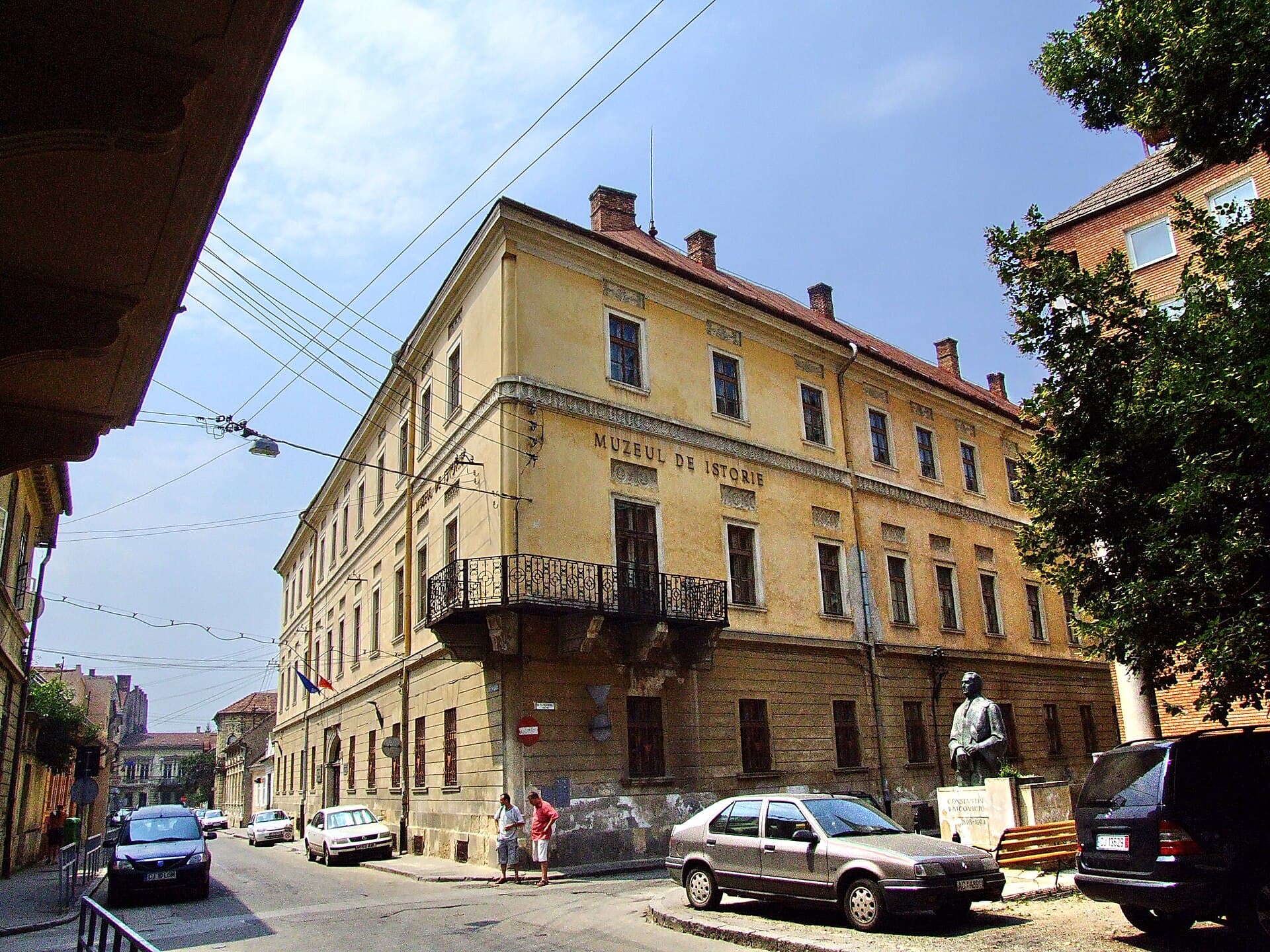 National Museum of Transylvanian HistoryTransylvania's memory in a Baroque palace west of Union Square: the National His2 minutes walk4.3
 St Michael's ChurchThe heart of Cluj and Transylvania's second-largest Gothic church: St Michael's 2 minutes walk4.7
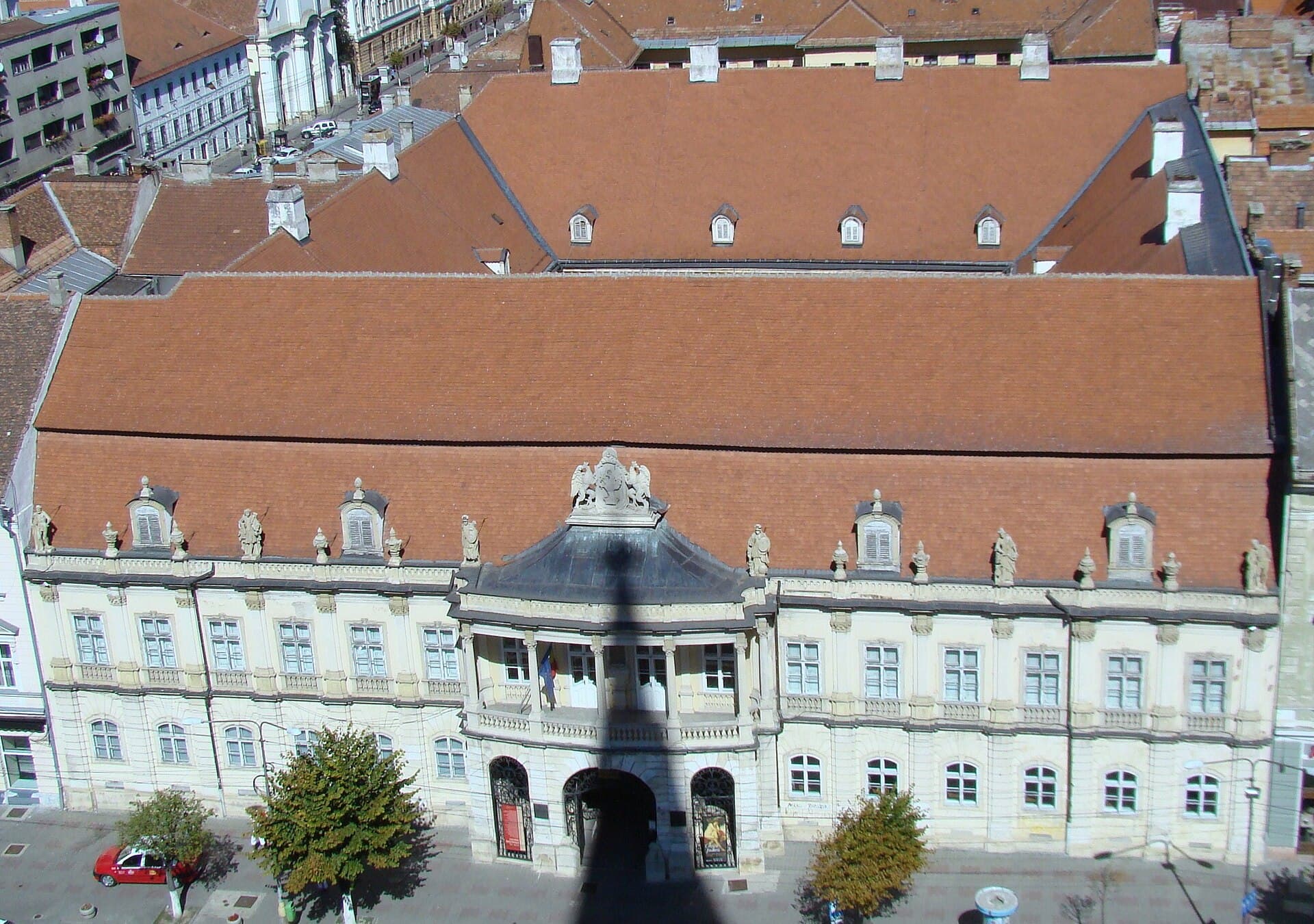 Art Museum in Bánffy PalaceTransylvania's finest Baroque palace holding Cluj's finest art collection: Bánff2 minutes walk4.3
The centre is small and walks in two hours. Start at **Union Square**: the Gothic St Michael's Church in the middle, the Matthias statue in front of it, and the Bánffy Palace on one side holding the art museum. Then the lane of **Strada Matei Corvin** to his birthplace. Then north to **Piața Mihai Viteazul** and its market. And south to **Central Park** on the Someș, and from there the **botanical garden**, the best thing in the city. The cemetery and the Greek-Catholic cathedral are on the southern slope. The city is thoroughly a university town — more than eighty thousand students, which is what makes its cafés and its prices different from the rest of Romania.