
A Transylvanian family name
The Mikes were old Székely nobility of the region.
Wikizoli — CC BY-SA 3.0 ro · Photograph by Mike Peel (www.mikepeel.net). — CC BY-SA 4.0 · Photograph by Mike Peel (www.mikepeel.net). — CC BY-SA 4.0 · Photograph by Mike Peel (www.mikepeel.net). — CC BY-SA 4.0
A listed noble townhouse on the northern side of Museum Square in Cluj-Napoca, carried in the Romanian register of historic monuments under the code CJ-II-m-B-07434. Let us be plain: very little is documented about the house itself. No confirmed date of construction is available and no detailed record of who lived in it and when. Its name comes from the Mikes, one of the old Transylvanian noble families of Székely origin, and that association is what has survived in local memory. What genuinely repays a visit is where it stands. Museum Square is the oldest square in Cluj and the heart of the medieval town, far smaller and quieter than the main square. Around it are the Franciscan church — the city's oldest — and the National Museum of Transylvanian History, and at its centre the Carolina Obelisk, raised in 1831 and the oldest public monument in the city. The house is therefore best read as part of the square's frontage rather than as a landmark on its own, and that is the right way to visit it. Practical points: free to see from outside at any hour, with no interior to visit.
The Mikes were old Székely nobility of the region.
No confirmed build date and no detailed record of its occupants.
It reads as part of Museum Square as a whole.
Museum Square 4, Cluj-Napoca
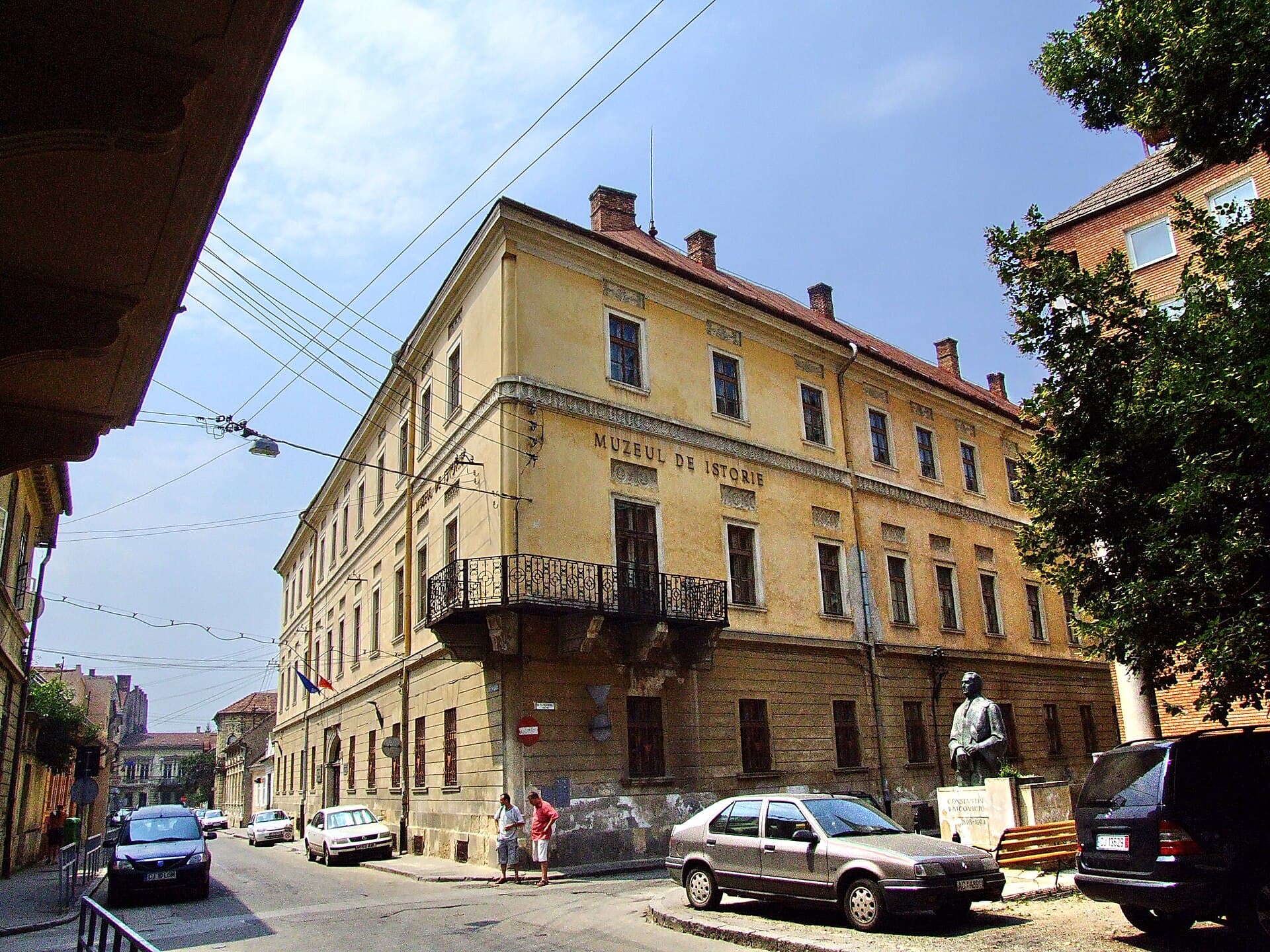 National Museum of Transylvanian HistoryTransylvania's memory in a Baroque palace west of Union Square: the National His1 minute walk4.3
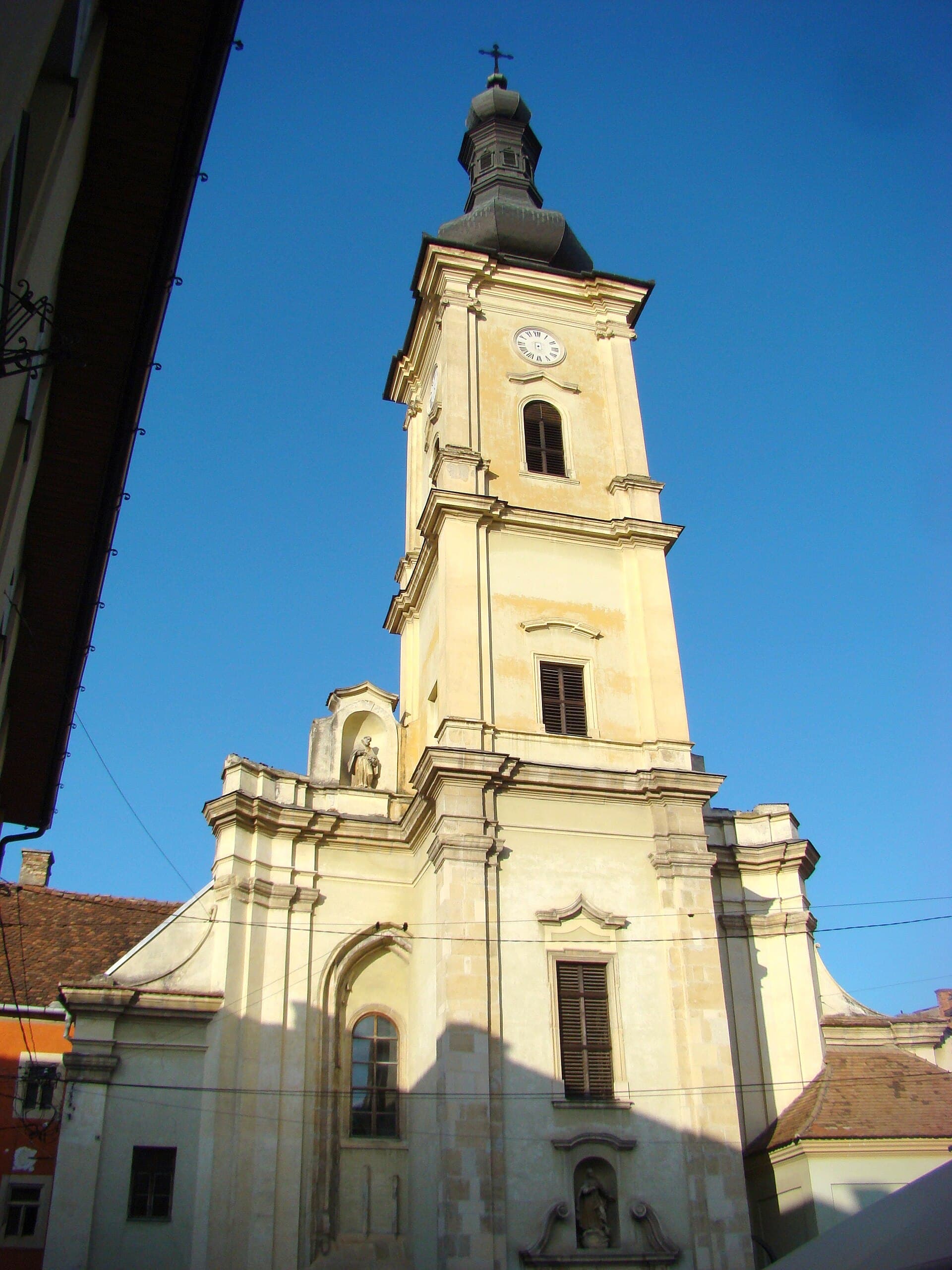 The Franciscan Church of ClujA church and monastery on Museum Square in the heart of Cluj's old town, the sit1 minute walk4.9
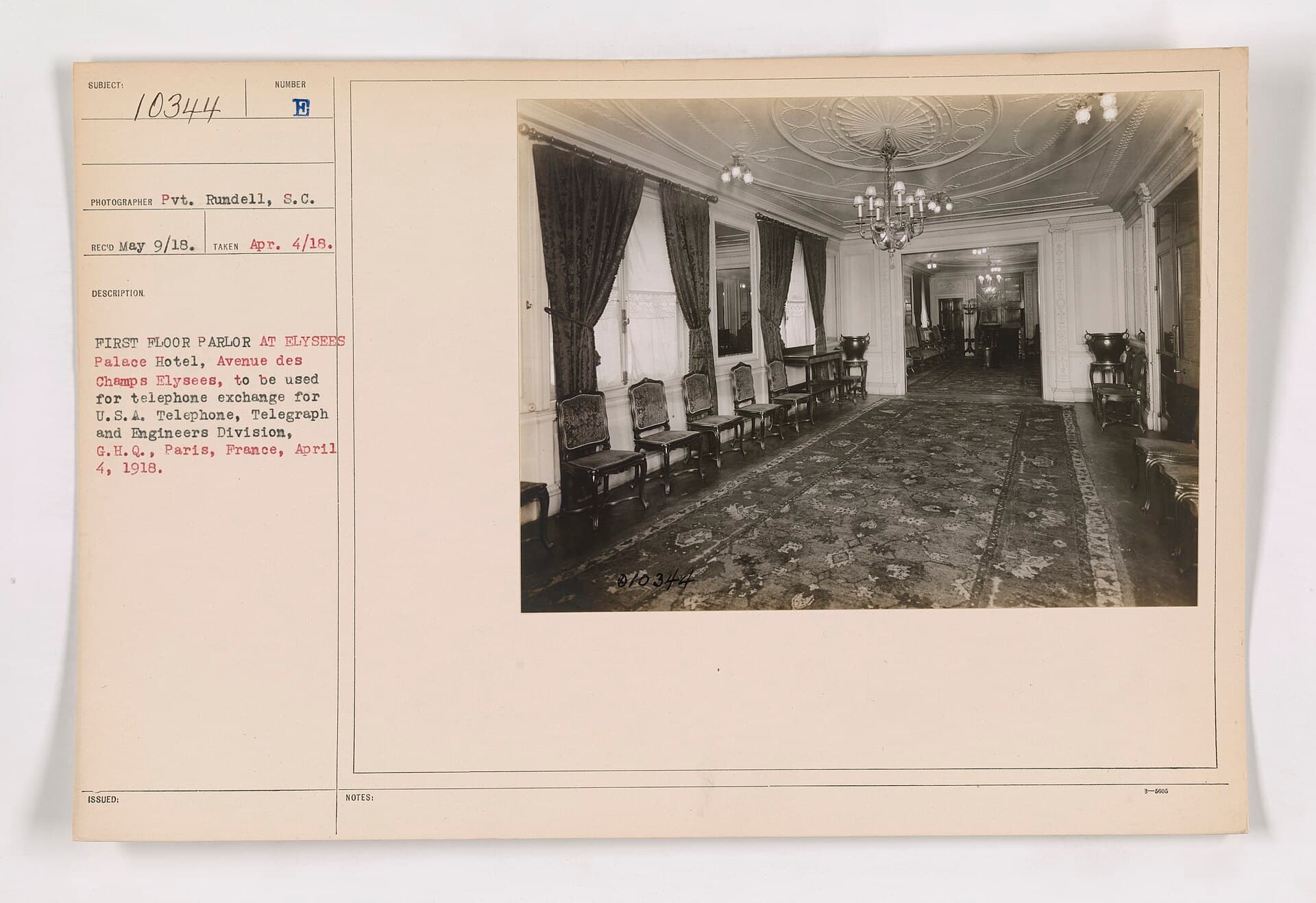 The Telephone PalaceA massive concrete building in central Cluj-Napoca, among the clearest examples 2 minutes walk4.9
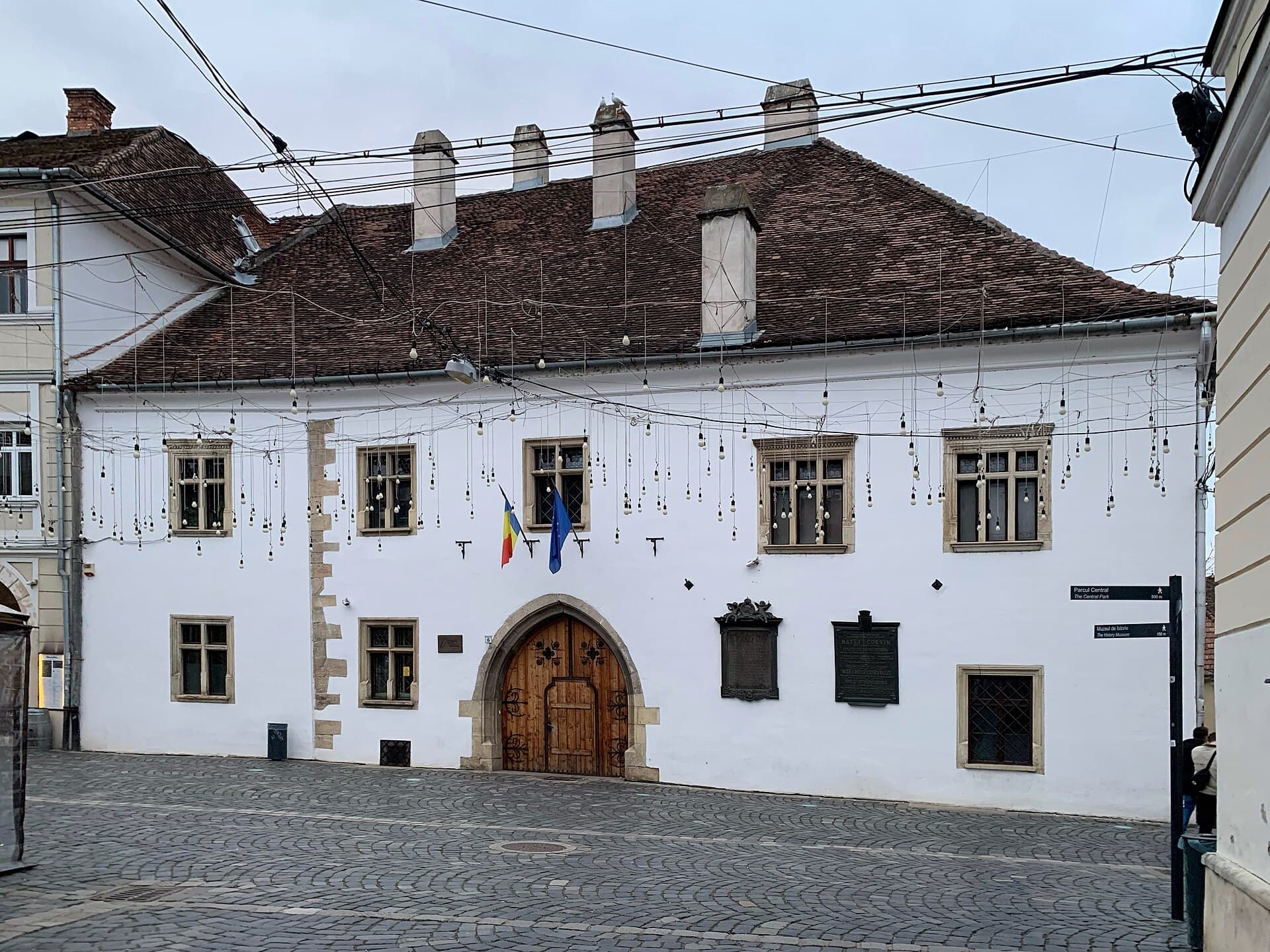 The Matthias Corvinus HouseA fifteenth-century stone house in a narrow lane near Union Square, where **Matt2 minutes walk4.8
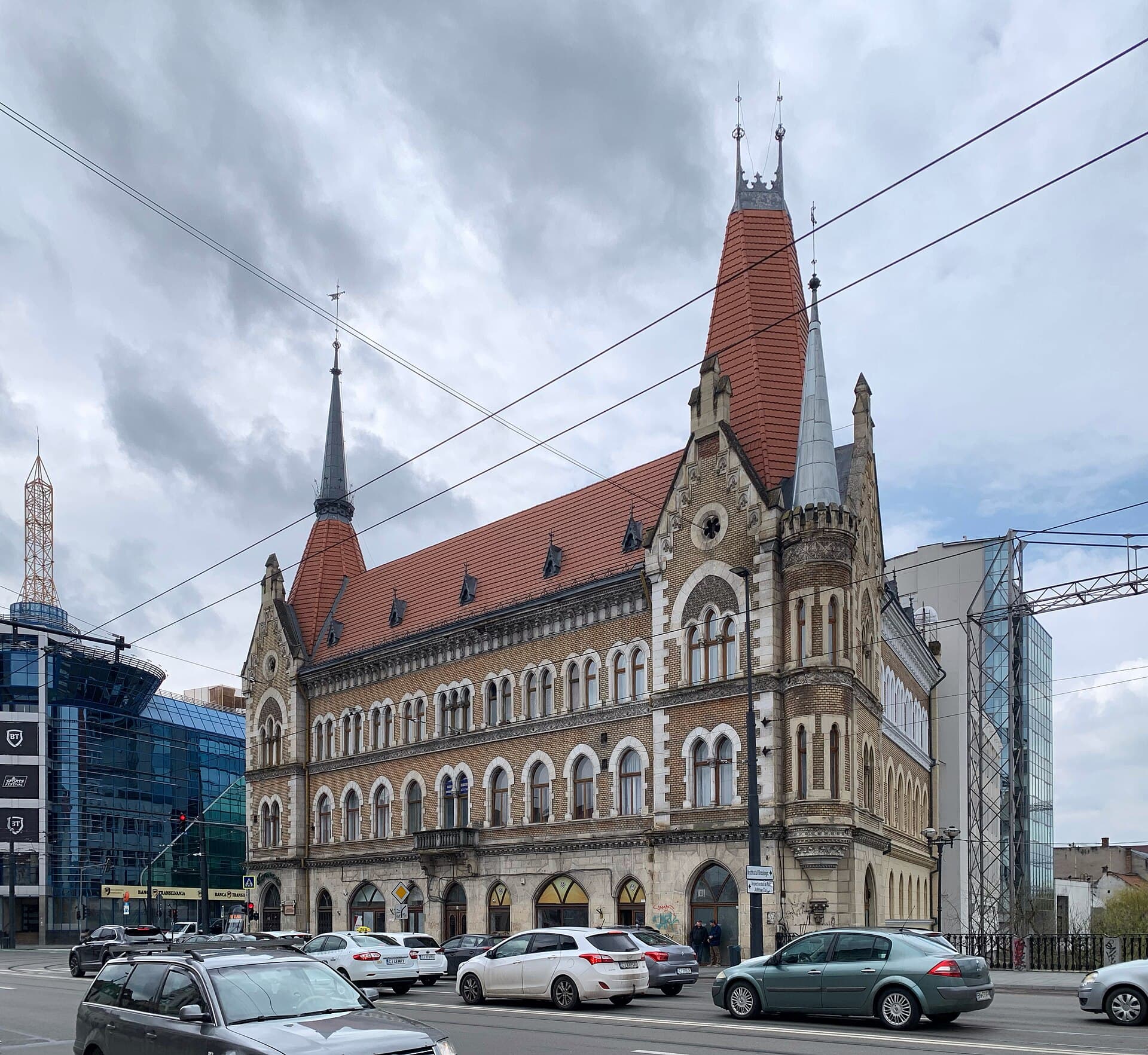 The Széki PalaceAn early twentieth-century town palace on Horea street in Cluj-Napoca, regarded 3 minutes walk4.7
It is the oldest square in Cluj and the site of the medieval town's nucleus inside its first walls, before the city expanded and its public life moved to the larger main square. It holds the Franciscan church, the oldest in the city, the National Museum of Transylvanian History, and the Carolina Obelisk of 1831. The square today is quiet and full of cafés, and it is the best place to understand how Cluj began.
A Hungarian-speaking group settled in eastern Transylvania since the medieval period, holding a distinct status in the «three nations» system that governed the region: Hungarians, Székely and Saxons. In return for their privileges they carried the duty of guarding the eastern frontier. The Székely still form a majority in the Harghita and Covasna counties of eastern Transylvania.