
Dacian gold
Spiral bracelets from the royal forts.
CristianChirita — CC BY 2.5 · Pierre-Selim Huard — Public domain · CryolophosaurusEllioti — CC BY 4.0 · Dorieo — CC BY-SA 4.0
Transylvania's memory in a Baroque palace west of Union Square: the National History Museum has gathered since 1859 what the region's soil yielded — Dacian gold treasures and the coins of their forts, the remains of Roman Napoca that gave the city half its name, Saxon and Hungarian medieval arms, the hall of the Transylvanian princes, and a large share for prehistory with its clay figurines. The new wing opened after long restoration displays in modern style with English text, and the basement keeps inscribed Roman stones and altars from the province. Its neighbour, the small pharmacy museum in the city's oldest apothecary, sometimes shares the ticket. An hour of context before wandering: who the Dacians, Romans, Saxons and Hungarians were who made this many-layered city.
Spiral bracelets from the royal forts.
The Roman city beneath the present one.
Strada Constantin Daicoviciu 2, Cluj-Napoca
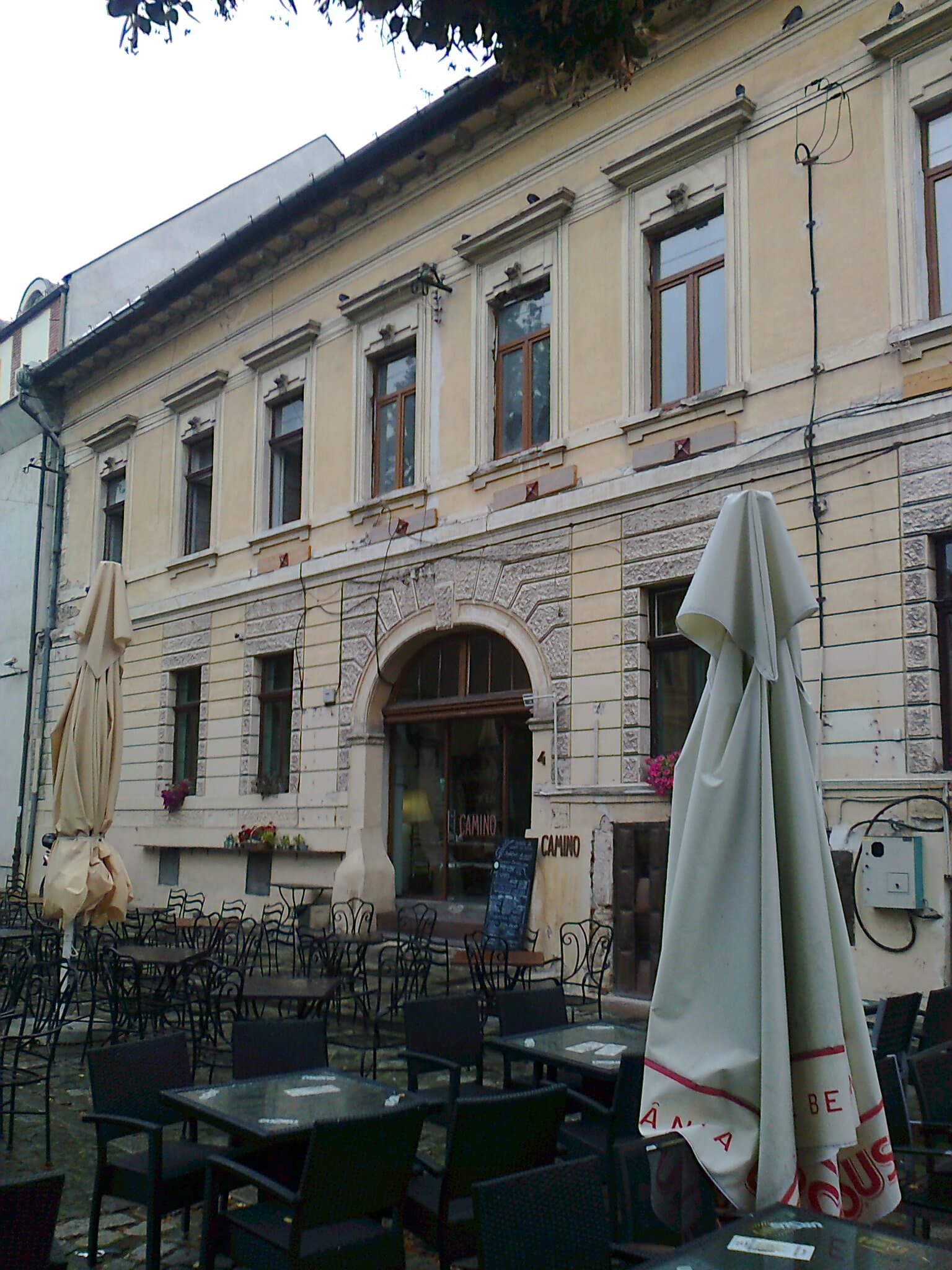 The Mikes HouseA listed noble townhouse on the northern side of Museum Square in Cluj-Napoca, c1 minute walk4.9
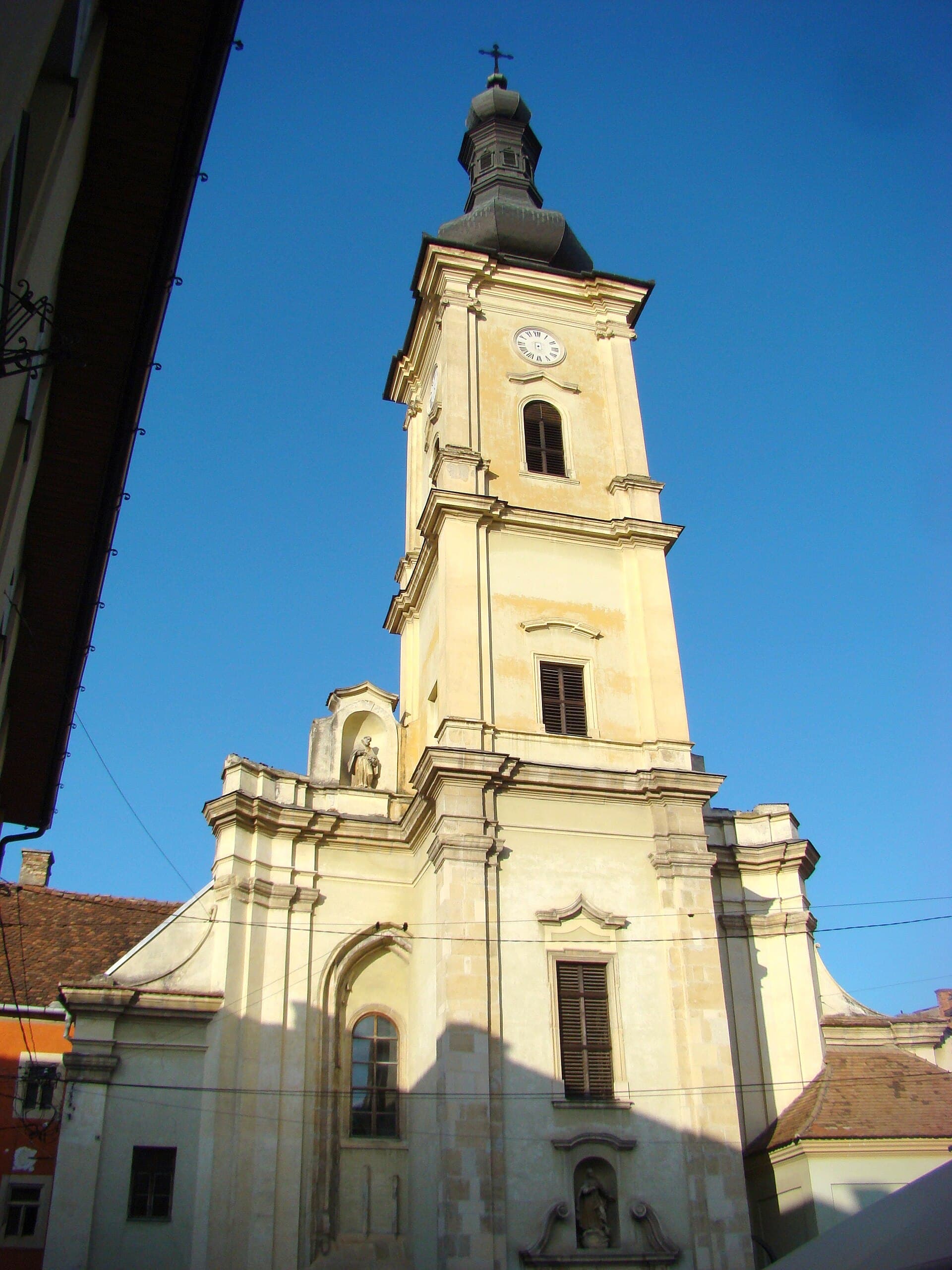 The Franciscan Church of ClujA church and monastery on Museum Square in the heart of Cluj's old town, the sit2 minutes walk4.9
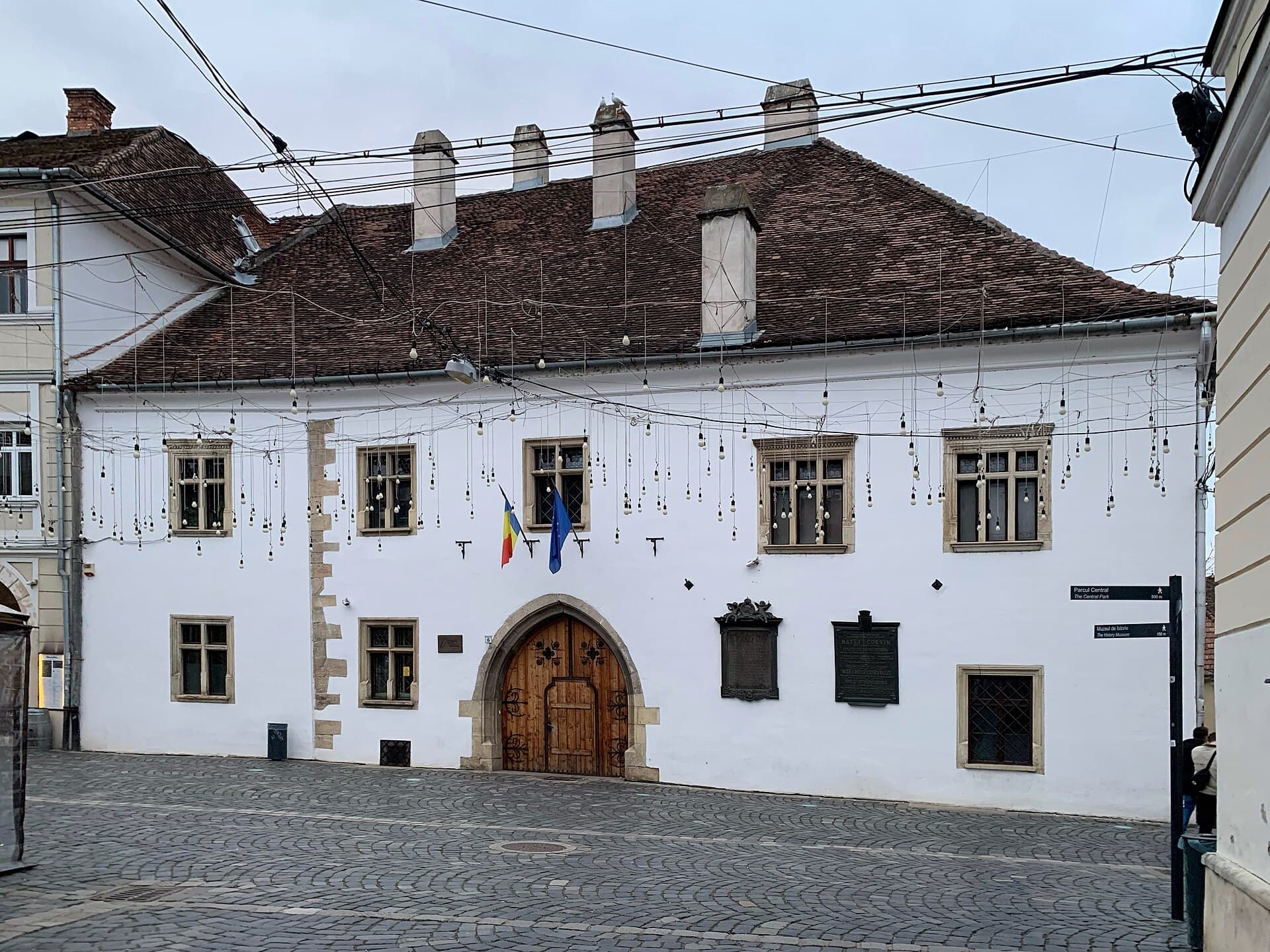 The Matthias Corvinus HouseA fifteenth-century stone house in a narrow lane near Union Square, where **Matt2 minutes walk4.8
 The Telephone PalaceA massive concrete building in central Cluj-Napoca, among the clearest examples 2 minutes walk4.9
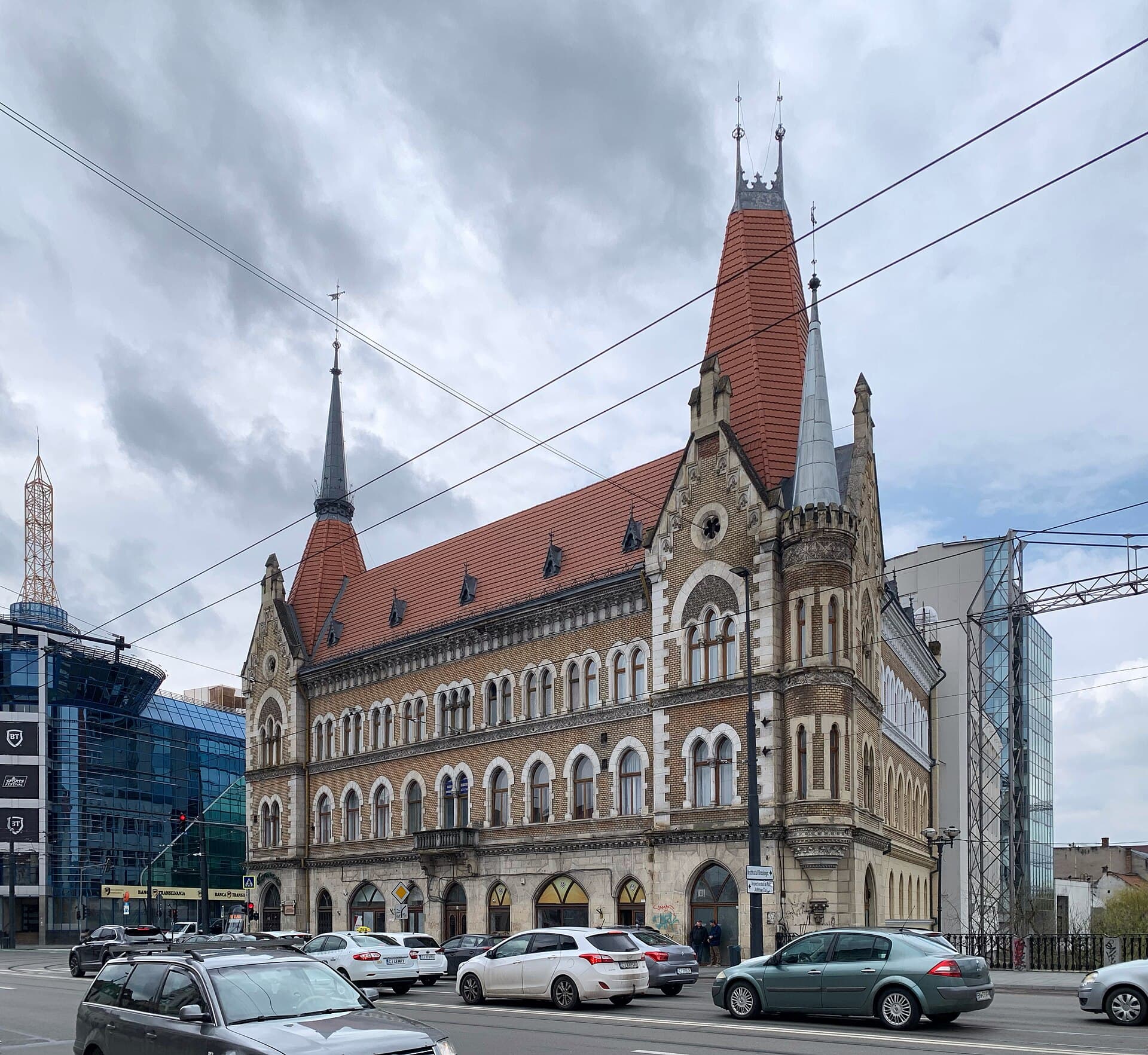 The Széki PalaceAn early twentieth-century town palace on Horea street in Cluj-Napoca, regarded 4 minutes walk4.7
Cluj is the medieval Hungarian-German name; Roman Napoca was officially added in 1974 to affirm Latin roots.