
Catholic, Protestant, Catholic
The sequence repeated across Transylvania's churches.
Țetcu Mircea Rareș — CC BY-SA 3.0 ro · Wikizoli — CC BY-SA 4.0 · Leontin l — CC BY-SA 4.0 · Tiberiu Neag — CC BY-SA 3.0 ro
A church and monastery on Museum Square in the heart of Cluj's old town, the site being the oldest religious building in the city. Beneath the present church are remains of a Romanesque church of the thirteenth century, and possibly older. The site itself lies above the ruins of the Roman colony of Napoca, which gave the city half of its modern name. The building's history reflects Transylvania's religious upheavals. It was built by the Dominicans in the Middle Ages, then taken by the Protestant Reformation in the sixteenth century when Cluj became a city of a single confession, then returned to the Catholics in the eighteenth century with the return of Habsburg rule, and handed to the Franciscans, who rebuilt it in the baroque manner. This sequence — Catholic, then Protestant, then Catholic — recurred in many Transylvanian churches, and is the clearest physical trace of the region's history of religious tolerance and conflict. It is a working place of worship and entry is normally free.
The sequence repeated across Transylvania's churches.
Napoca, a Roman colony here, gave the modern name.
The Franciscans rebuilt it in the eighteenth century.
Museum Square, the old town
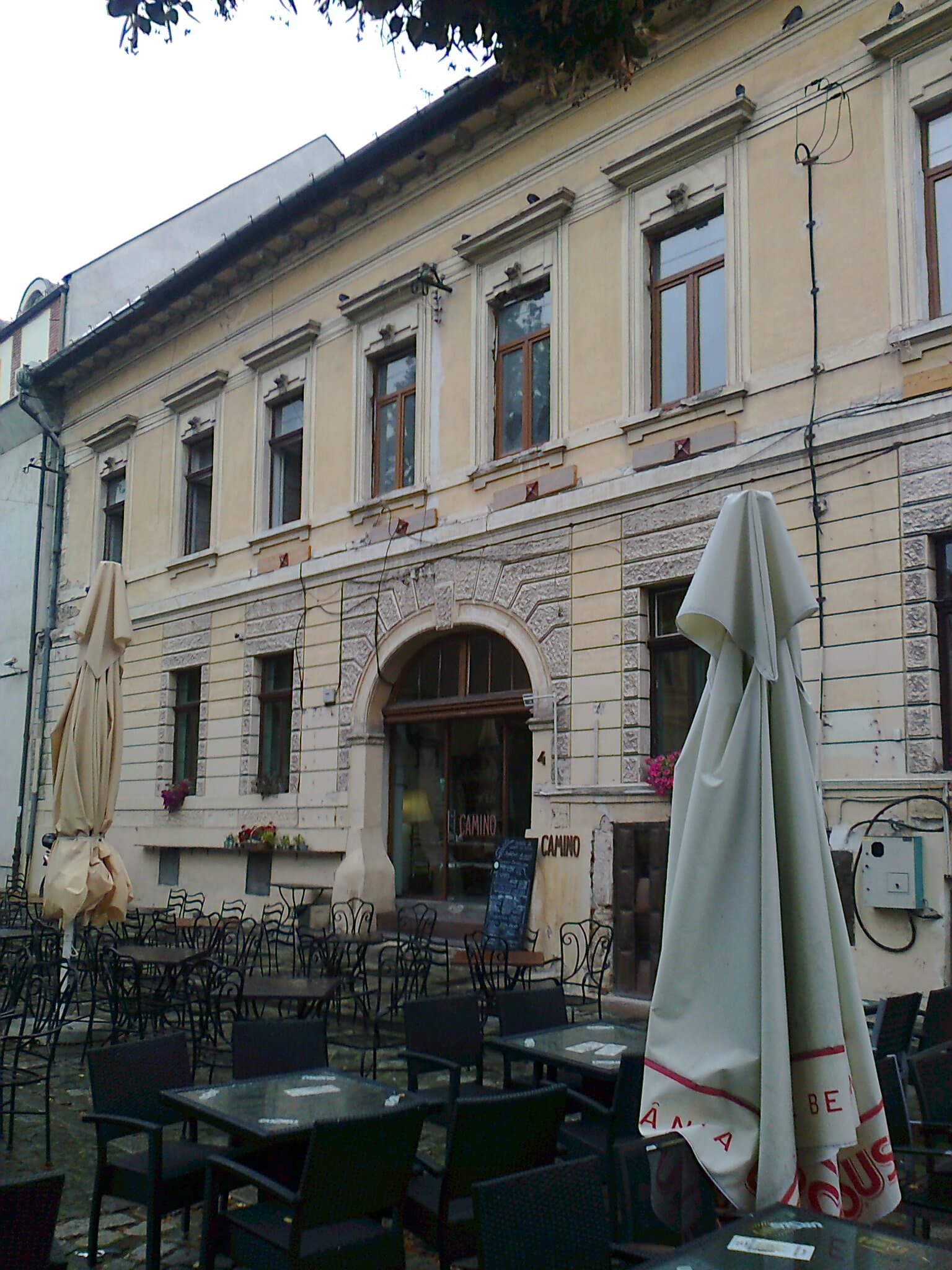 The Mikes HouseA listed noble townhouse on the northern side of Museum Square in Cluj-Napoca, c1 minute walk4.9
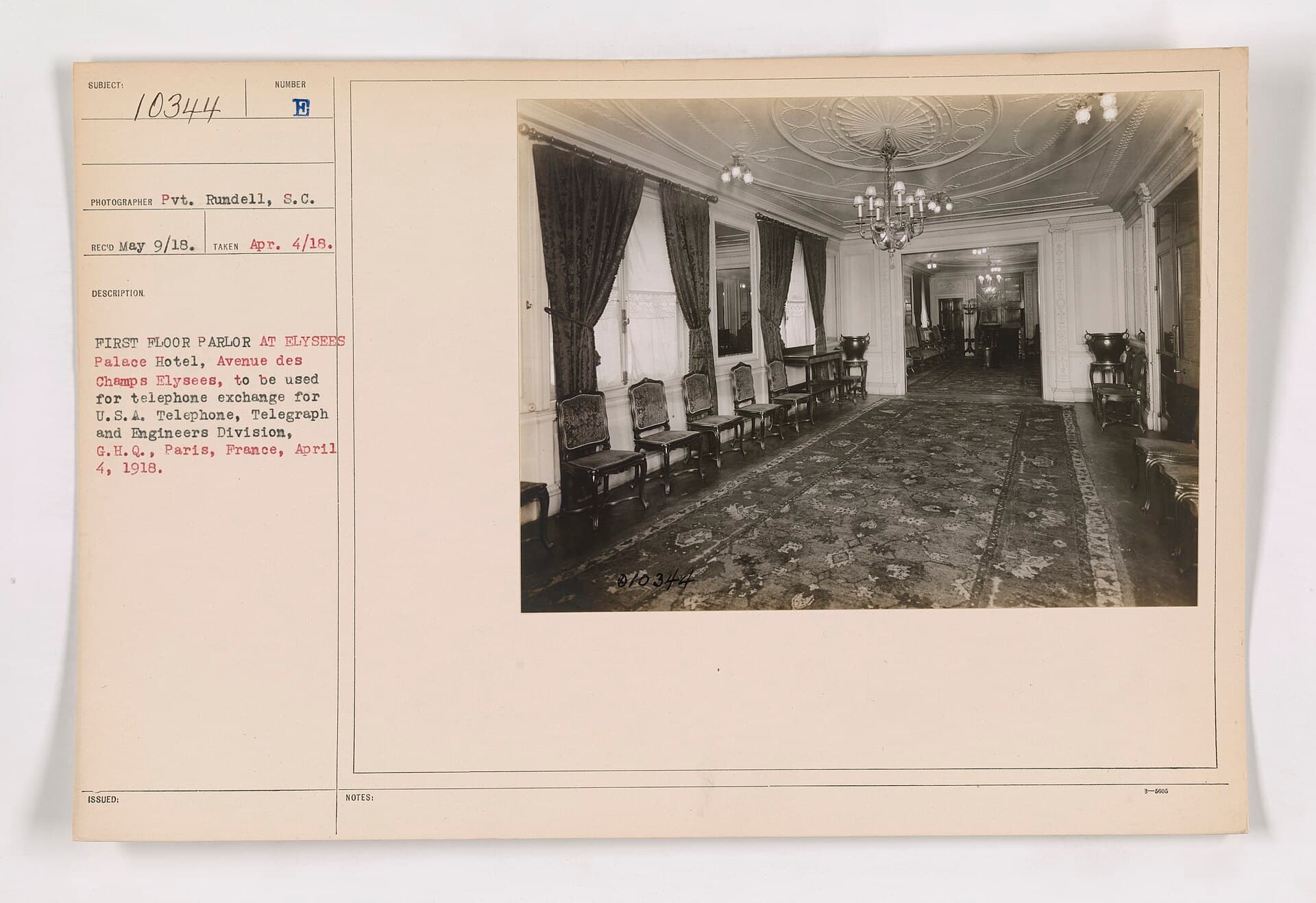 The Telephone PalaceA massive concrete building in central Cluj-Napoca, among the clearest examples 1 minute walk4.9
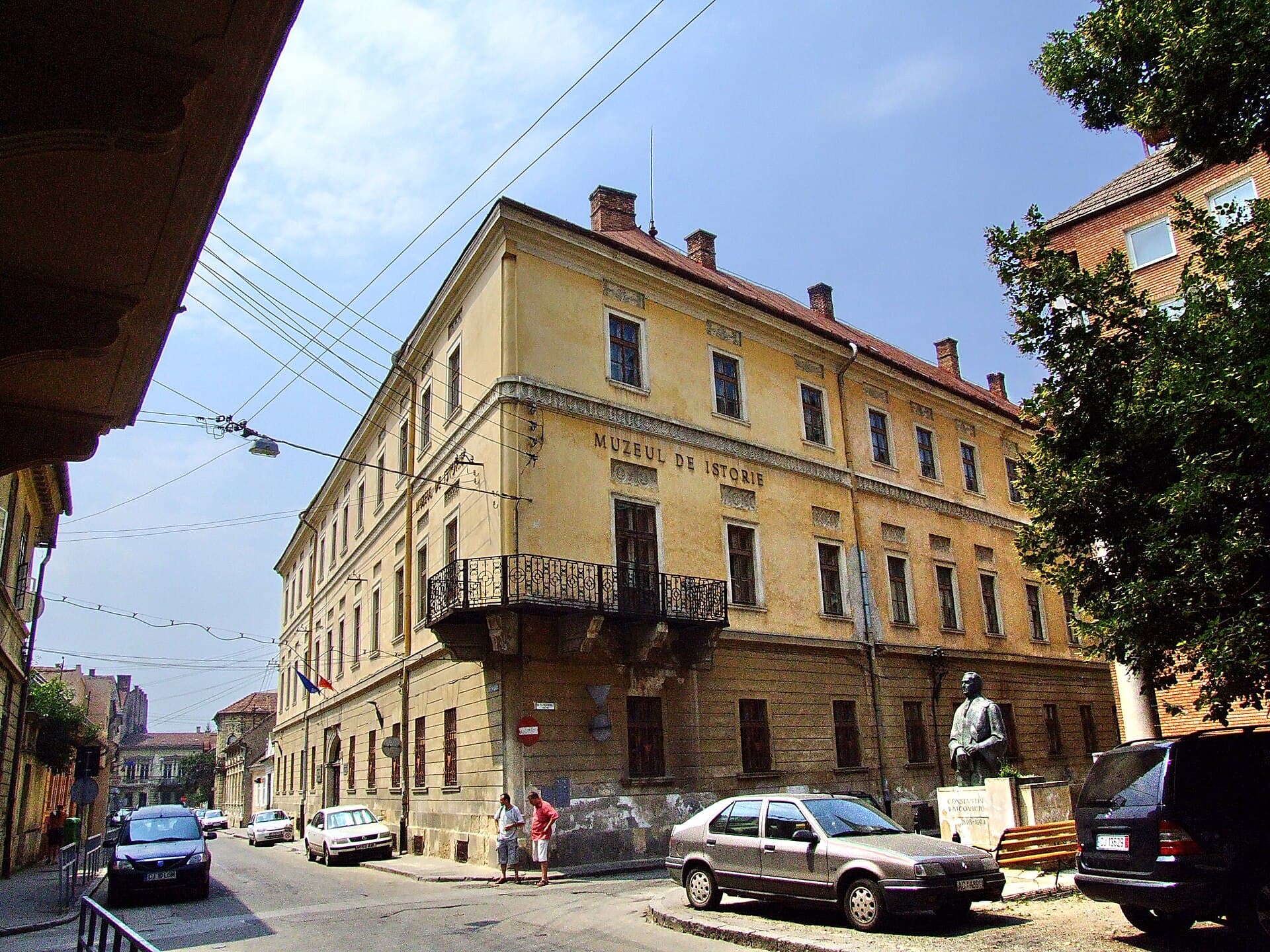 National Museum of Transylvanian HistoryTransylvania's memory in a Baroque palace west of Union Square: the National His2 minutes walk4.3
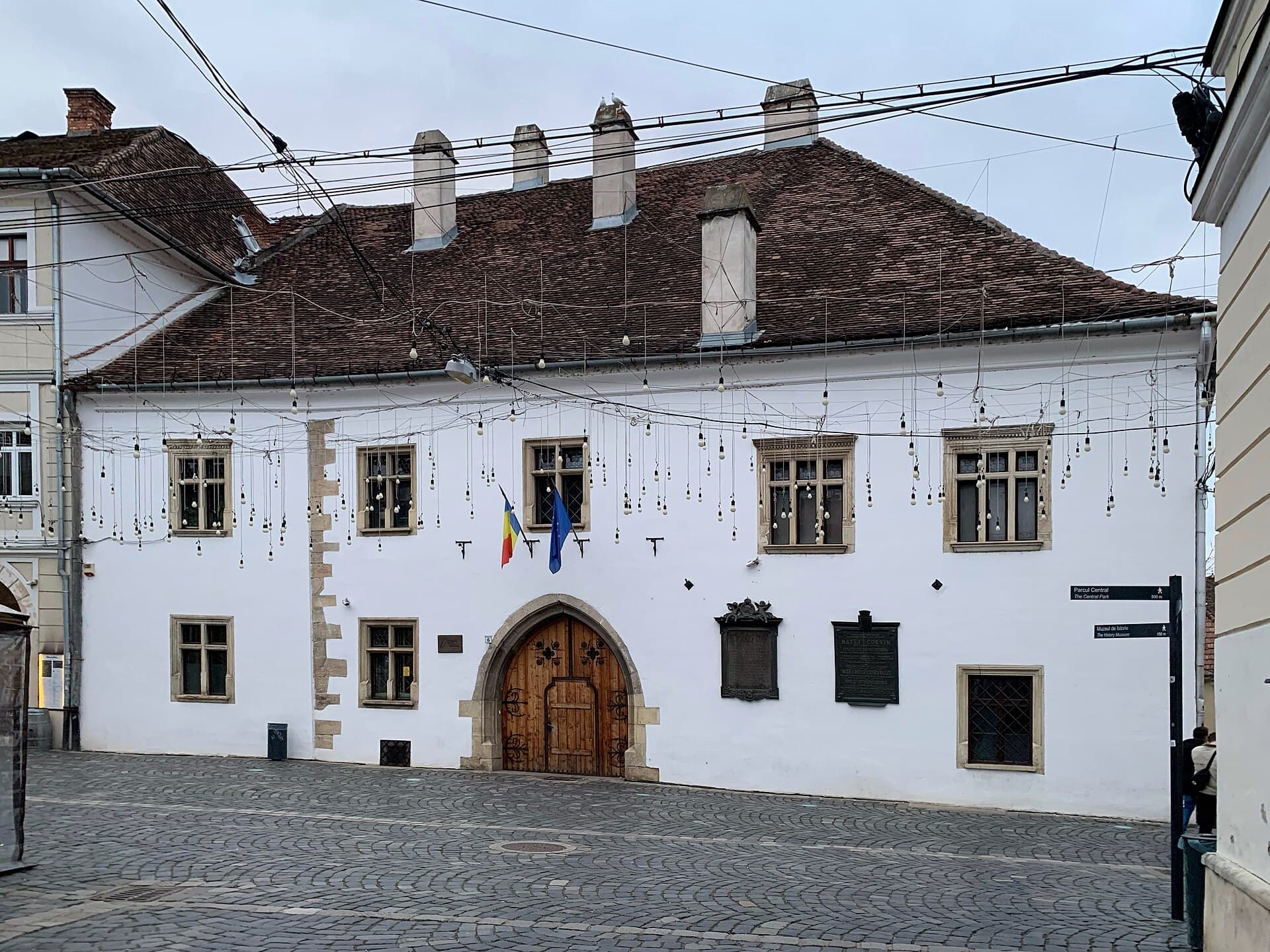 The Matthias Corvinus HouseA fifteenth-century stone house in a narrow lane near Union Square, where **Matt2 minutes walk4.8
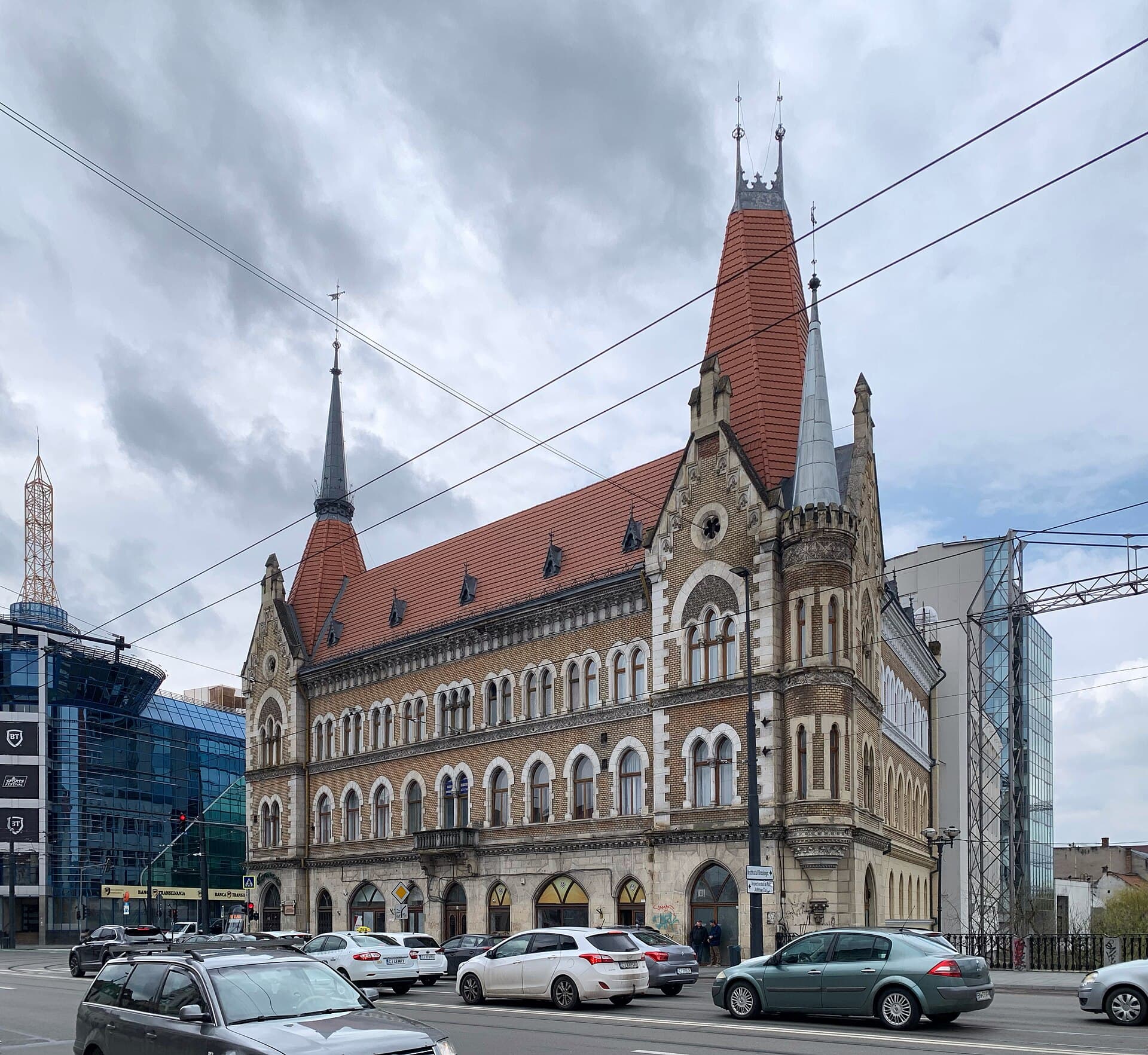 The Széki PalaceAn early twentieth-century town palace on Horea street in Cluj-Napoca, regarded 3 minutes walk4.7
The Transylvanian diet issued the Edict of Torda in 1568, recognising four legally accepted religions: Catholicism, Lutheranism, Calvinism and Unitarianism. It is counted among Europe's earliest laws of religious tolerance and preceded its western equivalents by decades. It was not complete tolerance — Orthodoxy, the religion of the Romanian majority of the population, was not among the accepted faiths but merely tolerated. Yet it was exceptional in an age of religious wars.
The square itself is Cluj's oldest and quietest, with open-air cafés. The National Museum of Transylvanian History opens onto it and holds an excellent archaeological collection from the Roman and Dacian periods. And the nearby Matthias Corvinus street holds the house where the Hungarian king Matthias was born in 1443, a Gothic building still standing.