
St Hallvard's Cathedral
Foundations of the 12th-century cathedral and royal burial place.
Helge Høifødt — Public domain · Christian Christie — Public domain · Unknown authorUnknown author — Public domain · Ssu — CC BY-SA 4.0
Few visitors to Oslo know that the present city is not on its original site. Medieval Oslo stood east of today's centre at the foot of the Ekeberg hill, and remained there six hundred years until it burned to the ground in 1624 — whereupon the Danish king Christian IV ordered it rebuilt somewhere else, under the walls of Akershus Fortress, and named it after himself. What survives of the first city lies exposed in this park: the foundations of **St Hallvard's Cathedral**, Oslo's twelfth-century cathedral and the burial place of its kings, the foundations of the Dominican **St Olav's Priory**, and remains of the bishop's palace. Most of the walls stand no higher than the knee, but the plan is complete and you can walk through it. The site is free and open around the clock, with boards explaining it. **Do not expect standing buildings** — these are stone foundations in grass, and the value is in grasping that a whole city was here and vanished.
Foundations of the 12th-century cathedral and royal burial place.
The complete plan of a Dominican priory in the grass.
Memorial Park, Gamlebyen, 0192 Oslo
 The Munch MuseumThe Munch Museum is the world's largest home of The Scream: a leaning glass towe10 minutes walk4.6
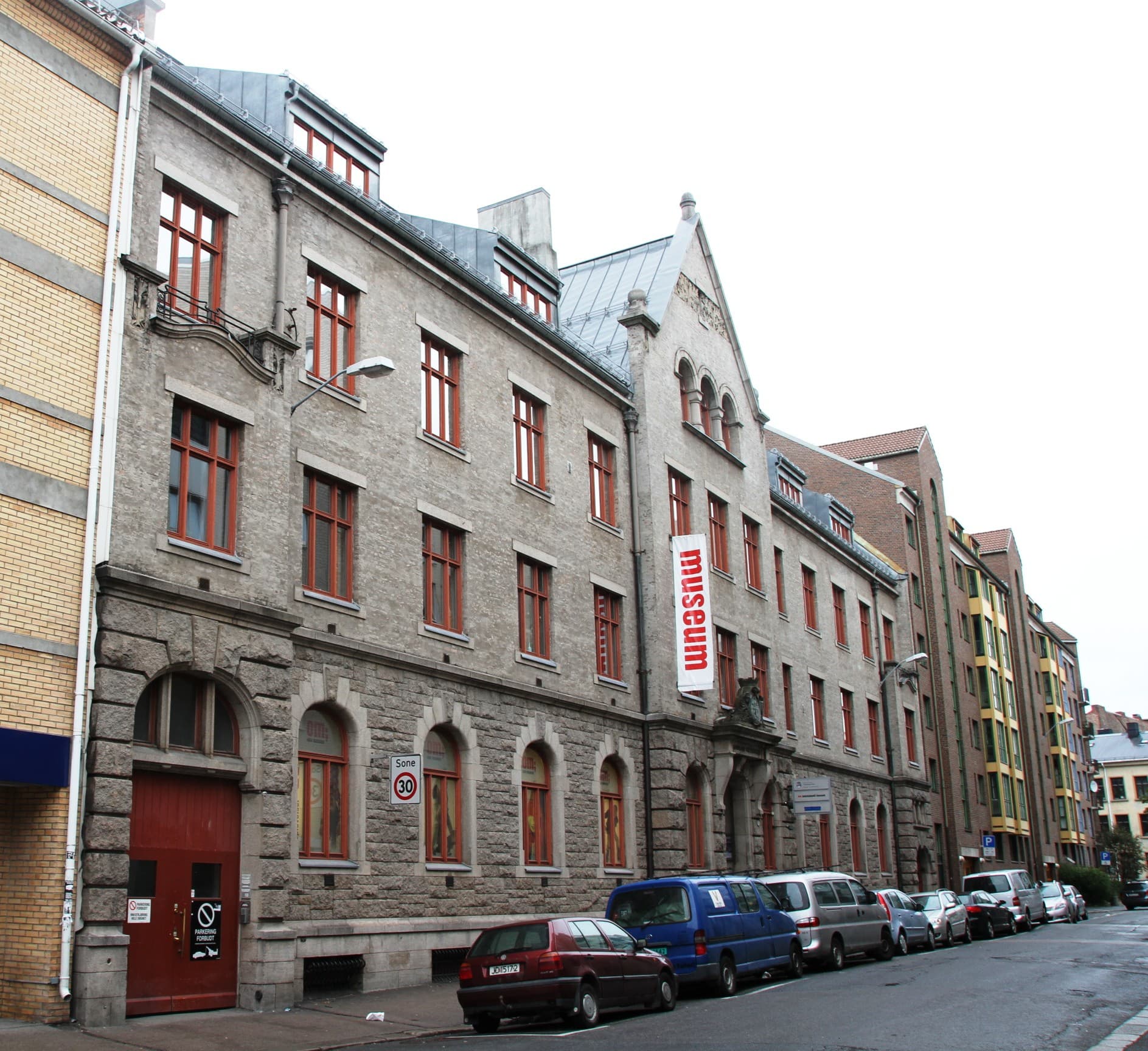 The Intercultural MuseumThe Intercultural Museum stands in Grønland in eastern Oslo, the district where 11 minutes walk4.2
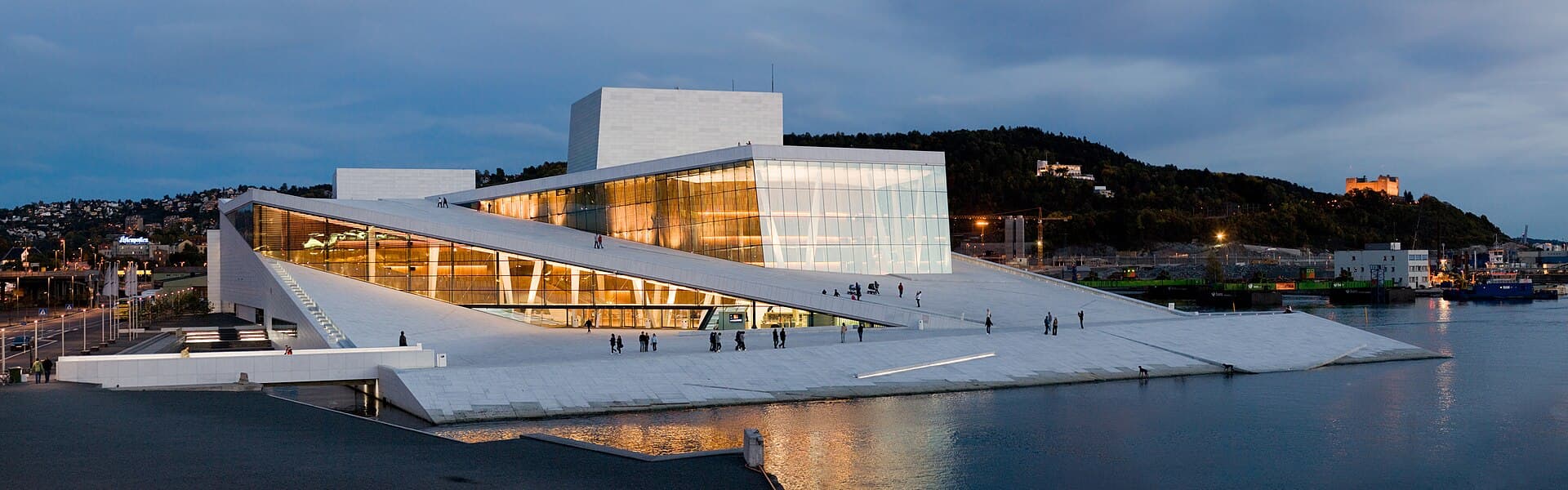 The Oslo Opera HouseOslo's Opera House is the only building on earth designed to be walked on top of11 minutes walk4.6
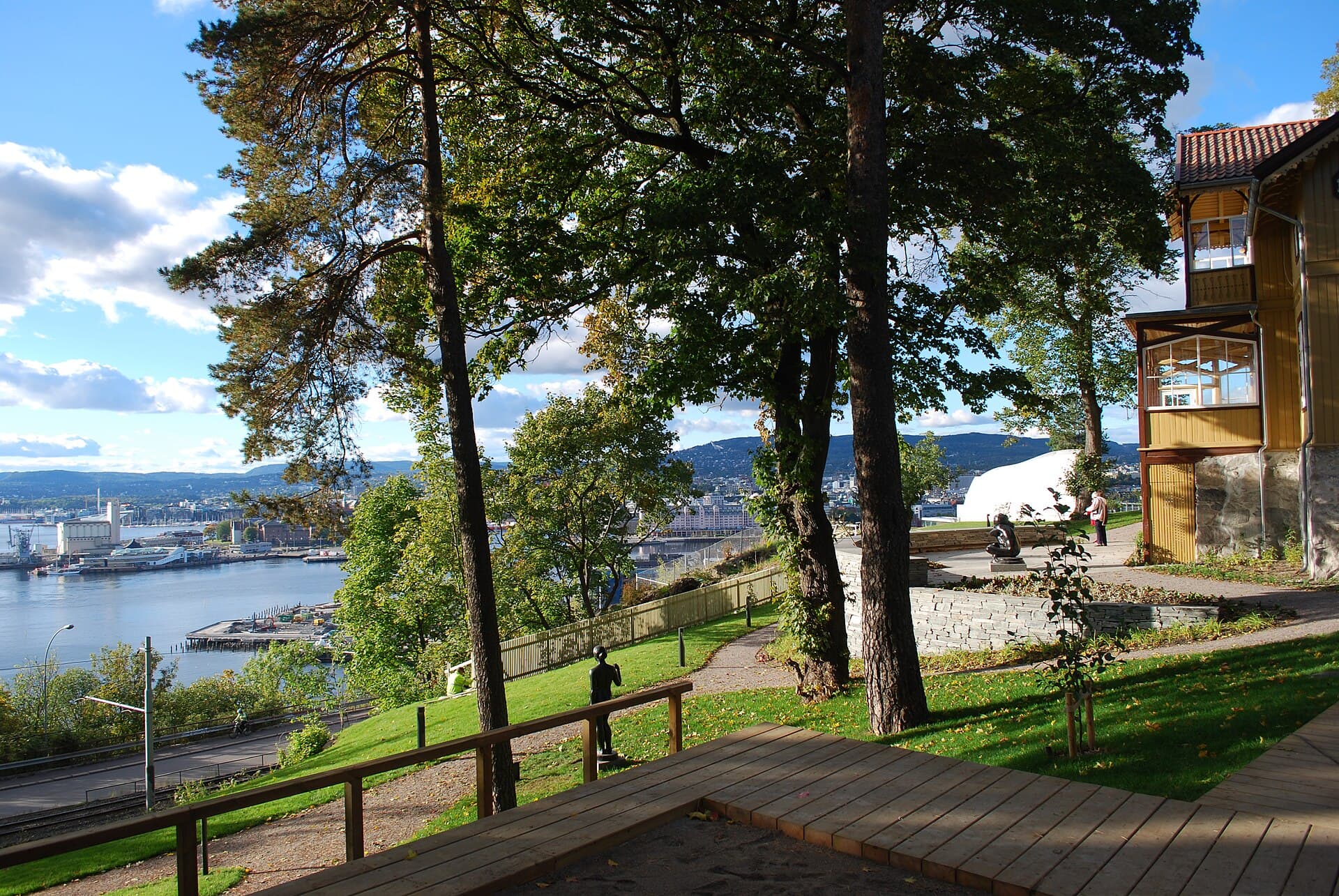 Ekebergparken Sculpture ParkEkebergparken is a sculpture park on a wooded hill south-east of central Oslo, l11 minutes walk4.7
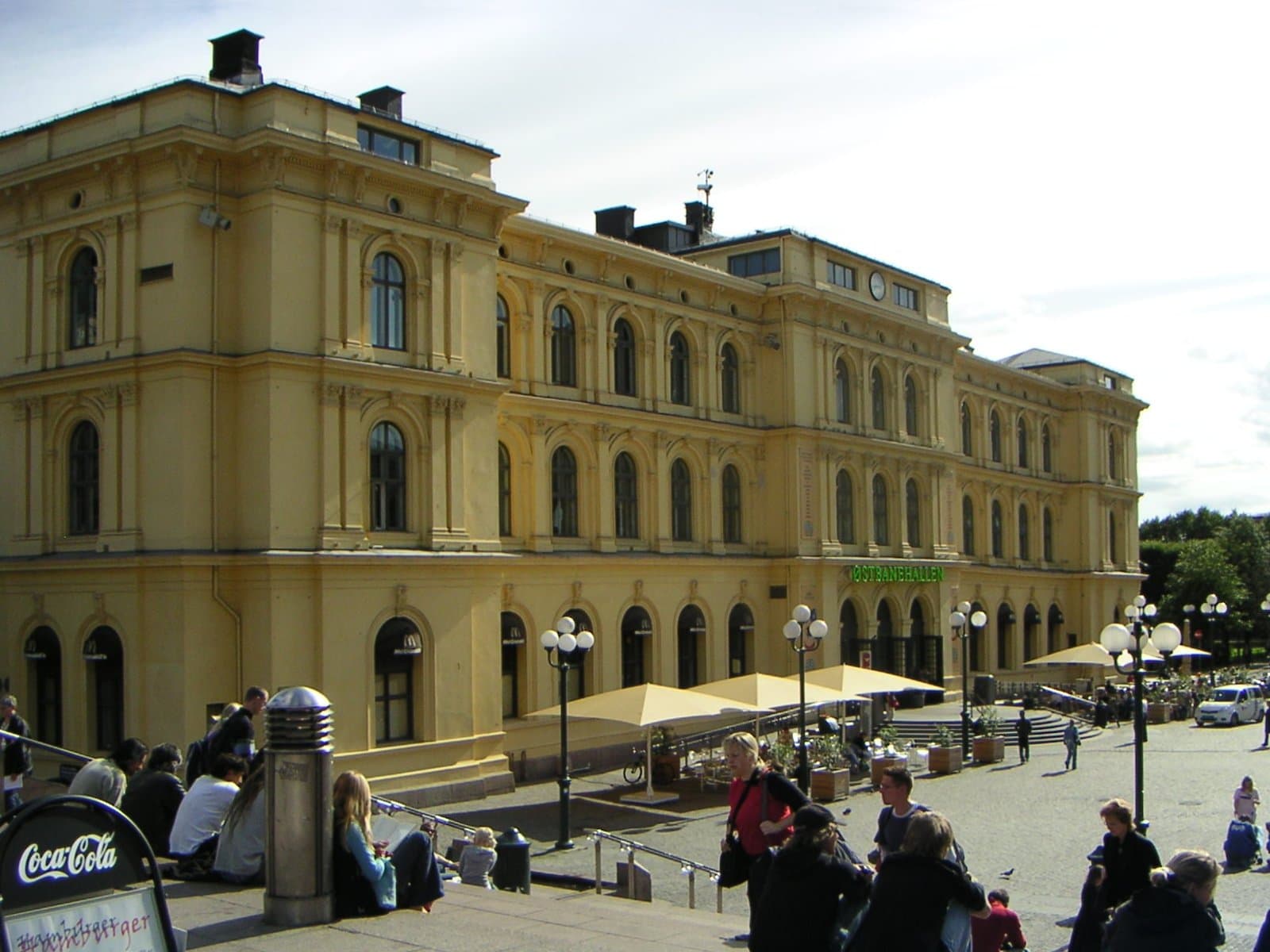 ØstbanehallenØstbanehallen is the original building of Oslo's East Station, opened in 1854 fo14 minutes walk4.0
For two reasons. The first was military: the old site was exposed and far from Akershus Fortress, so moving the city under the fortress guns made it defensible. The second was the fire itself: timber Oslo had burned more than twenty times, and Christian IV wanted a city of wide straight streets and houses of stone and brick rather than wood. It was named Christiania and stayed so until 1925, when it took its original name back. The old district today is called Gamlebyen, the old town — the only name left from six centuries.