
The sloped roof
Marble carrying you from water to summit.
Rafał Konieczny — CC BY-SA 4.0 · kallerna — CC BY-SA 4.0 · kallerna — CC BY-SA 4.0 · Ryan Hodnett — CC BY-SA 4.0
Oslo's Opera House is the only building on earth designed to be walked on top of, not only in front of: white Italian marble sloping straight from Oslo fjord's water up to the roof in a gentle rise — so you climb its surface barefoot in summer or sledding in winter, ticketless and unquestioned, the summit opening a complete panorama of city, fjord and islands. The building (2008, winner of Europe's Mies van der Rohe Award) houses the national opera and ballet — its main hall's acoustics designed for thousands of seats, performances booked ahead, though backstage tours (Norwegian and English) show stages, workshops and costumes without attending a show. In the neighbouring water floats She Lies — a glass ice sculpture that actually melts as sea levels rise over decades, a climate reminder as art — and the surrounding harbour walk links it to the Munch Museum and the whole modern Bjørvika district: a complete city theatre, ticketless.
Marble carrying you from water to summit.
A glass sculpture melting as the sea rises.
Kirsten Flagstads plass 1, 0150 Oslo
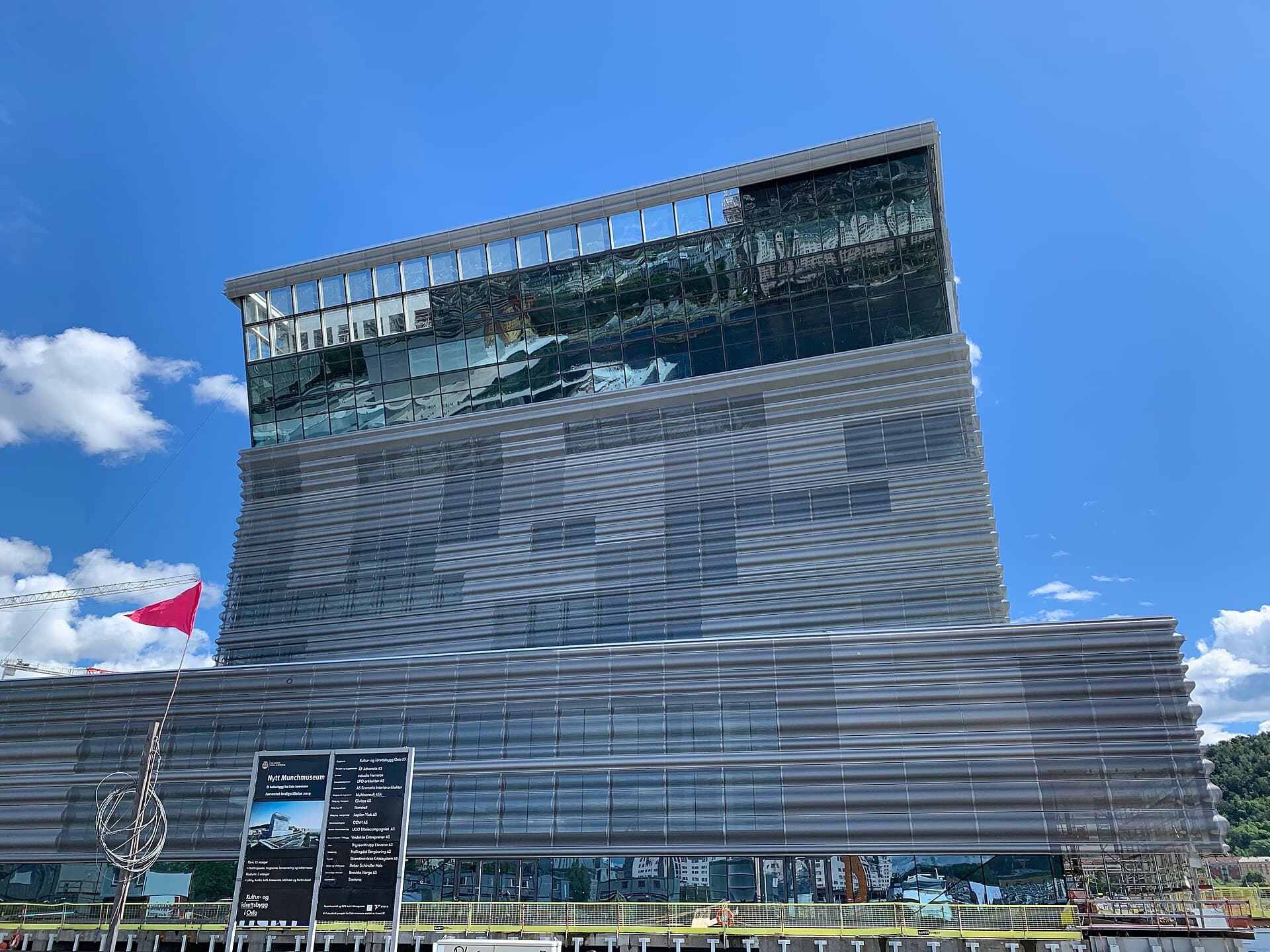 The Munch MuseumThe Munch Museum is the world's largest home of The Scream: a leaning glass towe2 minutes walk4.6
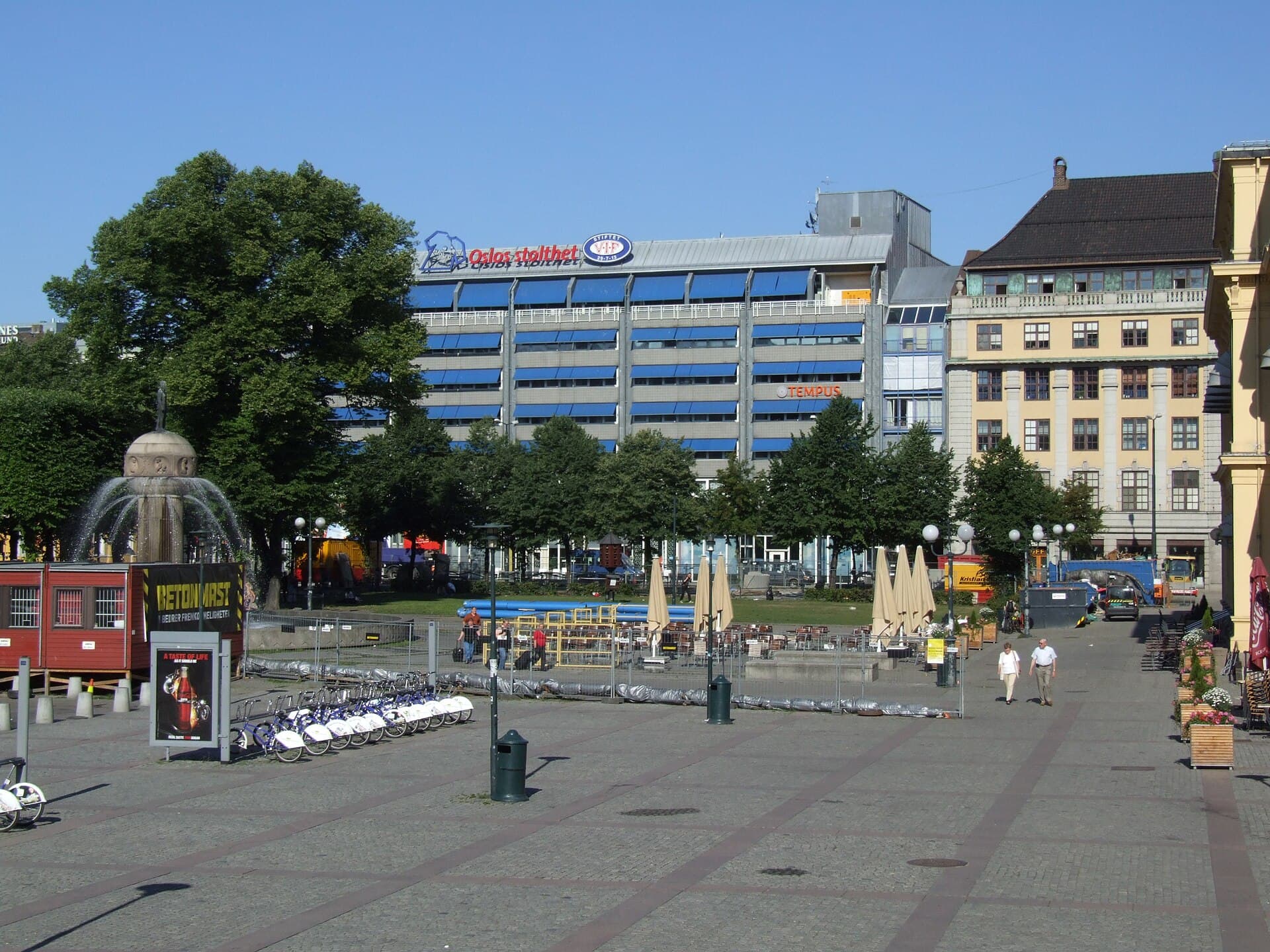 Christian Frederiks plass and the Oslo TigerThe square directly in front of Oslo Central Station carries the sculpture every5 minutes walk4.4
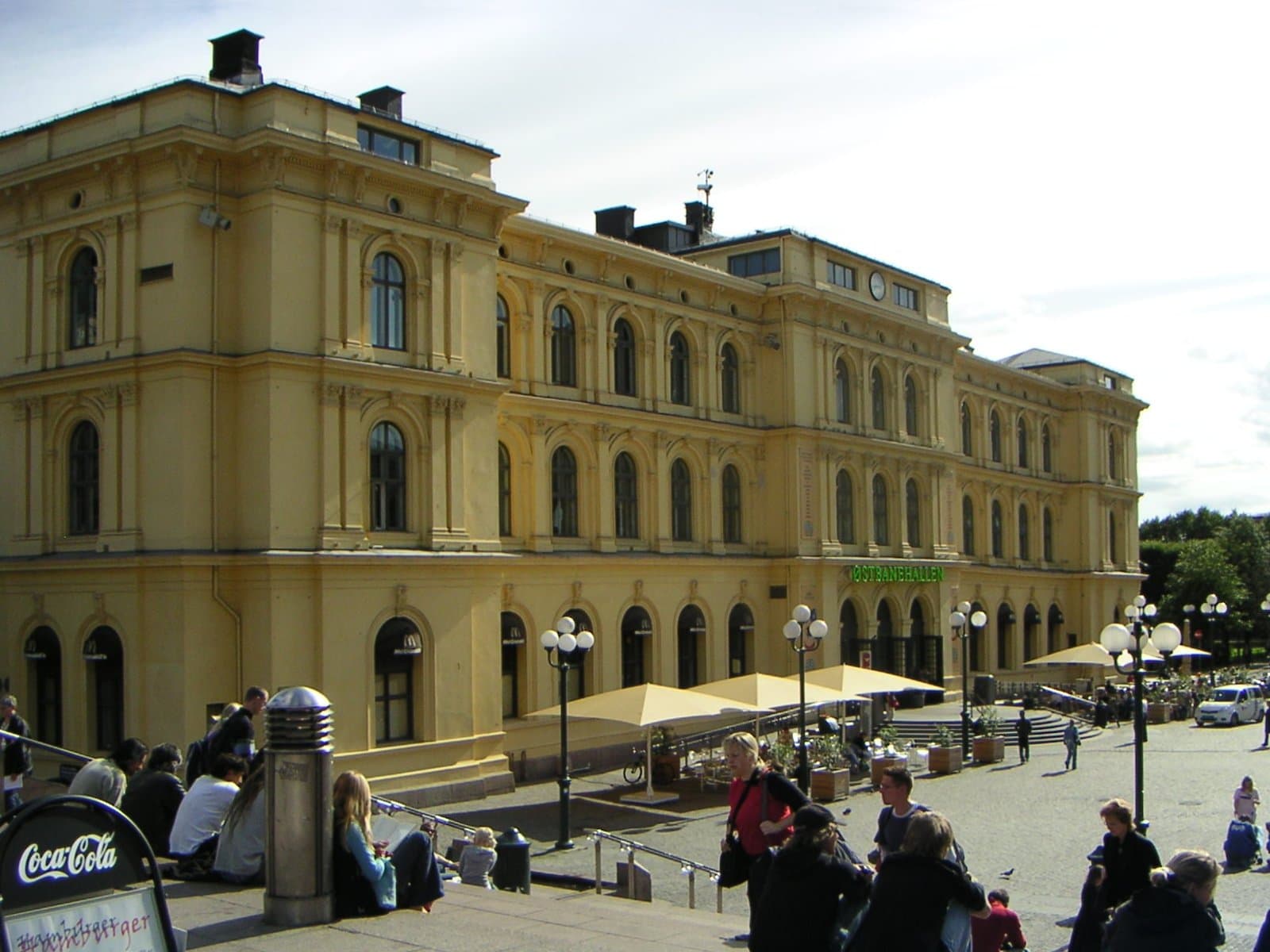 ØstbanehallenØstbanehallen is the original building of Oslo's East Station, opened in 1854 fo5 minutes walk4.0
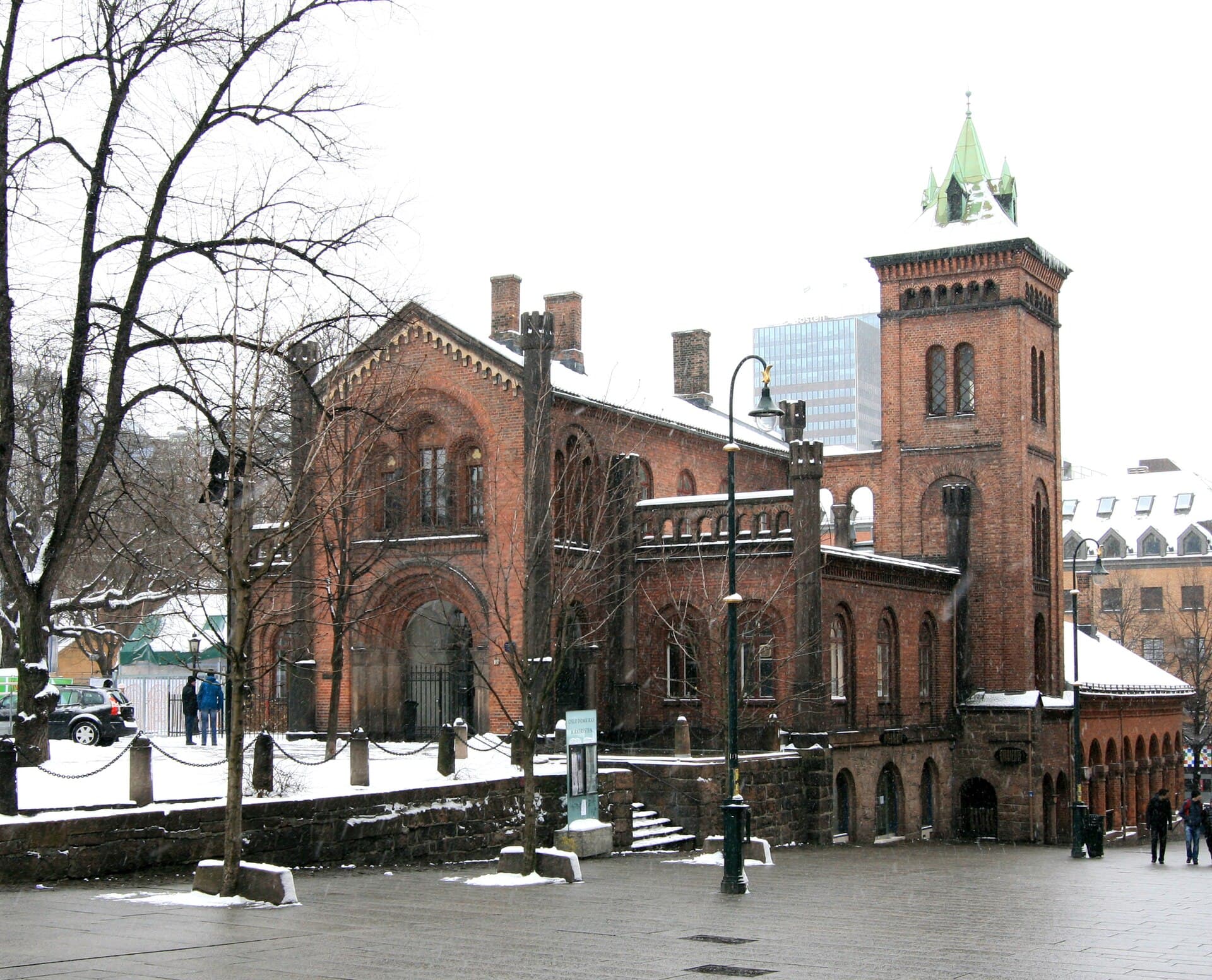 The Old Fire StationA late nineteenth-century fire station building in the Gamlebyen district east o9 minutes walk4.6
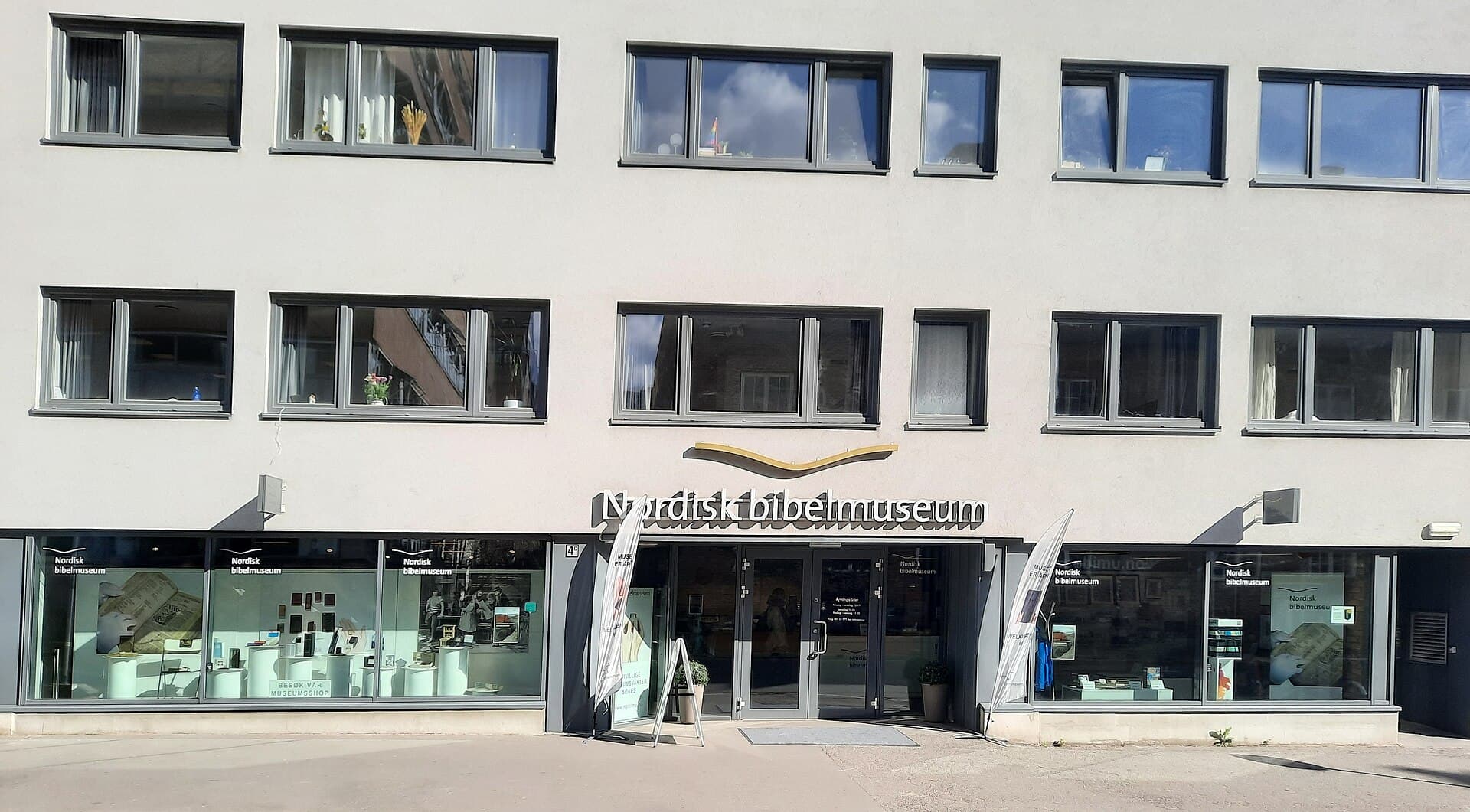 The Nordic Bible MuseumA small museum in central Oslo, opened in 2019, whose collection treats the Bibl10 minutes walk4.9
The design (Norwegian firm Snøhetta) intended the roof as a public terrace from day one — no late exception: the marble is engineered for thousands of daily feet, the slope calculated for safety, not mere ornament. The idea is openly stated: the opera belongs to the people, touched literally, not merely watched from afar.