
The recorded testimony
The people whose stories they are, telling them.
Bjoertvedt — CC BY-SA 3.0 no · Unknown authorUnknown author — CC0 · PaulVIF — CC BY-SA 3.0 · Bjoertvedt — CC BY-SA 3.0 no
The Intercultural Museum stands in Grønland in eastern Oslo, the district where most of the city's immigrants have settled since the 1970s — so the museum sits inside its subject rather than describing it from outside. It occupies a former police station, and presents Norway's story as a country of immigration: who came, when and why, and how they were received. The displays rest on objects and personal testimony — a suitcase, a residence document, a family photograph, a recording of someone describing their first winter — more than on statistics. For an Arab visitor it is of particular interest: Oslo has large Pakistani, Turkish, Moroccan, Somali and Iraqi communities, and their stories are presented here in their own voices. Labelling is in Norwegian and English. **Entry is usually free**, and the Grønland streets around it hold a great many Middle Eastern and Pakistani restaurants and halal shops.
The people whose stories they are, telling them.
Restaurants and halal shops all around it.
Tøyenbekken 5A, Grønland, 0187 Oslo
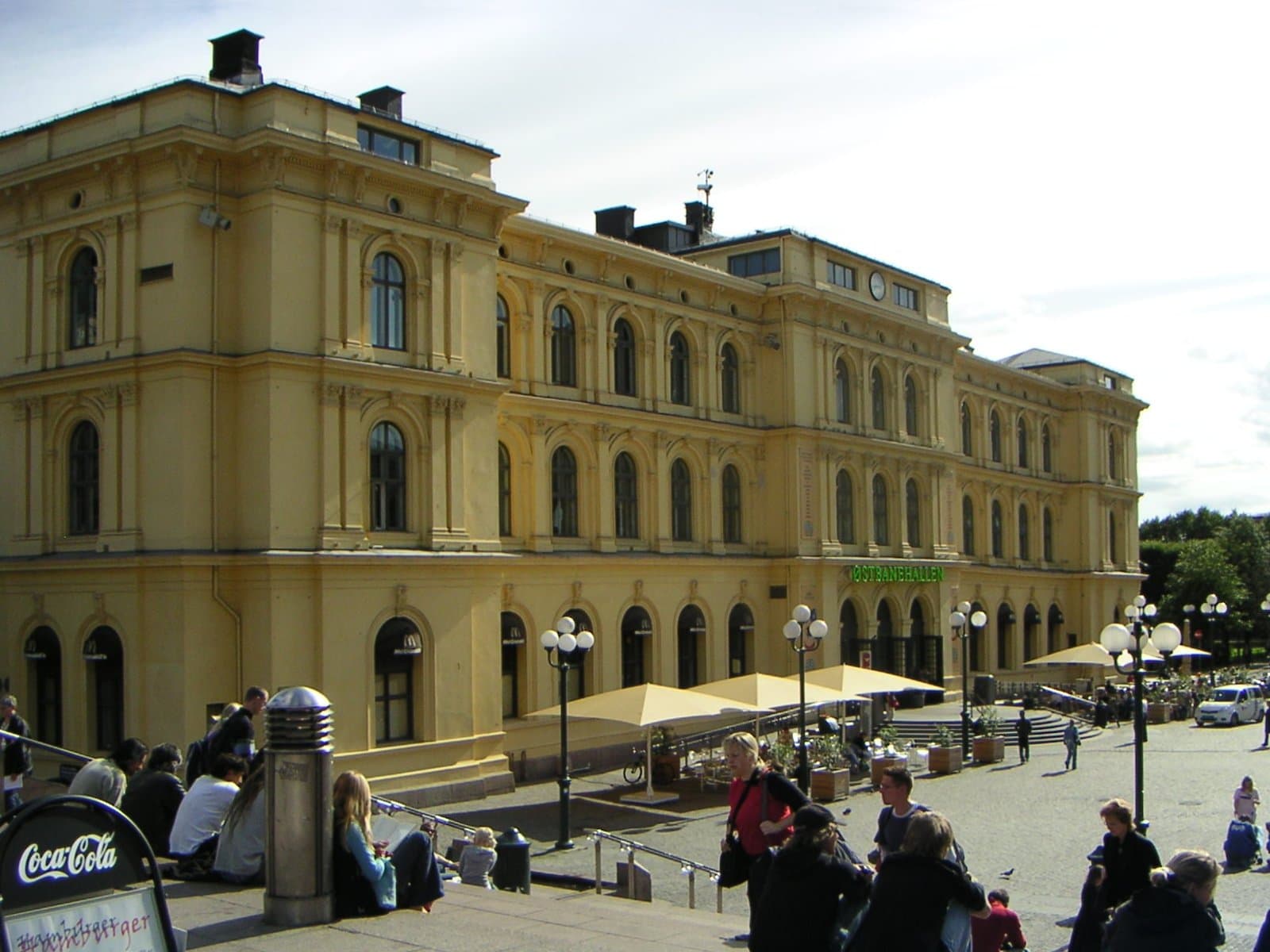 ØstbanehallenØstbanehallen is the original building of Oslo's East Station, opened in 1854 fo9 minutes walk4.0
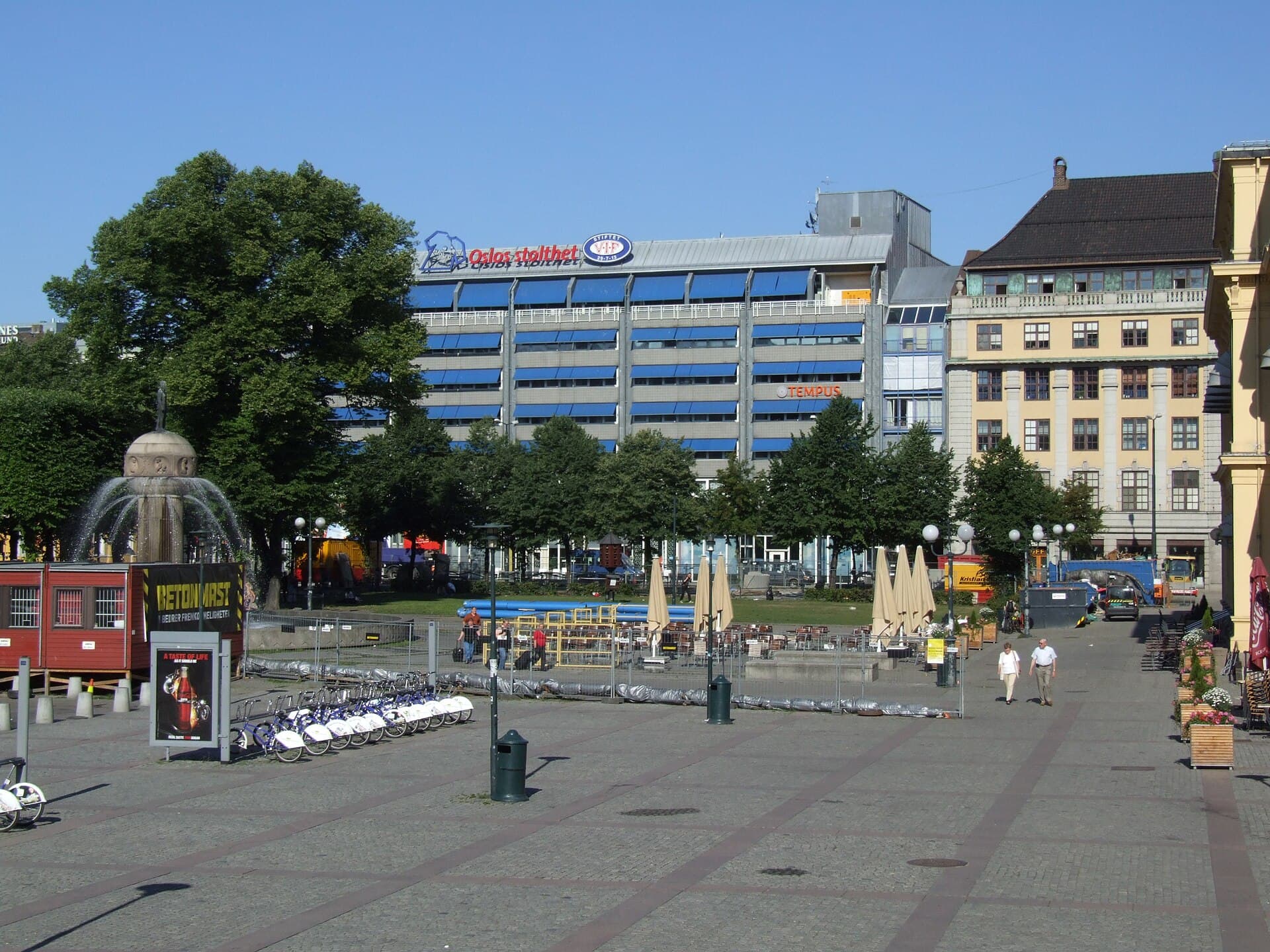 Christian Frederiks plass and the Oslo TigerThe square directly in front of Oslo Central Station carries the sculpture every10 minutes walk4.4
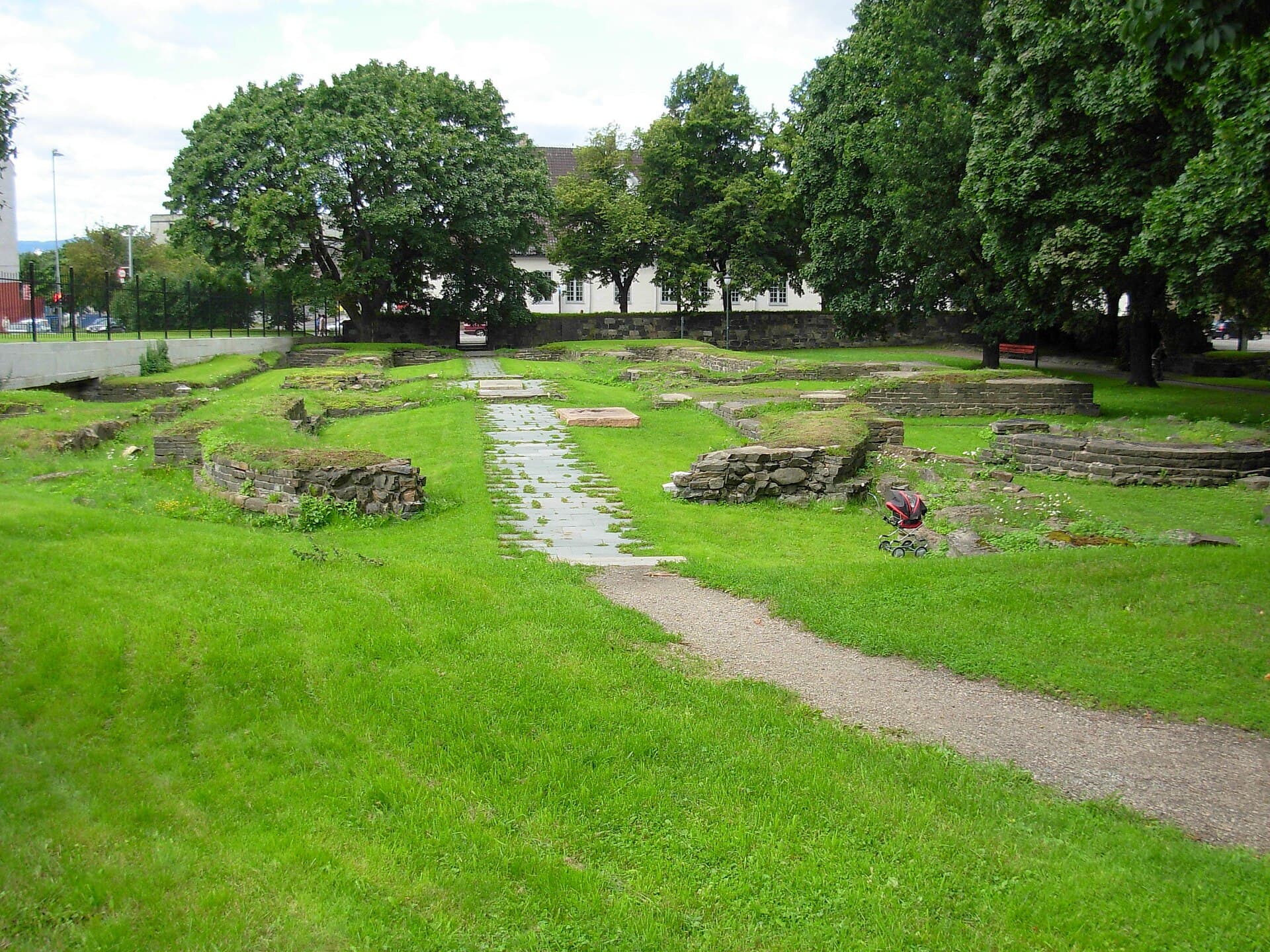 The Medieval Ruins of OsloFew visitors to Oslo know that the present city is not on its original site. Med11 minutes walk4.2
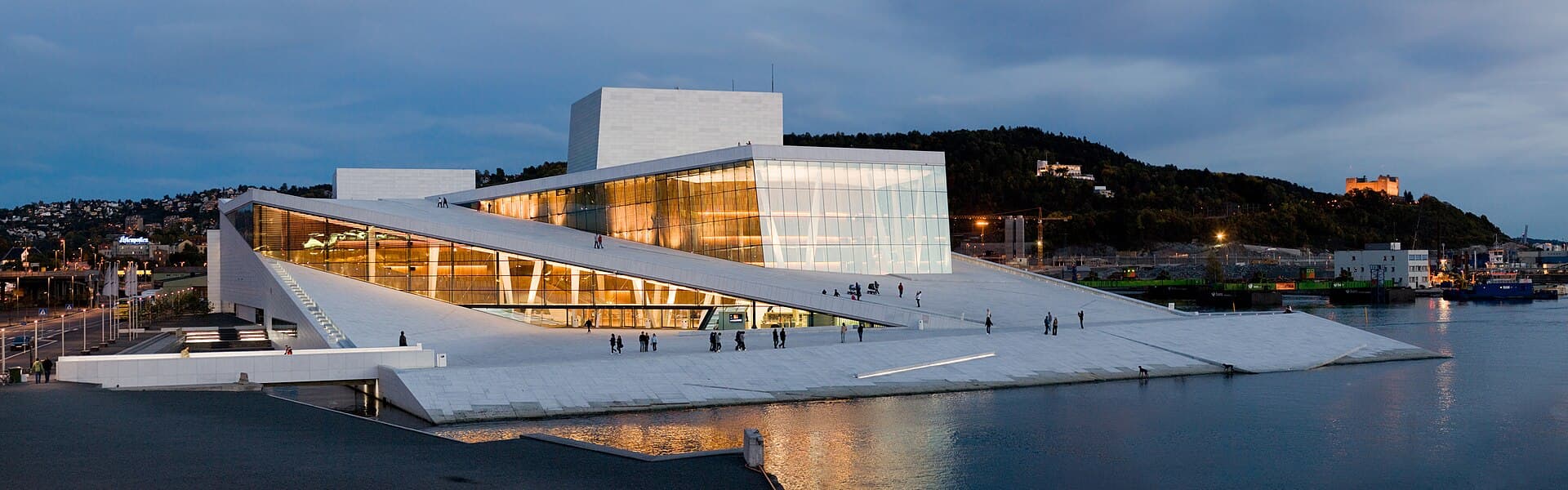 The Oslo Opera HouseOslo's Opera House is the only building on earth designed to be walked on top of11 minutes walk4.6
 The Old Fire StationA late nineteenth-century fire station building in the Gamlebyen district east o12 minutes walk4.6
Grønland is the direct answer: the district around this museum and the Grønland metro station holds dozens of Pakistani, Turkish, Somali and Arab restaurants, halal butchers and Middle Eastern grocers, and it is clearly cheaper than the centre. The Grønland Basar market hall is a good starting point. Outside this district the choice is thinner but real, in Tøyen and Furuset. In ordinary Norwegian restaurants, always ask about meat stock and about alcohol in the sauces.