
The marble arrivals hall
A cavernous white-marble room under a soaring vault that makes the passengers moving through it look comically small.
Ludvig14 — CC BY-SA 4.0 · Marco Del Torchio 95 — CC0 · Agence de presse Meurisse. Agence photographique (commanditaire) — Public domain · Unknown authorUnknown author or not provided — Public domain
Milano Centrale was not built to be a station. It was built to make a statement. The stone facade runs roughly 200 metres wide, the marble hall behind it opens into a vault built to swallow a crowd whole, and every surface in between is loaded with carvings, garlands and winged horses until you forget you are standing in front of a train platform. Ulisse Stacchini won the design competition back in 1912, then the First World War and Italy's economic troubles stalled construction for years, until the Fascist government adopted the project and pushed it through as a shop window for the power of the new Italy. It finally opened on 1 July 1931. That broken timeline is legible in the building itself: a start shaped by Liberty and Art Deco ornament, then a heavy monumental severity that makes no secret of its purpose. The irony is that the best part is not the facade but what sits behind it — five vaulted steel-and-glass sheds arching over the platforms like the ribs of an enormous skeleton, the central one leaping 72 metres from side to side and standing some 33 metres above your head. The practical tip is simple: walk up to platform level and then turn around and look back at the marble hall. From there the true scale of the place declares itself, and from there you get the photograph worth taking. Beneath all this architecture lies Platform 21. Between 1943 and 1945, convoys left this lower level carrying hundreds of Italian Jews to Auschwitz and other camps. The site sat forgotten for decades, was taken up as a memorial project in the 2000s, and opened in 2013 as Milan's Shoah Memorial. A single word is carved into the wall that greets you at the entrance: Indifference. The visit is quiet, heavy and worth a full hour if you want it — and it has its own ticket and its own hours, entirely separate from the station. Practically: walking through the station costs nothing, needs no ticket and involves no queue, and twenty to forty minutes is genuinely enough unless you go down to the memorial. It is easy with children and pushchairs thanks to the lifts and escalators, there are restaurants, cafes, shops and a left-luggage office, and the Malpensa Express to the airport leaves from here. Like any busy major terminus, keep an eye on your bag and wallet in the forecourt and around the metro entrances, especially at rush hour.
A cavernous white-marble room under a soaring vault that makes the passengers moving through it look comically small.
Five huge metal arches cover the platforms, and the station's best view comes from standing under them and looking back.
The lower level from which deportation convoys departed between 1943 and 1945, now a silent and genuinely moving memorial.
Piazza Duca d'Aosta 1, 20124 Milan, Italy
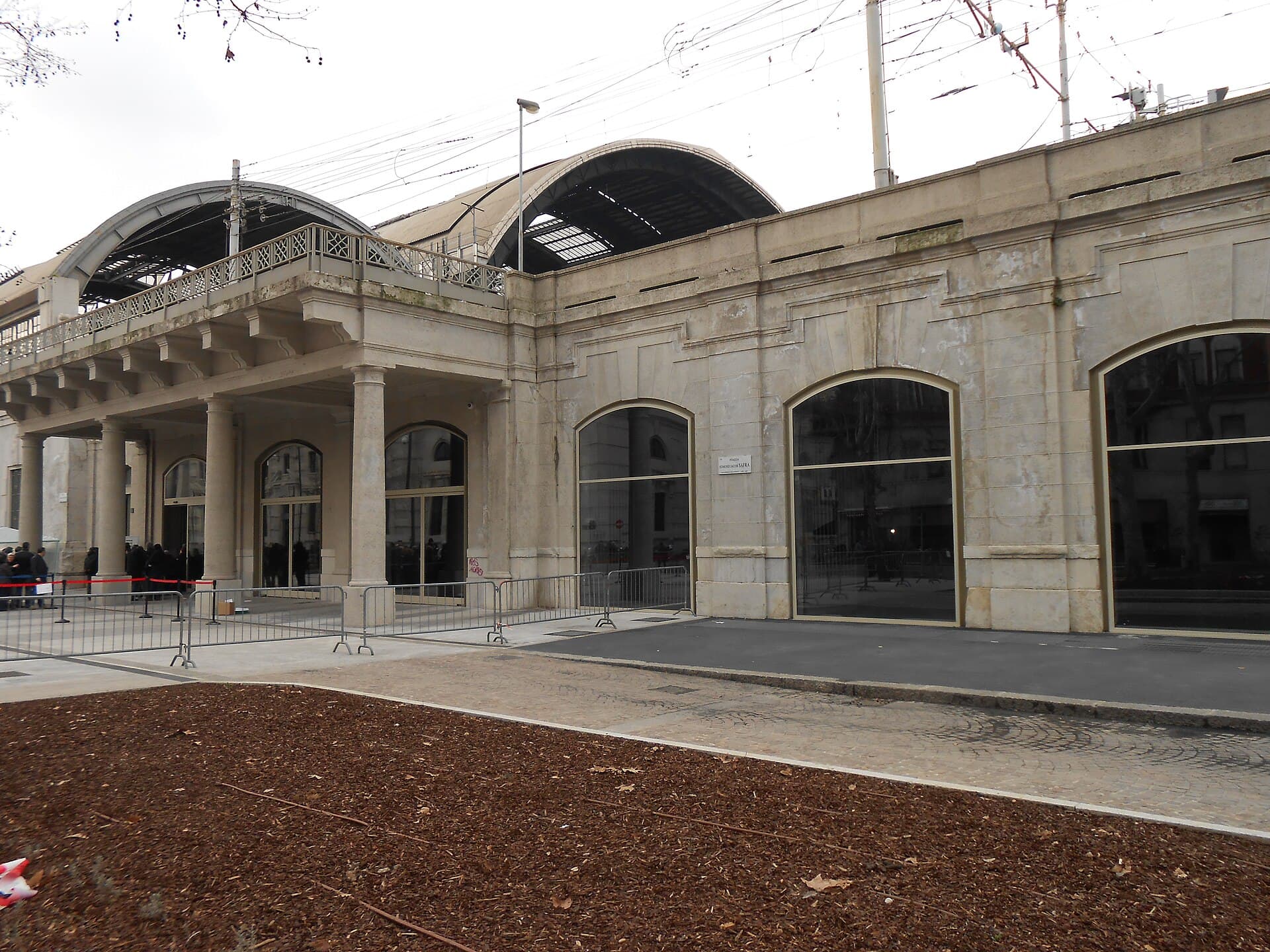 Shoah Memorial of Milan (Binario 21)Beneath the platforms of Milano Centrale, where today's trains pull out for the 5 minutes walk4.6
 Museum of Illusions MilanIn one room here you and your companion stand at either end of the same wall, an6 minutes walk4.3
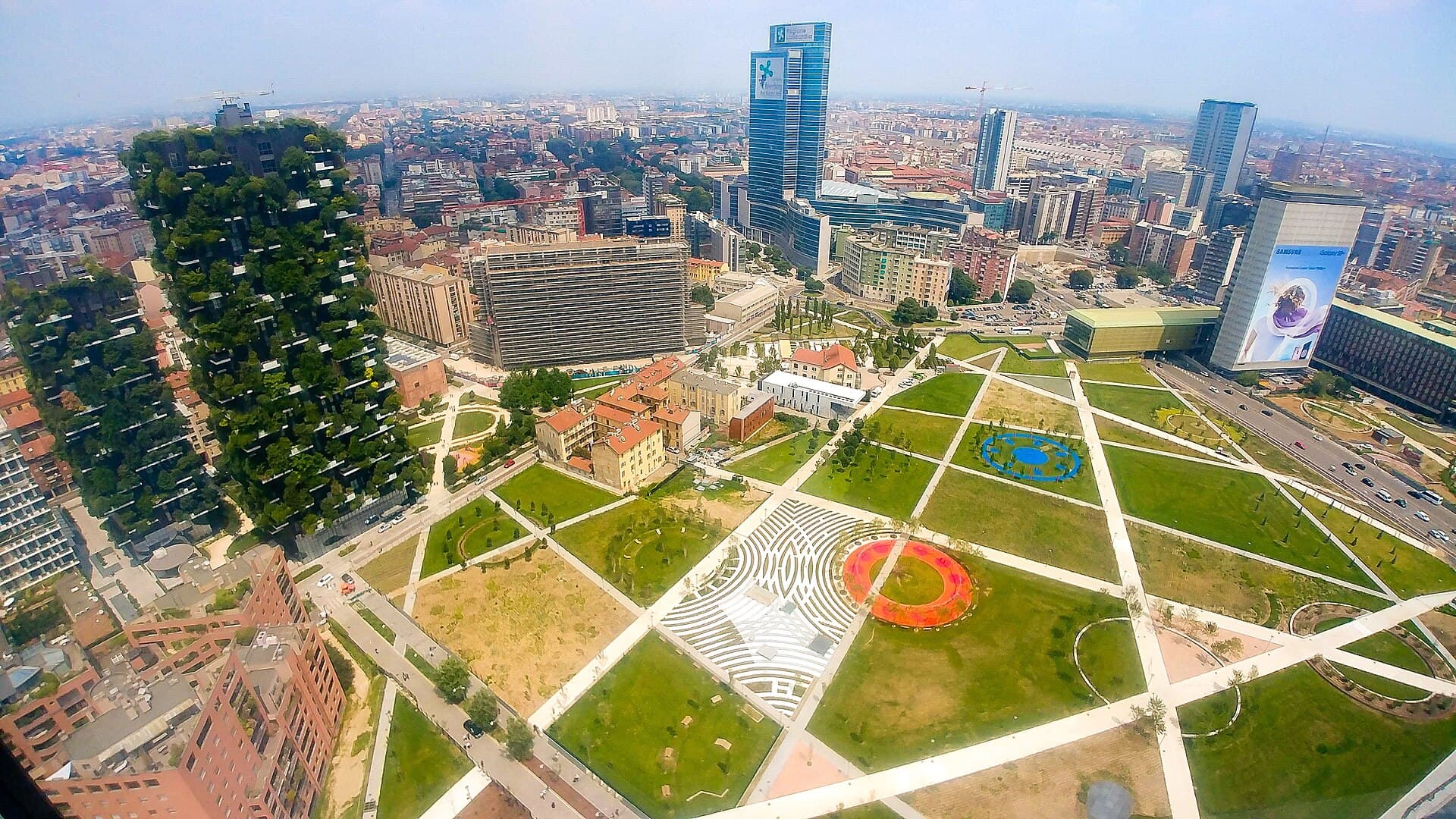 Biblioteca degli AlberiA contemporary public park in the Porta Nuova district north of central Milan, o11 minutes walk4.5
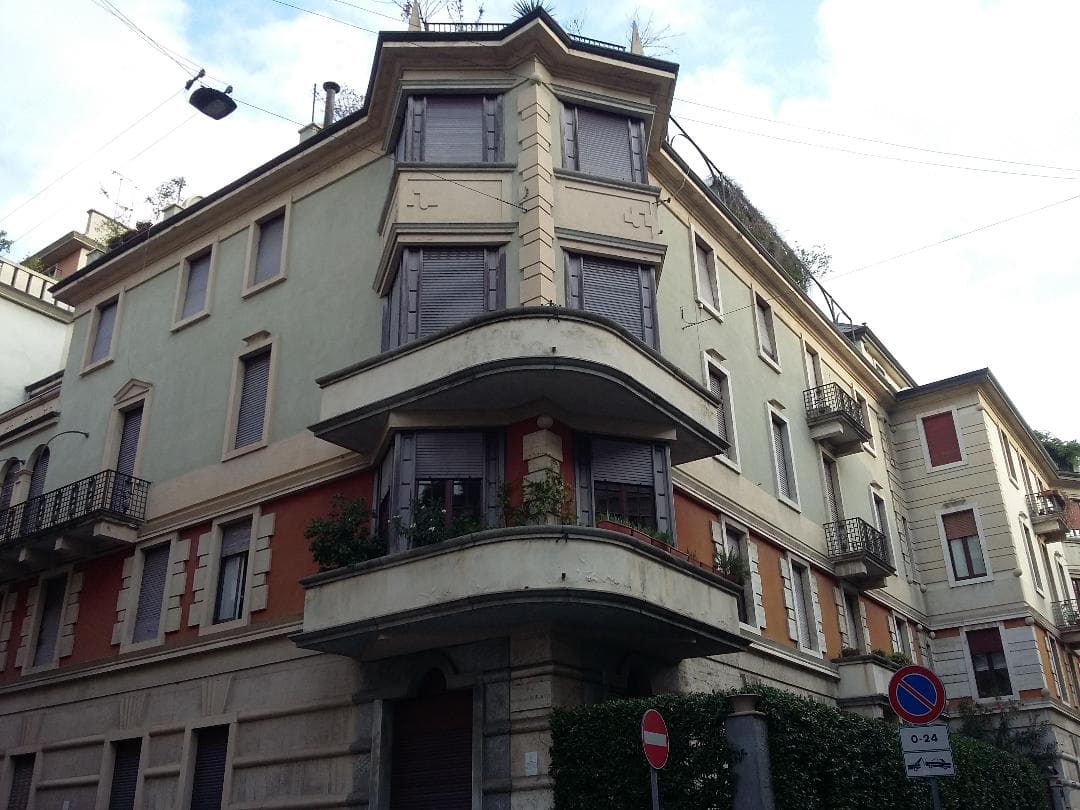 Casa Museo Boschi Di StefanoAn apartment in a 1930s residential block east of central Milan, turned into a m12 minutes walk4.8
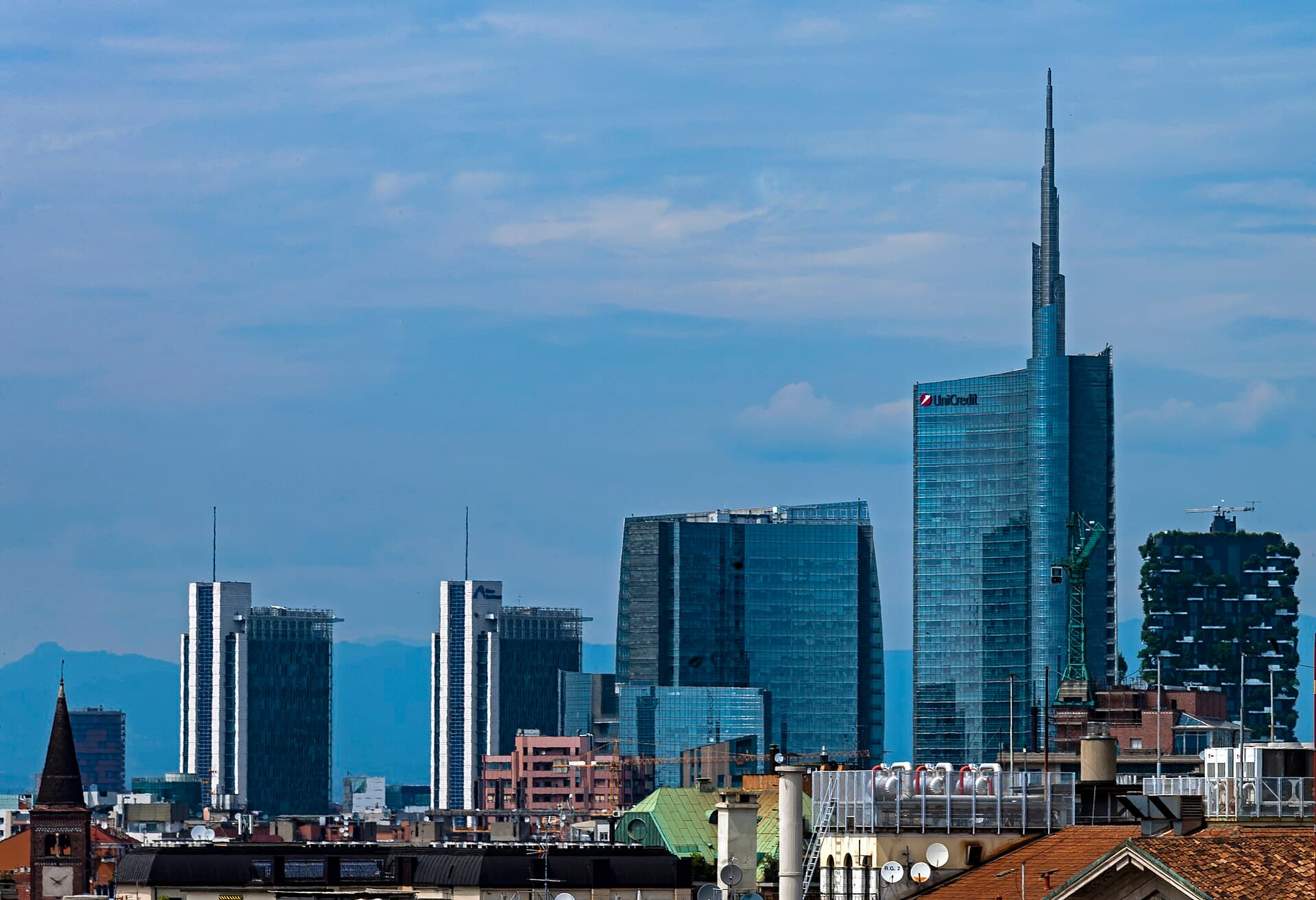 Bosco Verticale (Vertical Forest)Eight hundred full-grown trees live suspended in mid-air here, some of them a hu13 minutes walk4.6
Yes, but as a short stop rather than a headline item on your day. Twenty to thirty minutes covers it: the facade, the marble hall, then the view down the platforms from above. It is also a short walk from the Porta Nuova district and Piazza Gae Aulenti, so the smart move is to fold it into a walk around there rather than crossing the city for it alone.
Honestly, no for under-tens or under-twelves. It is dark, heavy and unflinching, and there is nothing interactive to hold a small child's attention. The station above is excellent for families, free and easy with lifts; save the memorial for a visit where the parents take turns, or for a day without the children.