
The Fontana room
A whole room of Lucio Fontana inside a residential flat.
Lauraderiu — CC BY-SA 4.0 · Inesanna — CC BY-SA 4.0 · Inesanna — CC BY-SA 4.0 · Inesanna — CC BY-SA 4.0
An apartment in a 1930s residential block east of central Milan, turned into a museum showing the collection of twentieth-century Italian art assembled by Antonio Boschi and his wife Marieda Di Stefano. The couple gathered more than two thousand works over their lifetimes and then gave the collection to the city. What you see in the apartment is part of it, hung densely on the walls — picture above picture as it was in their home, rather than spaced as in museum galleries. That is what distinguishes the visit: you are in the home of people who lived among these paintings rather than in an institution. The original furniture stands where it stood and the rooms keep their arrangement. The collection is genuinely strong: work by the leading names of twentieth-century Italian art, among them Lucio Fontana, Giorgio de Chirico and Mario Sironi, with a whole room given to Fontana. Entry is entirely free, which is exceptional for a collection of this value. The museum is small and an hour covers it, with limited hours and a weekly closing day.
A whole room of Lucio Fontana inside a residential flat.
Picture above picture as in their home — not spaced like gallery walls.
The original furniture and room arrangement as its owners left them.
Via Giorgio Jan, east of central Milan
 Museum of Illusions MilanIn one room here you and your companion stand at either end of the same wall, an7 minutes walk4.3
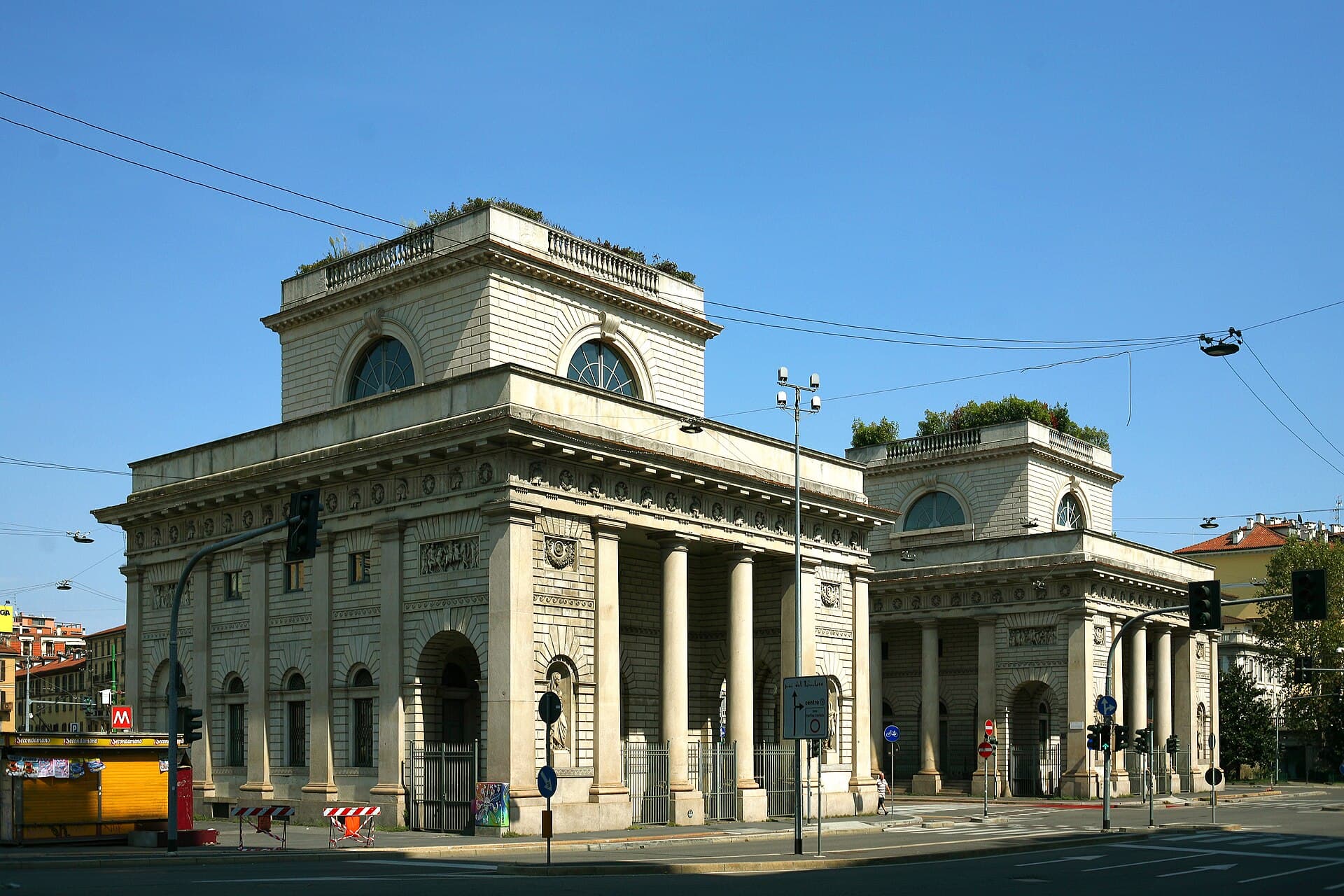 Porta VeneziaAn early nineteenth-century city gate east of central Milan, two facing classica9 minutes walk4.3
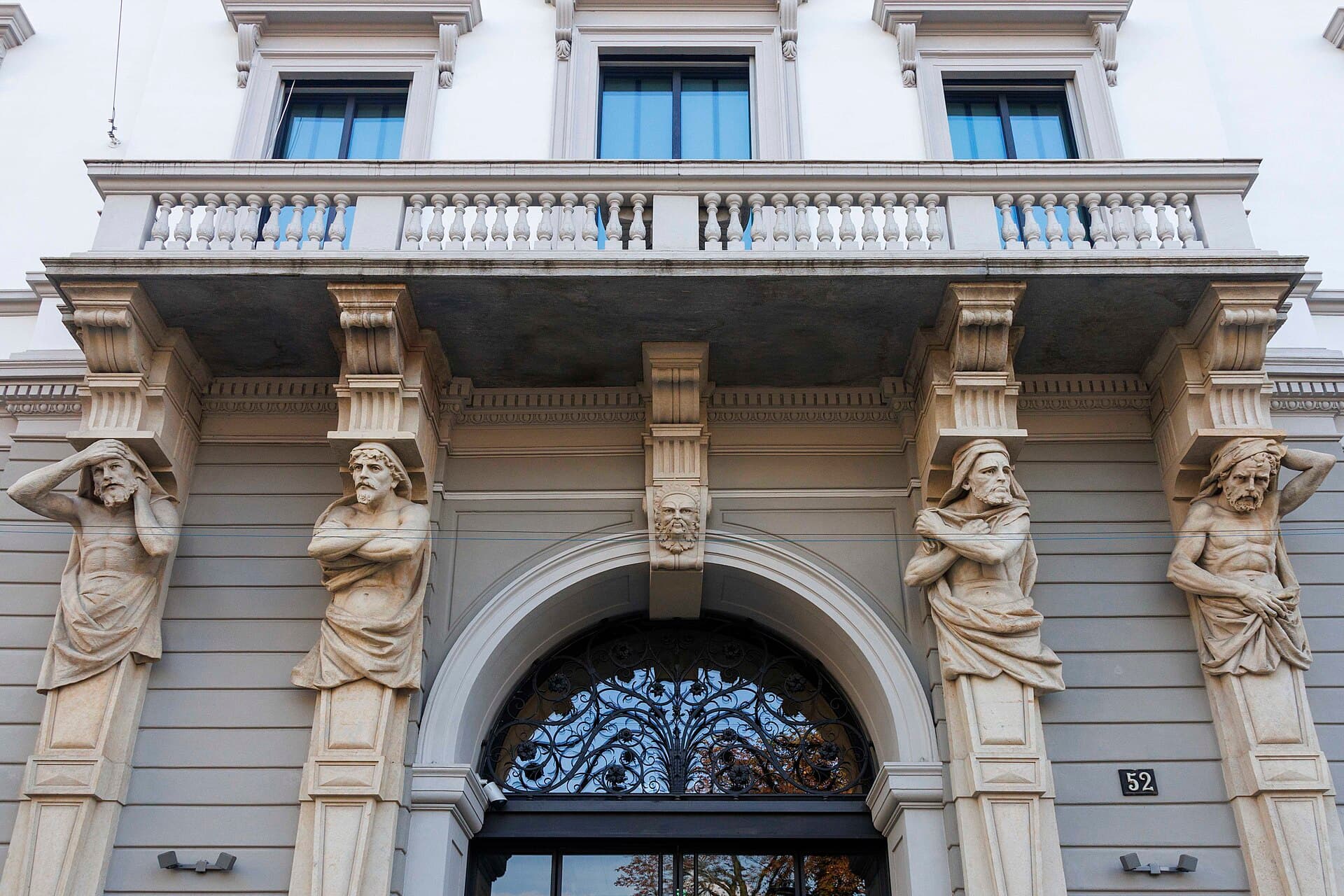 Fondazione Luigi RovatiWalk down a short flight of stairs below Corso Venezia and Milan vanishes above 10 minutes walk4.8
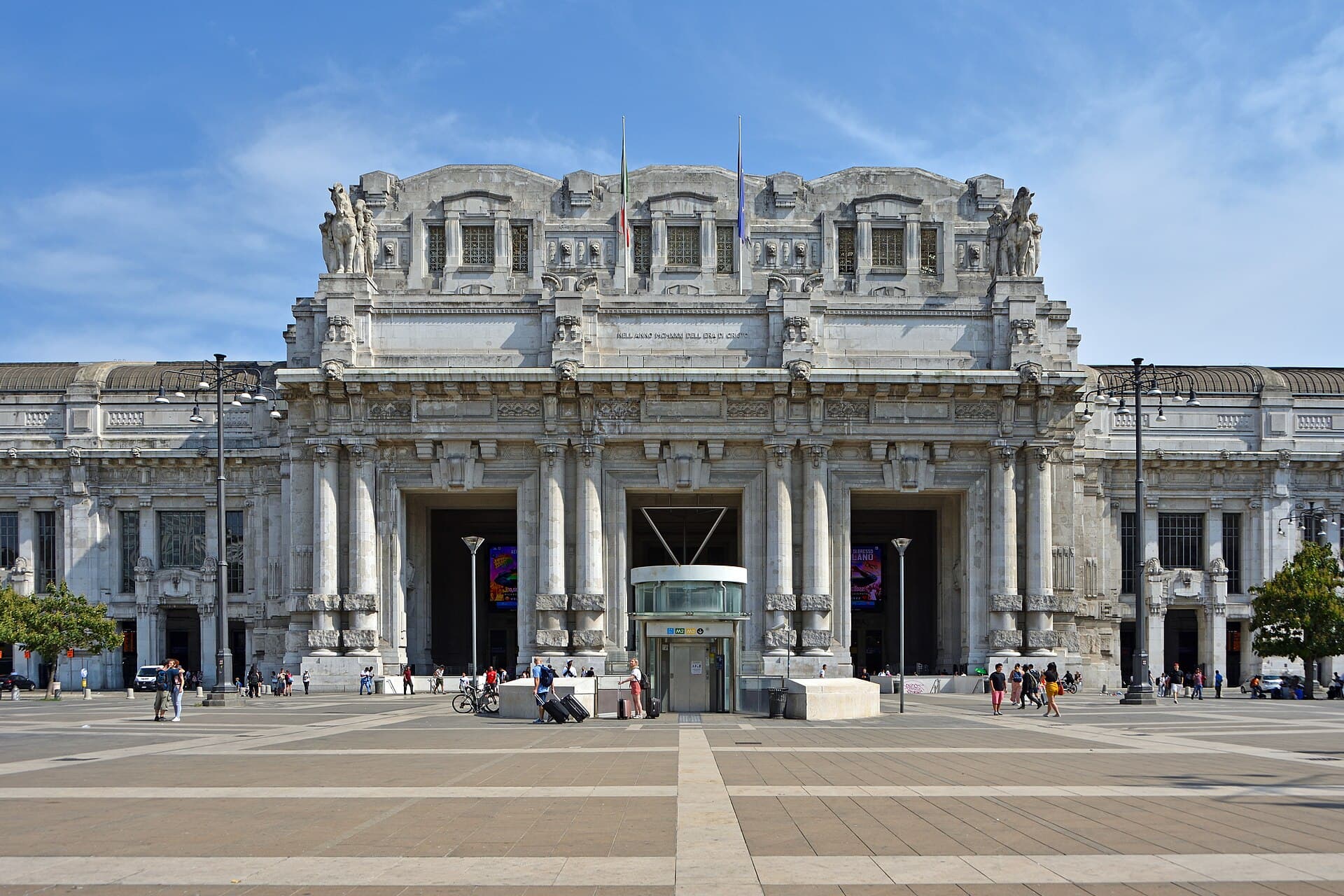 Milano Centrale StationMilano Centrale was not built to be a station. It was built to make a statement.12 minutes walk4.1
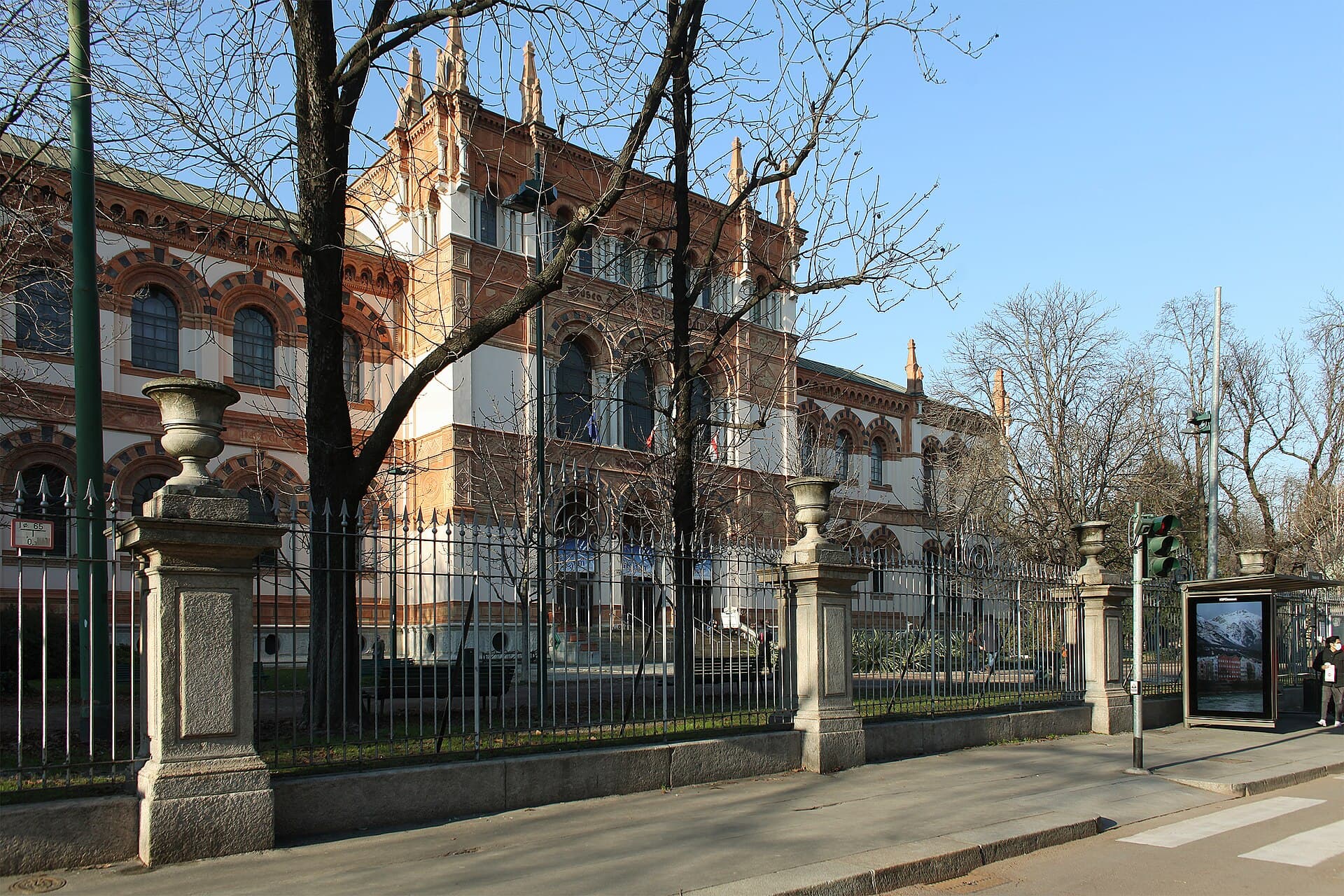 Milan Natural History MuseumIn 1943 a bomb fell on this building and the fire that followed burned for three12 minutes walk4.6
Yes — it is free and lies east of the centre a metro stop or two away, and the collection is stronger than the size of the place suggests. If twentieth-century Italian art interests you this is among the best things in Milan, and it costs nothing.
The Museo del Novecento is a large institution on the Duomo square presenting the Italian twentieth century in historical order, with a ticket. This is a private home with a personal collection, and free. The two complement each other: one gives you the official narrative, the other the taste of two individual collectors.