
One word at the door
INDIFFERENZA — indifference — is carved across the entrance wall in outsized letters, and it is the hardest and truest thing here.
Fcarbonara — CC BY-SA 3.0 · Dario Crespi — CC BY-SA 4.0 · Dario Crespi — CC BY-SA 4.0 · Kaitu — CC0
Beneath the platforms of Milano Centrale, where today's trains pull out for the lakes and Venice, there is a platform that was never built for people. It was a service track for mail wagons, which were hoisted whole by enormous freight lifts up to the rails above. Between December 1943 and January 1945 that same platform was used to load Jews and political prisoners into sealed goods wagons, which were then lifted and coupled to trains bound for Auschwitz, Bergen-Belsen, Mauthausen and the transit camps at Fossoli and Bolzano. All of it happened a few metres below a crowded passenger concourse where nobody heard anything, and nobody asked. The numbers need no commentary. The transport of 30 January 1944 alone carried roughly six hundred people; about twenty came back. Among them was a thirteen-year-old girl named Liliana Segre, who would become the most famous witness to this place and campaigned harder than anyone to have it turned into a memorial rather than buried under a station expansion. It opened to the public on 27 January 2013, and the architects left the concrete raw, the rails where they were, and the station roof roaring overhead with trains that do not stop. At the entrance a single word is cut into the stone in outsized letters: INDIFFERENZA, indifference. It is the key to the whole place. This memorial is less about the men who gave the orders than about everyone who saw and said nothing. Inside, four goods wagons of the period stand on the tracks and you can climb into one and stand where they stood. Then comes the Wall of Names, and the Place of Reflection: a silent conical room built for sitting in without speaking. No loud screens, no effects, and far more powerful for it. Practically: the entrance is not inside the station concourse but on its eastern flank at Piazza Edmond J. Safra, five minutes on foot from the main platforms, and plenty of people walk straight past it. A self-guided visit runs an hour to ninety minutes, and being underground it is cool and welcome in the depths of a Milanese summer. Cafés and restaurants are all around the station, minutes away. It is a short visit, but the kind that stays with you for the rest of the trip, so don't wedge it between two appointments.
INDIFFERENZA — indifference — is carved across the entrance wall in outsized letters, and it is the hardest and truest thing here.
Four period goods wagons stand on the original rails, and you can step up into one of them.
The deportees' names run along one long wall, then a silent conical room built for sitting without words or screens.
Piazza Edmond J. Safra 1, Milan (beside Milano Centrale station)
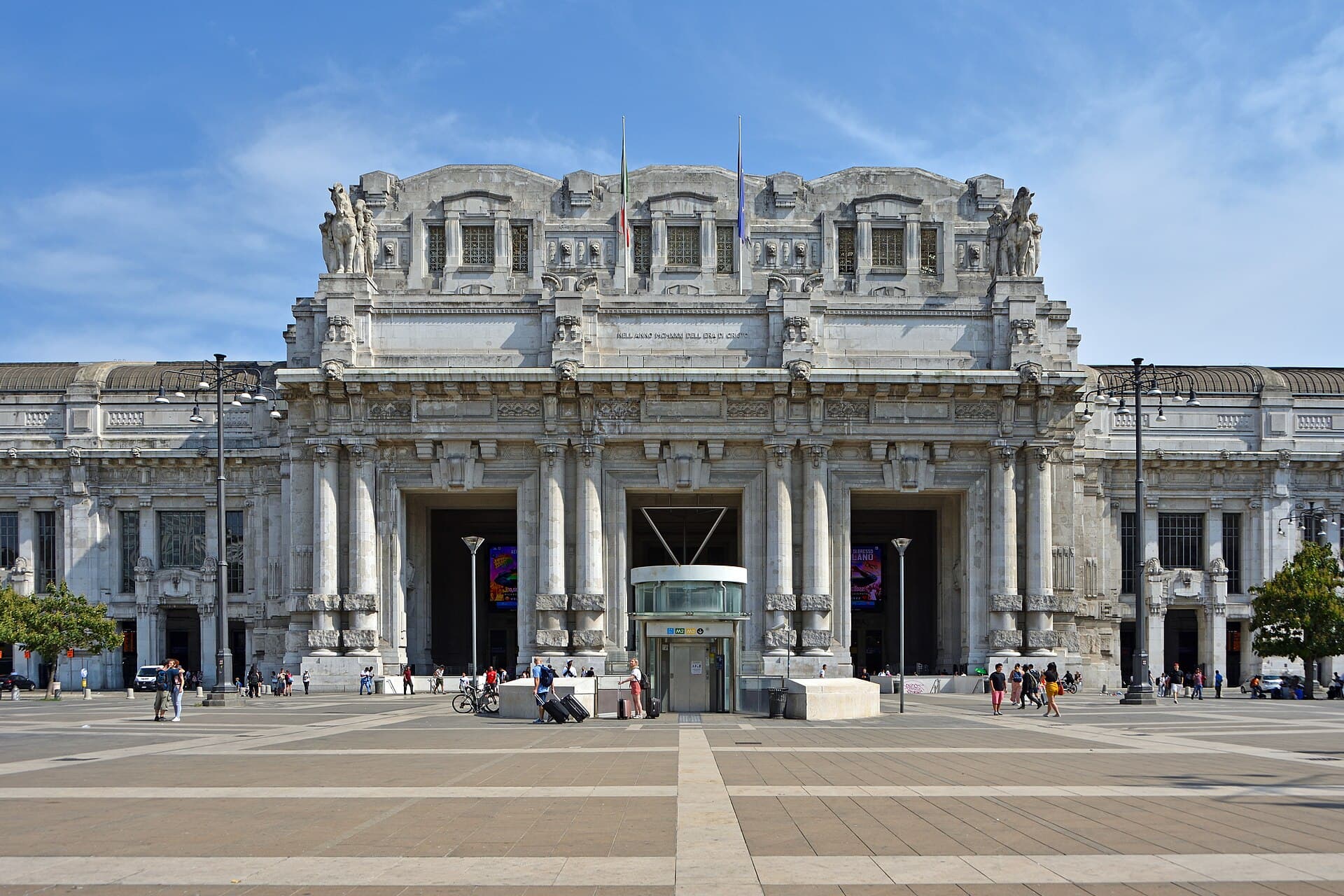 Milano Centrale StationMilano Centrale was not built to be a station. It was built to make a statement.5 minutes walk4.1
 Museum of Illusions MilanIn one room here you and your companion stand at either end of the same wall, an10 minutes walk4.3
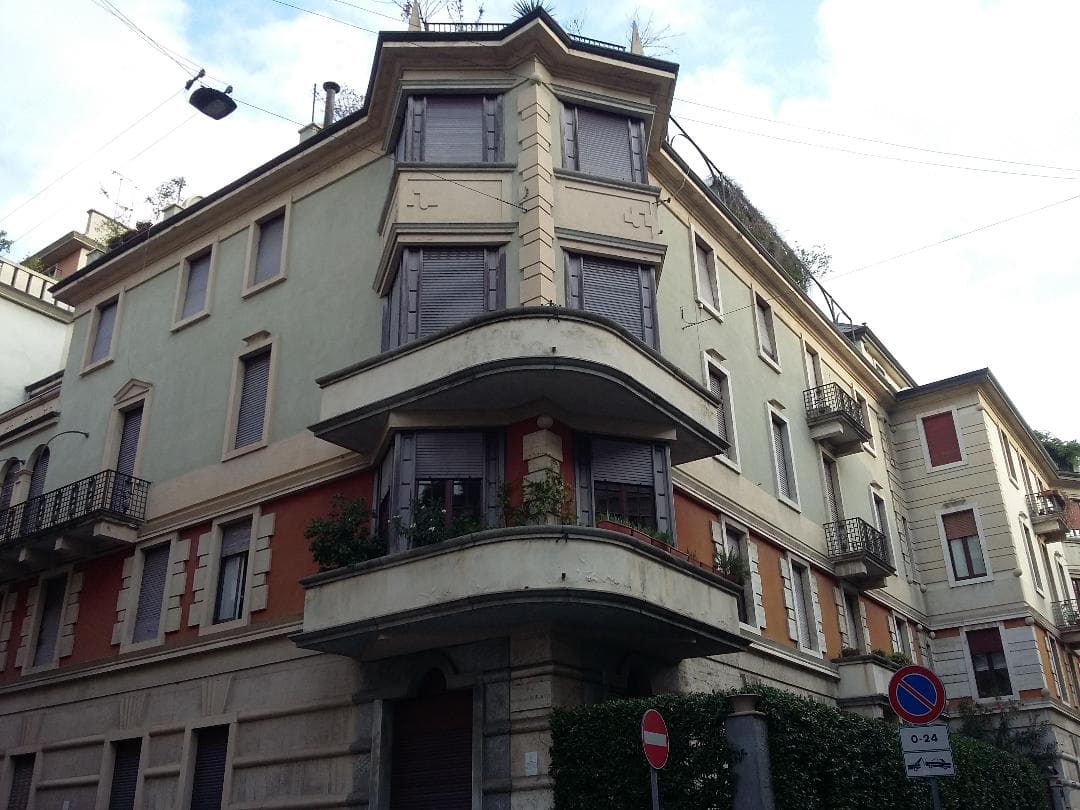 Casa Museo Boschi Di StefanoAn apartment in a 1930s residential block east of central Milan, turned into a m13 minutes walk4.8
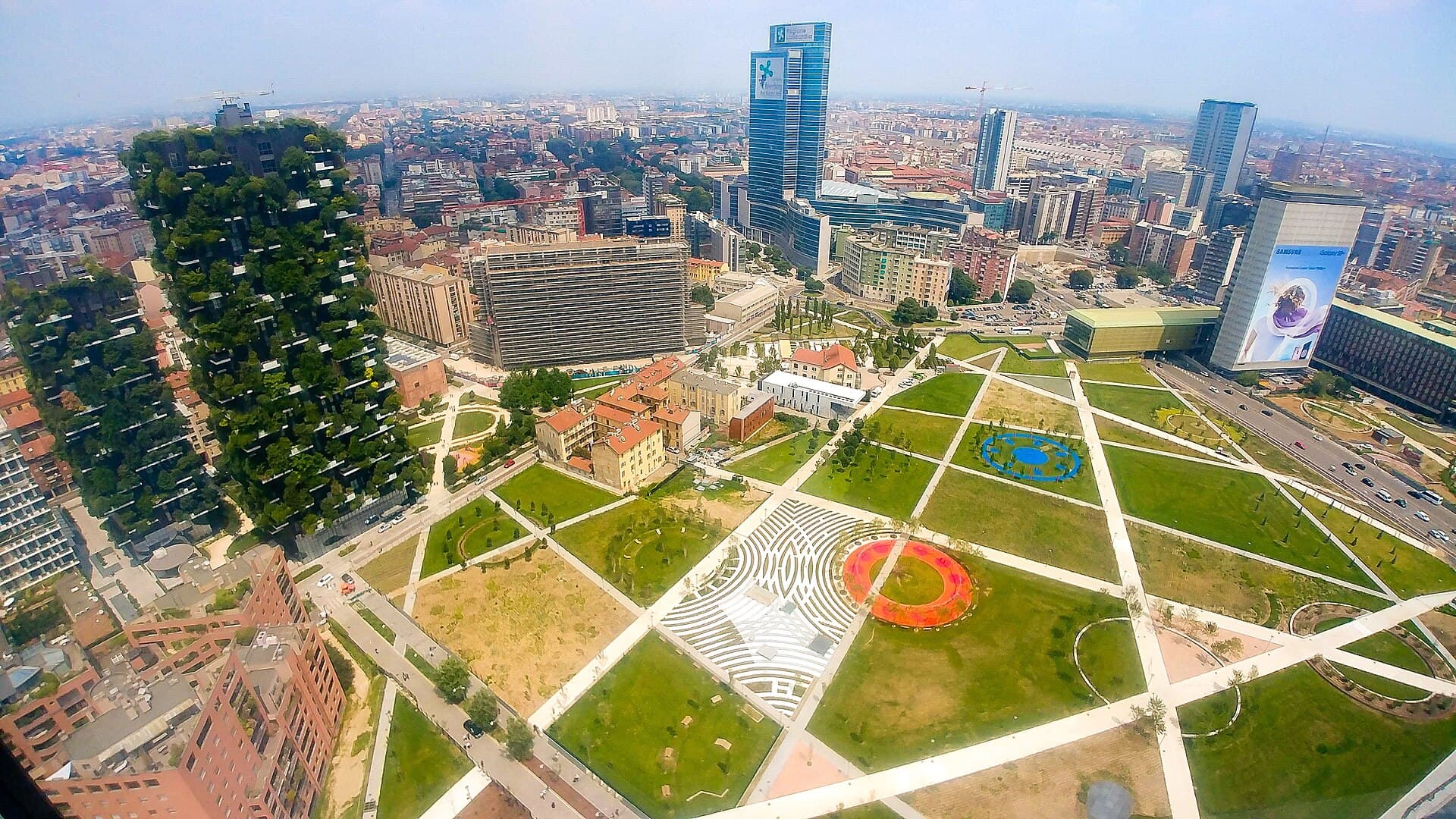 Biblioteca degli AlberiA contemporary public park in the Porta Nuova district north of central Milan, o16 minutes walk4.5
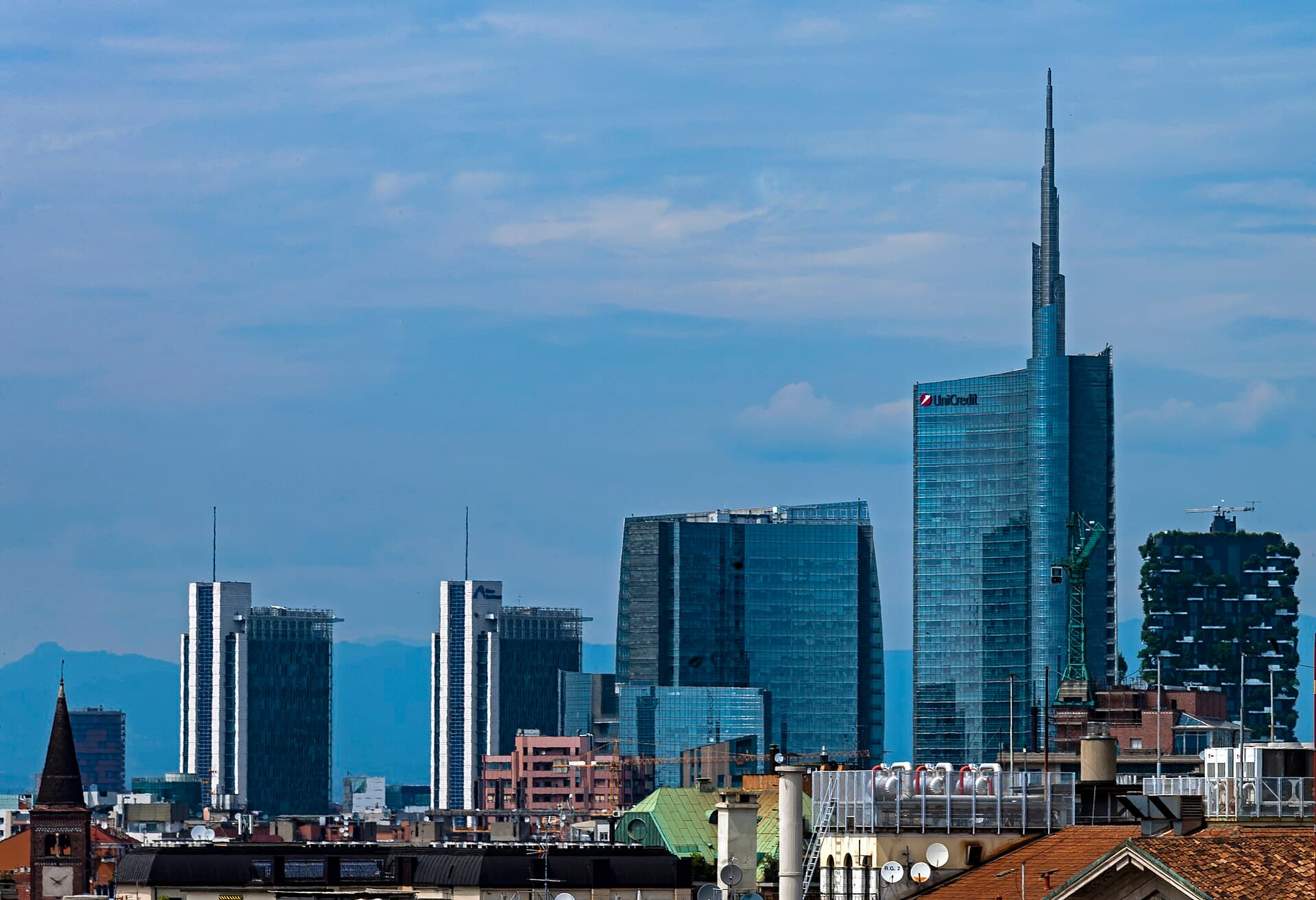 Bosco Verticale (Vertical Forest)Eight hundred full-grown trees live suspended in mid-air here, some of them a hu18 minutes walk4.6
Yes, because it is a different kind of thing entirely. Berlin's is an abstract field of stelae above ground that leaves the interpretation to you; this is the site itself — the real platform, the real rails, the lift that raised the wagons. It takes an hour or so and is smaller than you expect, but it lands harder precisely because it is not a symbol, it is the place.
Honestly, no for under-twelves. It is silent, heavy and unsparing, and small children will come away with nothing but boredom or distress. With a teenager who knows something about the Second World War it is one of the strongest hours Europe can offer them. If you are travelling with little ones, one parent goes in while the other waits with them around the station.