
The crooked Ames room
One wall and two calculated angles turn one of you into a giant and the other into a dwarf, then reverse the roles when you swap places.
In one room here you and your companion stand at either end of the same wall, and one of you appears close to twice the height of the other. Swap places and the effect flips. There is no lens trick and no phone filter involved: the room itself is built crooked, with the angles calculated to fool you, and it is your eye that gets it wrong, not the photograph. That, in short, is what the Museum of Illusions sells in Milan: an hour of optical mischief inside a quiet building on Via Settembrini, a few minutes from the central station. The museum is a short run of small rooms holding more than seventy illusions. The Ames room is the headline act, and beside it sits the vortex tunnel, a lit rotating cylinder that spins around you while you cross a completely stationary bridge, so your legs lurch even though nothing beneath you has moved. Then there is the infinity room, which repeats you between mirrors until you dissolve into the dark, a set of holograms floating in mid-air with nothing holding them up, and wooden puzzle tables by the exit where the adults linger longer than the children do. Everything here is built to be photographed, and the staff are entirely used to taking your phone and finding the right angle themselves. Let us be honest with you. Twenty-one euros for sixty minutes is steep by Milan standards, and this is a branch of an international chain that started in Zagreb and now runs more than seventy locations across some twenty-eight countries, all with very nearly the same content. If you have already been into one of those, nothing here justifies the ticket. And if you are travelling without children with three days in Milan, there are far worthier claims on them. With children between six and twelve, though, the arithmetic reverses completely: this is one of the few places in the city they leave genuinely pleased with, without long queues or enforced silence. The location is more practical than the map suggests: ten minutes on foot from Milano Centrale, which makes it an excellent filler for an empty hour before a train, or a refuge on one of Milan's many grey, rainy days. It opens daily from ten in the morning until eight in the evening, with last entry at seven and no weekly closing day, which counts for something in a city where most museums shut on Mondays. Online ticket sales have been suspended at times, so at the weekend it is safer to arrive early than to count on booking ahead. There is somewhere to leave bags and coats, the space is too small for sitting or for prayer, but the cafes along Via Vittor Pisani and the side streets of Porta Venezia cover that the moment you step out.
One wall and two calculated angles turn one of you into a giant and the other into a dwarf, then reverse the roles when you swap places.
You cross a bridge that does not shift an inch while a lit cylinder spins around you, and your balance goes for no physical reason at all.
Mirrors repeat you until you vanish into the dark, and three-dimensional images hover in the air with nothing holding them up.
Via Luigi Settembrini 11, 20124 Milan, Italy
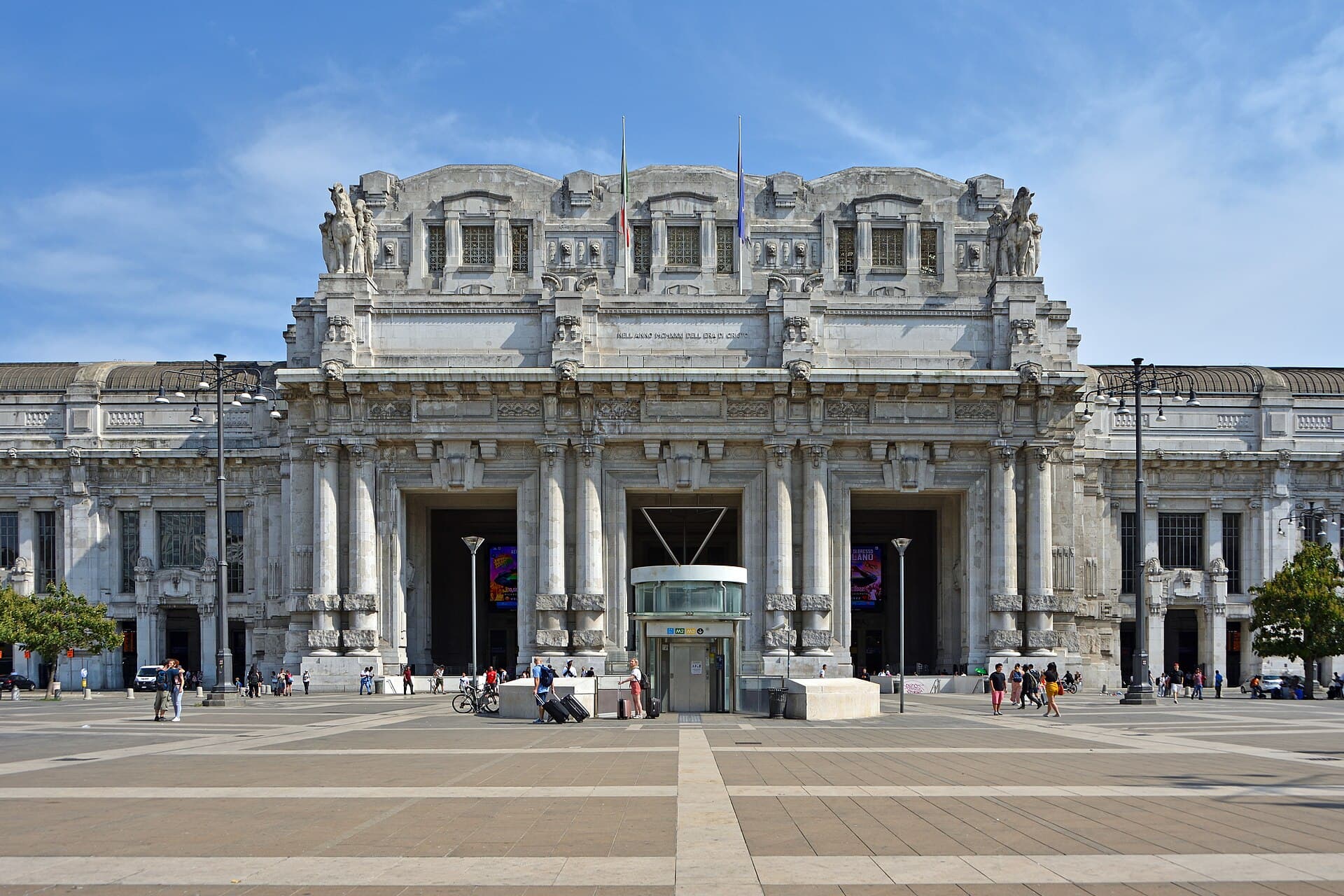 Milano Centrale StationMilano Centrale was not built to be a station. It was built to make a statement.6 minutes walk4.1
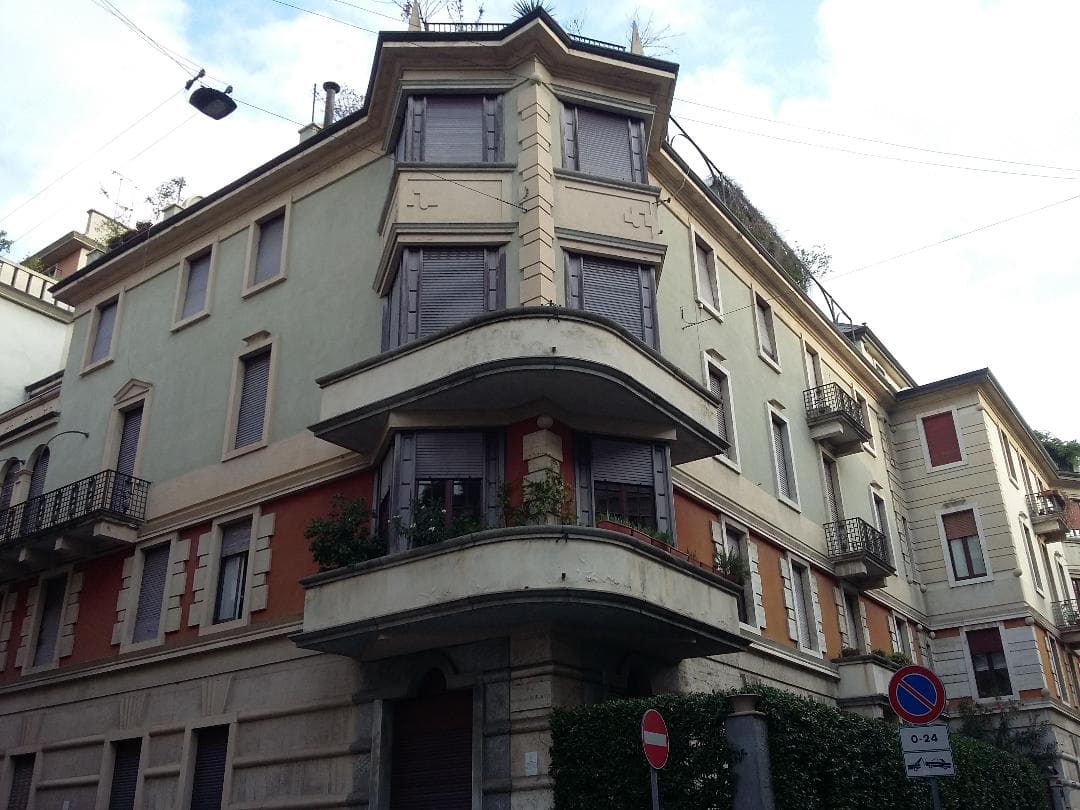 Casa Museo Boschi Di StefanoAn apartment in a 1930s residential block east of central Milan, turned into a m7 minutes walk4.8
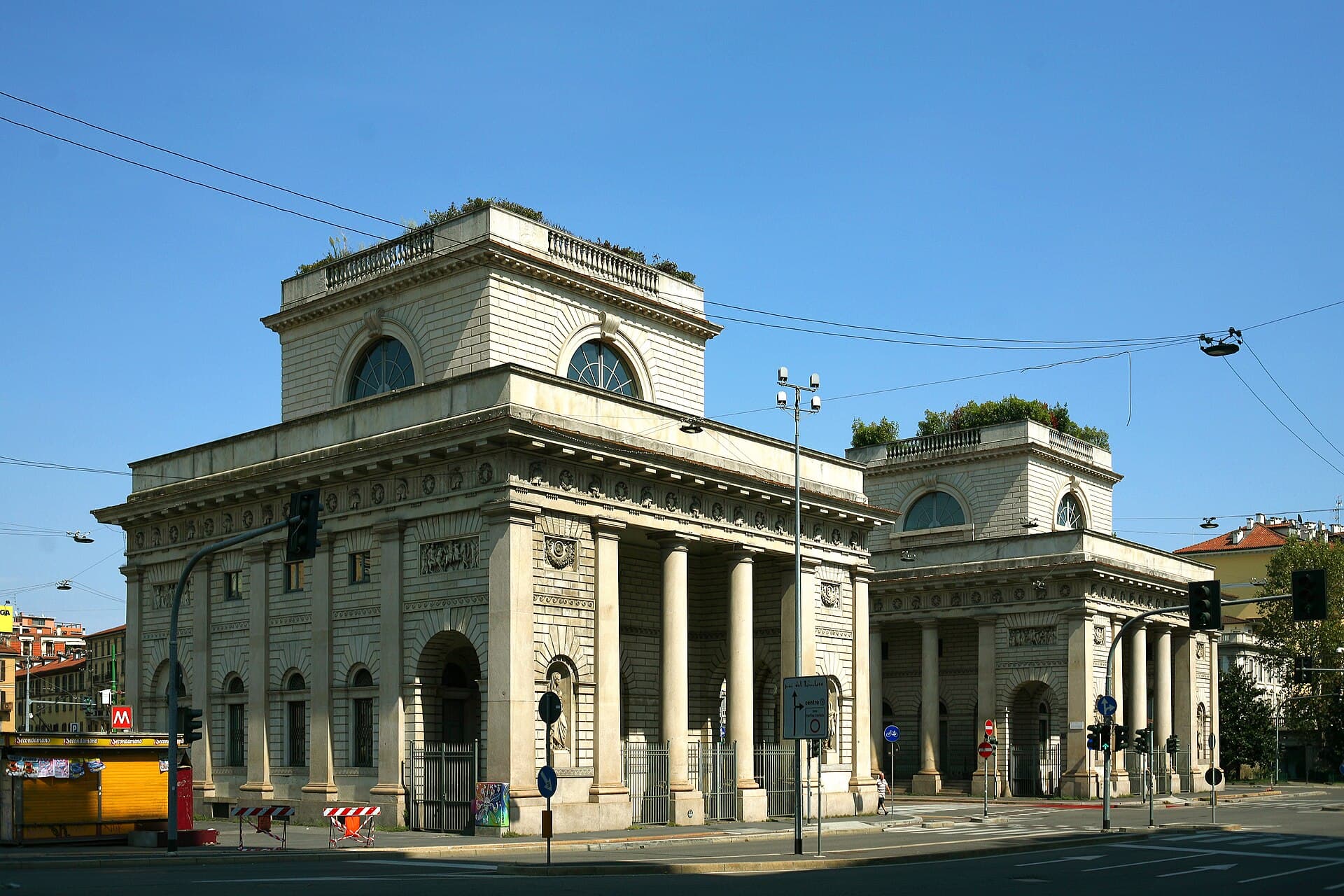 Porta VeneziaAn early nineteenth-century city gate east of central Milan, two facing classica9 minutes walk4.3
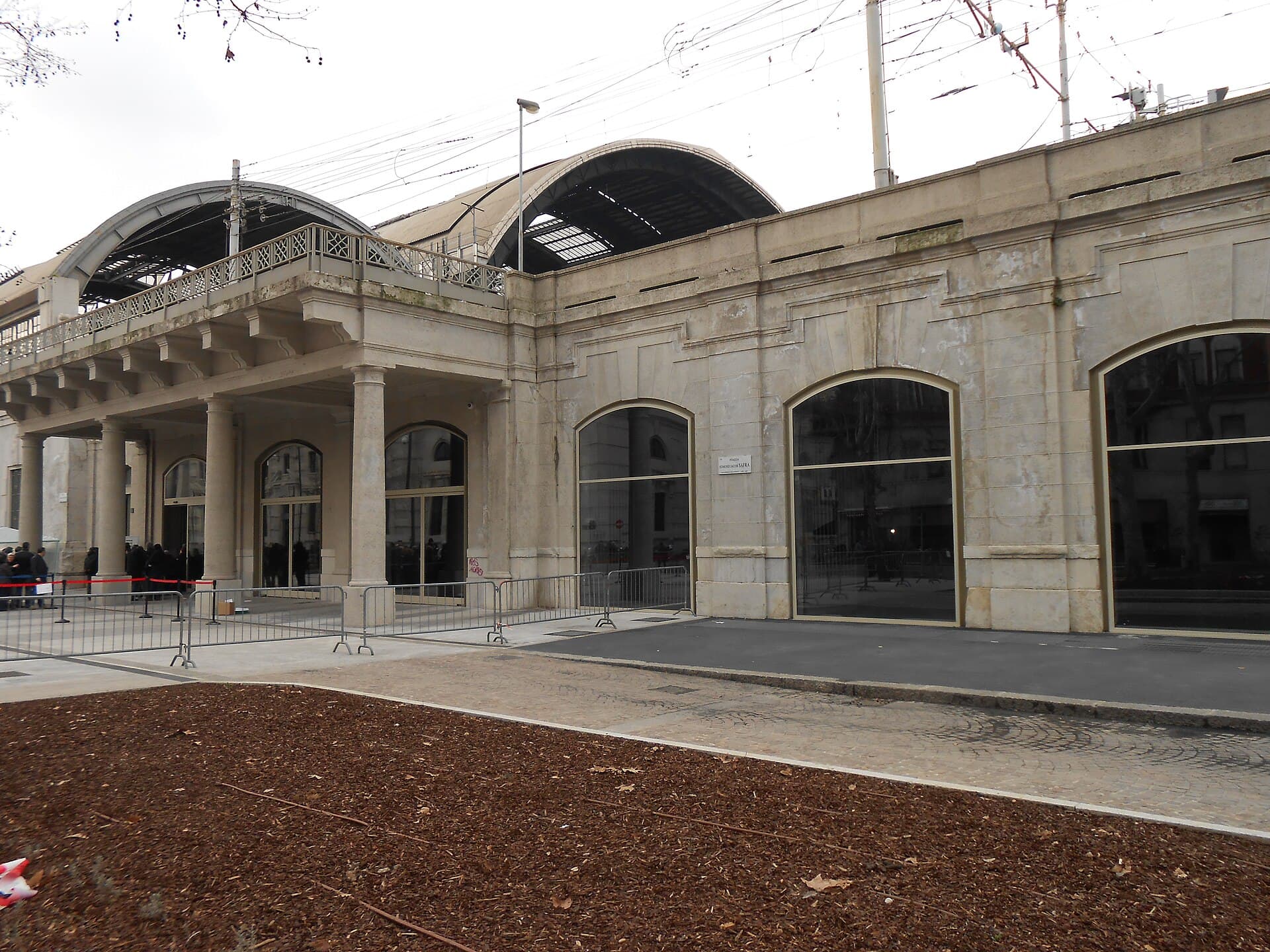 Shoah Memorial of Milan (Binario 21)Beneath the platforms of Milano Centrale, where today's trains pull out for the 10 minutes walk4.6
 Fondazione Luigi RovatiWalk down a short flight of stairs below Corso Venezia and Milan vanishes above 11 minutes walk4.8
Honestly, no. The branches belong to the same chain and share most of the stations, so you will walk past the Ames room, the vortex tunnel and the infinity room knowing how each trick ends before it starts. Put the twenty-one euros toward the Leonardo da Vinci science museum if you have children, or the Duomo rooftop if you do not.
Under-sixes get in free, but the fun really begins at about six: before that a child does not register that what they are seeing is a trick, and simply walks through the rooms as if they were corridors. Six to twelve is the sweet spot. A pushchair struggles in the narrow, dim rooms, so it is better left at the bag deposit by the entrance.