
The size-distortion room
Your sense of scale collapses inside it.
Photo: Andreas Praefcke — CC BY 3.0 · Oliver Potter — CC BY-SA 3.0 · Fanny (Appleton) Longfellow (1817-1861) — Public domain · Fanny (Appleton) Longfellow (1817-1861) — Public domain
The Turm der Sinne is an interactive science museum inside a medieval defensive tower in Nuremberg's wall — and the combination of the two is what distinguishes it: you climb inside a fifteenth-century stone tower to try experiments in neuroscience and perception. The subject is precisely defined: how our senses deceive us. Each floor holds experiments in visual, auditory and tactile illusion — shapes that appear to move while stationary, rooms that distort the perception of size, sounds heard from the wrong direction. The point is not entertainment but showing that the brain constructs a perception rather than receiving an image. That makes it different from the commercial illusion museums that have spread widely: the content rests on genuine perceptual science and explains the mechanism behind each effect rather than merely astonishing the visitor. The museum is small and suits children from about eight upward as well as adults, and the stair inside the tower is narrow and steep.
Your sense of scale collapses inside it.
Each effect explained by how the brain works.
Spittlertorgraben, 90429 Nuremberg
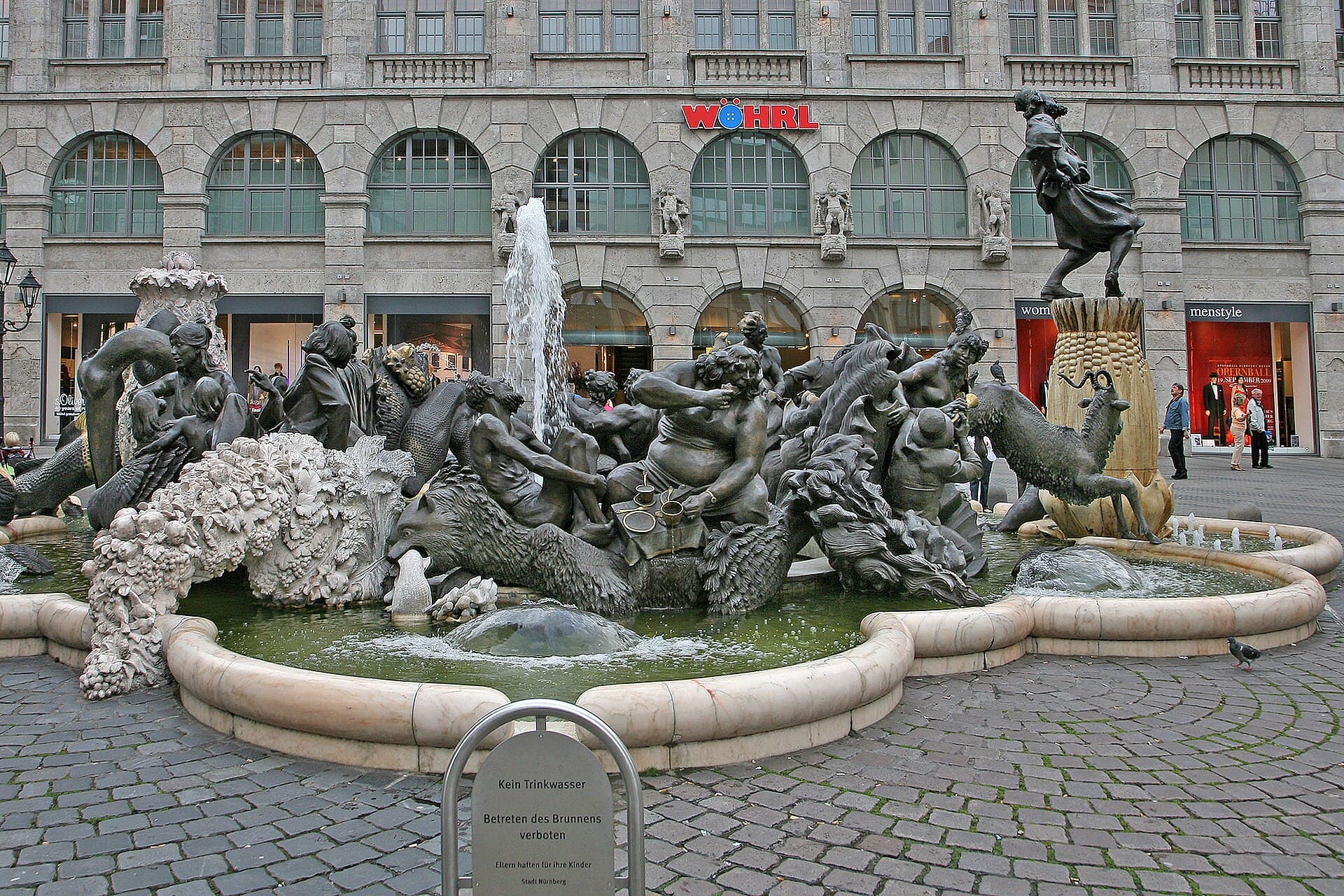 Ehekarussell FountainThe Ehekarussell is a strange modern fountain on Ludwigsplatz, near the Frauento3 minutes walk4.5
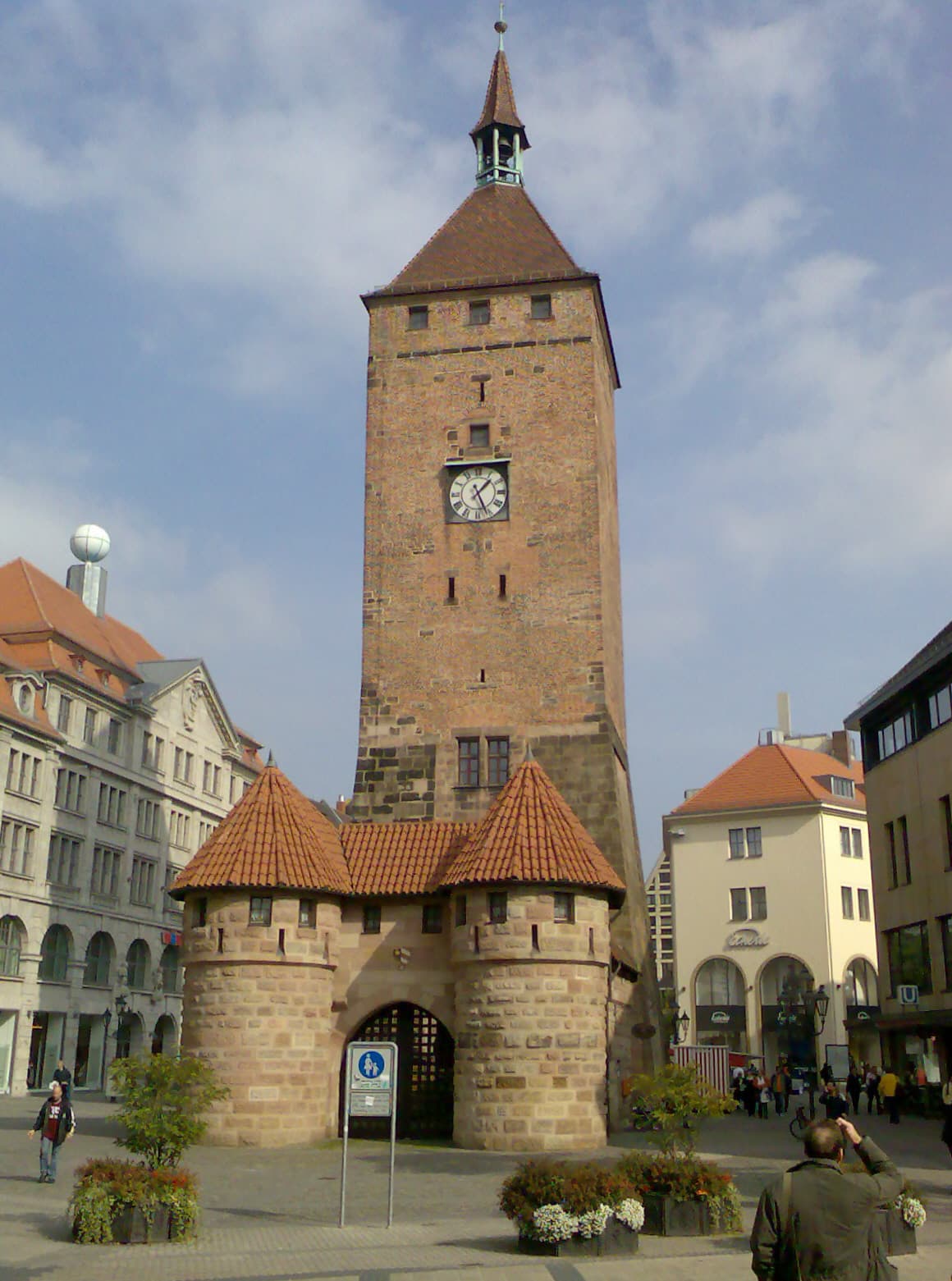 Weisser TurmThe Weisser Turm is an old gate from Nuremberg's inner wall, built in the thirte3 minutes walk4.7
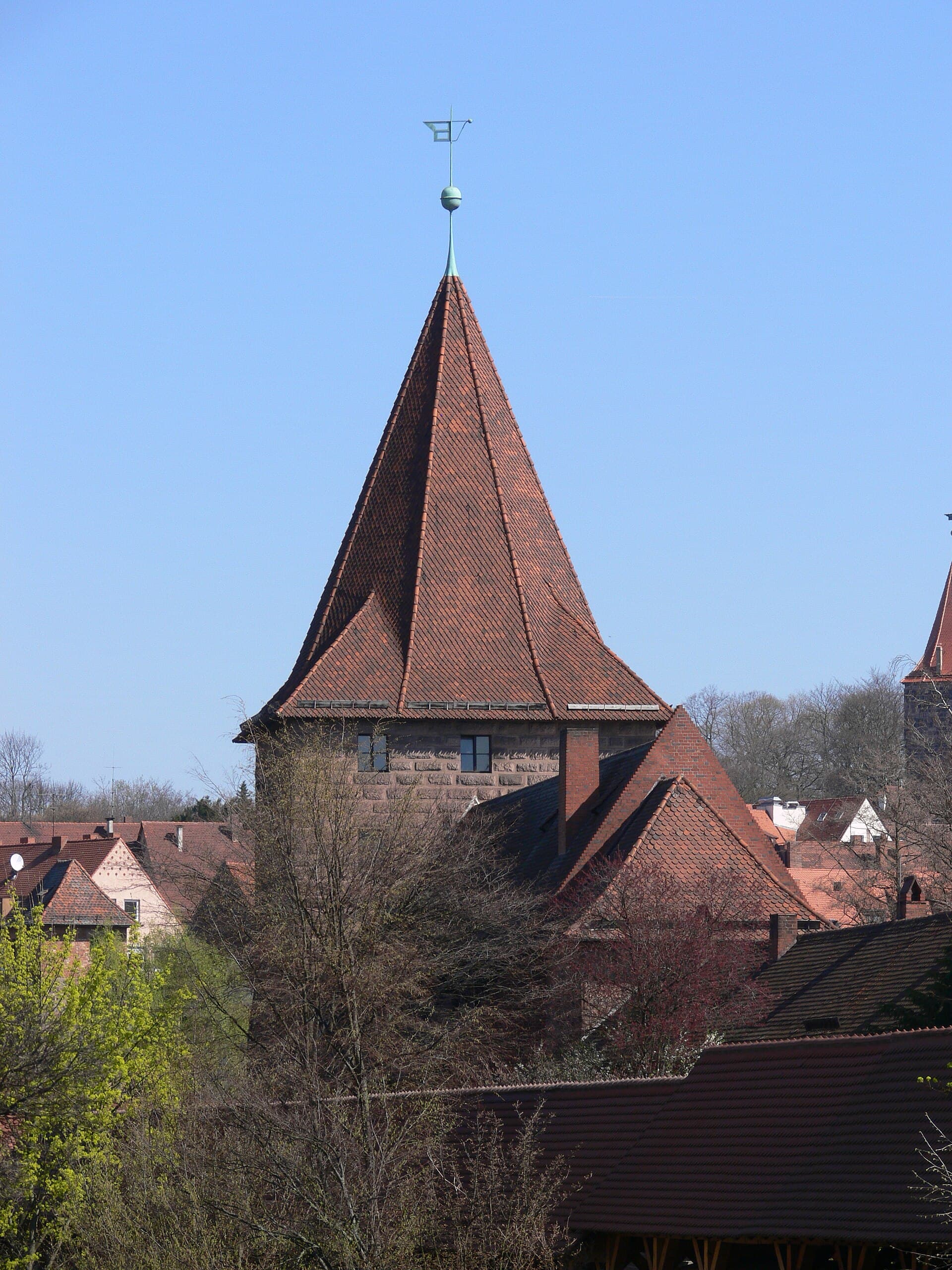 The SchlayerturmThe Schlayerturm is one of the water towers in Nuremberg's medieval wall: it sta3 minutes walk4.6
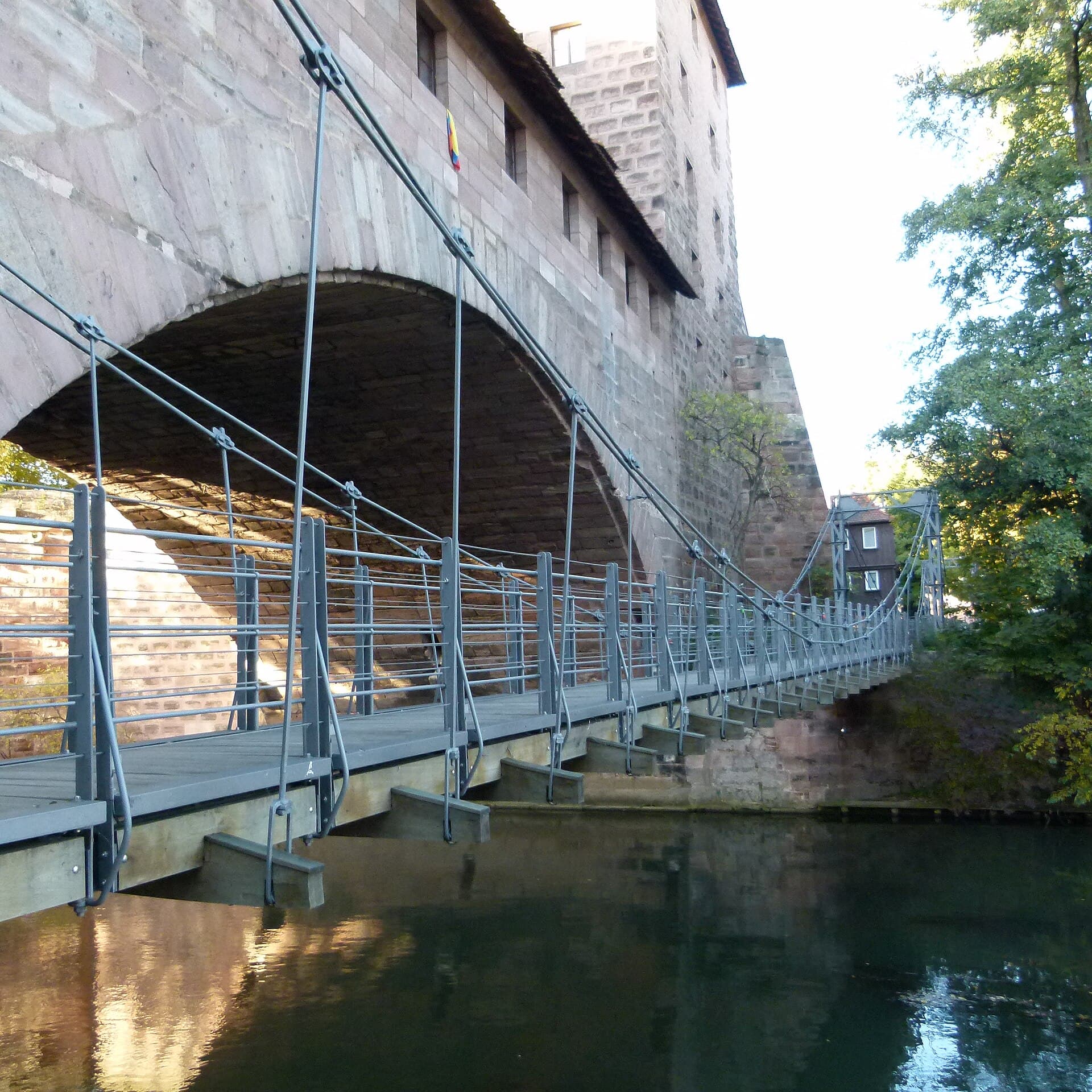 Kettensteg Chain BridgeA sixty-eight-metre footbridge crossing the river Pegnitz at the western end of 3 minutes walk4.6
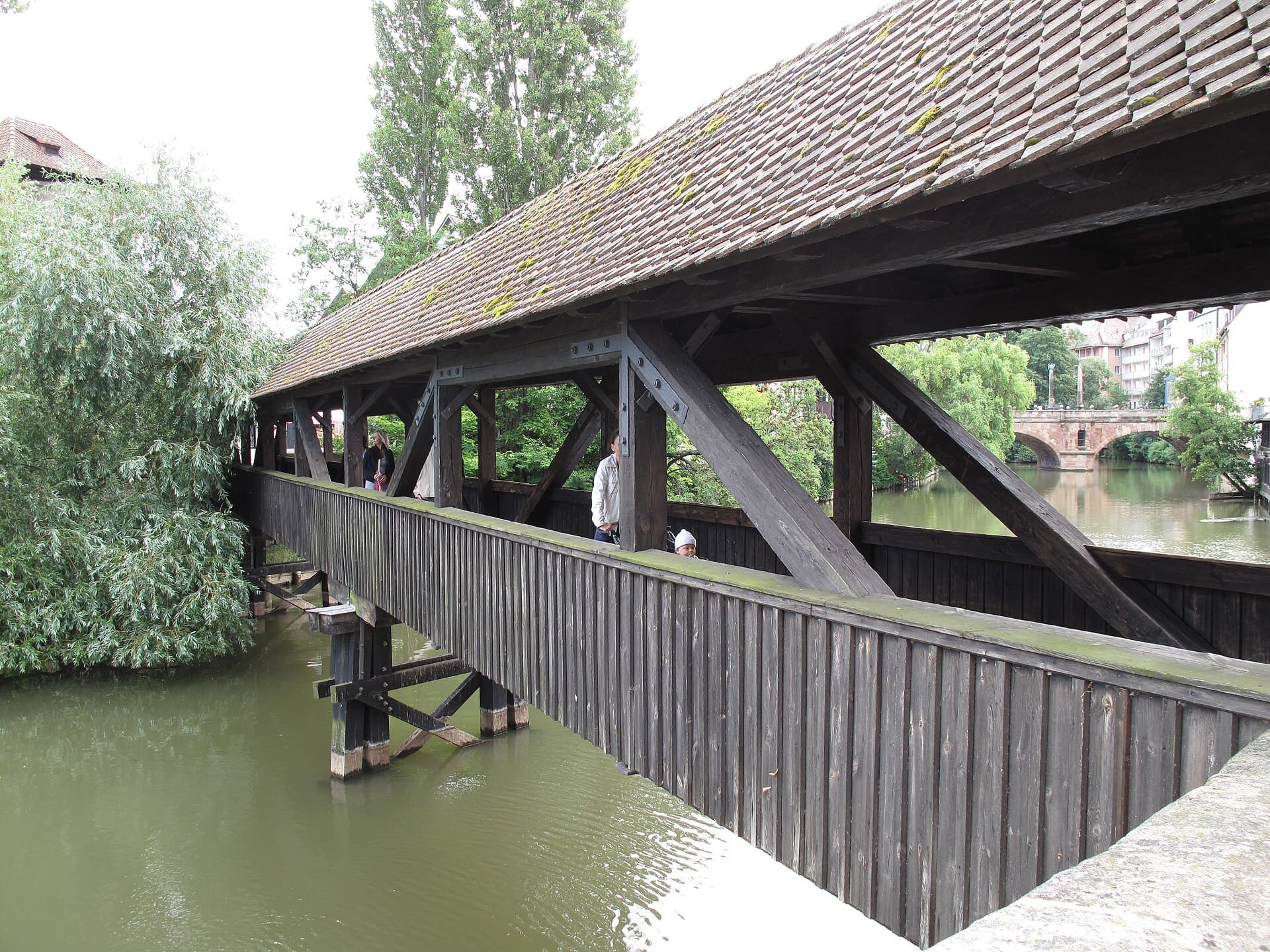 Hangman's Bridge & HouseA covered wooden bridge crosses the Pegnitz to a stone tower and a half-timbered4 minutes walk4.9
The illusion museums now widespread exist for photographs: rooms designed for amusing pictures with no explanation. Here the experience always comes with a scientific account — why the brain fails in this particular case, and what the effect reveals about how perception works. The museum has links to research circles and hosts lectures, which is a fundamental difference in value.