
The northern grandstand
Original stone gates on display.
Laurens R. Krol — CC BY 4.0 · BrankaVV — CC BY-SA 4.0 · Dennis G. Jarvis — CC BY-SA 2.0 · Dennis G. Jarvis — CC BY-SA 2.0
The Stadium of Philippopolis is the archaeological surprise appearing suddenly beneath shoppers' feet: a giant Roman racing stadium (2nd century AD) built to seat thirty thousand spectators — discovered by chance during commercial works (1923) but most of it still buried beneath the city's modern main shopping street, with only the exposed portion (the curved northern grandstand with its stone gates) displayed outdoors, free, amid daily pedestrian traffic. The idea itself is the draw: you walk among fashion shops and modern cafés, and suddenly look down through a glass window or exposed ramp to see original two-thousand-year-old Roman stone tiers directly beneath your feet — a rare visual civilisational overlay summarising all Plovdiv in one scene. Chariot races and animal fights actually took place here before real crowds — today it occasionally hosts small seasonal cultural events using the very same ancient tiers.
Original stone gates on display.
Modern shopping directly over ancient Rome.
Main Street, 4000 Plovdiv
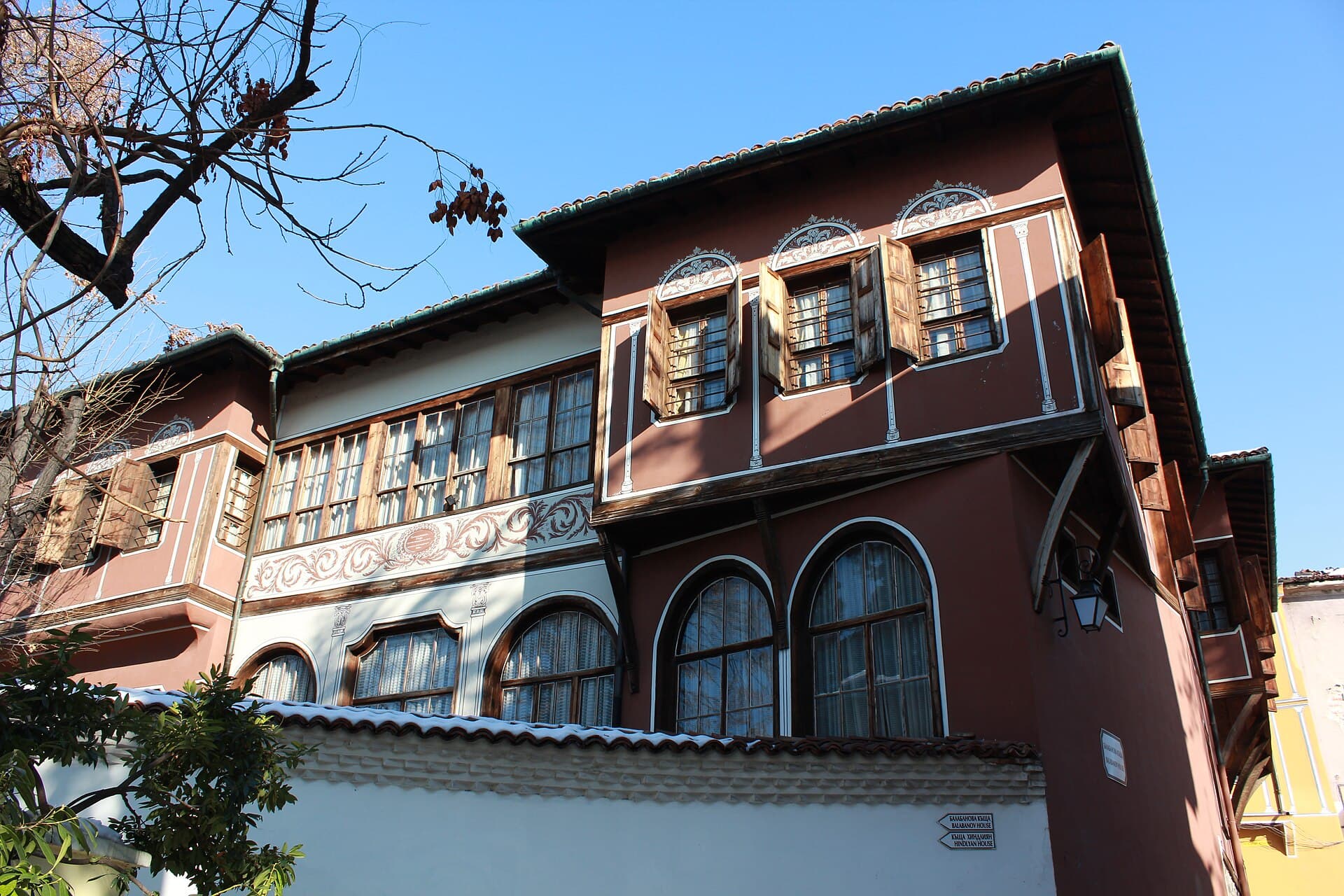 The Old Town & Balabanov's HousePlovdiv's Old Town is an open-air museum of Bulgarian National Revival architect2 minutes walk4.4
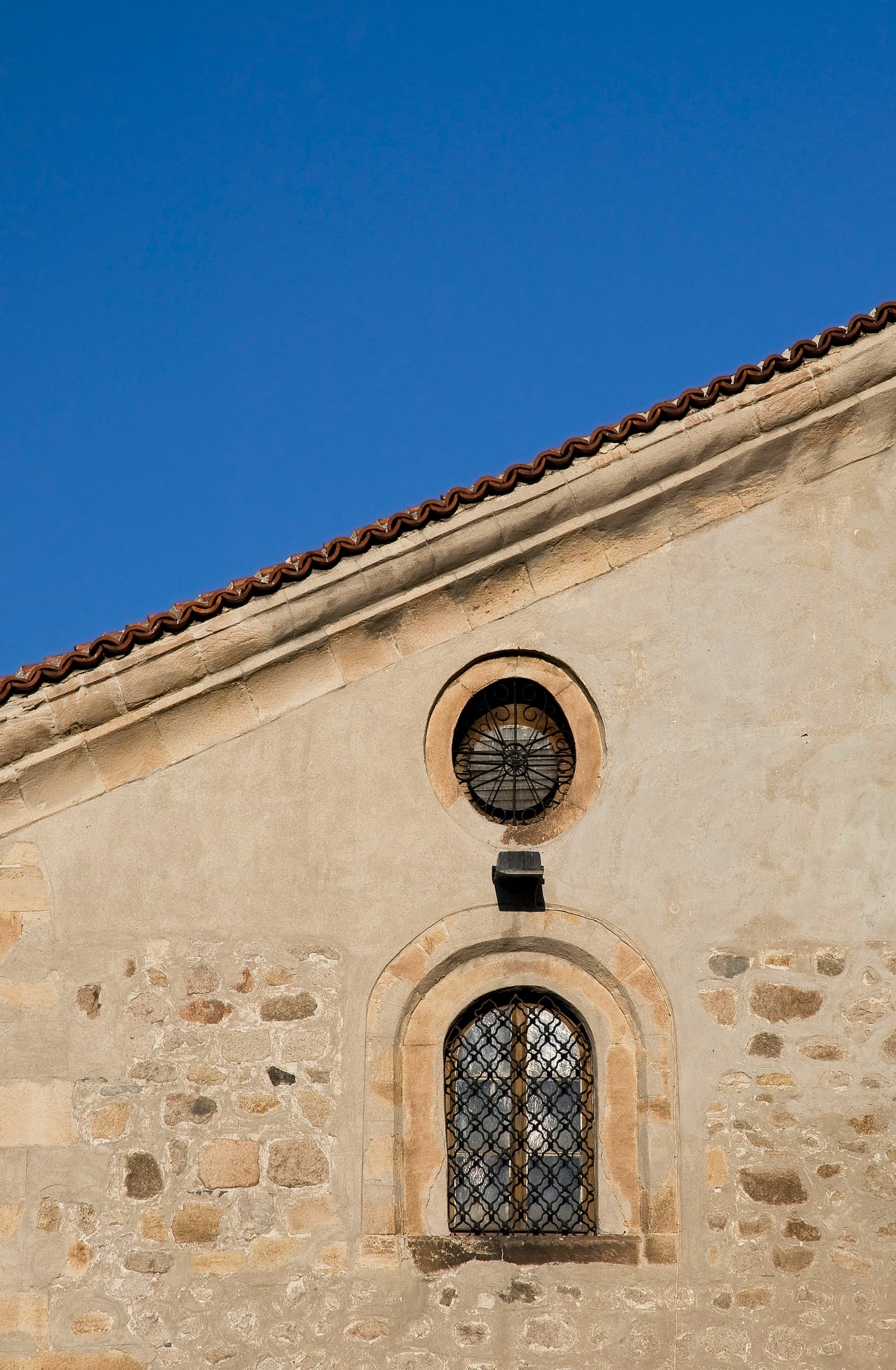 The Church of the Dormition of the TheotokosAn Orthodox church in old Plovdiv whose site is medieval, though the present bui2 minutes walk4.7
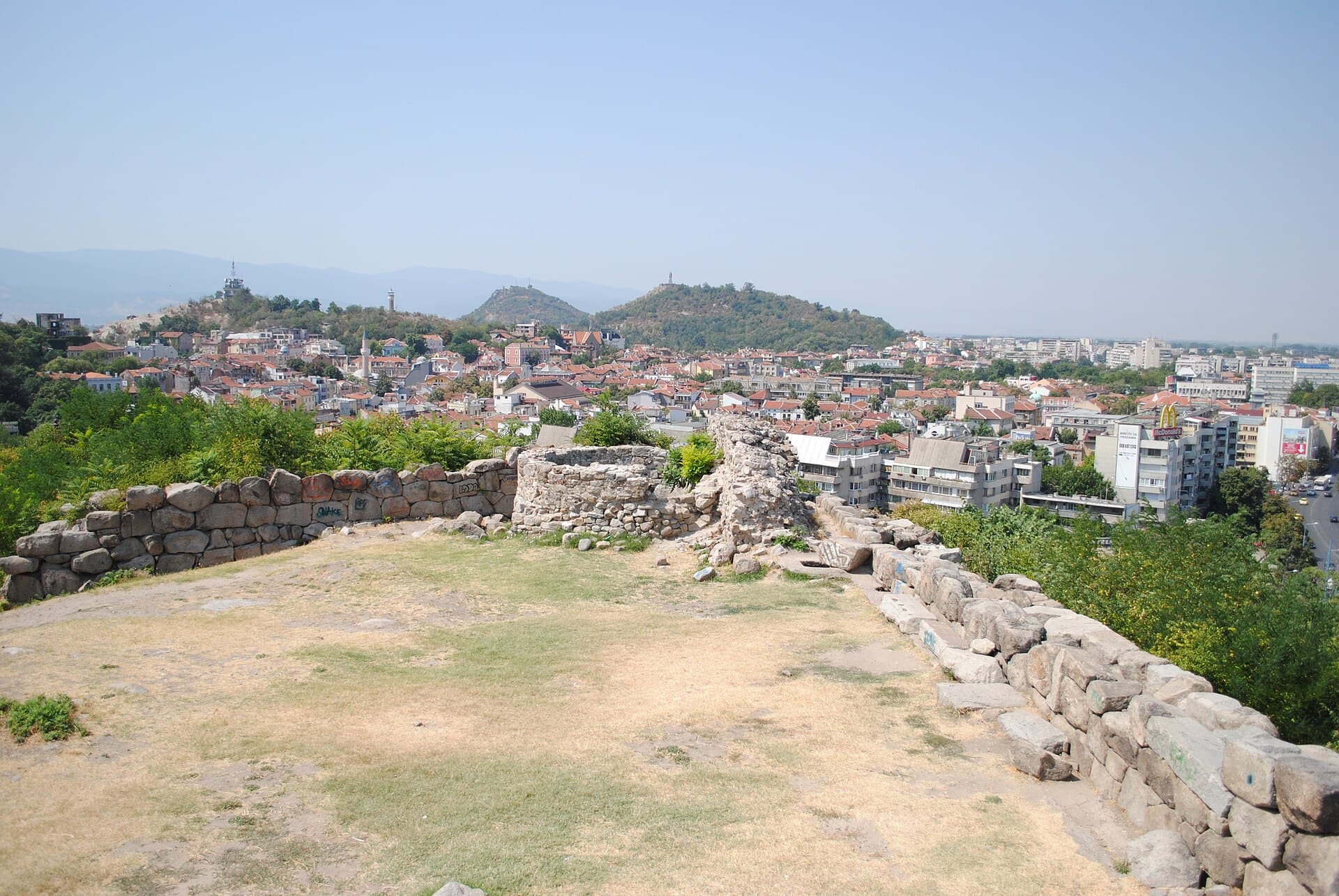 Nebet Tepe — the First HillNebet Tepe is where Plovdiv literally began eight thousand years ago: the highes2 minutes walk4.8
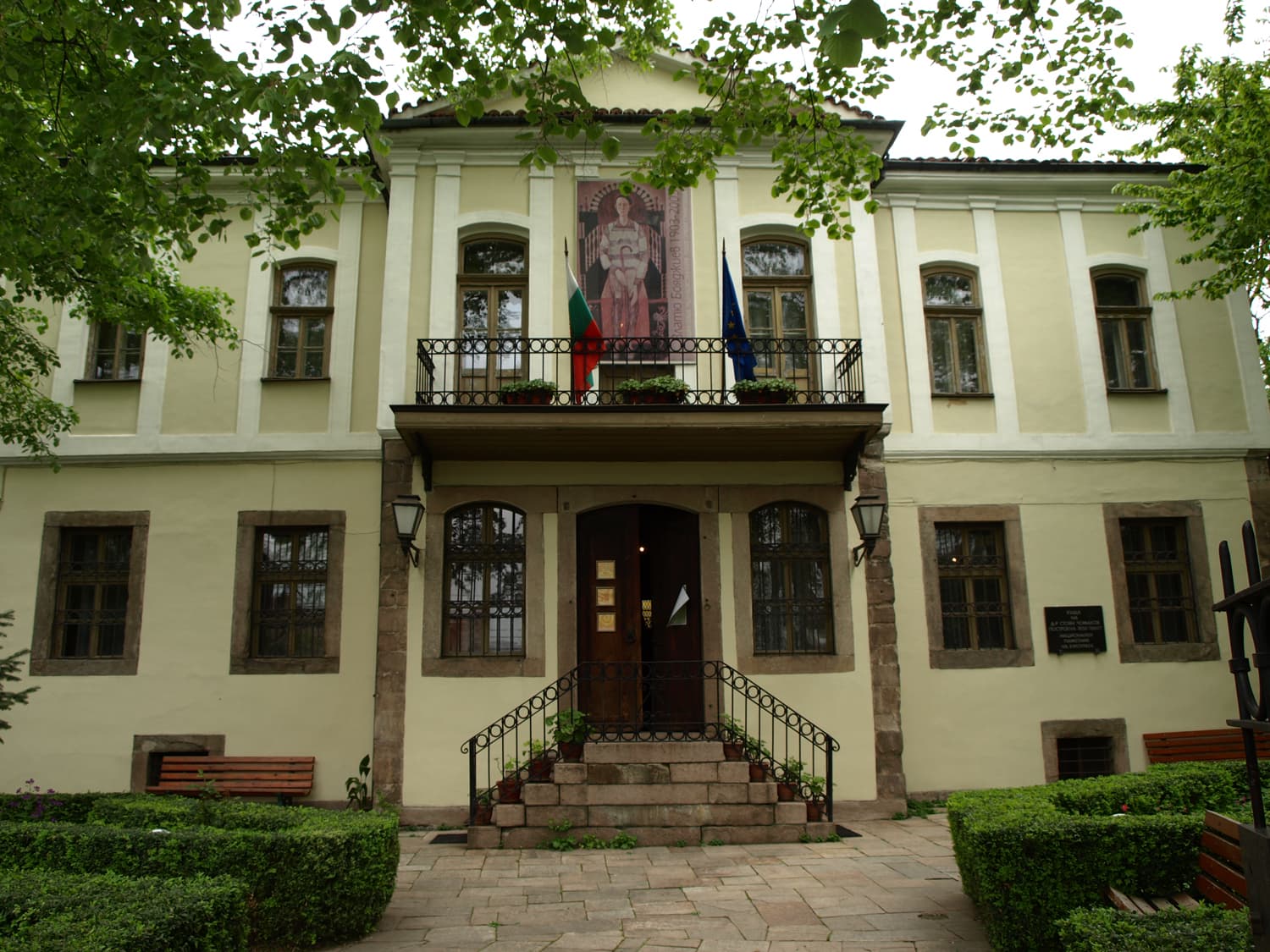 The Zlatyu Boyadzhiev Permanent ExhibitionA permanent exhibition of the work of the Bulgarian painter Zlatyu Boyadzhiev, i3 minutes walk4.9
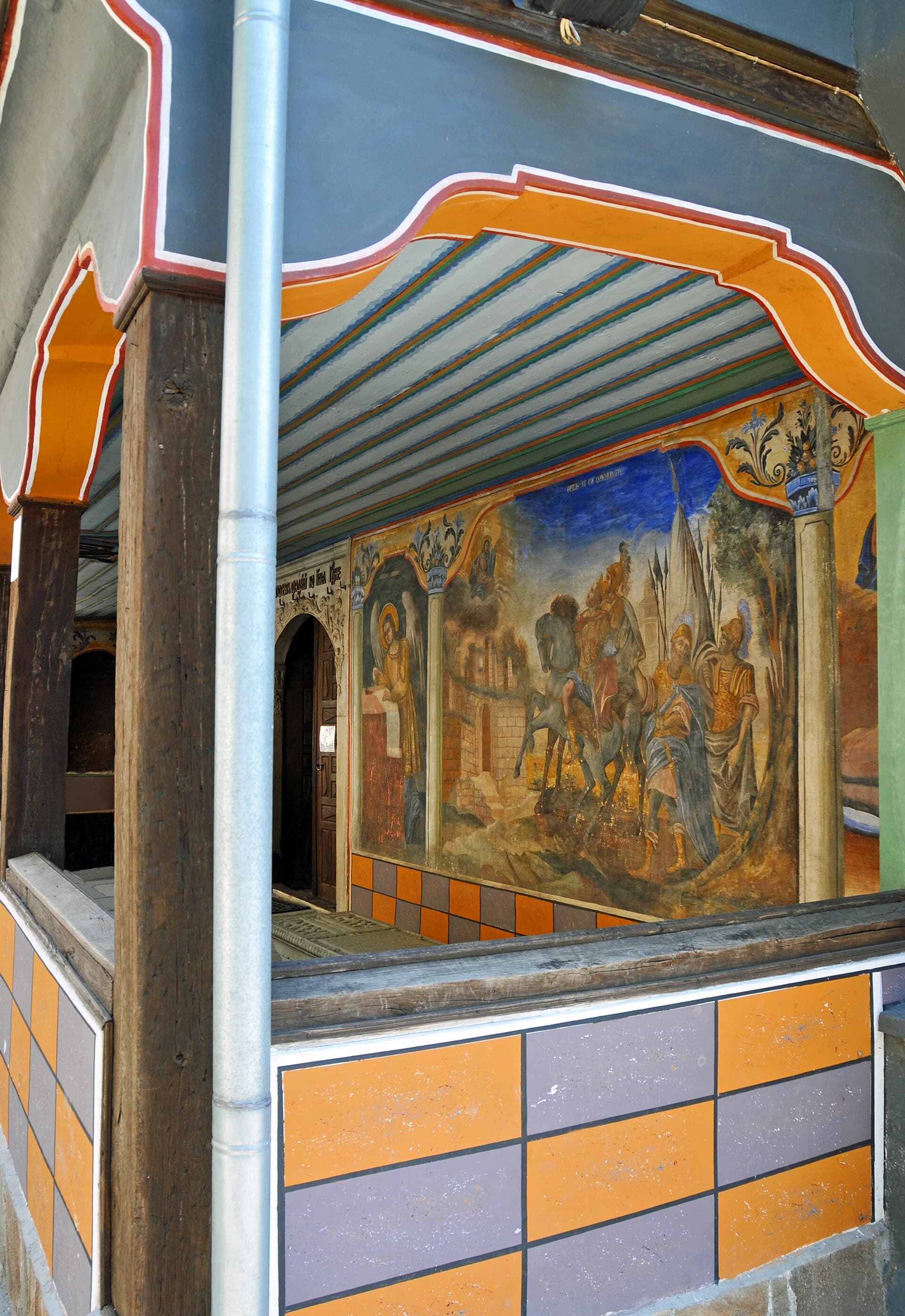 The Church of Saints Constantine and HelenaThe Church of Saints Constantine and Helena is the oldest in Plovdiv and the ric3 minutes walk4.7
Full excavation would require demolishing a vital commercial street and modern buildings above it — an economic and social cost too vast to justify by archaeological benefit alone, so local authorities chose a middle path: exposing a symbolic portion sufficient for understanding and visiting while preserving modern commercial life safely above the rest, still buried — a common global model in densely inhabited archaeological cities where heritage and daily life literally share the same ground.