
Balabanov's ceiling
Imaginary European cities by a local artist.
Rachel Titiriga — CC BY 2.0 · Gitanes232 — CC BY-SA 4.0 · Gitanes232 — CC BY-SA 4.0 · Gitanes232 — CC BY-SA 4.0
Plovdiv's Old Town is an open-air museum of Bulgarian National Revival architecture: steep cobbled lanes climbing between three rocky hills, lined with colourful timber houses whose upper floor overhangs the lower one (jettied houses, a unique Ottoman-Balkan style) built for wealthy merchant families (18th-19th century) who expressed their prosperity through ornate façades and hand-painted interior ceilings depicting exotic landscapes. Balabanov's House specifically (1810s) is among the most famous and visited: halls furnished with approximately original pieces, the main reception hall's ceiling hand-painted with imaginary European city scenes the local artist never actually saw with his own eyes — a class expression of European cultural aspiration for economically rising Bulgarian merchants under relaxed Ottoman rule. The lanes themselves, with their old cobblestones and steep grade, are a unique walking experience in their own right — small churches and similar houses (Hindliyan, Kuyumdzhioglu) scatter between them, each museum-house entered on a separate small ticket by interest.
Imaginary European cities by a local artist.
Steep grade between three hills.
Old Town quarter, between the three tepe hills, 4000 Plovdiv
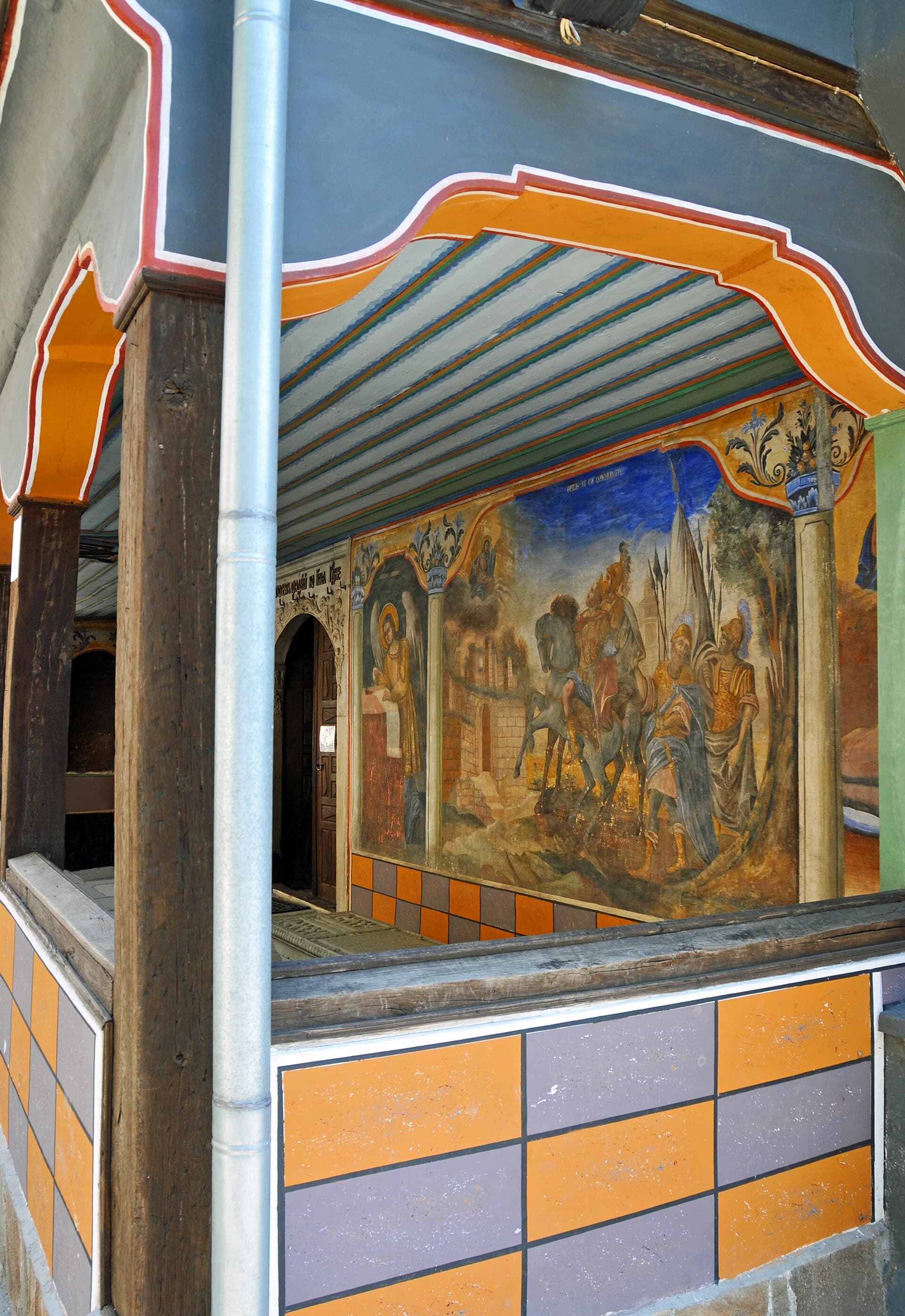 The Church of Saints Constantine and HelenaThe Church of Saints Constantine and Helena is the oldest in Plovdiv and the ric1 minute walk4.7
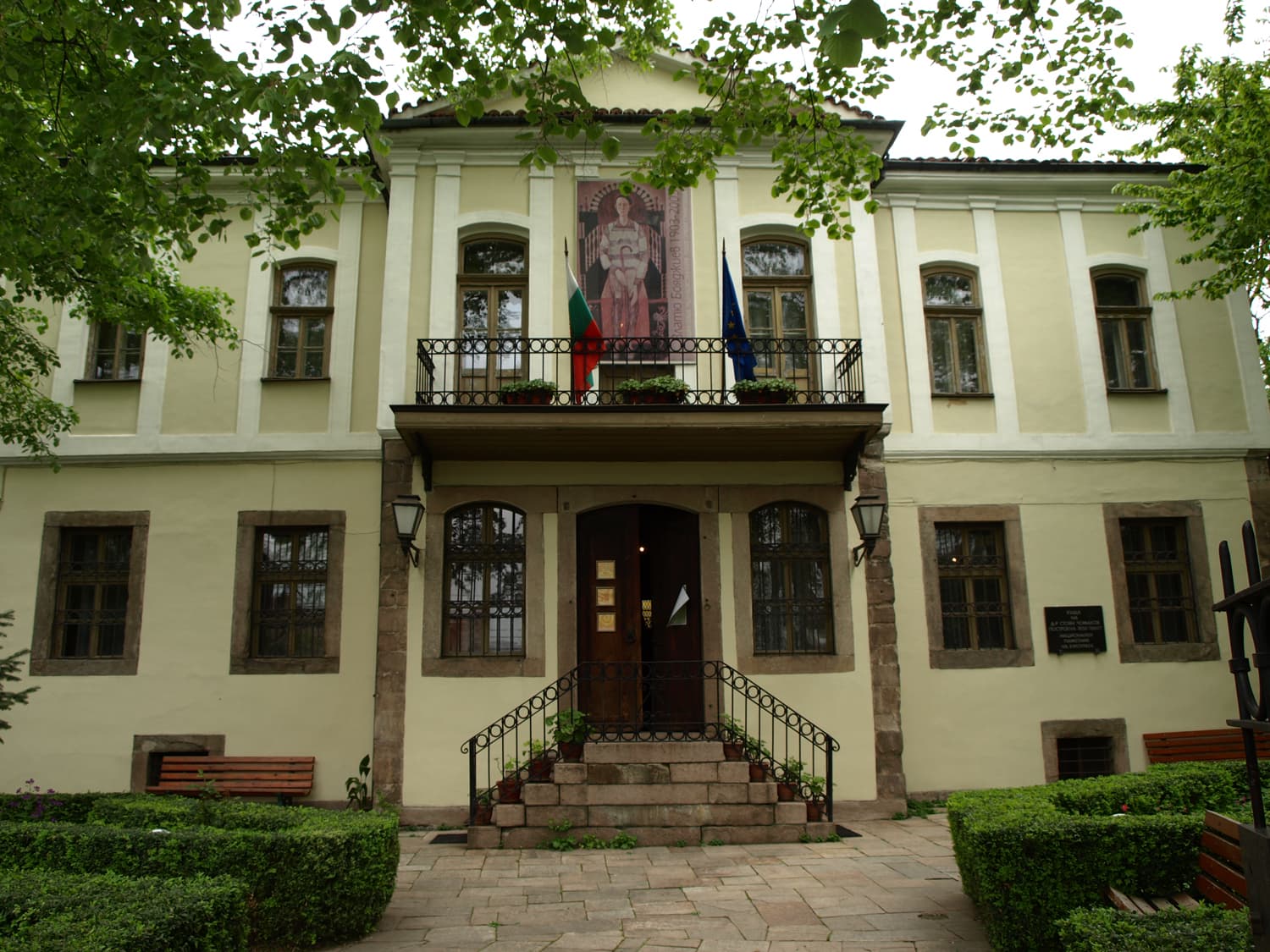 The Zlatyu Boyadzhiev Permanent ExhibitionA permanent exhibition of the work of the Bulgarian painter Zlatyu Boyadzhiev, i1 minute walk4.9
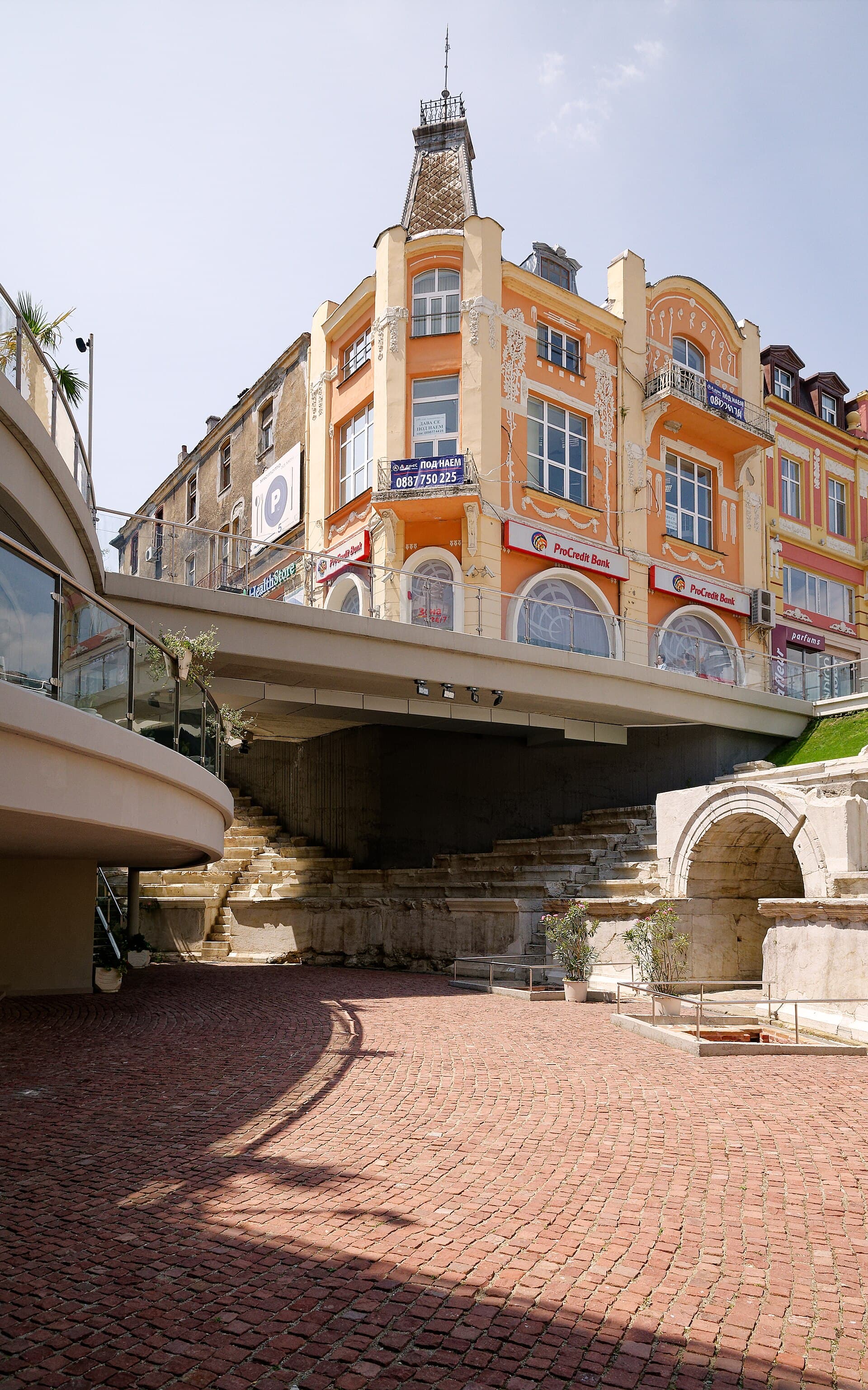 The Roman Stadium of PhilippopolisThe Stadium of Philippopolis is the archaeological surprise appearing suddenly b2 minutes walk4.6
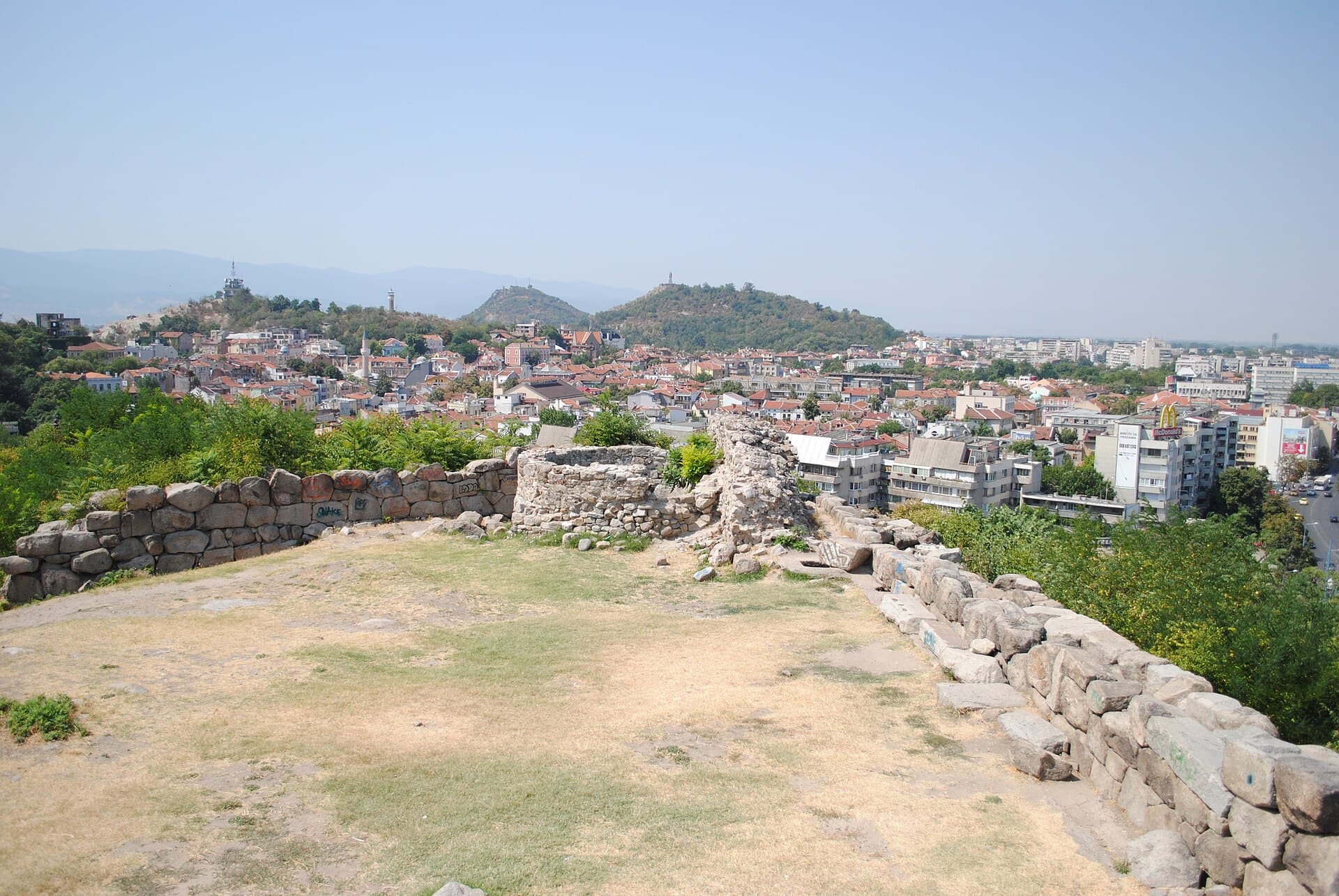 Nebet Tepe — the First HillNebet Tepe is where Plovdiv literally began eight thousand years ago: the highes2 minutes walk4.8
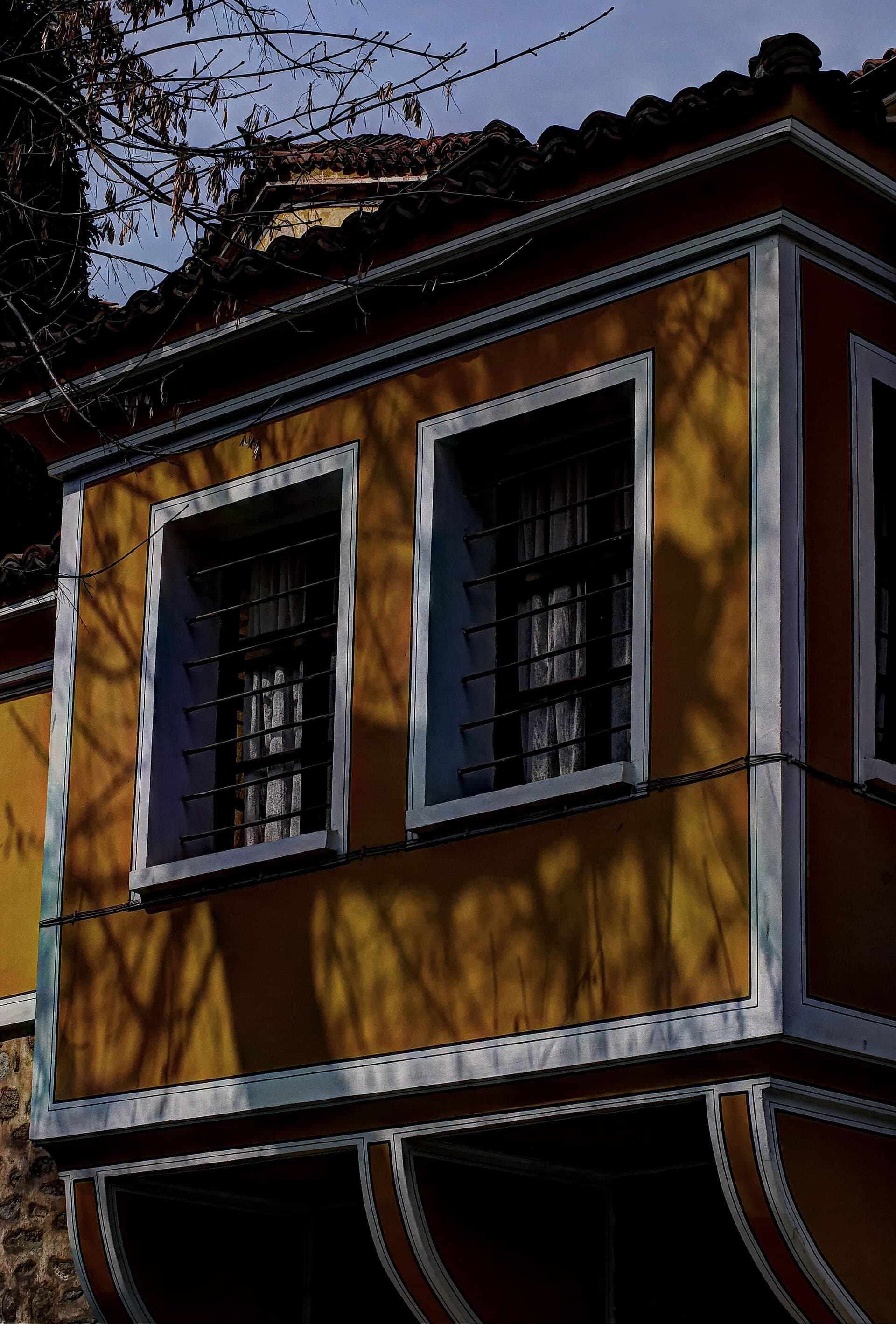 The Nedkovich HouseThe Nedkovich House is among the best preserved of Plovdiv's old houses, built i2 minutes walk4.3
Plovdiv's wealthy merchants had access to printed European engravings or travel descriptions circulated through their wide trading networks (the Balkans, Vienna, Istanbul) without necessarily always visiting those cities themselves — so they commissioned skilled local artists to paint imagined European scenes based on those indirect sources, expressing cultural and class aspiration toward a modern European life they economically and socially longed for despite remaining under formal Ottoman rule.