
5th-BC walls
Massive surviving Thracian-Greek stone.
VladislavNedelev — CC BY-SA 3.0 · Michal Valach — CC BY-SA 4.0 · Michal Valach — CC BY-SA 4.0 · Michal Valach — CC BY-SA 4.0
Nebet Tepe is where Plovdiv literally began eight thousand years ago: the highest of the city's three famous rocky hills, inhabited since the Neolithic (roughly 6000 BC), then fortified by Thracians, then Macedonians, then Romans layer upon layer — making Plovdiv one of earth's oldest continuously inhabited cities uncontested, older by centuries than Rome, Athens or Constantinople. The massive surviving stone wall ruins (Greek-Thracian, 5th BC, with later Roman additions) crown the summit, and water cisterns carved directly into the rock testify to an advanced defensive and urban system for its age. Its real value today is the sunset view: the summit opens a 360-degree panorama over the old town below and the wide Thracian plain behind — the cheapest, truest spot for watching Plovdiv's sunset without heavy crowds, mere steps from the old town lanes.
Massive surviving Thracian-Greek stone.
Old town and Thracian plain together.
Nebet Tepe, 4000 Plovdiv
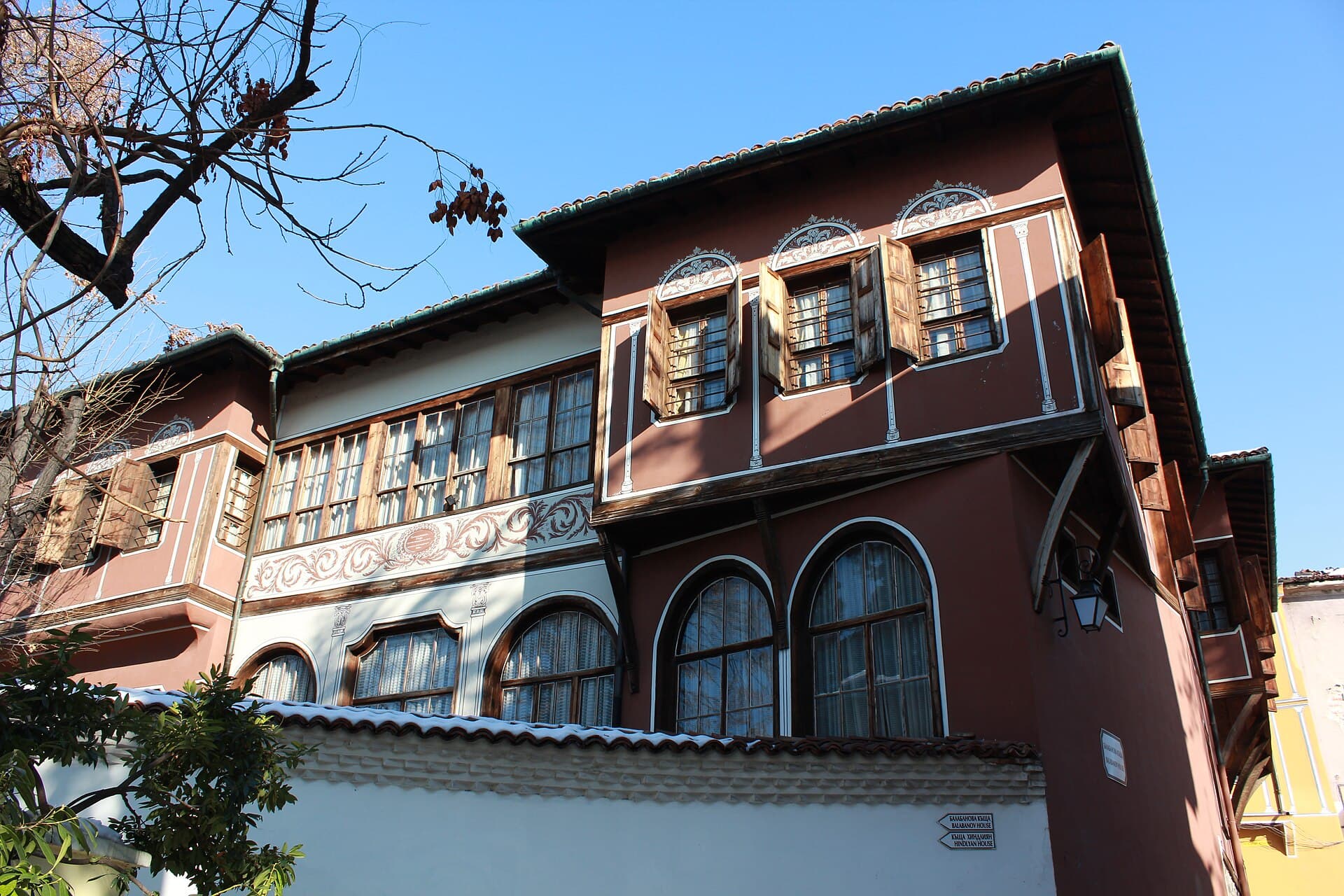 The Old Town & Balabanov's HousePlovdiv's Old Town is an open-air museum of Bulgarian National Revival architect2 minutes walk4.4
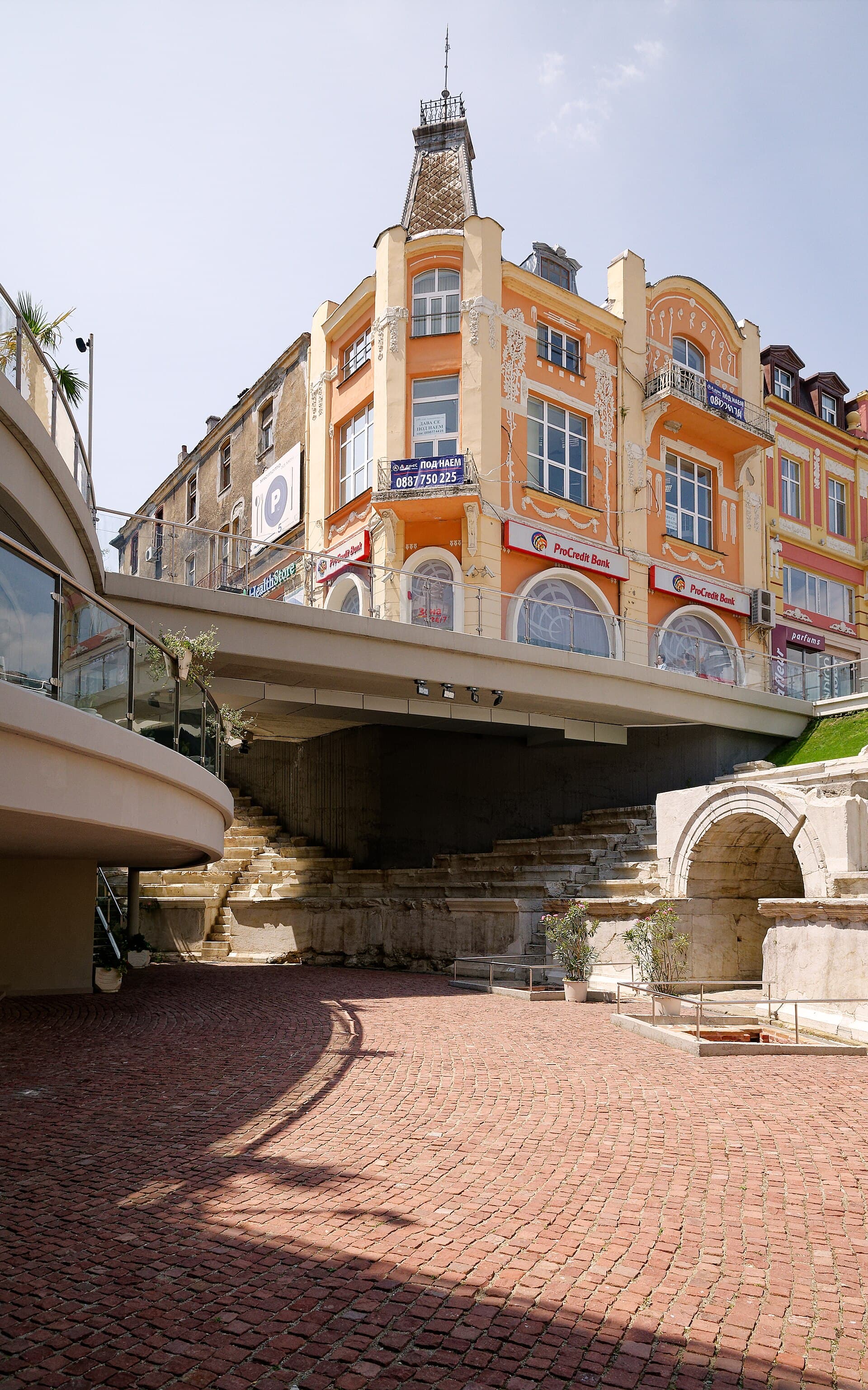 The Roman Stadium of PhilippopolisThe Stadium of Philippopolis is the archaeological surprise appearing suddenly b2 minutes walk4.6
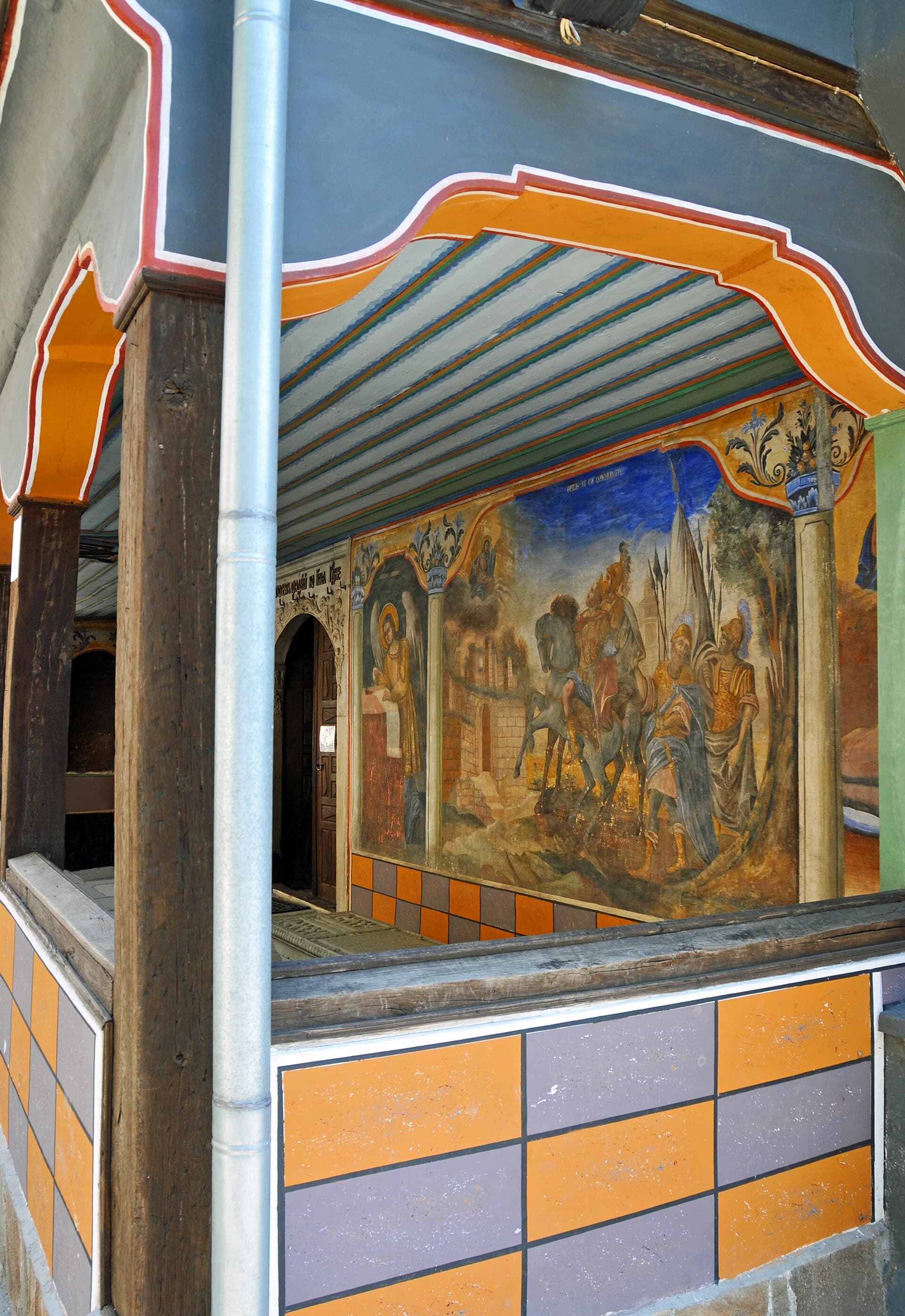 The Church of Saints Constantine and HelenaThe Church of Saints Constantine and Helena is the oldest in Plovdiv and the ric3 minutes walk4.7
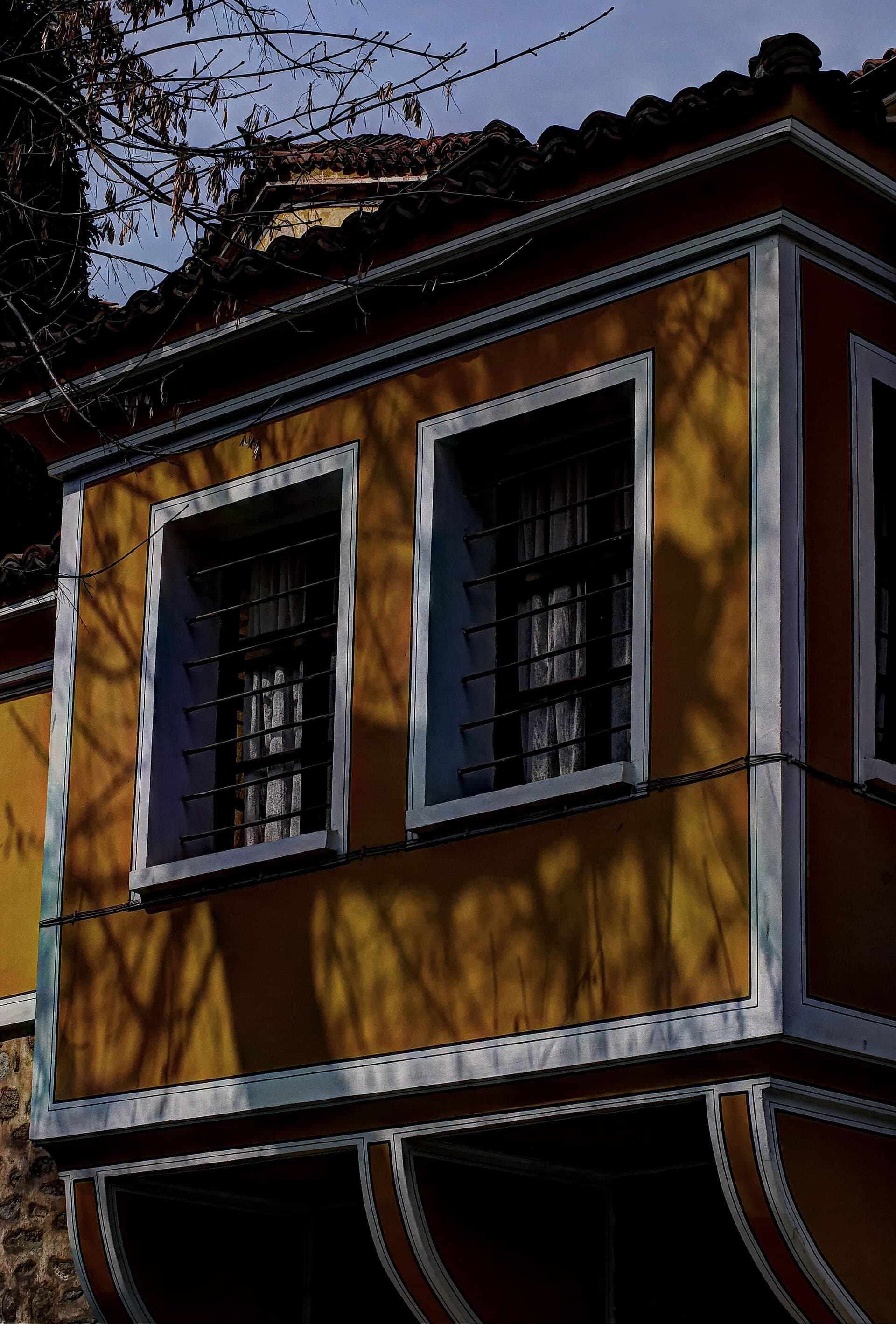 The Nedkovich HouseThe Nedkovich House is among the best preserved of Plovdiv's old houses, built i3 minutes walk4.3
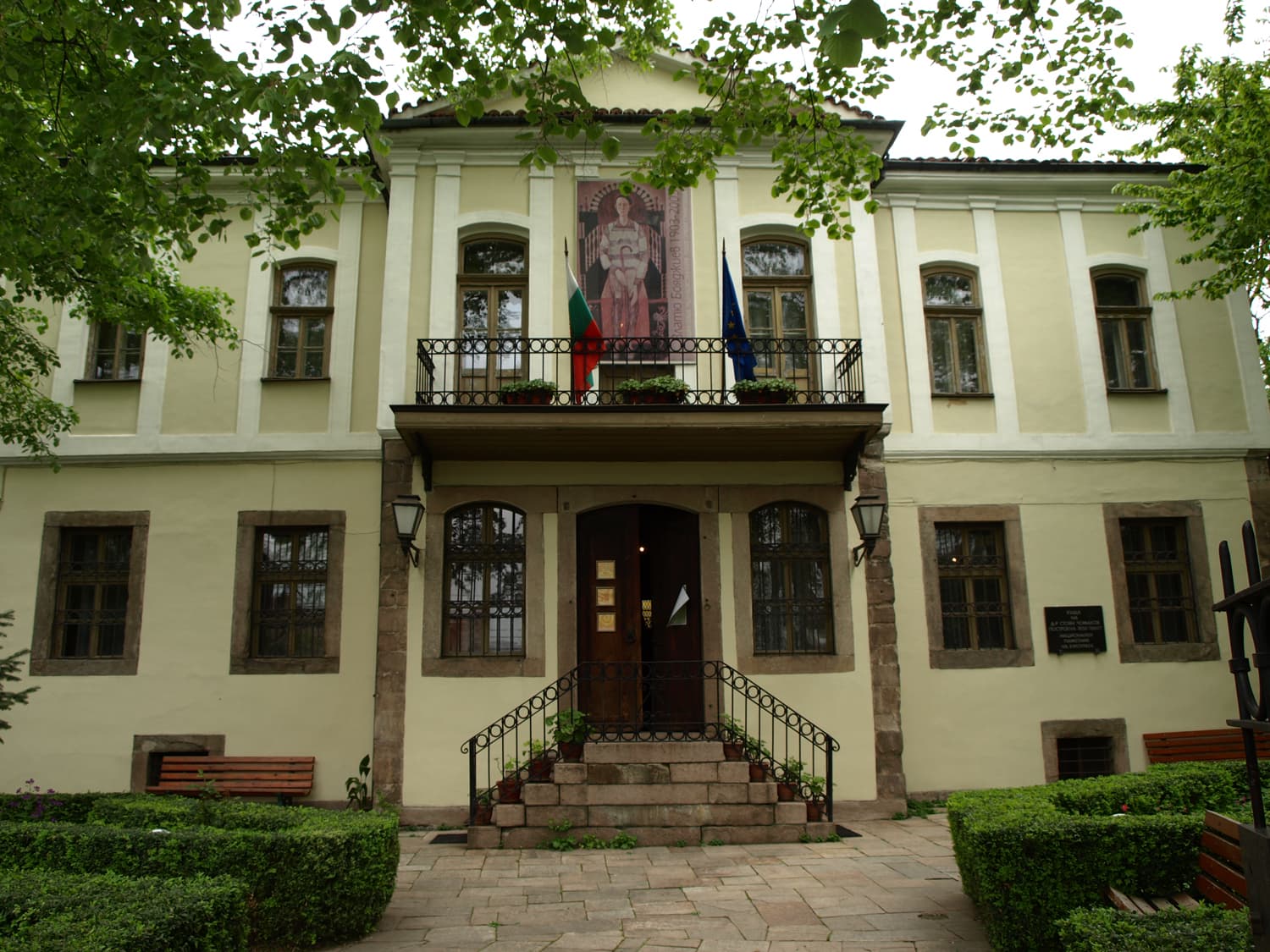 The Zlatyu Boyadzhiev Permanent ExhibitionA permanent exhibition of the work of the Bulgarian painter Zlatyu Boyadzhiev, i3 minutes walk4.9
Successive archaeological digs across decades revealed continuous residential layers with no actual break since the Neolithic — pottery, tools and house foundations precisely dated, leading UNESCO and global heritage bodies to officially rank Plovdiv among Europe's, possibly the world's, oldest continuously inhabited cities, direct rivals to famously-titled Damascus and Jericho for the same claim.