
The mausoleum
Beneath the monument.
Donatas Dabravolskas — CC BY-SA 4.0 · Dornicke — CC BY-SA 4.0 · Marinelson Almeida - Traveling through Brazil from Niteroi, Brasil — CC BY 2.0 · Leandro Neumann Ciuffo — CC BY 2.0 · Photograph by Mike Peel (www.mikepeel.net). — CC BY-SA 4.0
The National Monument to the Dead of World War II, popularly the «Monumento aos Pracinhas», the soldiers, commemorates Brazil's part and losses in the war: it was the only Latin American country to send ground troops to Europe, where the Brazilian Expeditionary Force fought in Italy. It stands in Flamengo Park on the shore of Guanabara Bay, in clean modernist lines. Beneath it a mausoleum holds the remains of 467 men of the Expeditionary Force who fell in Italy and were buried in the Brazilian military cemetery at Pistoia in Tuscany until their return to Brazil in 1960. Long, low stone peninsulas carry rows of simple marble tablets with the names of the dead, in deliberate calm, and above the mausoleum a fountain pool 70 metres long and 12 wide has a glass bottom that lets light down below. Next to the mausoleum a permanent exhibition shows photographs, equipment and films on Brazil's part in the European theatre of the war. Entry is free; check the mausoleum's opening times, and pair it with a walk in Flamengo Park or a visit to the nearby Museum of Modern Art.
Beneath the monument.
Names of the fallen.
Brazil in Italy.
Flamengo Park (Aterro do Flamengo), Flamengo, Rio de Janeiro
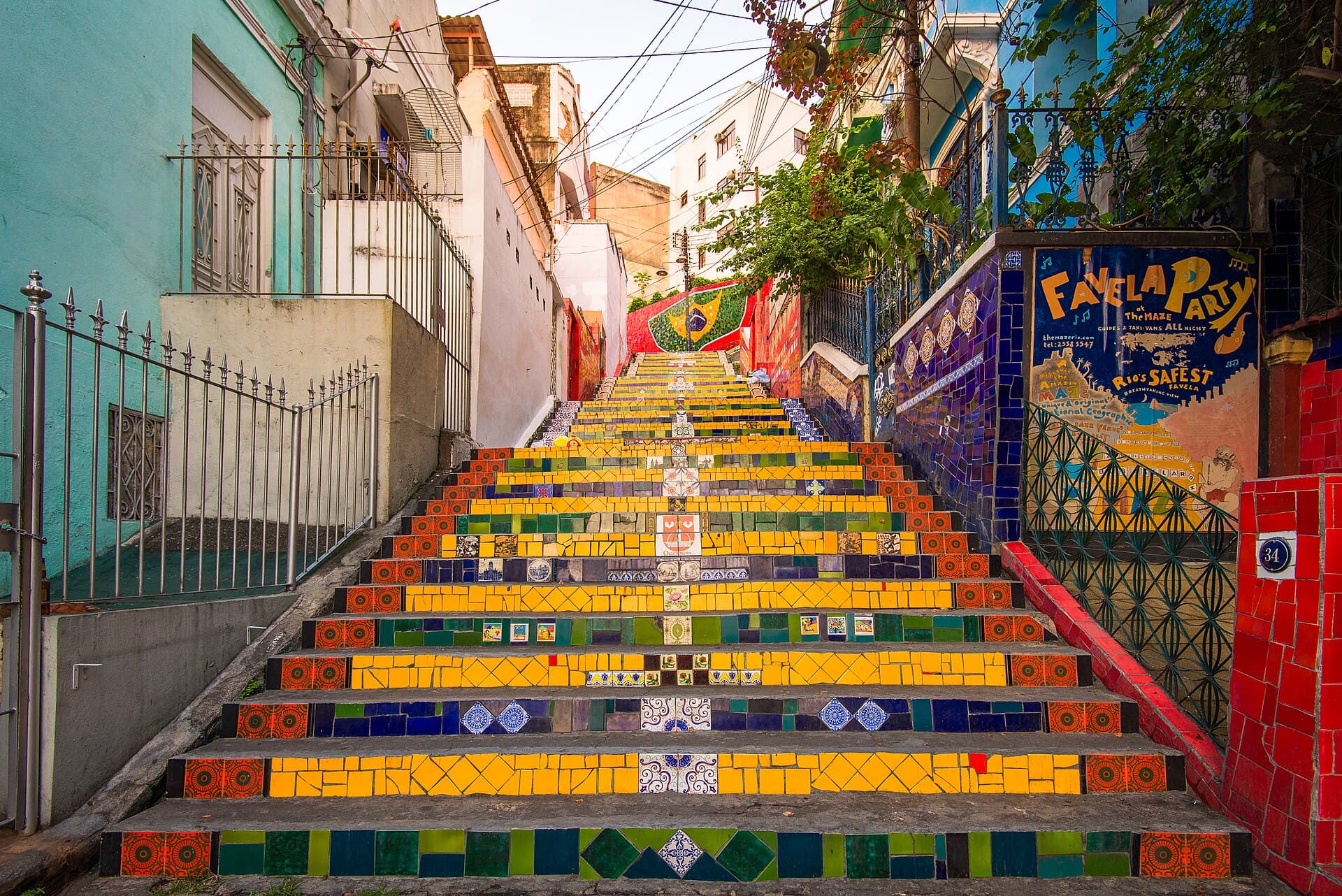 Selarón StepsThe Selarón Steps are a stairway of 215 steps, 125 metres long, climbing from La8 minutes walk4.7
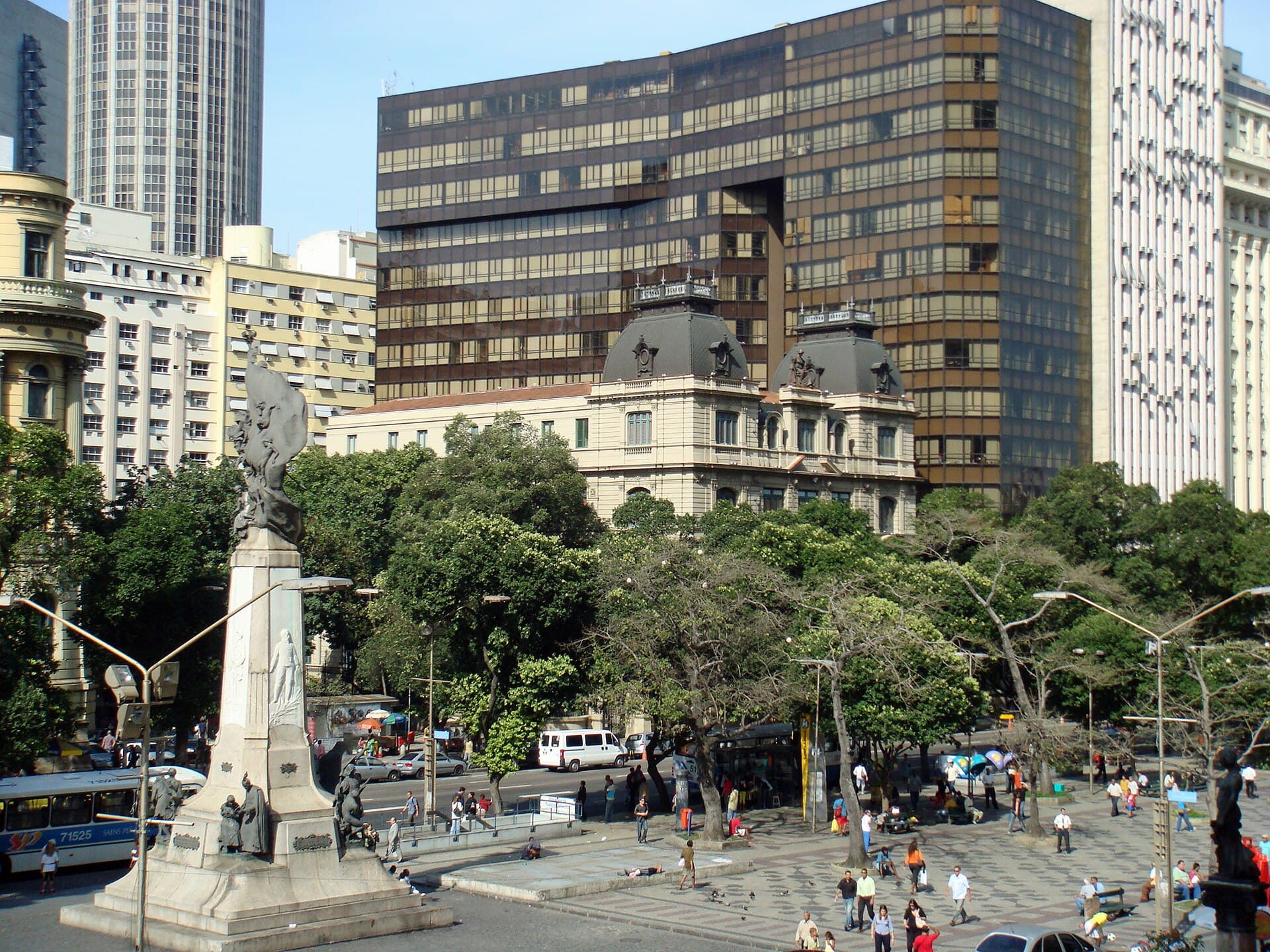 CinelândiaCinelândia is the popular name of Praça Floriano Peixoto, one of the largest pub9 minutes walk
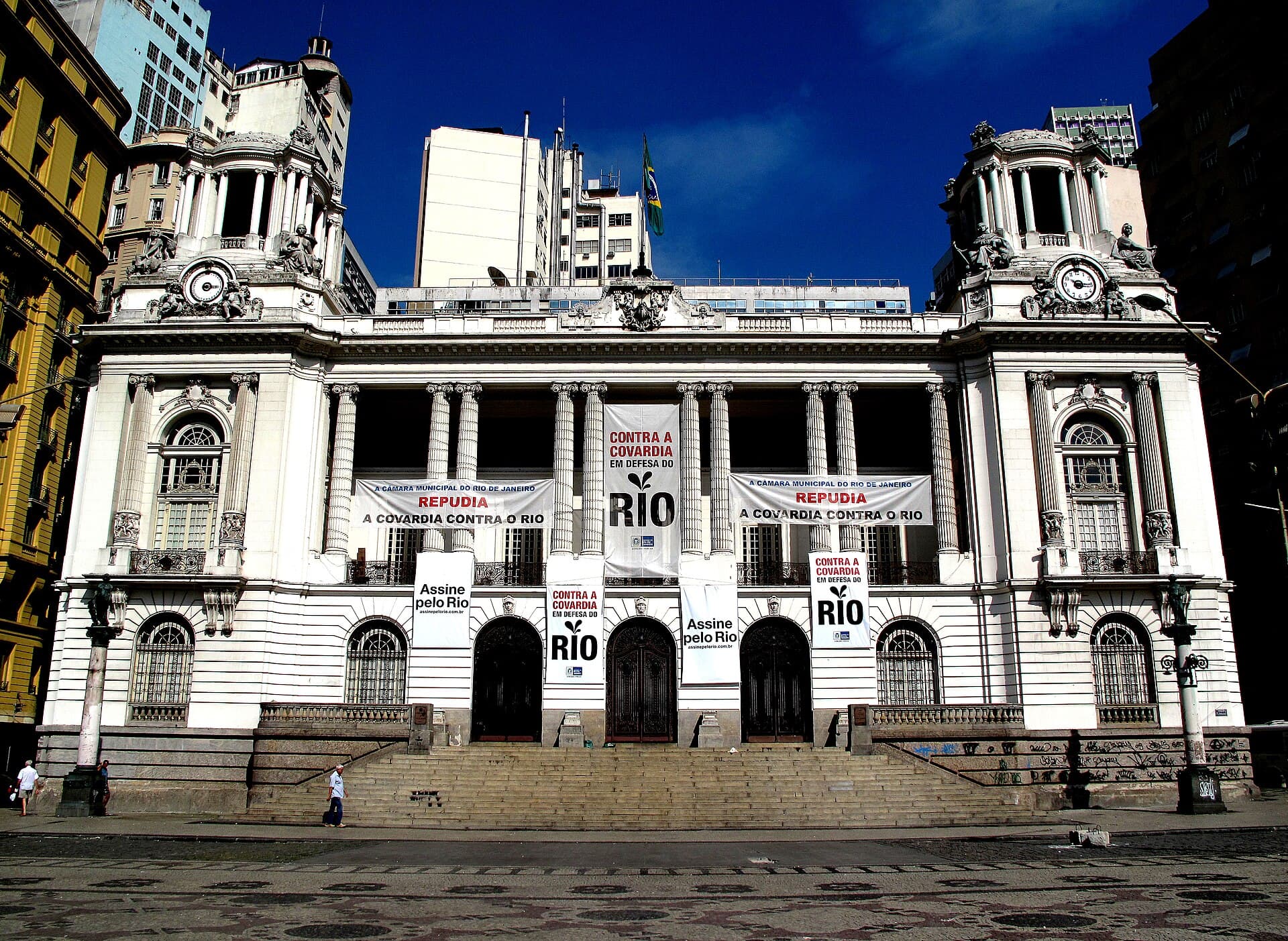 Palácio Pedro ErnestoThe Pedro Ernesto Palace is a historic building on Cinelândia square that has ho10 minutes walk4.6
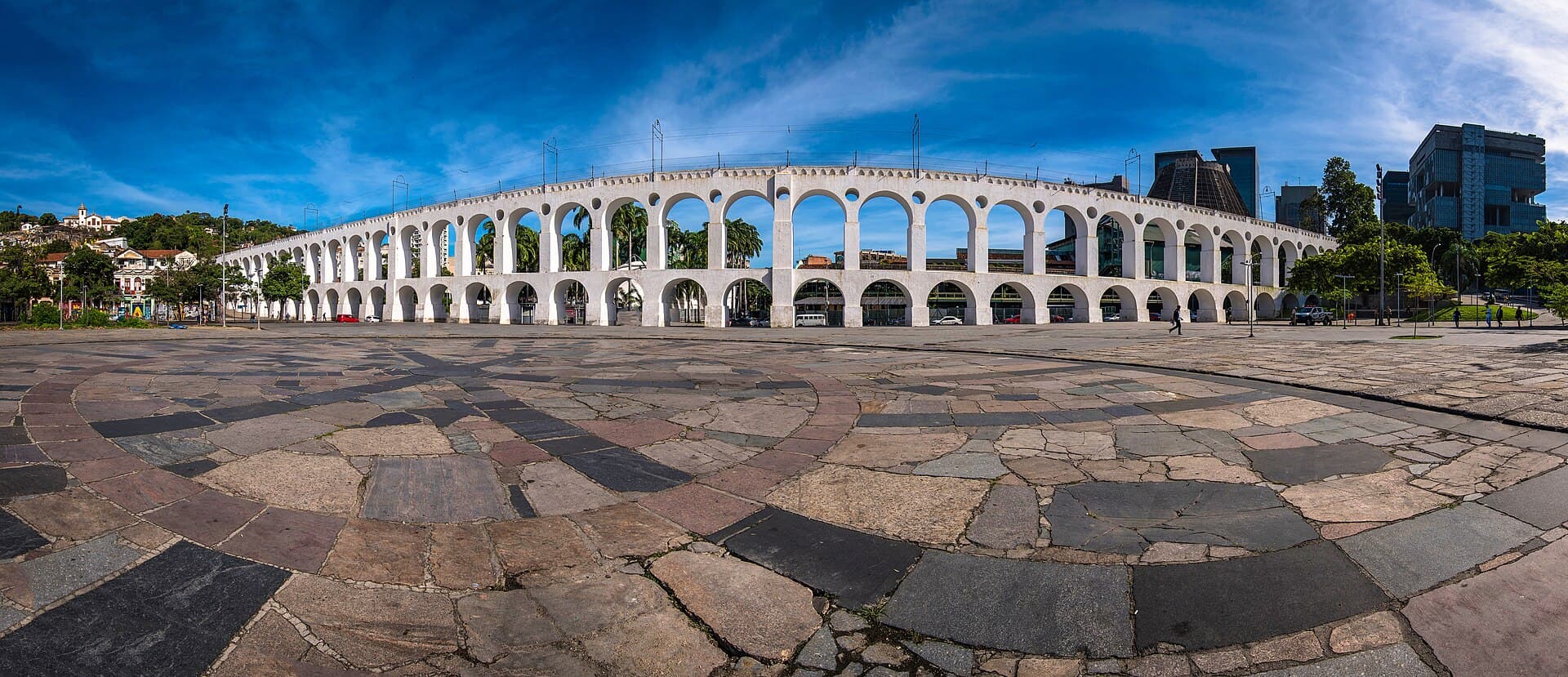 Lapa Arches (Carioca Aqueduct)The Lapa Arches are the best-known surviving part of the Carioca Aqueduct, built10 minutes walk4.3
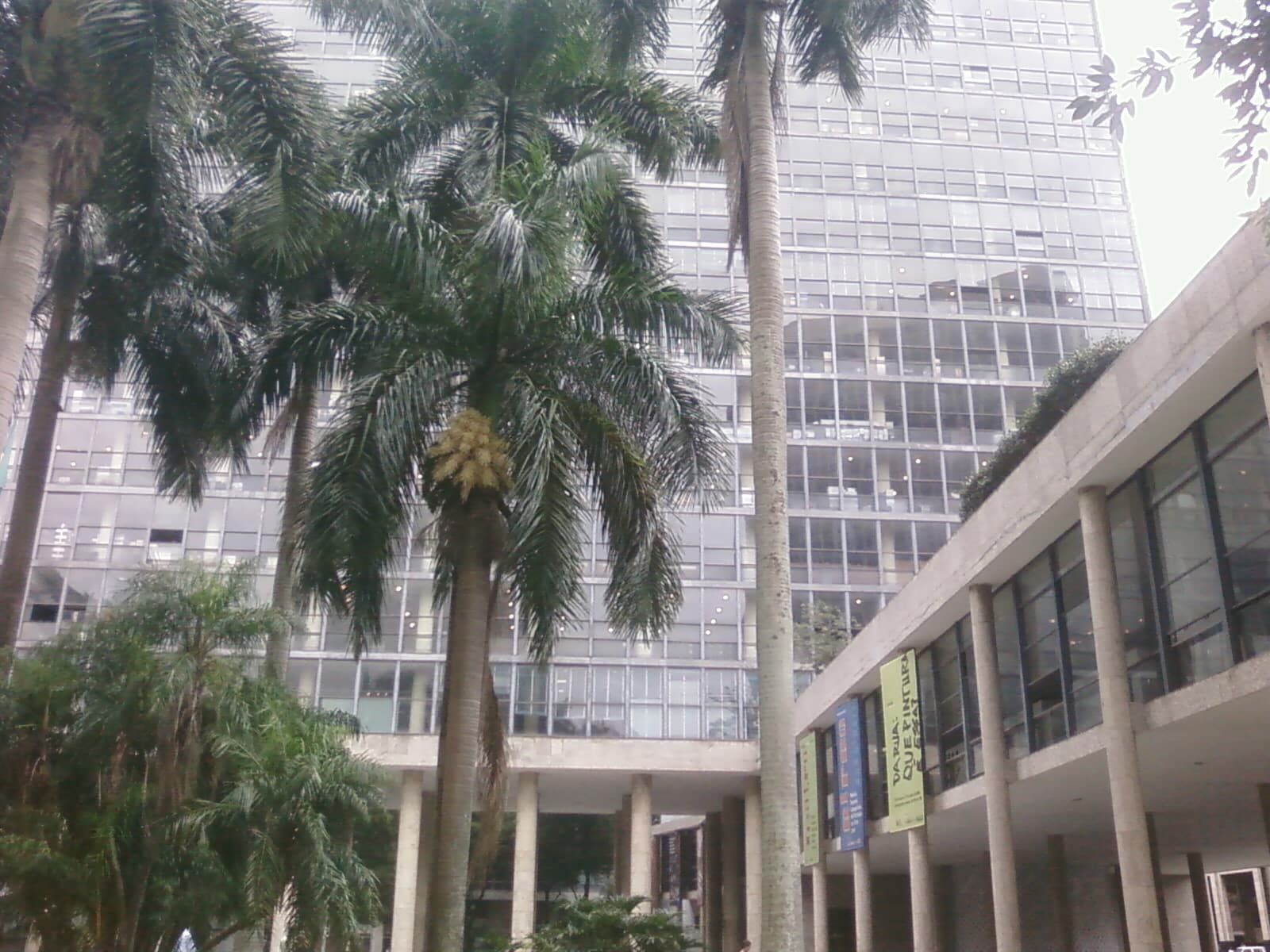 Gustavo Capanema PalaceThe Gustavo Capanema Palace, known to architects as the Ministry of Education an11 minutes walk4.4
467 men of the Brazilian Expeditionary Force who died in Italy in World War II, brought back from Pistoia in 1960.